If you haven’t had the chance to meet Jill, you should. She’s the property manager for her family’s farm (High Point Farms) where Maple Key is located. She is by far and away one of the most generous people I have ever met. Hers is the kind of generosity that is rooted in interdependence, a true and mutual joy in sharing life and resources together.
Jill has been the incubator for countless other people like me including Morgan at Creekside Flowers, who got her business started at High Point. As a side note: Before starting Maple Key, I worked for the tutorial that meets at the farm on M- Th and driving in each morning my girls and I would see Morgan working hard on maintaining the health of her plants. I know she learned a lot from Jill, who also raises flowers for weddings and for individual sale. Hearing Morgan’s story (delivered impeccably, I might add) was inspiring and reminded me a lot of getting Maple Key off the ground. You play, tinker, research, and experiment when you don’t know how to do something.
Such has been the case with our late fall garden this year.
Jill suggested that we start a garden this year and I told her I would need help. My vague cries for direction were met with her voluntarily having a portion of land tilled by the tractor and two big piles of manure from the animals on the farm waiting for us. She even called her neighbor, Joel, who lives a mile up the road from her to come get us started with the garden. I laughed when she said she told him we needed a lot of help because we didn’t know anything 🙂
He came out to the farm as promised and skeptical though he was, worked with us for 3 hours (barefoot!) with no breaks talking to us about soil health and the basics of working with minimal tools and dirt since we clearly didn’t have a plan. After we marked off our lines, we used the seeder to ensure a straight row of plants. We watered it heavily and Joel prayed over the land.
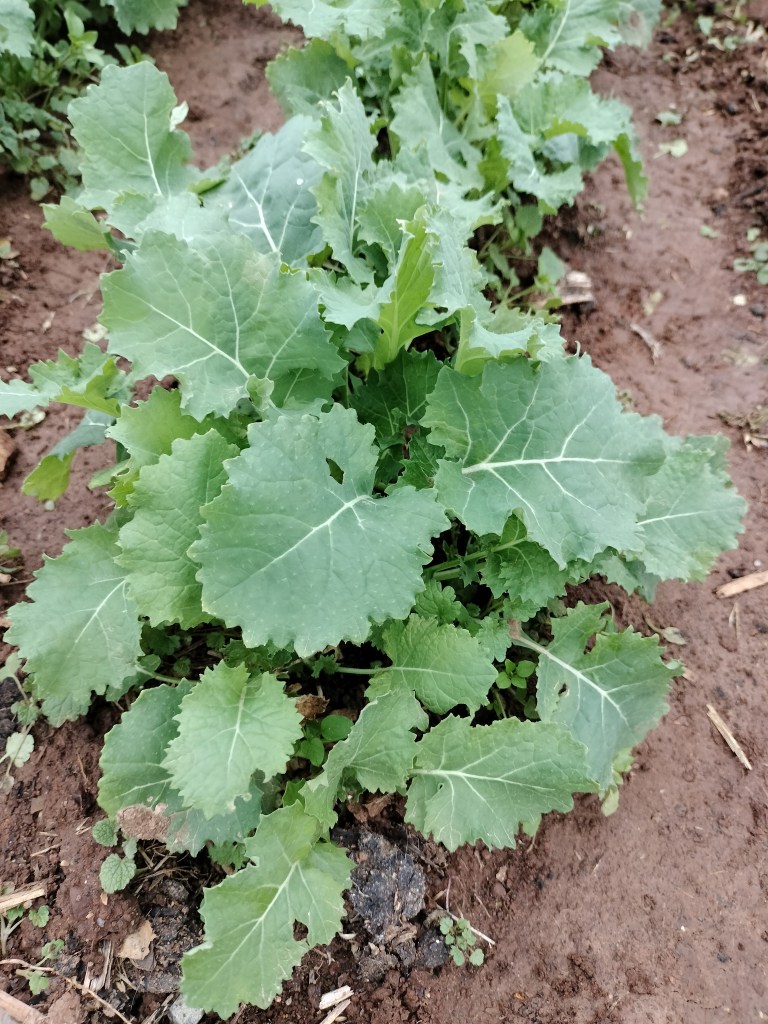
Doing all this work in mid October (instead of August like the internet suggested we should have), we had no idea if the 2 month drought and coming cold snap would ruin our crop, but lo and behold we kept coming back to a new surprise of growth each week.
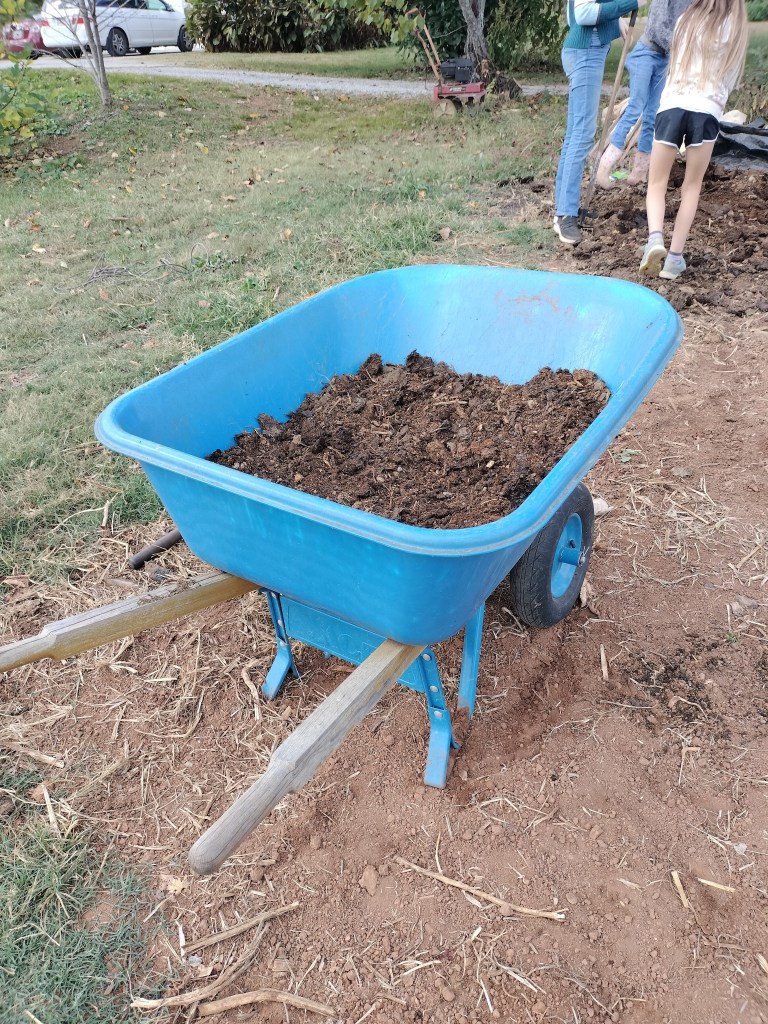
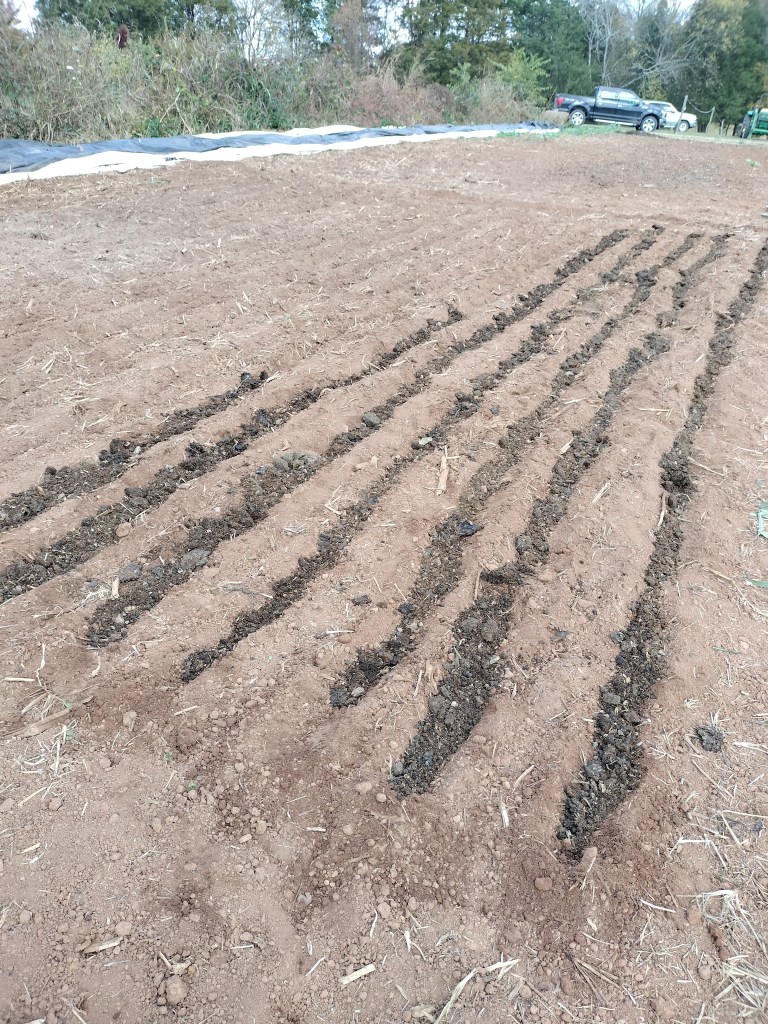
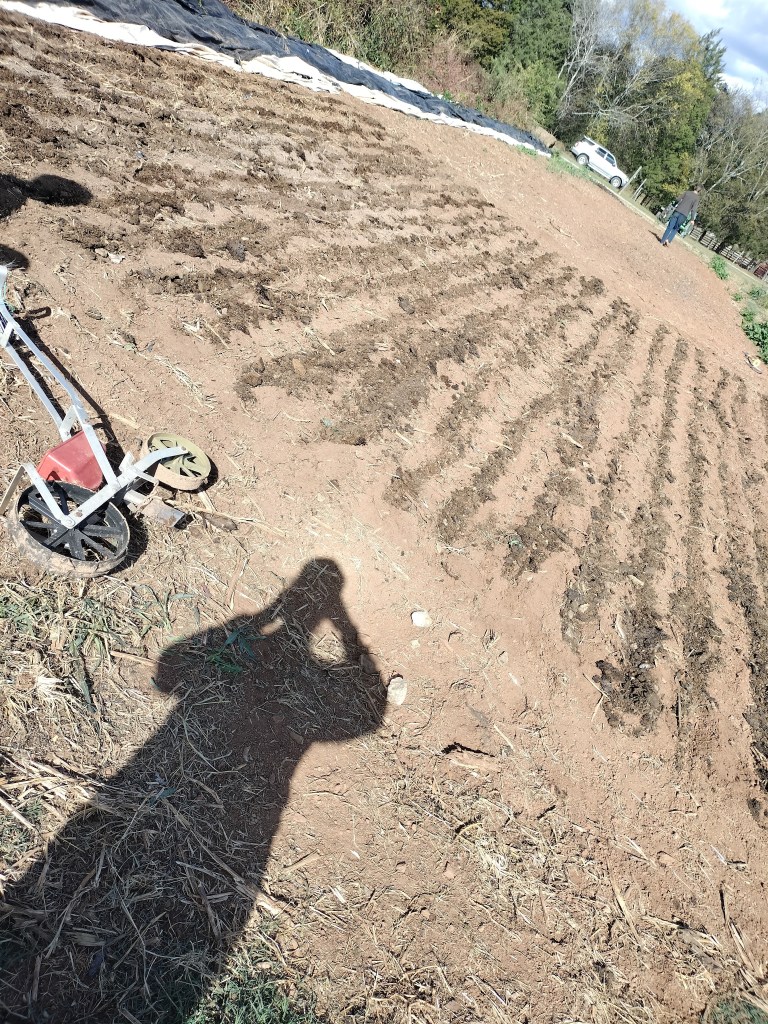
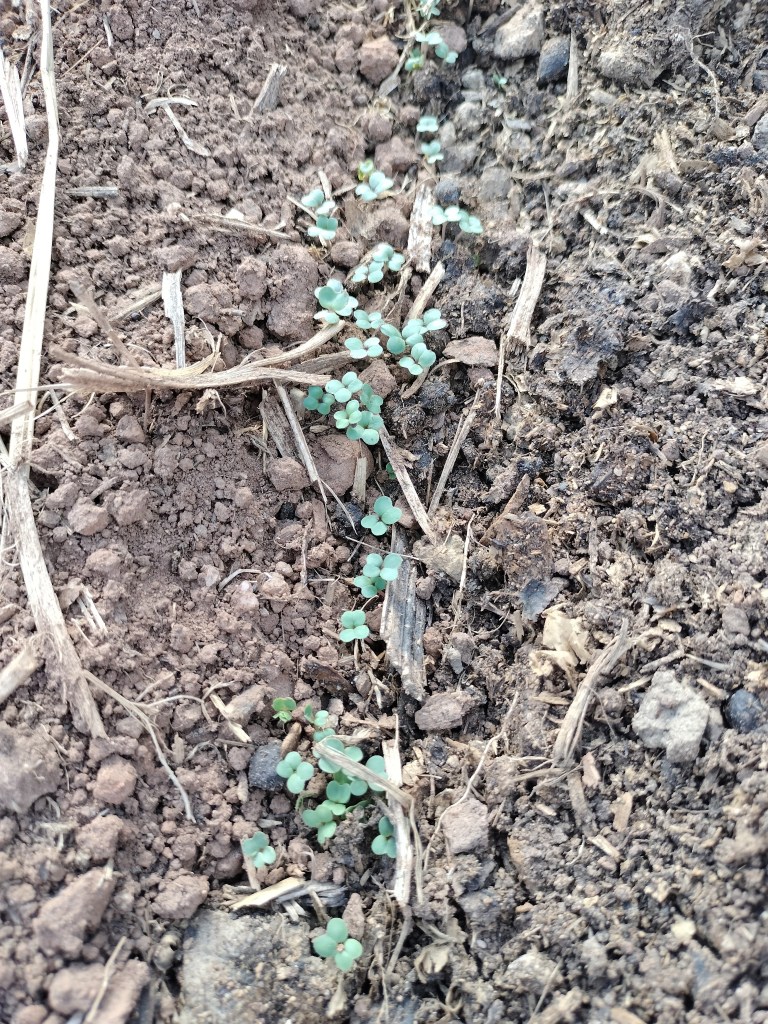
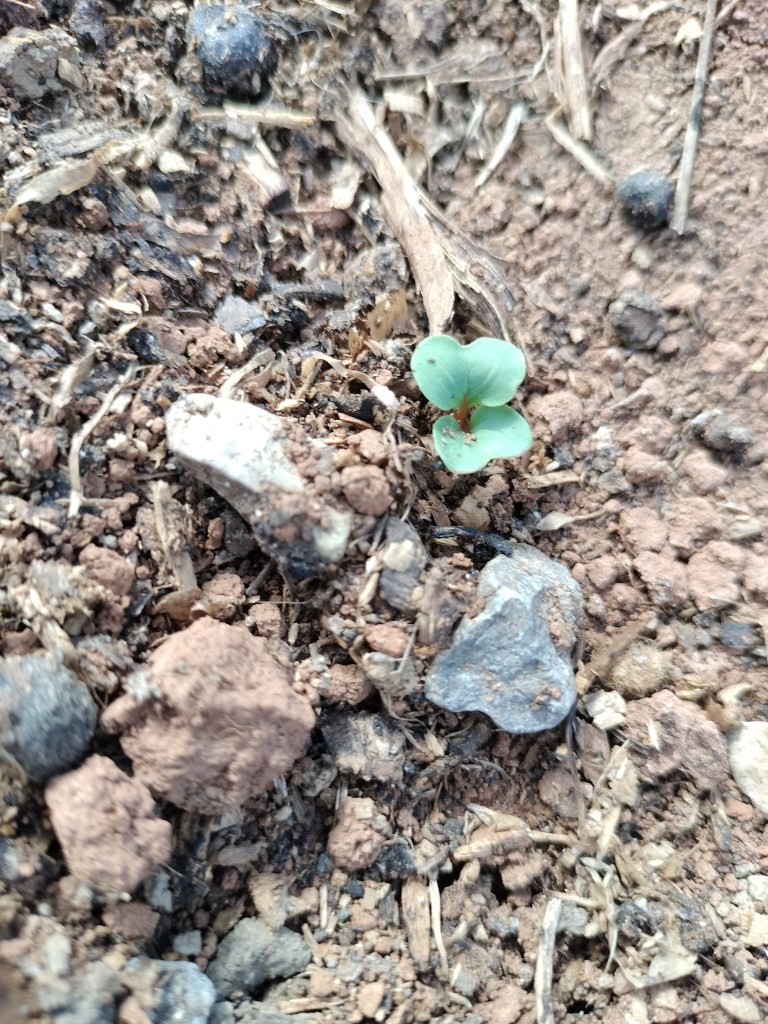

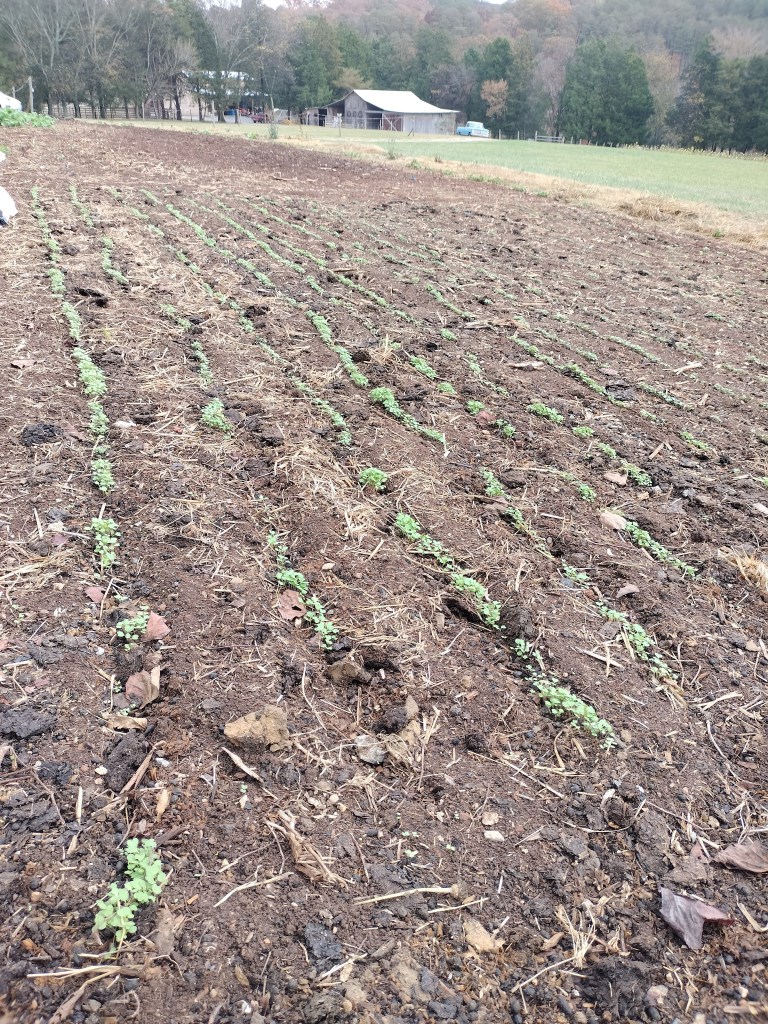
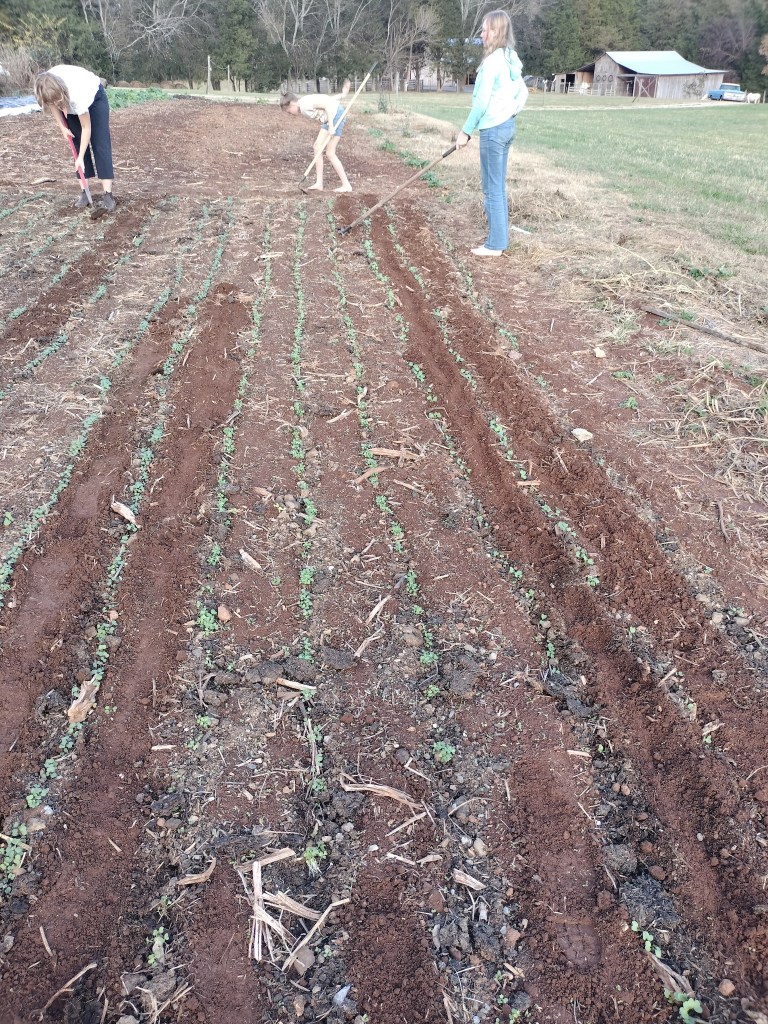

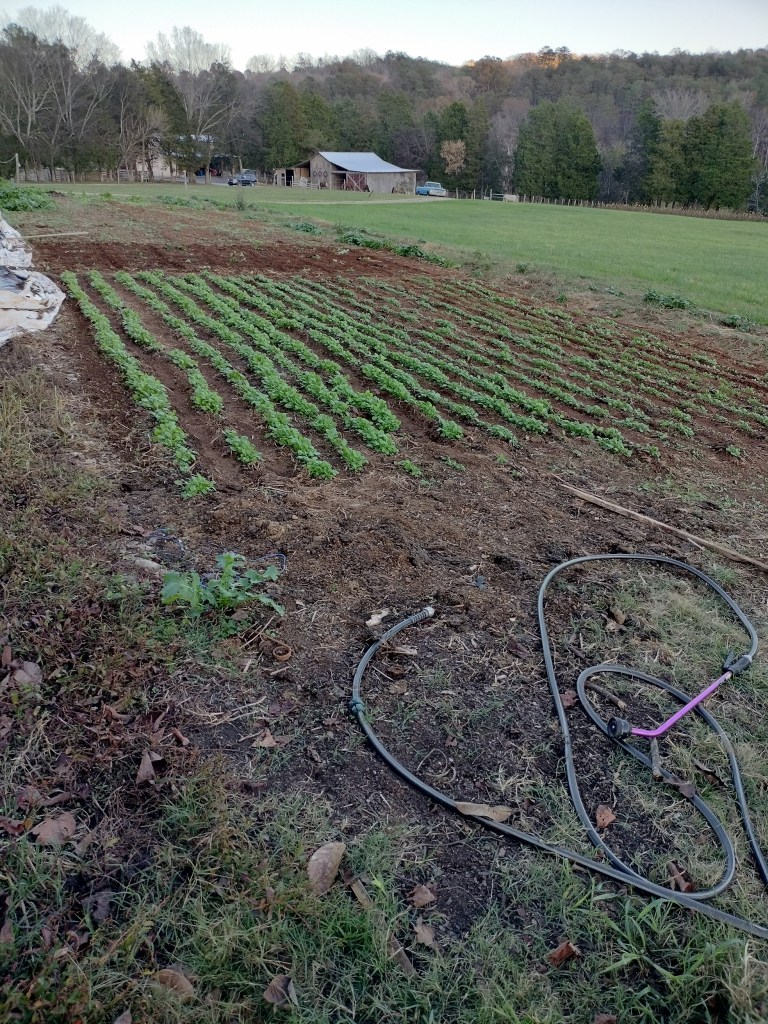
We only used one-third of the area Jill gave us to grow plants because Joel told us not to bite off more than we could chew. He was right in that trying to weed and harvest that much would have taken more time than we have in our 4 and a half hours each week. We did add some strawberries donated by one of our families though.
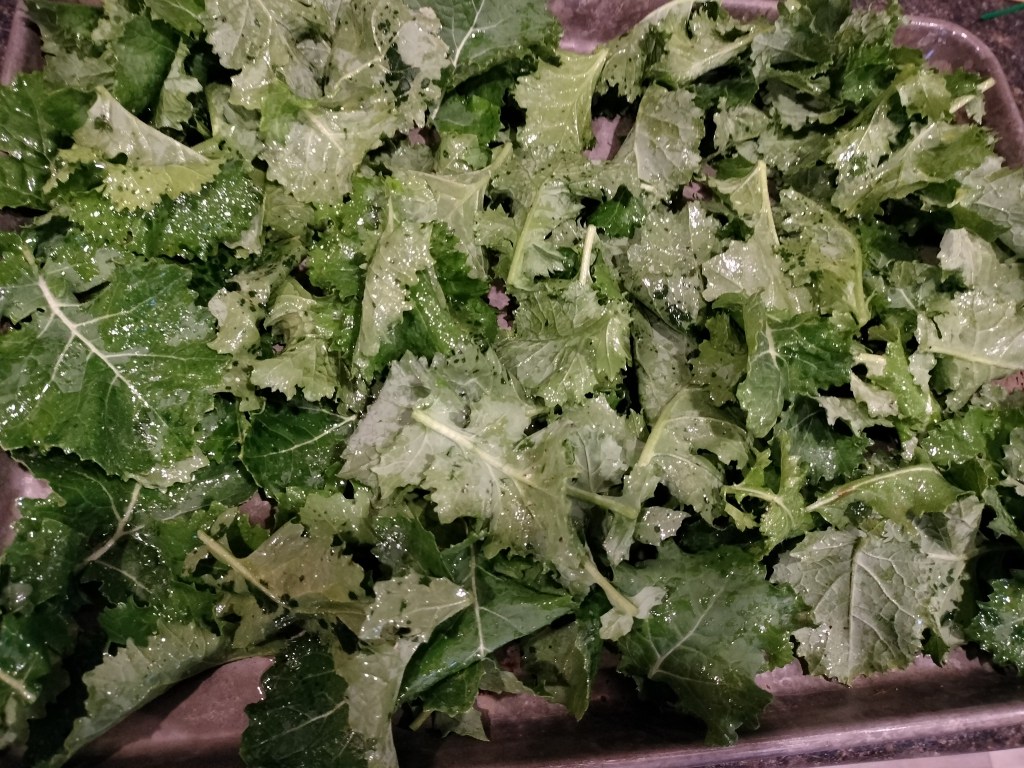
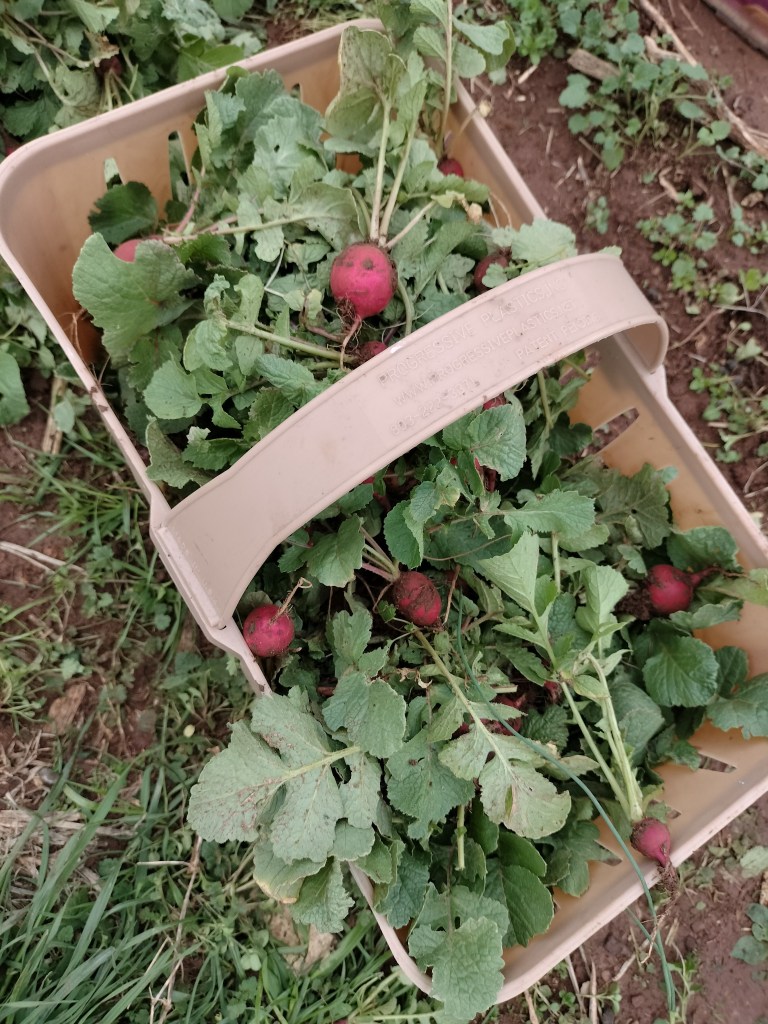
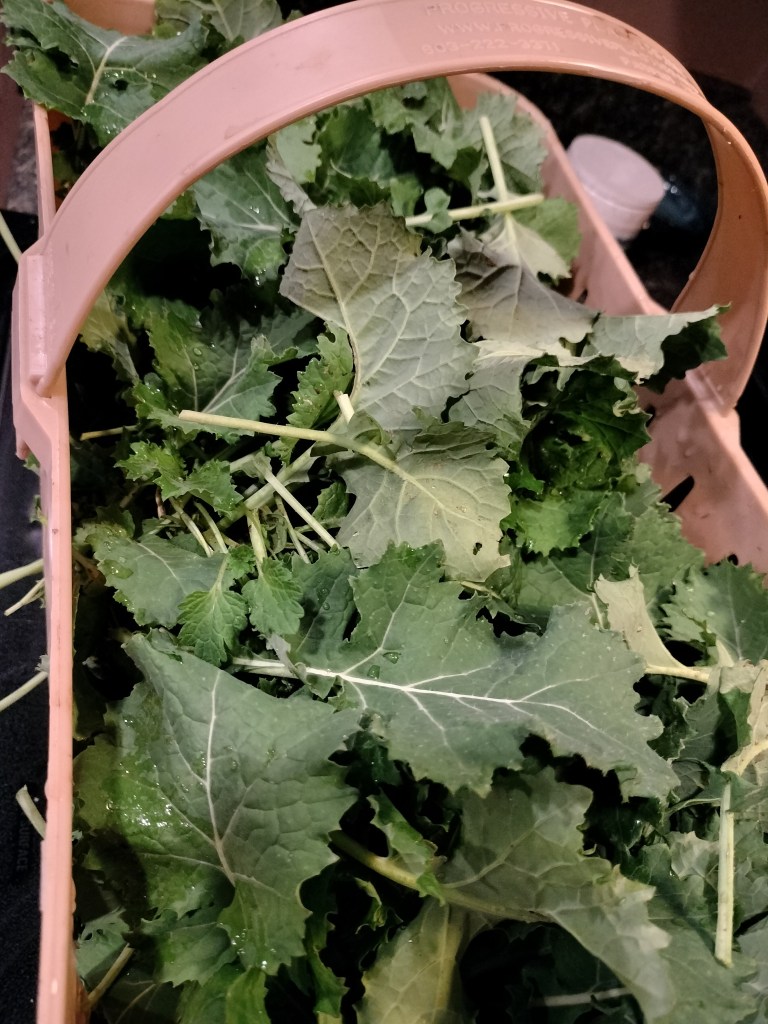
The time finally came when we had our last day at the farm for December. We decided to harvest some radishes, kale, and stray turnips greens that ended up in the other rows. It was more than a complete success. We have more food than we know what to do with, so this year we’re using it in our homes and giving it away to friends. Perhaps in the future we can still enjoy it for ourselves and friends while also selling it to give the proceeds to charitable organizations the girls research or fundraise for a special project.
Either way, there is such profound gratitude in seeing the Lord’s provision and work of your hands.
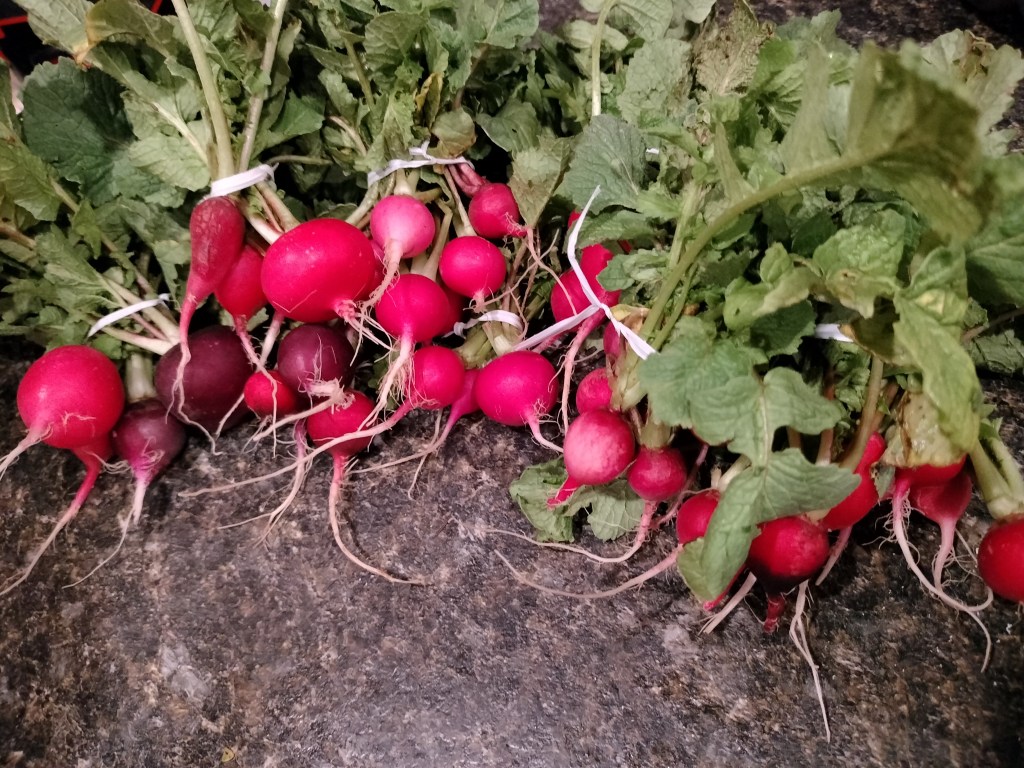
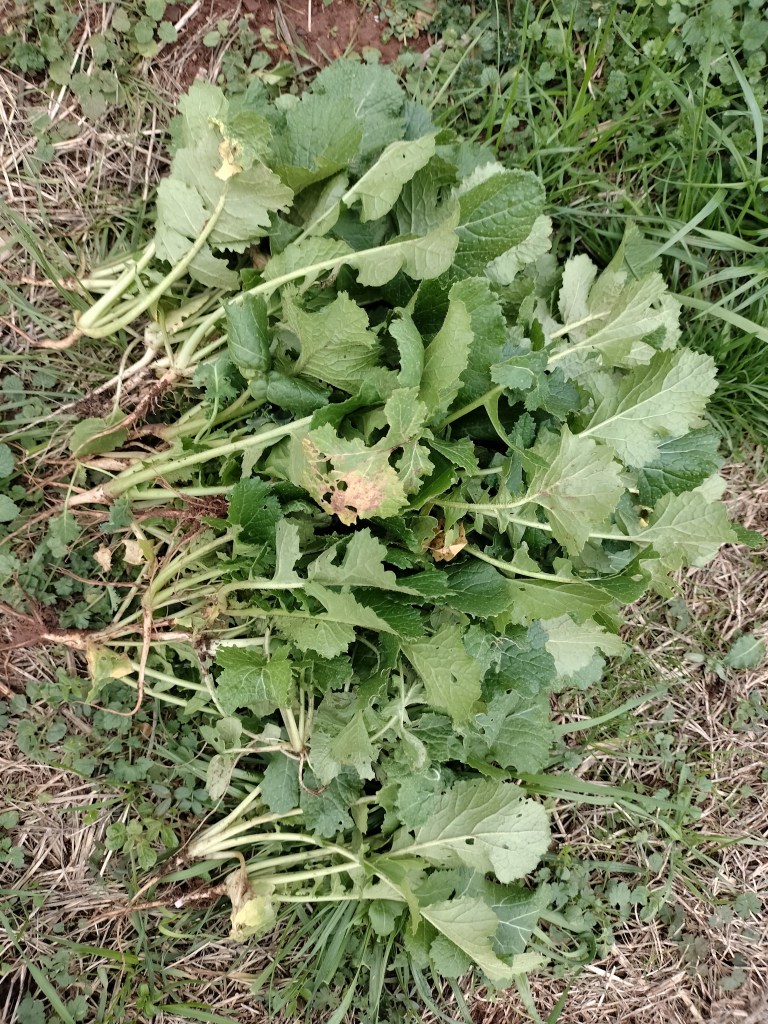
When it comes to risk, I like to think of myself as being a cautious personality. However, the constructive criticism I hear from other people is that I tend to underestimate what yield could come from faithfulness. I can definitely be like the servant in Matthew 25 that buries his talent and convinces himself he’s being a good steward. My faith in many areas of life is lacking because I hedge my bets to avoid the pain of embarrassment or loss. Modest success is better than no success, right? Reading one of my favorite naturalist authors, Robin Wall Kimmerer, helps me to see a path forward in demonstrating responsibility to something other than just keeping my ego safe. She says in her book, Braiding Sweetgrass:
“Being naturalized to place means to live as if this is the land that feeds you, as if these are the streams from which you drink, that build your body and fill your spirit. To become naturalized is to know that your ancestors lie in this ground. Here you will give your gifts and meet your responsibilities. To become naturalized is to live as if your children’s future matters, to take care of the land as if our lives and the lives of all our relatives depend on it. Because they do.”
When I showed my husband the pictures each week, he kept saying, “That dirt must be magic!” Though I know he was kidding, the truth is the dirt has been cared for for decades. They don’t use pesticides. Their compost is fresh. They make sure the pH balances. It is also reasonable to assume that the land was cared for by the Cherokee, a vital part of the history of this land.
The garden has reminded me how much part of “becoming placed” as essayist Wendell Berry says, means growing to love an area through being fully present and acting in faith and commitment to its history of care.

 Maple Key Tutoring
One thought on “Becoming Placed”