
One thing that hobby gardeners don’t like to talk about is the cost. Sometimes it truly feels like your efforts outweigh your yield. That was us for so many years that we just stopped gardening all together when our kids were little. I really regret that I didn’t know to pursue some easier, realistic, cost effective projects during those years.
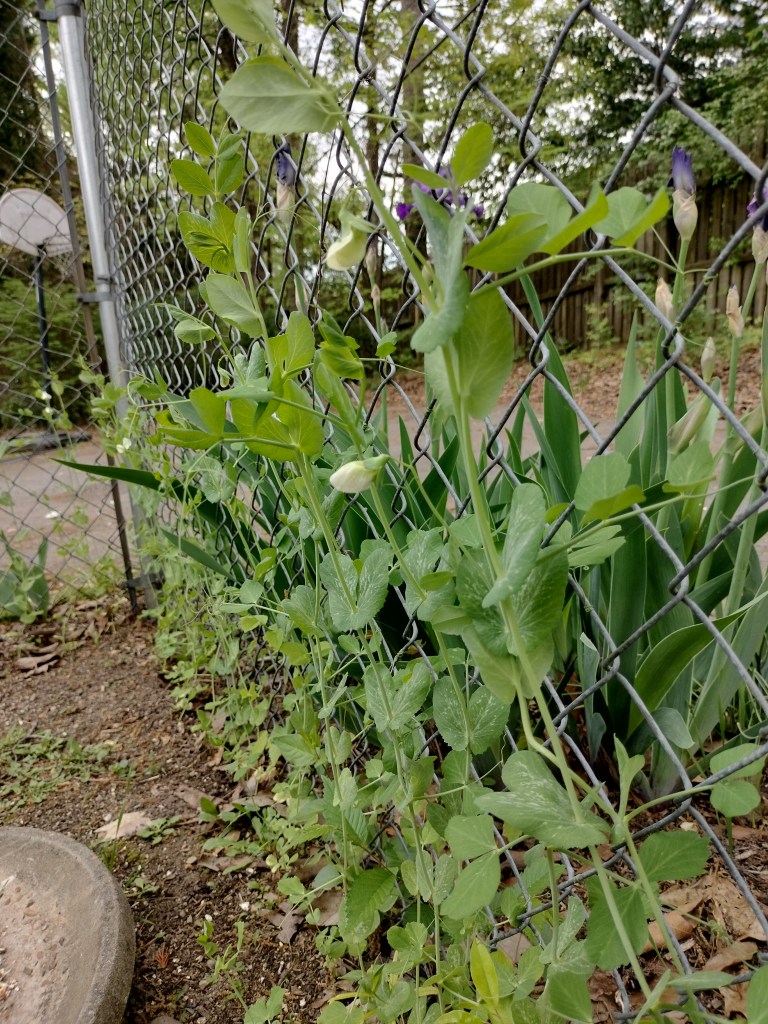
Now, our kids are little older and able to help and it’s been such a joy to start back up being a little wiser and lot cheaper. For instance, today our third daughter ate the first sugar snap pea out of the plants that our fourth daughter sowed along the chain link fence in our backyard thanks to some internet research. We probably have a 90% germination rate and the crop is about to roll in. It cost us around $2 for the pea packet. And maybe a $1 worth of water. The compost we mixed in was from the bin in the backyard.
The sugar snap peas success got me thinking, “What else could we do cheaply with “ingredients” we already have or are cheap to obtain?” Enter hugelkultur pots. Our college friends from Pennsylvania showed us their raised beds when we were visiting a few years ago and they had an incredible yield! We were wondering if the internet or their Amish neighbors showed them the wisdom of permaculture. Either way, we took the idea to heart and when we built our raised bed in the front, we put in the rotting log pieces from a dead tree we had cut down a few years ago. Following that we put in homemade compost, then soil.
So, since we already knew how to do that with a bed, watching videos on growing potatoes in pots showed me that I could take a similar approach. I had a leftover 10 gallon pot from when my mother in law had brought a hydrangea down one year. I had been using it to store compost, but I used so much of the contents it felt time to repurpose it. See the pictures below: rotting wood, compost, soil, potatoes, more soil, and hardwood mulch. The total outlay was probably $5 between the potting soil and mulch because I already had the rotting wood, compost, and sprouting potatoes. Also, I can use the filled pot again and again after the potatoes are done.
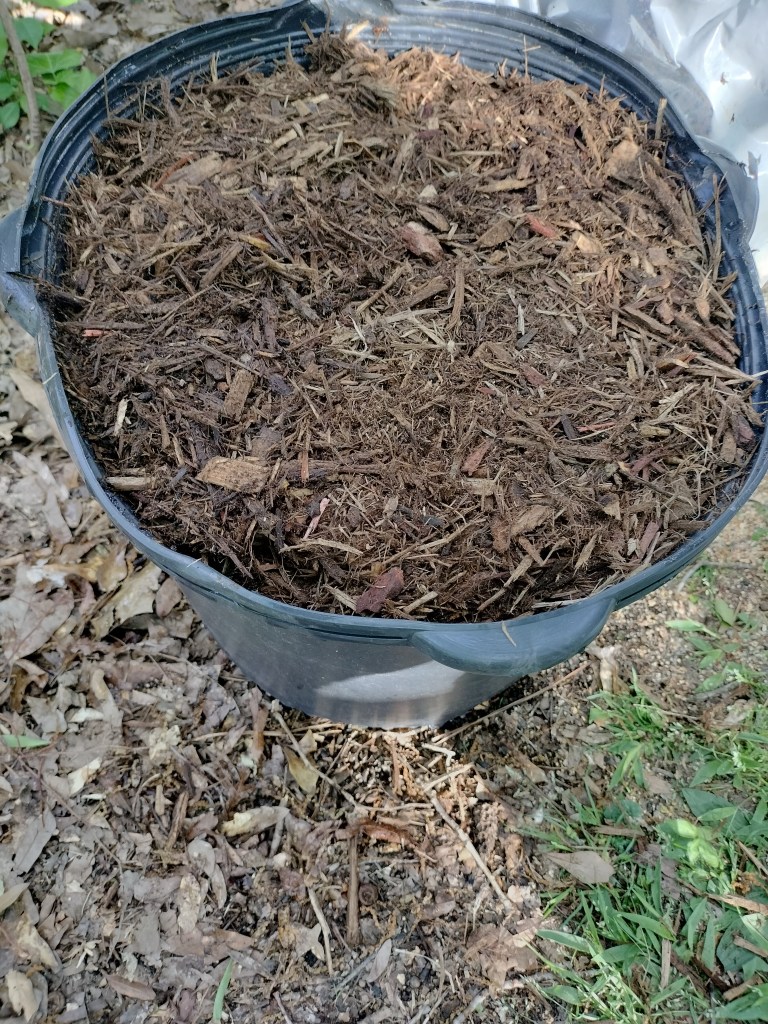


I have NO idea if this potato crop will turn out, but “gardening within your means” is a new challenge I have been pursuing. At the farm for the program we have done all direct sowing and aside from a metal trellis I can keep using year after year and a little bit of mulch for a path, no purchased additives of any kind. It’s literally soil and manure that was already there, watering, and some seed purchasing. I actually considered using cardboard for paths instead of mulch, but was afraid they’d blow away while we’re not there and I hear it kills the soil life underneath, so if I choose to do any, I will try some thin metal anchors to help me use that cheaper method next year.
If you’re looking for a YouTube Gardening channel that is relaxing and helpful, I recommend Huw Richards. He focuses on things like “planting from your pantry” or how to consider many options you have on hand for free compost. His passion for gardening is evident in how he has learned so much from being faithful to do the work and experiment. And he’s Welsh, so a fantastic accent and idyllic scenery as a bonus.






 Maple Key Tutoring