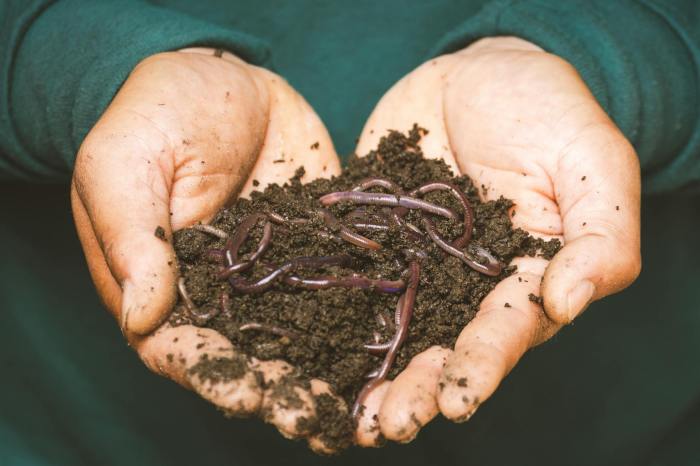
In certain educational circles you might hear about the classroom environment being the “3rd teacher” (the other two being adults and other children). It’s a concept that is only more recently being recovered in the classrooms accustomed to tidy front-facing desks and bright motivational posters instead of a more curious place for discovery of both self and others.
Obviously for Maple Key, the farm is doing a lot of work as the third teacher — the year round blooms (yes, we even see camellias in January!), the various animals, the winding creek, the structures like the various barns and MiMi’s house. Those things influence our art, our sense of belonging and stewardship, regional connections. But as we all know, life has many classrooms beyond just the ones we are required or choose to attend. That got me thinking about our first classrooms — our homes. What things do we absorb from those places? I zeroed in my thoughts and remembered a part of my home environment was compost.

My mom didn’t always have a compost tumbler (they weren’t as prolific as they are now), but certainly for the last 20 years. We were a thoroughly suburban family, but my guess is that she got that habit from her mom and dad whose families grew up on or around a lot of farm land in Dickson, TN. In the early 90’s my grandparents had a farmhouse built for them with a beautiful wrap around porch. They would have acres to grow things, my grandfather could ride his tractor around and they were set to enjoy their retirement years among friends and family. Unfortunately, Alzheimer’s had other plans for them as my grandfather was diagnosed with the debilitating disease only a few years into their wonderful rest. They had to make the difficult decision to sell their home and move to Soddy-Daisy to be closer to us, my aunt, and the nursing home facilities he would eventually need.
They moved to a ranch style home in a brand new subdivision and my grandmother wasted no time in carving out some little beds in their tiny yard for her zinnias, beans, cucumbers, and squash. It was such a small plot compared to what they had envisioned flourishing in Dickson, but my grandmother did it faithfully and we snapped beans on her screened in porch each year for her to can and put away.
As for our family, we had been settled in Chattanooga after bouncing around in Texas for a few years for my dad’s job, and my mom got into gardening, mainly daffodills and irises. Somewhere along the line she started saving her kitchen scraps which turned into compost tumblers which turned into feeding her beds rich, black compost for vegetable growing every year.
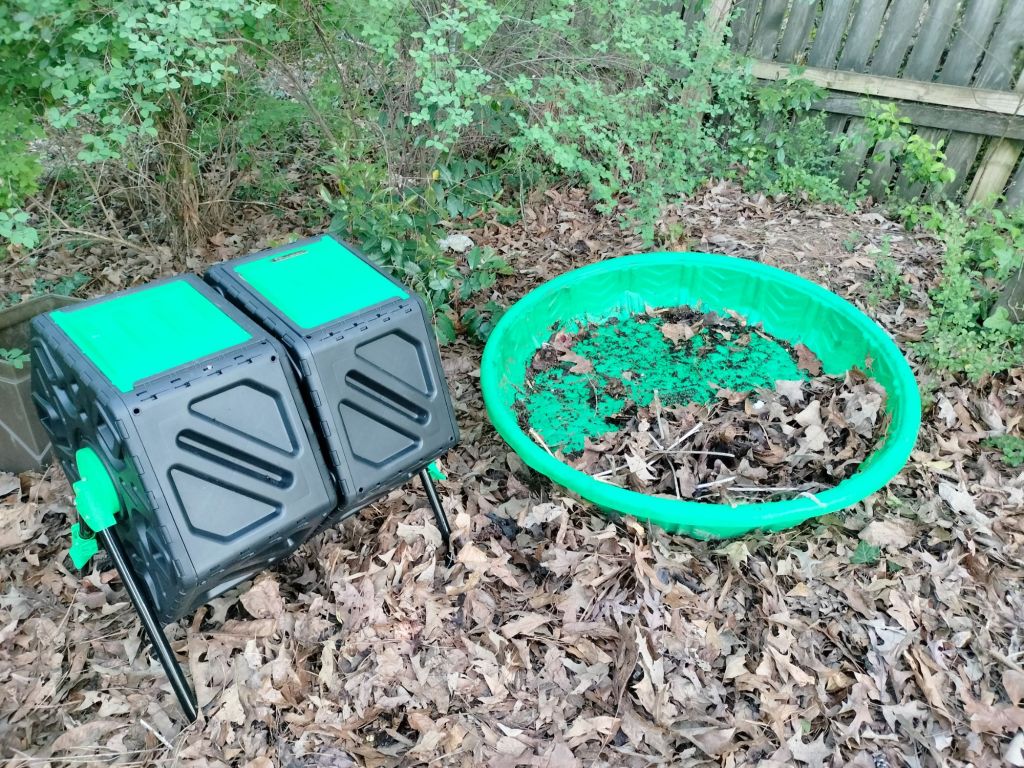
As my mom would tell you, I would always put my scraps in the red Folgers jug she kept under the sink, but never really took any interest in gardening until after I got married and had a house of my own. Thanks to a steel compost pail and compost hut gifted from my in-laws, somehow I started the habit just like my mom if for nothing else than to keep food waste out of the trash can. Now it’s just like second nature for everyone in our house to recycle and compost. It’s just a way of life on our shady quarter acre lot. This year I am hoping to increase our compost yield by having bought a tumbler of my own and being more diligent to spin it (which takes the place of turning it in the swimming pool we had used exclusively) and process more so I can experiment with what can grow decently in the shade after some failed attempts in years’ past.
I tell this story just to say that it’s amazing how much we absorb from our “3rd teachers”. Those places we call home truly do shape us even if we can’t see it until decades later. My mom and grandmother never pressured me to continue on in their gardening footsteps, but whether I realized it or not there was always something noticeably peaceful and rewarding for them in the act of gardening and composting. To them, why would you not invest in these simple acts of beauty and stewardship in your daily life? The environment they prepared for me, even in very suburban settings, helped prepare me to desire a space like the farm that I could learn from as I teach alongside it. It helped me catch a vision for how the library and community center I work for can practice interdependence through our community gardening.
Many of the girls in Maple Key are light years from where I was at at their age. Several compost and play in their own gardens or help their family plant things each year. They take me around their property before tutoring time and tell me stories about what grows where or what new plant they are trying out. They harvest basil for pesto and grow okra in the summer. They give me free plants. Of course some of them don’t garden but enjoy getting to indulge in it and work hard during our time on Tuesdays. They, like me, may never own a farm, but their many classrooms are teaching them valuable lessons on what it means to help something grow and tend it faithfully. This is a spiritual habit if there ever was one.

Have you ever stopped to consider what “environments” were your 3rd teachers? Particularly those things or spaces you perhaps unintentionally neglected but you can see with more clarity as you get older? I’d love to hear about it in the comments.
 Maple Key Tutoring