Group Activity: Writing a Villanelle

With having our largest group ever this year (12 students), we have had to get creative about how we do certain activities. This often means breaking up into smaller groups, but having another tutor there every week makes this possible! Recently, we took two weeks to write a specific kind of poem called a villanelle.

(^ Above image from: https://elliefleurjohnson.com/2017/12/04/understanding-the-villanelle-form/)

I chose this activity because I had just been to my own local writer’s group where we wrote a villanelle collaboratively (thanks, Olivia!) and I thought this might be an interesting opportunity to do the same thing with my students.

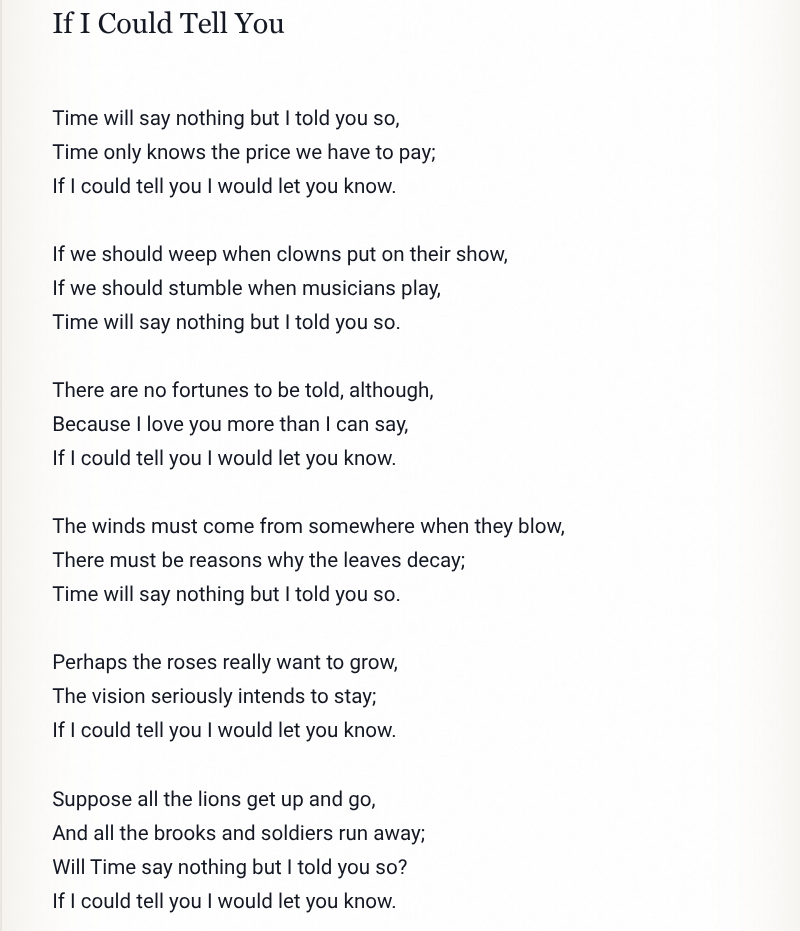
I read them some famous villanelles and then took a line to incorporate from this one by poet W.H. Auden

Each group brainstormed some ideas that would lend to strong imagery and then shared lots of laughter around figuring out rhymes that fit within it. Someone would spit out a line and their group would accept, reject, or rework it until it seemed like it belonged. For middle schoolers, this collaborative effort took a lot of time and patience and was frustrating at times, but it was also so much fun watching us frantically count on our fingers to make sure we had 10 syllables for each line! I love that both poems turned out to be nature related — fireflies and fields.

As leaders, my tutor, Ashley, and I mainly facilitated the students’ ideas, not trying to steer anything in a direction or shoehorn something in, but rather learning with them as a part of the creative process. Here are the results:

Perspectives of Fireflies

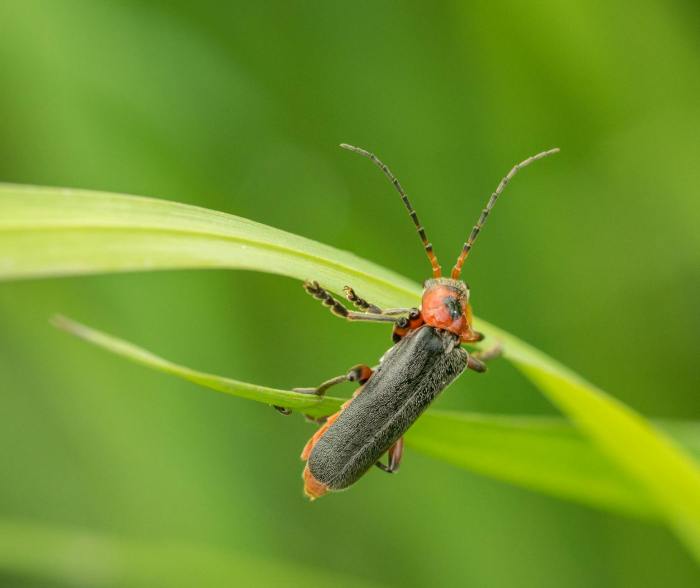
Fireflies in the dark forest night glow
Why do they flicker with unearthly light? 
If I could tell you I would let you know

Where’d they go when the world was white with snow 
Did Winter miss their warm, engulfing light?  
Fireflies in the dark forest night glow 

Spring winds call them with their inviting blow
Do flowers push up to call them with might?
If I could tell you I would let you know

Lazy summer nights tell them where to go
Do their hearts burn with great envy or spite? 
Fireflies in the dark forest night glow 

They dance under the stars with their wee toes
When the leaves fall do they dance or do they fight?
If I could tell you I would let you know

They swim in the slippery white moonbow
Running with silvery, sparkly sprites
Fireflies in the dark forest night glow
If I could tell you I would let you know

(Currently Untitled)

The vast field where the wildflowers grow
Asters, goldenrod whisper with the wind
“…If I could tell you I would let you know”

The creek is low as it hums its solo
The long stalks of velvety clover bend
The vast field where the wildflowers crow

The sparrow sings, its white wingtips it shows
The dandelion sways, its seeds it sends
“…If I could tell you, I would let you know”

The lone oak, its branches spread, its leaves blow
The crickets sing a song that never ends
The vast field where the wildflowers flow

13 The creamy clouds drift across the sky, slow
14 The orange sunset and the horizon blend
15 “…If I could tell you, I’d let you know…”

16 Horses whinny, feeling free, letting go
17 Sweet silence and secrets they will not lend 
18 The vast field where wildflowers sow
19 “…If I could tell you, I’d let you know”

Guest Post: Editor’s Note by Justin Lonas

Here is a guest blog post on the writing and editing process from my husband. Reprinted from his Substack with obvious permission. This is why we like working together on projects 🙂


I’ve often said that I’m a better editor than I am a writer.

Whether that’s the whole truth or not is for others to judge, but what I know is this: both crafts bring me joy, but one comes much easier than the other. Writing for me is slow, tedious work.

This is likely because I’m always editing. I’m rejigging every thought before it finishes hitting the page. It’s a combination of tasks that layers poorly—both the writing and the editing going slower and being less effective together than they would be separately. Perfectionism is the enemy of creativity. This nervous habit seems worst in Microsoft Word, where the work “feels” finished from the baseline format, and every minor mistake is flagged with squiggles. Typing on a blog or social platform brings a bit more freedom, given the need for speed and hope for immediate engagement from readers. If I really want to get into a flow, I have to have a pen (Pilot G2 extra fine blue, thank you) and a legal pad.

When I edit others, though, my fingers fly through a document with surgical precision, correcting typos, smoothing syntax, tweaking word choices, shortening sentences, rearranging paragraphs, synthesizing ideas in comments, asking clarifying questions, etc. I’m a veritable machine of reader empathy.

At various points in my life, I’ve done this full-time (editing my student newspaper in college; operating a monthly print magazine; trying to get a digital monthly off the ground), and it’s always been part of my various jobs. For professional copy (marketing materials, blogs, newsletters, magazines, etc.) my skills and fervor for crafting the best possible finished work is usually a welcome—even unnoticed—part of the process.

When editing more personal projects, the process is a bit less welcome. It’s one thing to tell yourself to “kill your darlings” altruistically, and quite another to have someone else do it with dispassionate deftness. Part of this is no doubt due to the fact that most of us don’t ever give our work to a good editor until we submit it for publication, and the process of getting feedback after acceptance can be jarring. Someone who hasn’t been in conversation with you about your idea, someone you don’t know well, is coming for your hard-won creation.

Editing as Collaborative Creation
But this is precisely where editing is most beneficial. It’s difficult to do this part remotely, or in a mere exchange of documents. You have to get your hands dirty, so to speak, till the soil of relational capital to grow something together with a writer that neither of you would have come up with independently.

This is part of what Elliot Ritzema has called “editing as fellow-feeling,” helping someone sound more like themselves and saying what they really mean to say and coming to a place of sympathy with them. But it goes deeper. Good editing isn’t merely an essential part of refining an author’s ideas and voice, but a process of mutual discovery of the “thing” under the words written. It’s a dialogue to add necessary context and trim down any details that will get in the way of communing with readers on that elusive shared wavelength of recognition.

This cultivation of a work is also part of what a good writers’ collective or workshop group should do—carefully inviting others into the process of bringing something closer to completion. A group that’s built trust and collective knowledge of each other doesn’t take submitted material as the end of something, but only the beginning, calling forth more of someone’s essence than they initially put forward.

Sometimes, the one-on-one of editing gets a little more nosy, though, pressing into the unfinished corners of thought with ruthless curiosity. It can get a bit messy before it gets better.

Case in point: as we’ve slowly moved out of the never-ending demands of the little-kid phase of parenting (our youngest is finishing kindergarten), both my wife and I have spent a lot more time writing. We also edit each other’s work, somehow managing to be both each other’s biggest fan and firmest critic in a growing symbiotic “cottage industry” of putting words into the world.

Neither of us really enjoys the first go-round of edits—holding on to concepts and words a bit like a dog guarding a bone. Eventually there’s always a turn, a pivot toward reciprocal creation once we both begin to see what could be, that pushes something through to the finish.

When I say I’m a better editor than writer, this is what I mean. I find it so much easier to create from something that’s there, and with someone who is delighted through the making. It’s true that you can’t edit a blank page, but I sometimes can’t even begin to do my best writing until I’m on someone else’s page. Helping another writer discover their best work within the ideas they’re chipping away at energizes me and usually overflows into remembering how to do my own work better.

At its finest, good editing sparks a virtuous cycle, bringing life to words and to the world. Anything worth making is worth making together.