Group Activity: Writing a Villanelle

With having our largest group ever this year (12 students), we have had to get creative about how we do certain activities. This often means breaking up into smaller groups, but having another tutor there every week makes this possible! Recently, we took two weeks to write a specific kind of poem called a villanelle.

(^ Above image from: https://elliefleurjohnson.com/2017/12/04/understanding-the-villanelle-form/)

I chose this activity because I had just been to my own local writer’s group where we wrote a villanelle collaboratively (thanks, Olivia!) and I thought this might be an interesting opportunity to do the same thing with my students.

I read them some famous villanelles and then took a line to incorporate from this one by poet W.H. Auden
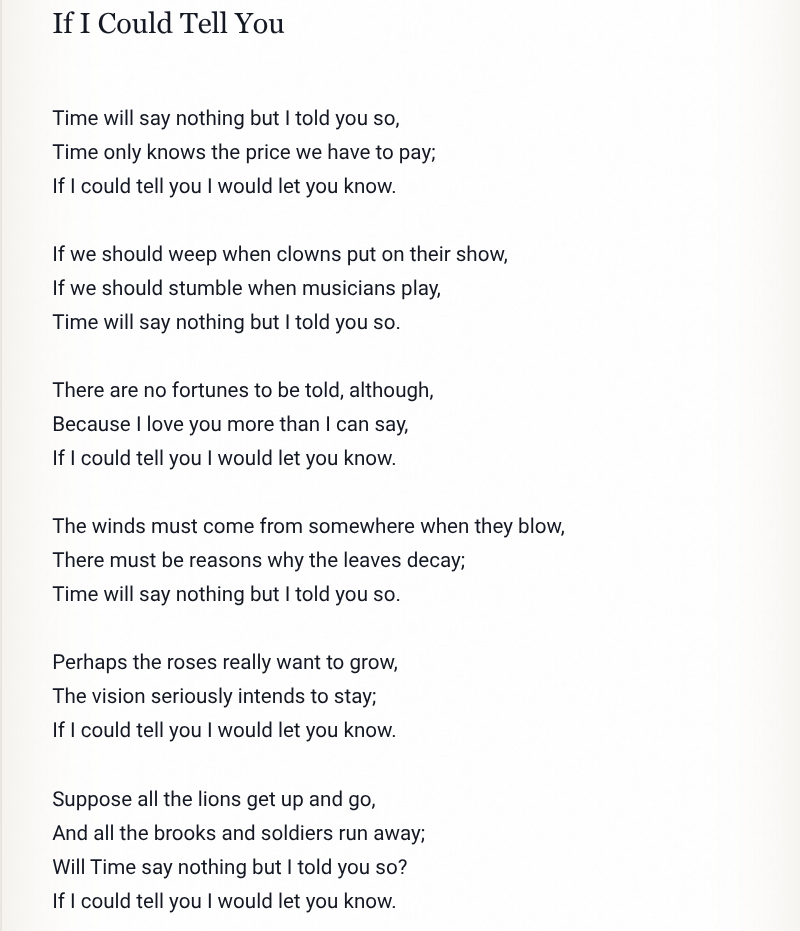

Each group brainstormed some ideas that would lend to strong imagery and then shared lots of laughter around figuring out rhymes that fit within it. Someone would spit out a line and their group would accept, reject, or rework it until it seemed like it belonged. For middle schoolers, this collaborative effort took a lot of time and patience and was frustrating at times, but it was also so much fun watching us frantically count on our fingers to make sure we had 10 syllables for each line! I love that both poems turned out to be nature related — fireflies and fields.

As leaders, my tutor, Ashley, and I mainly facilitated the students’ ideas, not trying to steer anything in a direction or shoehorn something in, but rather learning with them as a part of the creative process. Here are the results:

Perspectives of Fireflies

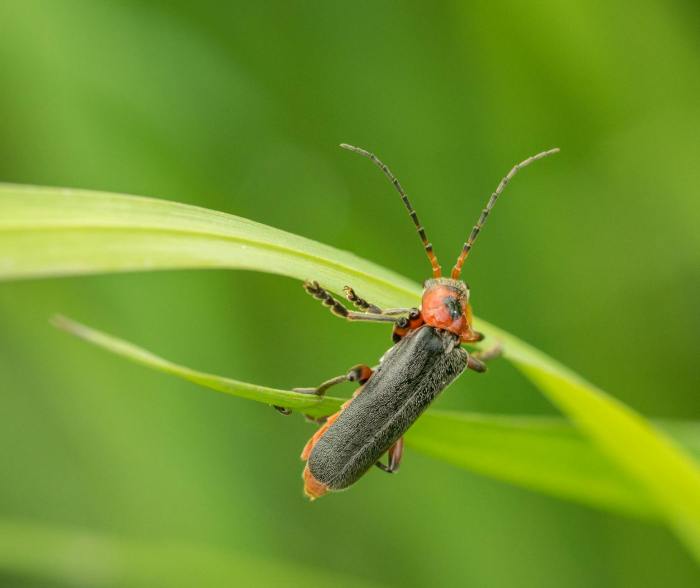
Fireflies in the dark forest night glow
Why do they flicker with unearthly light? 
If I could tell you I would let you know

Where’d they go when the world was white with snow 
Did Winter miss their warm, engulfing light?  
Fireflies in the dark forest night glow 

Spring winds call them with their inviting blow
Do flowers push up to call them with might?
If I could tell you I would let you know

Lazy summer nights tell them where to go
Do their hearts burn with great envy or spite? 
Fireflies in the dark forest night glow 

They dance under the stars with their wee toes
When the leaves fall do they dance or do they fight?
If I could tell you I would let you know

They swim in the slippery white moonbow
Running with silvery, sparkly sprites
Fireflies in the dark forest night glow
If I could tell you I would let you know

(Currently Untitled)

The vast field where the wildflowers grow
Asters, goldenrod whisper with the wind
“…If I could tell you I would let you know”

The creek is low as it hums its solo
The long stalks of velvety clover bend
The vast field where the wildflowers crow

The sparrow sings, its white wingtips it shows
The dandelion sways, its seeds it sends
“…If I could tell you, I would let you know”

The lone oak, its branches spread, its leaves blow
The crickets sing a song that never ends
The vast field where the wildflowers flow

13 The creamy clouds drift across the sky, slow
14 The orange sunset and the horizon blend
15 “…If I could tell you, I’d let you know…”

16 Horses whinny, feeling free, letting go
17 Sweet silence and secrets they will not lend 
18 The vast field where wildflowers sow
19 “…If I could tell you, I’d let you know”

What Sarah Said (and Other Recent Inspirations)

Recently, I went to our monthly local writer’s group and brought in some poems that I had written. These poems I had penned as a model for my students, since I had asked them to write from the very same prompts. I tend to be an over-thinker, so the practice of writing under a deadline and letting the results be what they are is good for me.

As usual, the people gave incredible feedback, mainly that poetry needs less words — take out the unessential. We distilled our mantra down to “Chuck all the words!” as we laughed at all the things that could get gone from my poems. With every comment, I felt so lucky to be a co-learner alongside poets, bloggers, novelists, professors, marketing writers, and others who would claim no other label other than they love writing. Peer review can and should exist beyond Composition 101.

The first poem I shared was based on an essay collection by the poet, Ross Gay, I had been listening to in the car. I imagined I was Gay as he cared for his dad in the ICU and all the tenderness was spilled on the page. The administrator of our group leaned over to me and whispered, “Were you thinking about ‘What Sarah Said’ by Death Cab for Cutie when you wrote this?” My poem had images of a heart monitor, being terrified of your own feelings, hospital hallways and harsh family memories. I told her I was not channeling that song consciously, but I knew it well. After the group left, I went back home and played the song on Spotify; it hit so fresh. Listen to some of the lyrics:

As each descending peak
On the LCD
Took you a little farther away from me
Away from me

Amongst the vending machines
And year old magazines
In a place where we only say goodbye

It stung like a violent wind
That our memories depend
On a faulty camera in our minds

And I knew that you were truth
I would rather lose
Than to have never lain beside at all

And I looked around
At all the eyes on the ground
As the TV entertained itself

‘Cause there’s no comfort in the waiting room
Just nervous paces bracing for bad news

After re-reading those words from a song I had heard a million times in the last 20 years, I was humbled to even be considered near the lead singer, Ben Gibbard, in terms of writing. Just look at all the specificity and irony in this hospital scene he paints! I may have been thinking about what Ross Gay described, but this song must have been rattling around in my psyche somewhere. I suppose it’s really no wonder that Plans by Death Cab for Cutie is one of my favorite albums of the 2000’s. Every song is an absolute vibe, a calm emo kid’s delight, full of heartrending tones and quiet desperation. Gibbard wrote lots of songs in response to hard things he had seen or experienced in relationships. I am always telling my students that writing in direct response to something is where some of the most profound art work exists.

So I listened to Plans some more this weekend as I write this blog post and as I look back over my writing for more words to chuck.

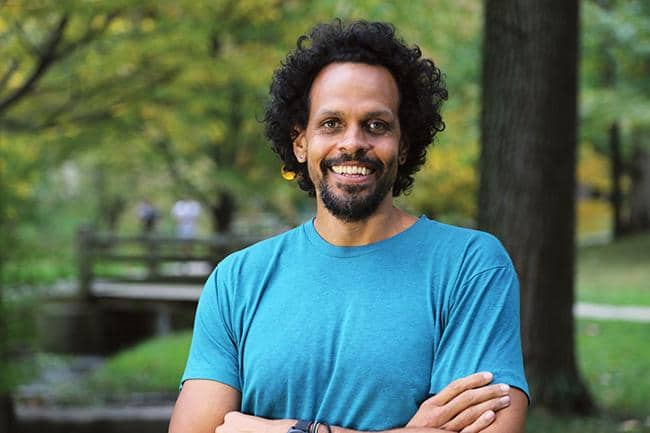
Ross Gay out here being a great poet

Guest Post: Editor’s Note by Justin Lonas

Here is a guest blog post on the writing and editing process from my husband. Reprinted from his Substack with obvious permission. This is why we like working together on projects 🙂


I’ve often said that I’m a better editor than I am a writer.

Whether that’s the whole truth or not is for others to judge, but what I know is this: both crafts bring me joy, but one comes much easier than the other. Writing for me is slow, tedious work.

This is likely because I’m always editing. I’m rejigging every thought before it finishes hitting the page. It’s a combination of tasks that layers poorly—both the writing and the editing going slower and being less effective together than they would be separately. Perfectionism is the enemy of creativity. This nervous habit seems worst in Microsoft Word, where the work “feels” finished from the baseline format, and every minor mistake is flagged with squiggles. Typing on a blog or social platform brings a bit more freedom, given the need for speed and hope for immediate engagement from readers. If I really want to get into a flow, I have to have a pen (Pilot G2 extra fine blue, thank you) and a legal pad.

When I edit others, though, my fingers fly through a document with surgical precision, correcting typos, smoothing syntax, tweaking word choices, shortening sentences, rearranging paragraphs, synthesizing ideas in comments, asking clarifying questions, etc. I’m a veritable machine of reader empathy.

At various points in my life, I’ve done this full-time (editing my student newspaper in college; operating a monthly print magazine; trying to get a digital monthly off the ground), and it’s always been part of my various jobs. For professional copy (marketing materials, blogs, newsletters, magazines, etc.) my skills and fervor for crafting the best possible finished work is usually a welcome—even unnoticed—part of the process.

When editing more personal projects, the process is a bit less welcome. It’s one thing to tell yourself to “kill your darlings” altruistically, and quite another to have someone else do it with dispassionate deftness. Part of this is no doubt due to the fact that most of us don’t ever give our work to a good editor until we submit it for publication, and the process of getting feedback after acceptance can be jarring. Someone who hasn’t been in conversation with you about your idea, someone you don’t know well, is coming for your hard-won creation.

Editing as Collaborative Creation
But this is precisely where editing is most beneficial. It’s difficult to do this part remotely, or in a mere exchange of documents. You have to get your hands dirty, so to speak, till the soil of relational capital to grow something together with a writer that neither of you would have come up with independently.

This is part of what Elliot Ritzema has called “editing as fellow-feeling,” helping someone sound more like themselves and saying what they really mean to say and coming to a place of sympathy with them. But it goes deeper. Good editing isn’t merely an essential part of refining an author’s ideas and voice, but a process of mutual discovery of the “thing” under the words written. It’s a dialogue to add necessary context and trim down any details that will get in the way of communing with readers on that elusive shared wavelength of recognition.

This cultivation of a work is also part of what a good writers’ collective or workshop group should do—carefully inviting others into the process of bringing something closer to completion. A group that’s built trust and collective knowledge of each other doesn’t take submitted material as the end of something, but only the beginning, calling forth more of someone’s essence than they initially put forward.

Sometimes, the one-on-one of editing gets a little more nosy, though, pressing into the unfinished corners of thought with ruthless curiosity. It can get a bit messy before it gets better.

Case in point: as we’ve slowly moved out of the never-ending demands of the little-kid phase of parenting (our youngest is finishing kindergarten), both my wife and I have spent a lot more time writing. We also edit each other’s work, somehow managing to be both each other’s biggest fan and firmest critic in a growing symbiotic “cottage industry” of putting words into the world.

Neither of us really enjoys the first go-round of edits—holding on to concepts and words a bit like a dog guarding a bone. Eventually there’s always a turn, a pivot toward reciprocal creation once we both begin to see what could be, that pushes something through to the finish.

When I say I’m a better editor than writer, this is what I mean. I find it so much easier to create from something that’s there, and with someone who is delighted through the making. It’s true that you can’t edit a blank page, but I sometimes can’t even begin to do my best writing until I’m on someone else’s page. Helping another writer discover their best work within the ideas they’re chipping away at energizes me and usually overflows into remembering how to do my own work better.

At its finest, good editing sparks a virtuous cycle, bringing life to words and to the world. Anything worth making is worth making together.

HopeWords Conference 2024

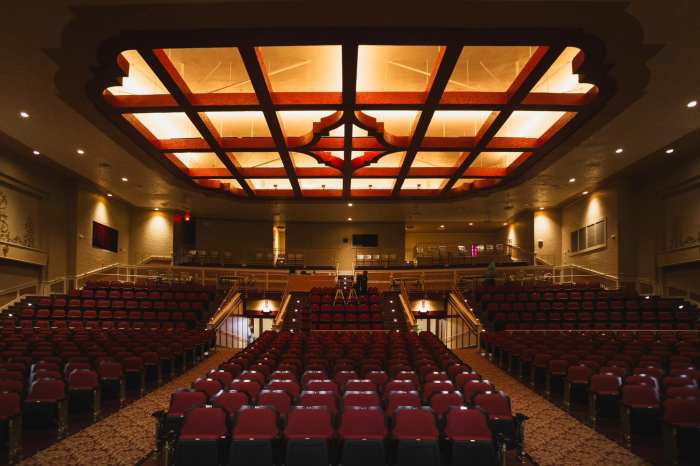
When you own your own tutoring business, you have to research and pay for professional development for yourself. HopeWords has been a writing conference that is an easy place to say yes to every year. It’s located in the beautiful state of West Virginia which is actually a reasonable driving distance from us in Chattanooga, Tennessee. All the speakers sit out among the audience and eat at the same tiny restaurants as everyone else. Everyone just chats like it’s the most normal thing to do with strangers who write from all over the U.S.

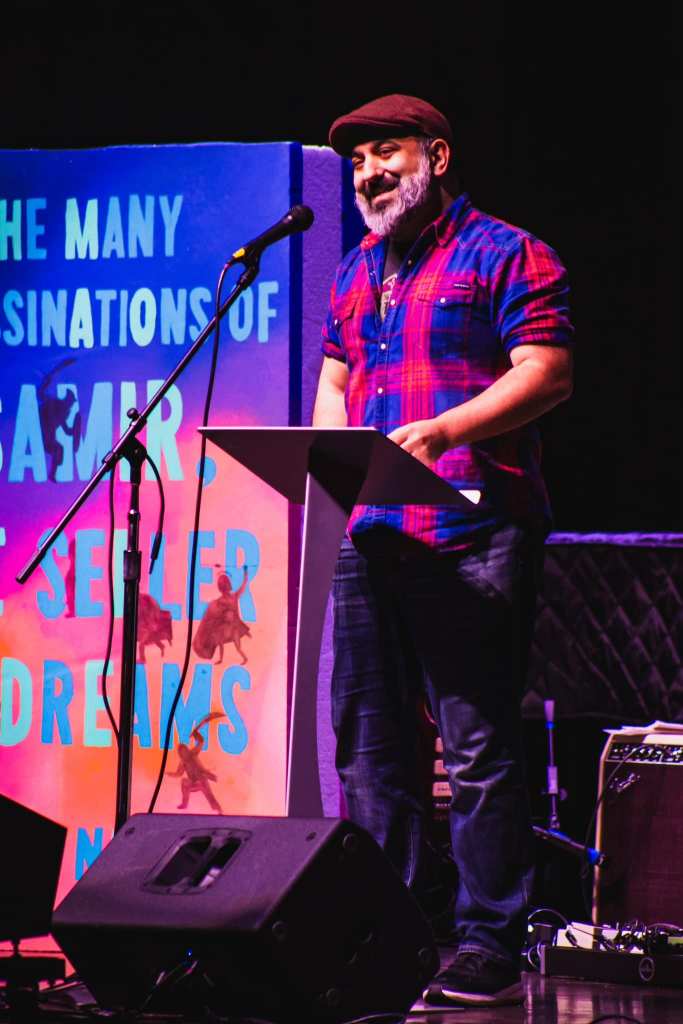
This is my third year and I want to emphasize that one of the blessings of HopeWords is that they are making space for all ages at the conference. My oldest daughter, age 14, came this year and last year and Travis (the host), the other attendees, and the authors have welcomed, embraced, and challenged her. In her everyday life she is used to people mispronouncing and misspelling her biblical name. Many of the conference attendees when they met her said, “What a beautiful name” because they understood its biblical significance. Daniel Nayeri, the keynote speaker, signed her book and when I said offhandedly that she has 3 other sisters with Bible place names he said enthusiastically, “Ooh. Tell me all of them!” as we proceeded to have a short and lively conversation. The next day when he came in the restaurant where we were eating he boisterously (and so jolly-like!), pointed at all of us saying he knew us and we just laughed and waved right back at him going back to our conversation, like it was not odd to give a friendly wave to a Newbery award winner at dinner.

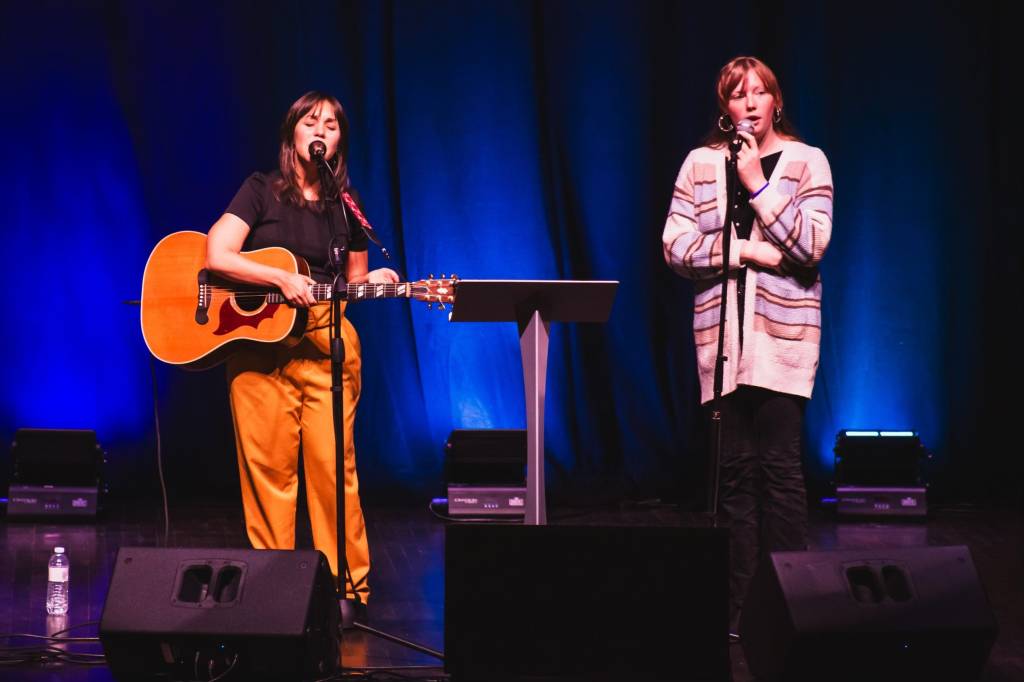
Our college friend, Amanda Opelt, sings and writes and was invited to welcome guests back into the afternoon sessions with her guitar. She asked our daughter a week before the conference if she would be willing to sing the high harmony with her on an Appalachian tune covered by the Wailin’ Jennys. When our daughter joined her on stage she introduced her as her friend, not my “college friends’ daughter” but a young woman worthy of her identity and relationship in her own right. Amanda even paid for appetizers at the local restaurant saying she owed her a portion of her honorarium.

Photographs by Cheryl Eichman

At the “after party” on Saturday we sat at a table with the men responsible for a lot of the revitalization projects going on in Bluefield, West Virginia. We had a riveting discussion on community development practices for 30 minutes. The undertone was about not giving up hope in hard places. My daughter said later it was a fascinating conversation and not at all what she thought we’d end up talking about with so many writers around!

It’s the little things like that that remind me why HopeWords is special. There is a deep respect for children and young adults within this Christian community of writers and community movers and shakers. The attendees treated my daughter like an adult. The speakers did the same in their speeches and in how they are truly the same humble people on and off the stage. Anyone involved with HopeWords welcomes and invites all into a life of writing, creativity, community, and curiosity. As an educator, I cannot think of a better mission for a conference.

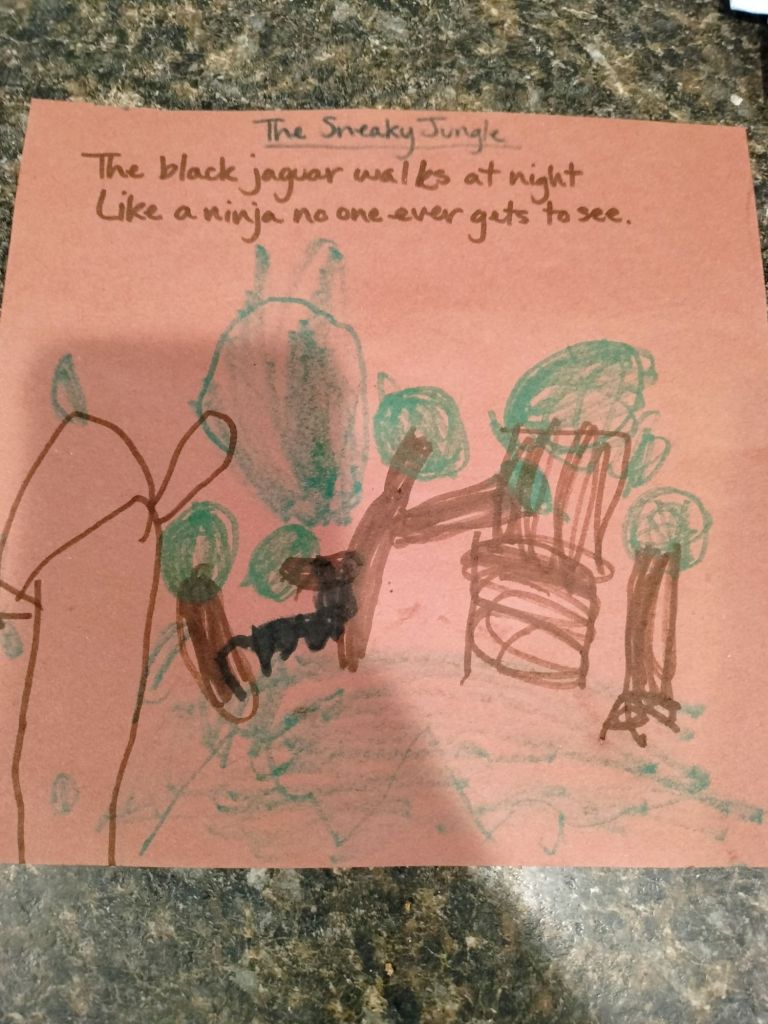
This year I noticed there were many more young people than had come in the past and I hope the number of teens keeps rising as this conference continues to flourish. Our youngest daughter is in Kindergarten and she says she has “poem words” in her mind. She illustrates stories about pirates, animals, and princesses constantly. Maybe some day she will want to come, too?


Until next year,

Rachel

The Editing Process

I was recently given an advanced copy reader by a college friend whose book is coming out in July. I was so moved by her words that I wrote a book review to hopefully help it get some early press. I spent several hours over several days typing up an opening story and deciding on the section headers and how to flesh them out. I edited it multiple times and thought, “This is long, but it’s pretty good after all the effort I put in!”

And then I let my husband edit it.

Comments and edits galore in the margins. At one point my hand got tired of clicking all the accept changes. In full disclosure, editing is part of what he does for a living, so I know anything I give him is in capable hands. However, it’s still hard to “watch the sausage being made” as the saying goes. I want to believe that I can dash off something amazing with no help — my ideas are pure and unadulterated. But if I buy into that kind of idealism, it only hurts my work, not helps it. My tunnel vision can end up squandering my gift, not nurturing it.

Per his advice, I went back and worked on it some more. He promised to look at it again before I submitted it to a publication. If it gets accepted it, there will be minimum of one more set of eyes to shred it again.

After my husband told me he was finished, I asked him if he thought the place I wanted to send my work to would shave my work down substantially. I reminded him that he had submitted a book review there that was 1900 words and they chopped it to 1400. He said it depends on what the publication is going for, but that he actually appreciated the edits he received because nothing the editor did took away from the big picture. Even editors liked being edited well!

To be a better writer you have to be vulnerable and acknowledge that your idea might need help. When you think you’ve done your best work, there will always be someone out there to suggest an opportunity for more word color or to say, “I see where you’re going, but this train of thought doesn’t fit.” If you’re always defensive about a comment or think that your words are right up there with Shakespeare on the first draft, you’re in for a harsh reality check. Consider the editing process a collaborative effort, not a competitive one. You’re all on the same team with the same goal– making your work shine for maximum impact. Having your words filtered through multiple lens (of which include might include people of a different race, gender, geographic location, etc.) before your piece gets sent out into the world can be a blessing not a curse*.

*A slight caveat. I have had a friend say that she worked on a piece for over a year and she shopped her work around. Some places rejected it, some said it needed tweaks, and finally one publication took it as is. She chose that publication for that particular piece. There were other pieces where she received some feedback and gave both pushback and acceptance of their edits. Ultimately, you have the choice to negotiate (or not!) whether the other person looking at your work is catching your vision and voice. On the whole though, most editors have had enough experience to craft and not wound.