Group Activity: Writing a Villanelle

With having our largest group ever this year (12 students), we have had to get creative about how we do certain activities. This often means breaking up into smaller groups, but having another tutor there every week makes this possible! Recently, we took two weeks to write a specific kind of poem called a villanelle.

(^ Above image from: https://elliefleurjohnson.com/2017/12/04/understanding-the-villanelle-form/)

I chose this activity because I had just been to my own local writer’s group where we wrote a villanelle collaboratively (thanks, Olivia!) and I thought this might be an interesting opportunity to do the same thing with my students.

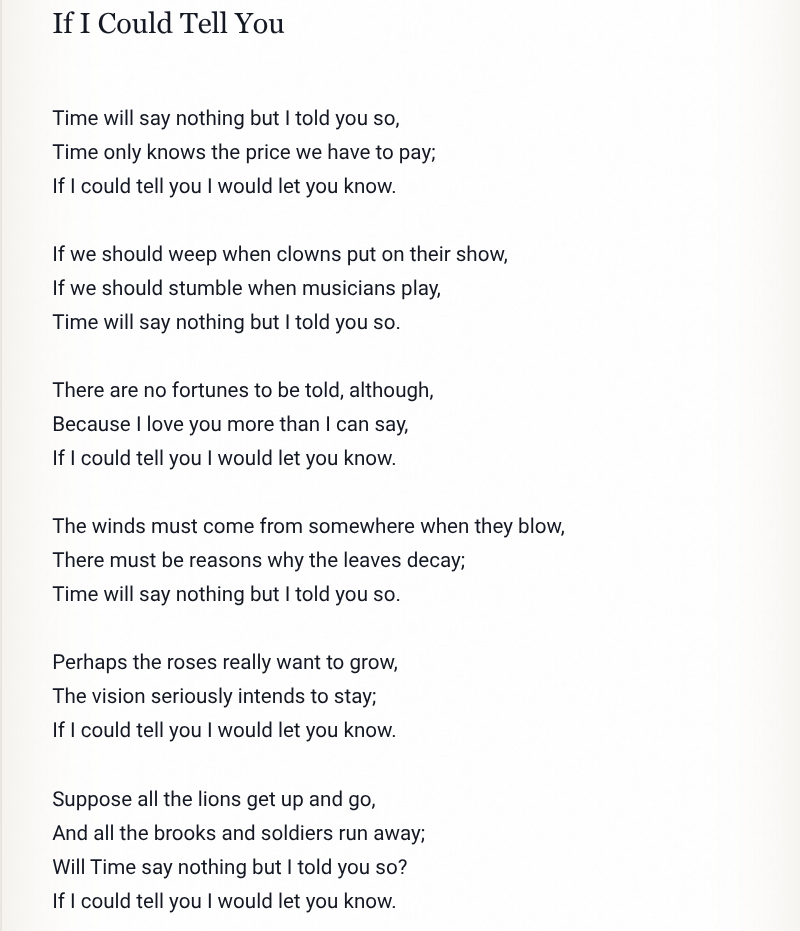
I read them some famous villanelles and then took a line to incorporate from this one by poet W.H. Auden

Each group brainstormed some ideas that would lend to strong imagery and then shared lots of laughter around figuring out rhymes that fit within it. Someone would spit out a line and their group would accept, reject, or rework it until it seemed like it belonged. For middle schoolers, this collaborative effort took a lot of time and patience and was frustrating at times, but it was also so much fun watching us frantically count on our fingers to make sure we had 10 syllables for each line! I love that both poems turned out to be nature related — fireflies and fields.

As leaders, my tutor, Ashley, and I mainly facilitated the students’ ideas, not trying to steer anything in a direction or shoehorn something in, but rather learning with them as a part of the creative process. Here are the results:

Perspectives of Fireflies

Fireflies in the dark forest night glow
Why do they flicker with unearthly light? 
If I could tell you I would let you know

Where’d they go when the world was white with snow 
Did Winter miss their warm, engulfing light?  
Fireflies in the dark forest night glow 

Spring winds call them with their inviting blow
Do flowers push up to call them with might?
If I could tell you I would let you know

Lazy summer nights tell them where to go
Do their hearts burn with great envy or spite? 
Fireflies in the dark forest night glow 

They dance under the stars with their wee toes
When the leaves fall do they dance or do they fight?
If I could tell you I would let you know

They swim in the slippery white moonbow
Running with silvery, sparkly sprites
Fireflies in the dark forest night glow
If I could tell you I would let you know

(Currently Untitled)

The vast field where the wildflowers grow
Asters, goldenrod whisper with the wind
“…If I could tell you I would let you know”

The creek is low as it hums its solo
The long stalks of velvety clover bend
The vast field where the wildflowers crow

The sparrow sings, its white wingtips it shows
The dandelion sways, its seeds it sends
“…If I could tell you, I would let you know”

The lone oak, its branches spread, its leaves blow
The crickets sing a song that never ends
The vast field where the wildflowers flow

13 The creamy clouds drift across the sky, slow
14 The orange sunset and the horizon blend
15 “…If I could tell you, I’d let you know…”

16 Horses whinny, feeling free, letting go
17 Sweet silence and secrets they will not lend 
18 The vast field where wildflowers sow
19 “…If I could tell you, I’d let you know”
HopeWords Conference 2024

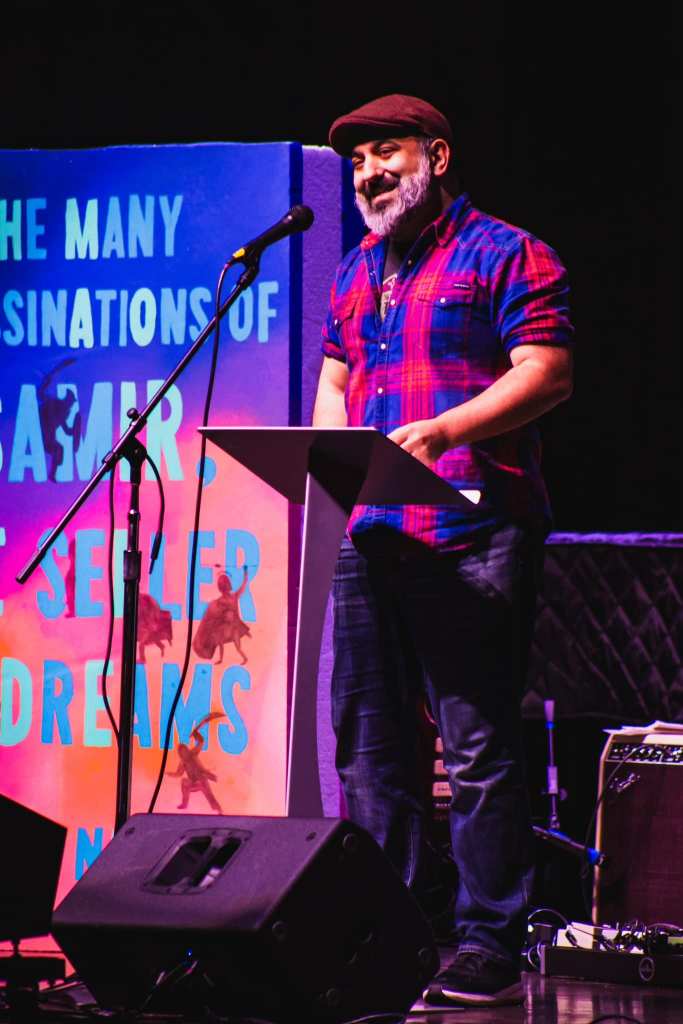
When you own your own tutoring business, you have to research and pay for professional development for yourself. HopeWords has been a writing conference that is an easy place to say yes to every year. It’s located in the beautiful state of West Virginia which is actually a reasonable driving distance from us in Chattanooga, Tennessee. All the speakers sit out among the audience and eat at the same tiny restaurants as everyone else. Everyone just chats like it’s the most normal thing to do with strangers who write from all over the U.S.

This is my third year and I want to emphasize that one of the blessings of HopeWords is that they are making space for all ages at the conference. My oldest daughter, age 14, came this year and last year and Travis (the host), the other attendees, and the authors have welcomed, embraced, and challenged her. In her everyday life she is used to people mispronouncing and misspelling her biblical name. Many of the conference attendees when they met her said, “What a beautiful name” because they understood its biblical significance. Daniel Nayeri, the keynote speaker, signed her book and when I said offhandedly that she has 3 other sisters with Bible place names he said enthusiastically, “Ooh. Tell me all of them!” as we proceeded to have a short and lively conversation. The next day when he came in the restaurant where we were eating he boisterously (and so jolly-like!), pointed at all of us saying he knew us and we just laughed and waved right back at him going back to our conversation, like it was not odd to give a friendly wave to a Newbery award winner at dinner.

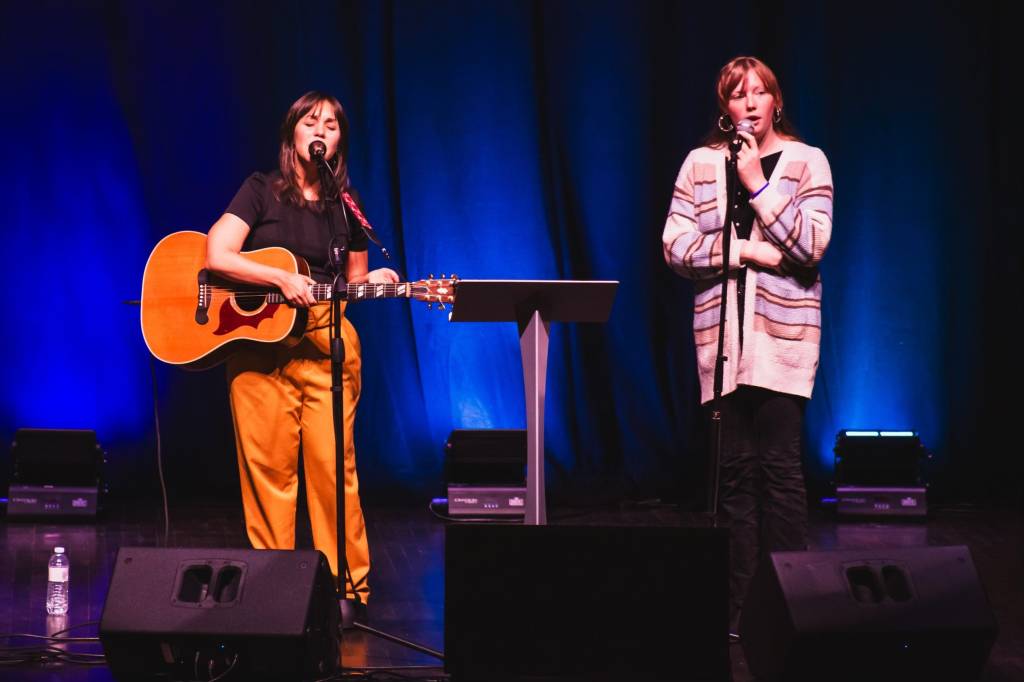
Our college friend, Amanda Opelt, sings and writes and was invited to welcome guests back into the afternoon sessions with her guitar. She asked our daughter a week before the conference if she would be willing to sing the high harmony with her on an Appalachian tune covered by the Wailin’ Jennys. When our daughter joined her on stage she introduced her as her friend, not my “college friends’ daughter” but a young woman worthy of her identity and relationship in her own right. Amanda even paid for appetizers at the local restaurant saying she owed her a portion of her honorarium.

Photographs by Cheryl Eichman

At the “after party” on Saturday we sat at a table with the men responsible for a lot of the revitalization projects going on in Bluefield, West Virginia. We had a riveting discussion on community development practices for 30 minutes. The undertone was about not giving up hope in hard places. My daughter said later it was a fascinating conversation and not at all what she thought we’d end up talking about with so many writers around!

It’s the little things like that that remind me why HopeWords is special. There is a deep respect for children and young adults within this Christian community of writers and community movers and shakers. The attendees treated my daughter like an adult. The speakers did the same in their speeches and in how they are truly the same humble people on and off the stage. Anyone involved with HopeWords welcomes and invites all into a life of writing, creativity, community, and curiosity. As an educator, I cannot think of a better mission for a conference.

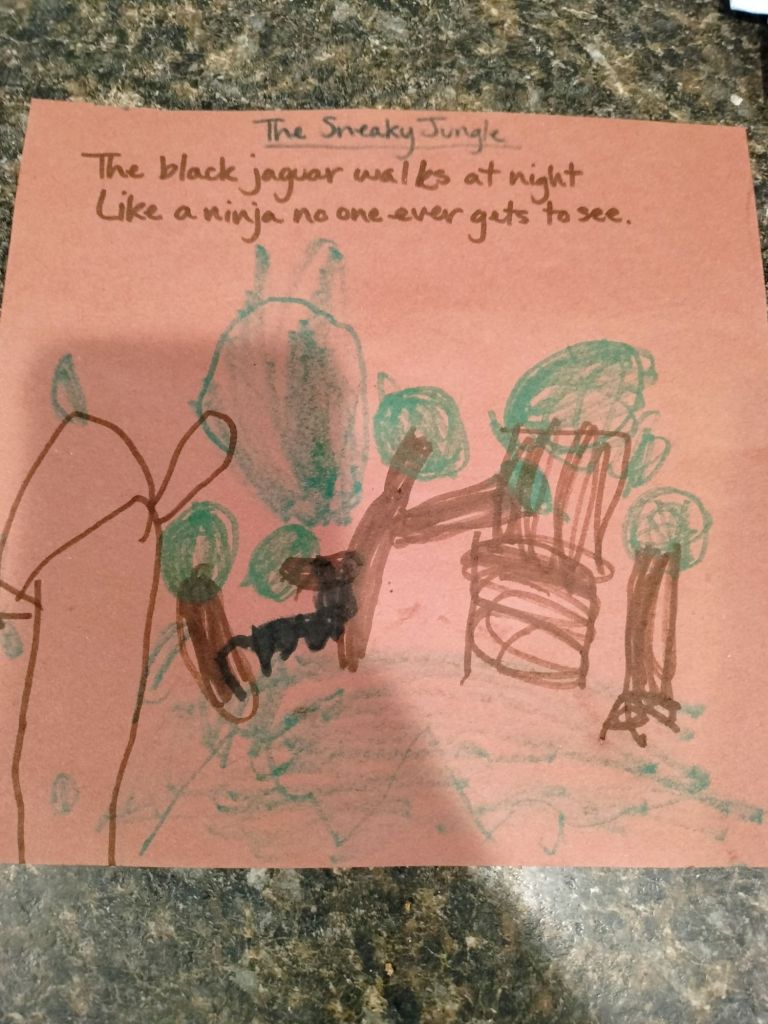
This year I noticed there were many more young people than had come in the past and I hope the number of teens keeps rising as this conference continues to flourish. Our youngest daughter is in Kindergarten and she says she has “poem words” in her mind. She illustrates stories about pirates, animals, and princesses constantly. Maybe some day she will want to come, too?


Until next year,

Rachel

Come to the Potluck!

Photo by Kaboompics .com on Pexels.com

An opportunity presented itself this fall at our church. We have been looking for practical ways to engage our community and after much discussion, being able to teach financial literacy to low-income participants made the most sense. I signed on to be the facilitator for the group which means I will help everyone engage the content every week. Each participant in the program will have an “ally” who comes alongside them as new concepts are shared and practiced. Everything about this program is based in best educational practices which affirm the dignity and worth of everyone in the room, so I love this program on a number of levels:

– Teaches basic money management skills, not just focusing solely on wealth accumulation
– Focuses on interdependence — allies, participants, and facilitators are are on equal ground (i.e. no hierarchy — everyone has something to bring to the “potluck”)
– Explains that people’s life outcomes are not just the sum of their choices and that broken systems do exist
– Dialogue and movement based education, not lecture style
– Encourages fellowship around a meal as often as is possible

Now, as a disclaimer, my husband works for the organization that runs this program, so I have been hearing about all of these principles for years. Not surprisingly, this training confirmed something I know very well about myself — it’s so easy for me to load up on book knowledge and have ZERO experiential knowledge. When I hear from the other people in my training cohort, many of whom work with consistently work alongside clients who can benefit from this, I realize I am handicapped by knowing all the “right answers”, but have never seen this program played out before in real life. In many ways, they and their clients have a greater understanding of this content than I do because they have felt it in their bones; the ups and downs of difficult financial circumstances live in their bodies. Meanwhile, I have a heart to serve, but am often stuck in my head with a financial safety net.

Honestly, I am excited to learn from the participants because I know too many people who are quick to invalidate experiential knowledge as a legitimate way of knowing things. If it didn’t happen to them or someone close to them it doesn’t count. What deeper understandings do we miss when we don’t listen to peoples’ stories? Can we acknowledge that we’re all broken and gifted in different ways and one kind of brokenness or giftedness is not superior to another?

My training to become a facilitator reminds me that one of my goals for Maple Key is to always have learning from one another in the forefront as a means of grace and understanding in all the activities we pursue.