
Subscribe to continue reading
Subscribe to get access to the rest of this post and other subscriber-only content.
where the humanities and sciences converse
Subscribe to get access to the rest of this post and other subscriber-only content.
In certain educational circles you might hear about the classroom environment being the “3rd teacher” (the other two being adults and other children). It’s a concept that is only more recently being recovered in the classrooms accustomed to tidy front-facing desks and bright motivational posters instead of a more curious place for discovery of both self and others.
Obviously for Maple Key, the farm is doing a lot of work as the third teacher — the year round blooms (yes, we even see camellias in January!), the various animals, the winding creek, the structures like the various barns and MiMi’s house. Those things influence our art, our sense of belonging and stewardship, regional connections. But as we all know, life has many classrooms beyond just the ones we are required or choose to attend. That got me thinking about our first classrooms — our homes. What things do we absorb from those places? I zeroed in my thoughts and remembered a part of my home environment was compost.

My mom didn’t always have a compost tumbler (they weren’t as prolific as they are now), but certainly for the last 20 years. We were a thoroughly suburban family, but my guess is that she got that habit from her mom and dad whose families grew up on or around a lot of farm land in Dickson, TN. In the early 90’s my grandparents had a farmhouse built for them with a beautiful wrap around porch. They would have acres to grow things, my grandfather could ride his tractor around and they were set to enjoy their retirement years among friends and family. Unfortunately, Alzheimer’s had other plans for them as my grandfather was diagnosed with the debilitating disease only a few years into their wonderful rest. They had to make the difficult decision to sell their home and move to Soddy-Daisy to be closer to us, my aunt, and the nursing home facilities he would eventually need.
They moved to a ranch style home in a brand new subdivision and my grandmother wasted no time in carving out some little beds in their tiny yard for her zinnias, beans, cucumbers, and squash. It was such a small plot compared to what they had envisioned flourishing in Dickson, but my grandmother did it faithfully and we snapped beans on her screened in porch each year for her to can and put away.
As for our family, we had been settled in Chattanooga after bouncing around in Texas for a few years for my dad’s job, and my mom got into gardening, mainly daffodills and irises. Somewhere along the line she started saving her kitchen scraps which turned into compost tumblers which turned into feeding her beds rich, black compost for vegetable growing every year.
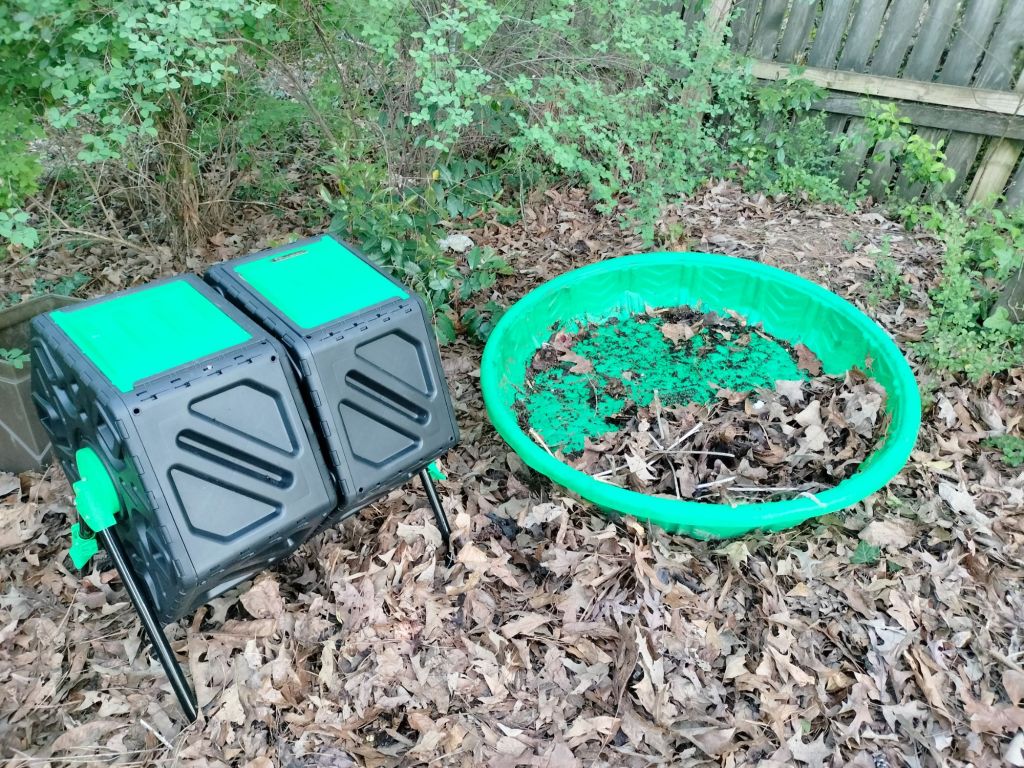
As my mom would tell you, I would always put my scraps in the red Folgers jug she kept under the sink, but never really took any interest in gardening until after I got married and had a house of my own. Thanks to a steel compost pail and compost hut gifted from my in-laws, somehow I started the habit just like my mom if for nothing else than to keep food waste out of the trash can. Now it’s just like second nature for everyone in our house to recycle and compost. It’s just a way of life on our shady quarter acre lot. This year I am hoping to increase our compost yield by having bought a tumbler of my own and being more diligent to spin it (which takes the place of turning it in the swimming pool we had used exclusively) and process more so I can experiment with what can grow decently in the shade after some failed attempts in years’ past.
I tell this story just to say that it’s amazing how much we absorb from our “3rd teachers”. Those places we call home truly do shape us even if we can’t see it until decades later. My mom and grandmother never pressured me to continue on in their gardening footsteps, but whether I realized it or not there was always something noticeably peaceful and rewarding for them in the act of gardening and composting. To them, why would you not invest in these simple acts of beauty and stewardship in your daily life? The environment they prepared for me, even in very suburban settings, helped prepare me to desire a space like the farm that I could learn from as I teach alongside it. It helped me catch a vision for how the library and community center I work for can practice interdependence through our community gardening.
Many of the girls in Maple Key are light years from where I was at at their age. Several compost and play in their own gardens or help their family plant things each year. They take me around their property before tutoring time and tell me stories about what grows where or what new plant they are trying out. They harvest basil for pesto and grow okra in the summer. They give me free plants. Of course some of them don’t garden but enjoy getting to indulge in it and work hard during our time on Tuesdays. They, like me, may never own a farm, but their many classrooms are teaching them valuable lessons on what it means to help something grow and tend it faithfully. This is a spiritual habit if there ever was one.

Have you ever stopped to consider what “environments” were your 3rd teachers? Particularly those things or spaces you perhaps unintentionally neglected but you can see with more clarity as you get older? I’d love to hear about it in the comments.
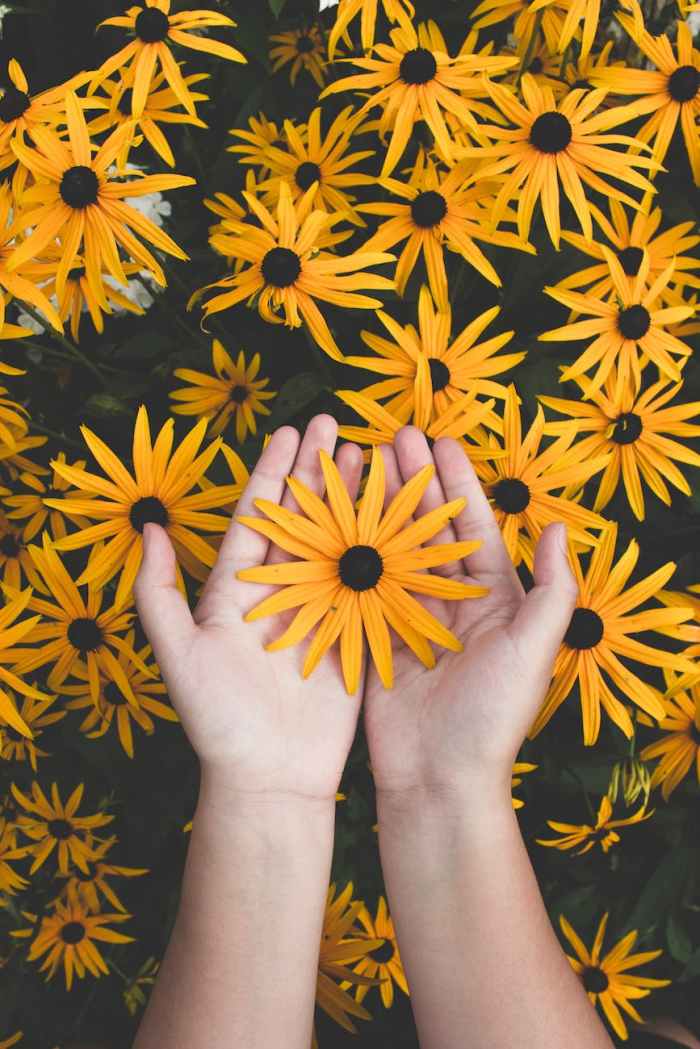
One of the books we read each year is called Turning of Days by Hannah Anderson. She has 7 short essays for each season. Her stories are very accessible because they are taken from everyday happenings on her property or in her community. In the very back of her book she has a “Field Guide” section where she discusses some skills to sharpen the reader’s connection to the outdoors. One thing she mentions is seasonal observation. When are things blooming? What’s going on when they bloom early or late or don’t bloom at all?
Our family regularly checks our front and backyard. We have a quarter acre lot, so while a limited area keeps the management of plants easy, it also means perennials can eat up that space. However, I love having plants that I can count on year after year*. My family and I can stroll by the beds and because we know where to look, we can know the plant names and watch the seasons unfold together year after year.
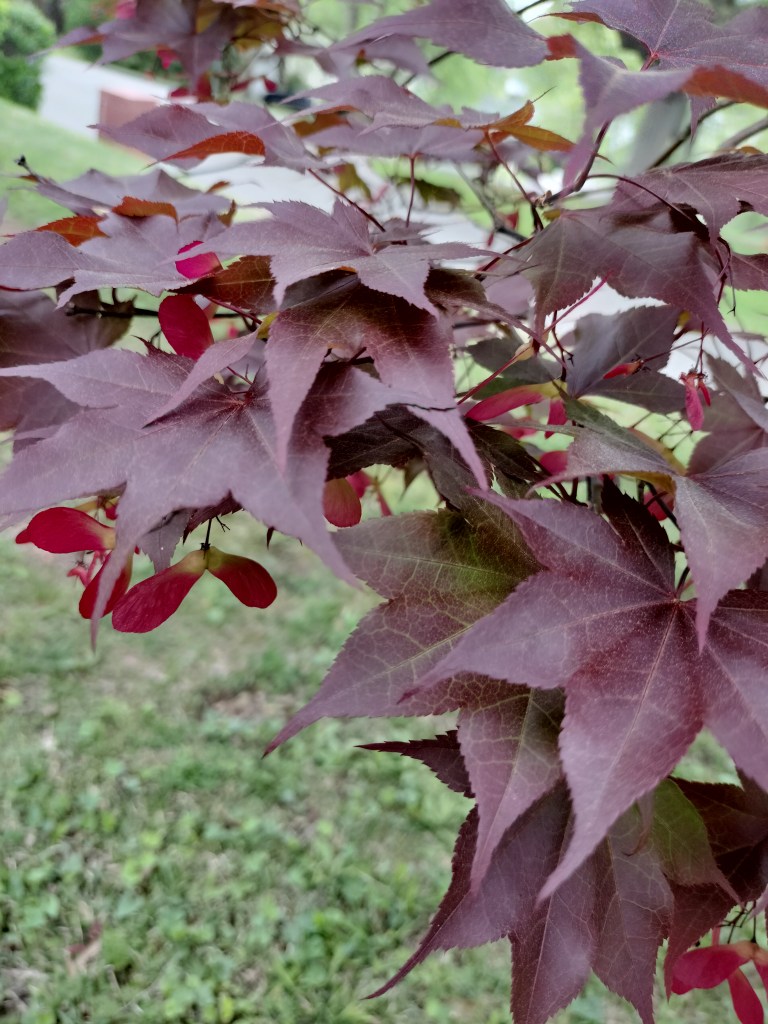
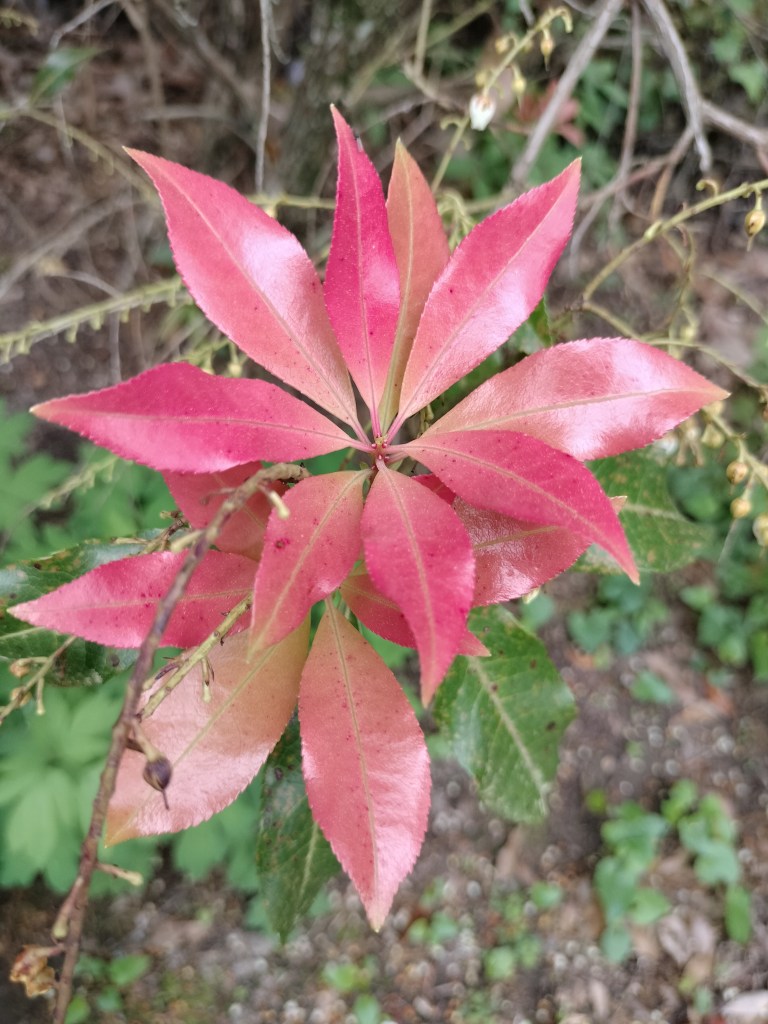
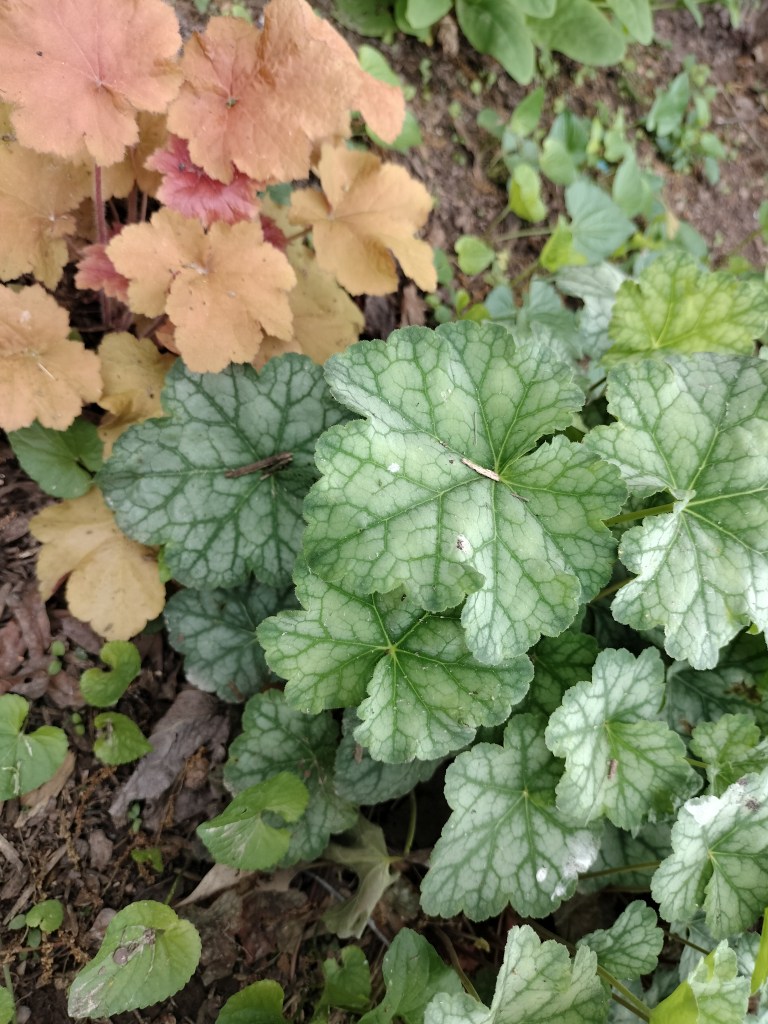
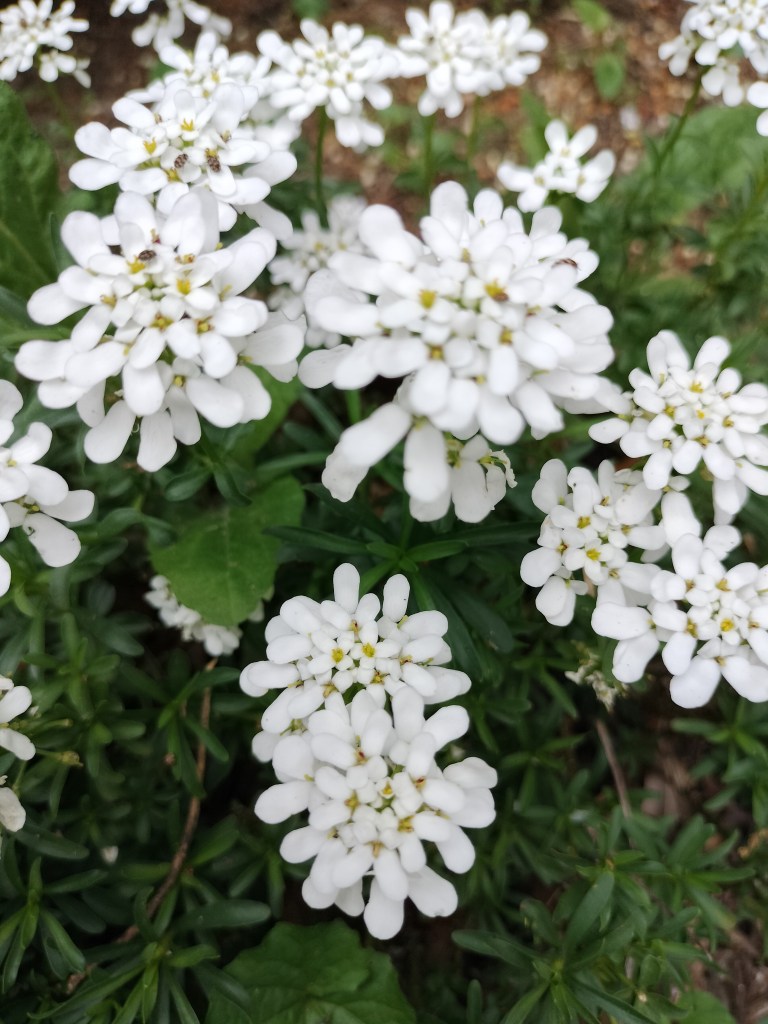
Here are some of the lovely things in bloom for April in my Tennessee neck of the woods.
*I know the sugar snap peas among these pictures aren’t perennials, but I will definitely keep planting them in this spot each year, so close enough!
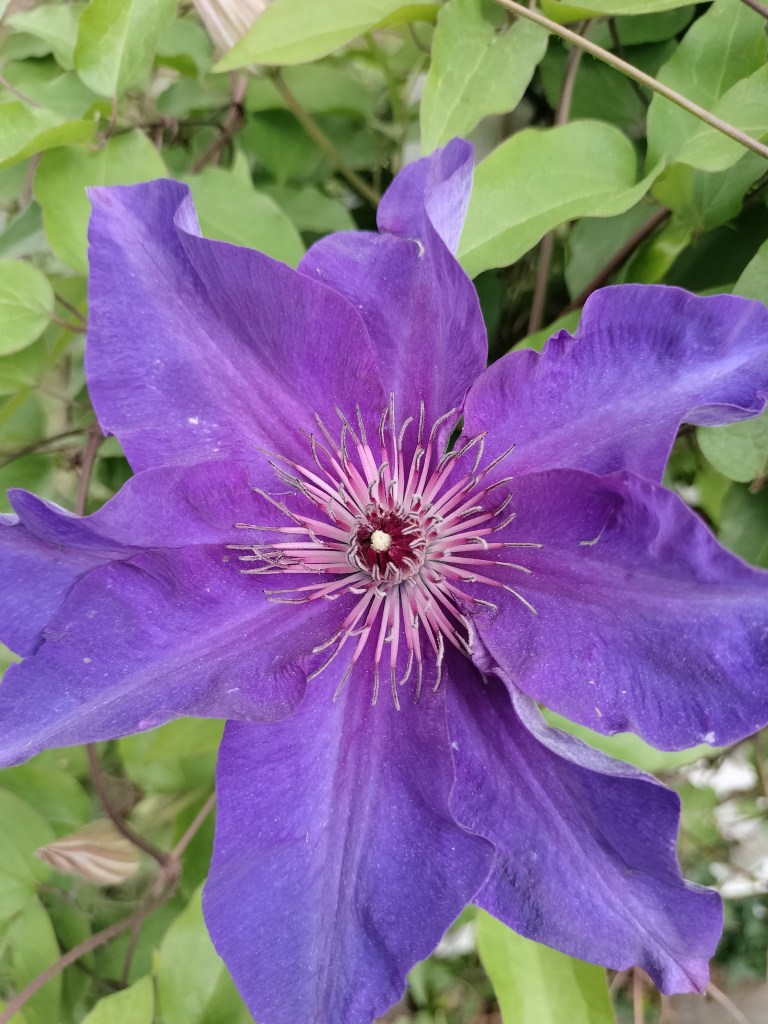
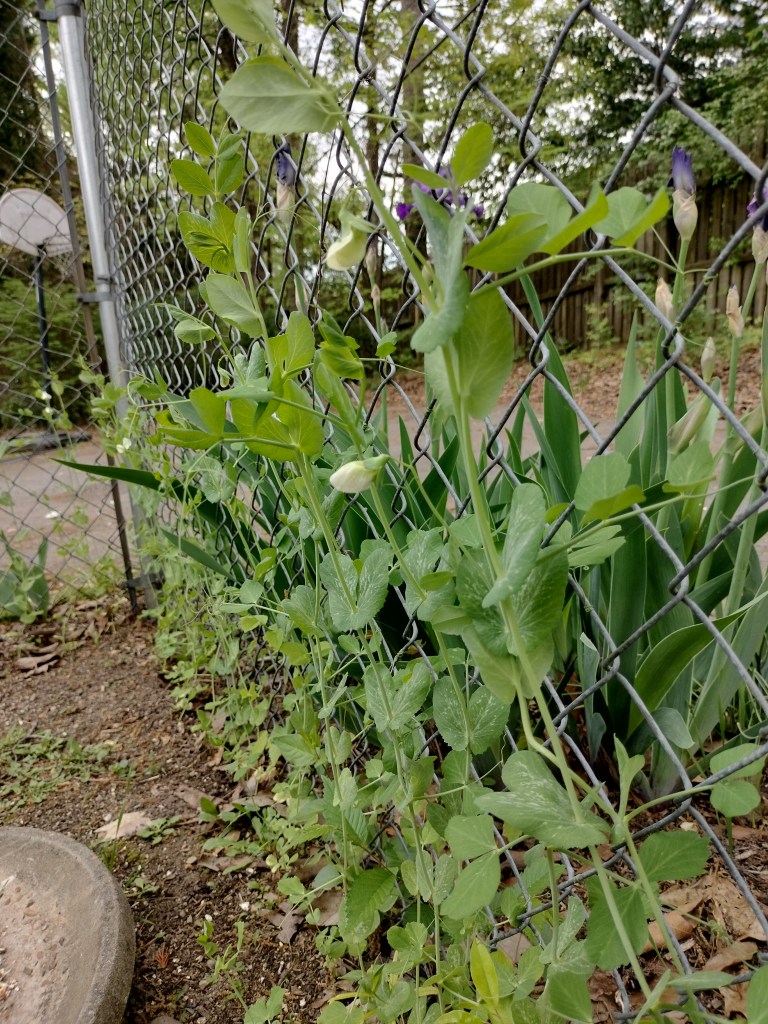

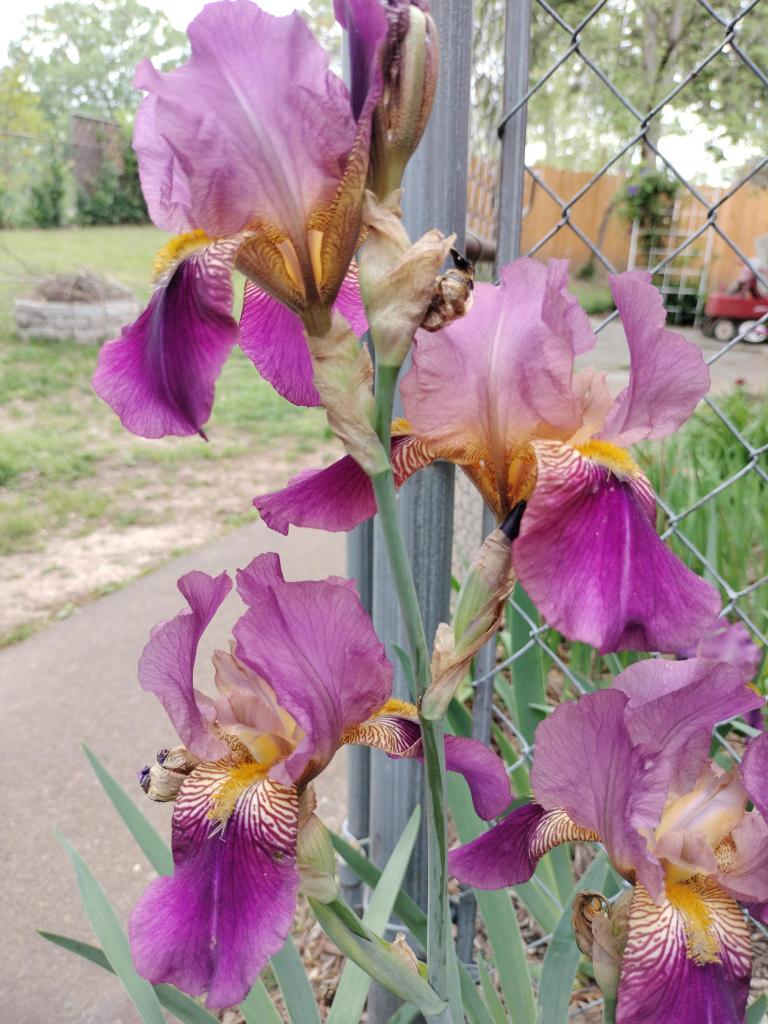



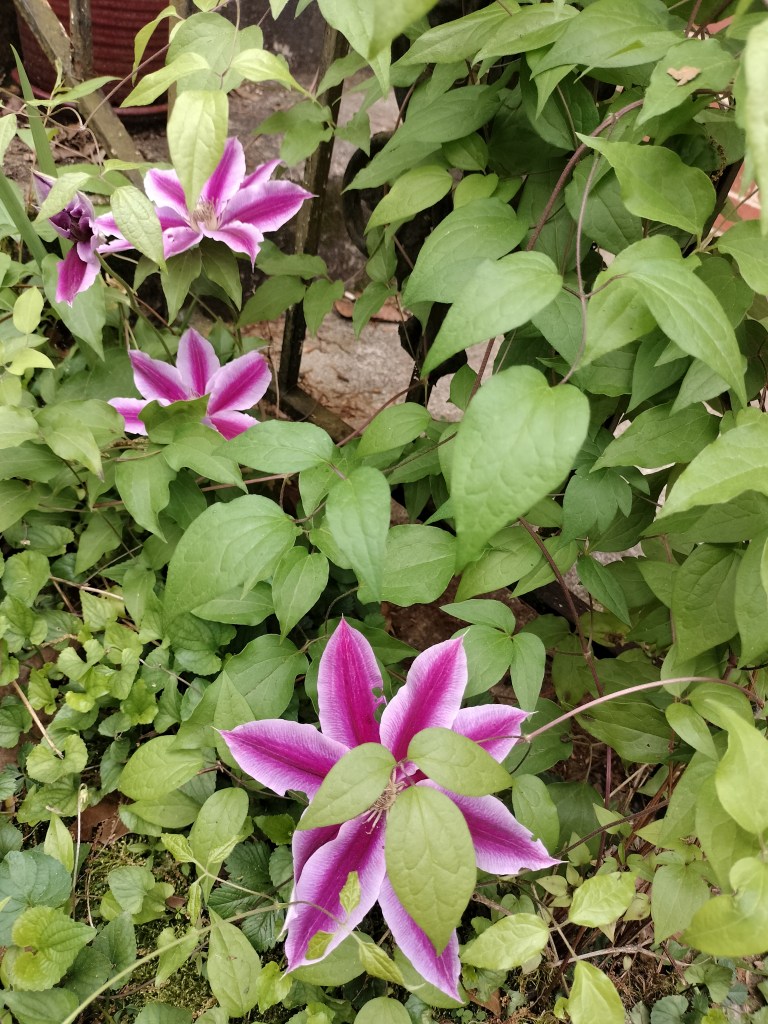

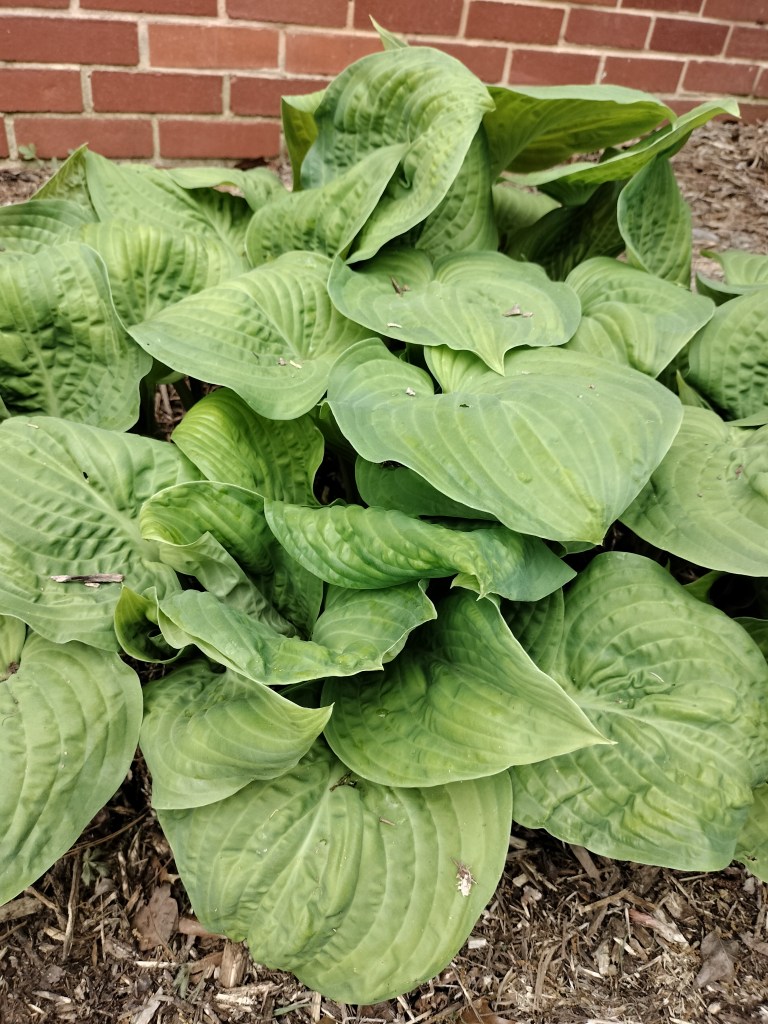
If you haven’t had the chance to meet Jill, you should. She’s the property manager for her family’s farm (High Point Farms) where Maple Key is located. She is by far and away one of the most generous people I have ever met. Hers is the kind of generosity that is rooted in interdependence, a true and mutual joy in sharing life and resources together.
Jill has been the incubator for countless other people like me including Morgan at Creekside Flowers, who got her business started at High Point. As a side note: Before starting Maple Key, I worked for the tutorial that meets at the farm on M- Th and driving in each morning my girls and I would see Morgan working hard on maintaining the health of her plants. I know she learned a lot from Jill, who also raises flowers for weddings and for individual sale. Hearing Morgan’s story (delivered impeccably, I might add) was inspiring and reminded me a lot of getting Maple Key off the ground. You play, tinker, research, and experiment when you don’t know how to do something.
Such has been the case with our late fall garden this year.
Jill suggested that we start a garden this year and I told her I would need help. My vague cries for direction were met with her voluntarily having a portion of land tilled by the tractor and two big piles of manure from the animals on the farm waiting for us. She even called her neighbor, Joel, who lives a mile up the road from her to come get us started with the garden. I laughed when she said she told him we needed a lot of help because we didn’t know anything 🙂
He came out to the farm as promised and skeptical though he was, worked with us for 3 hours (barefoot!) with no breaks talking to us about soil health and the basics of working with minimal tools and dirt since we clearly didn’t have a plan. After we marked off our lines, we used the seeder to ensure a straight row of plants. We watered it heavily and Joel prayed over the land.
Doing all this work in mid October (instead of August like the internet suggested we should have), we had no idea if the 2 month drought and coming cold snap would ruin our crop, but lo and behold we kept coming back to a new surprise of growth each week.
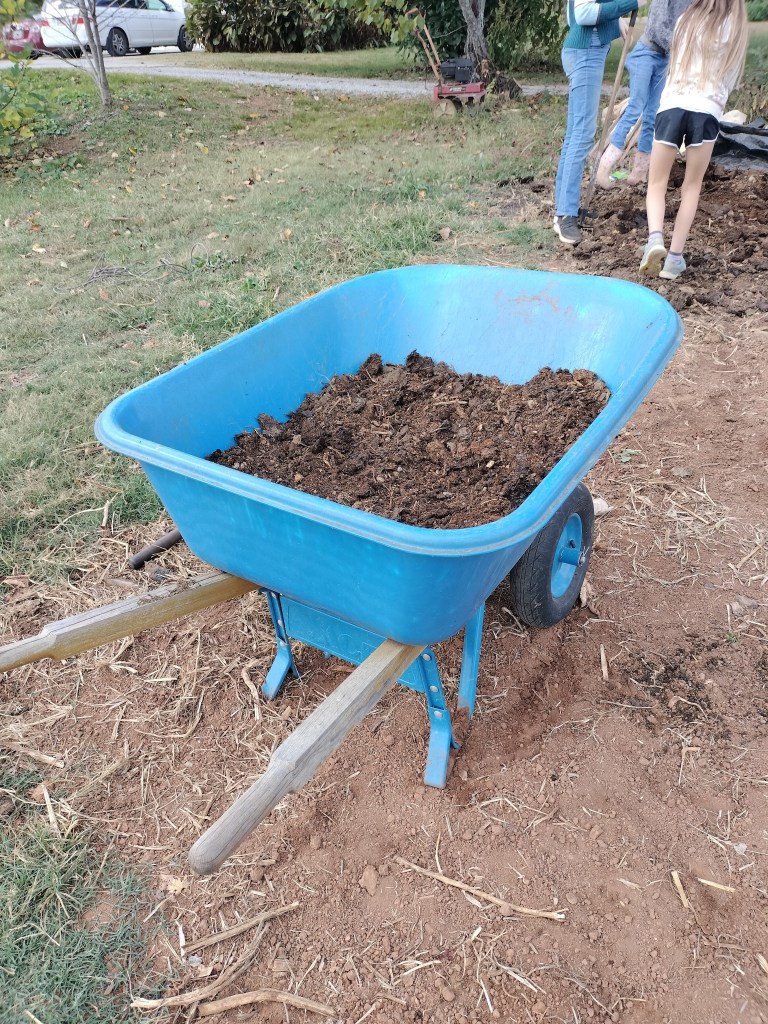
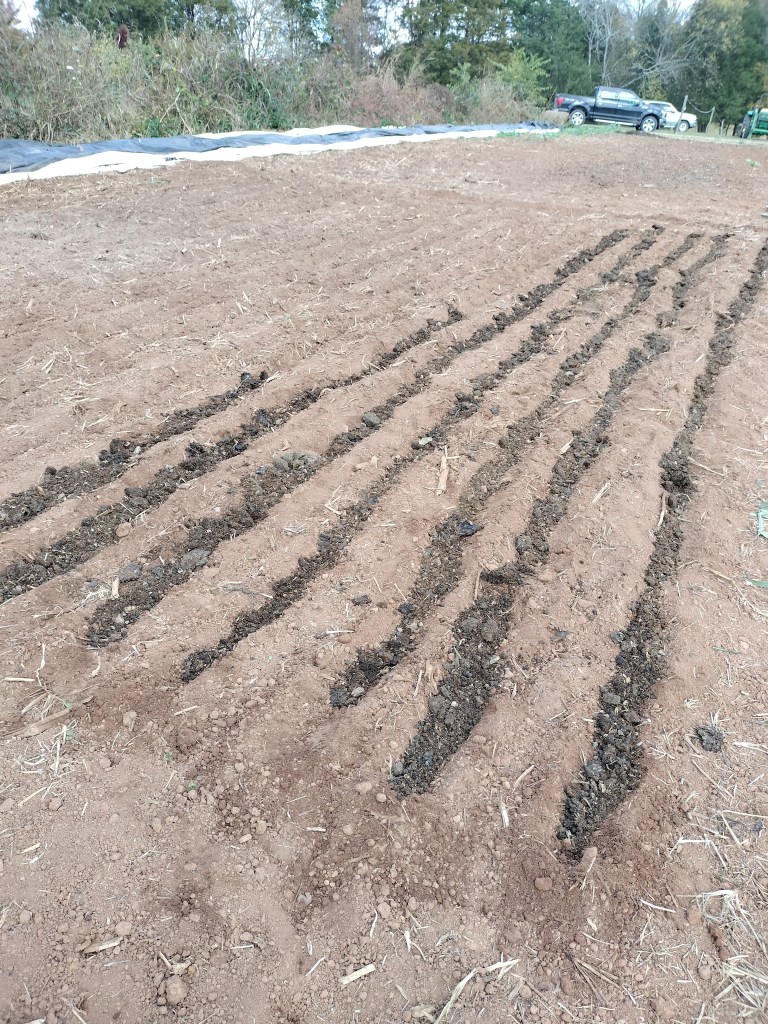
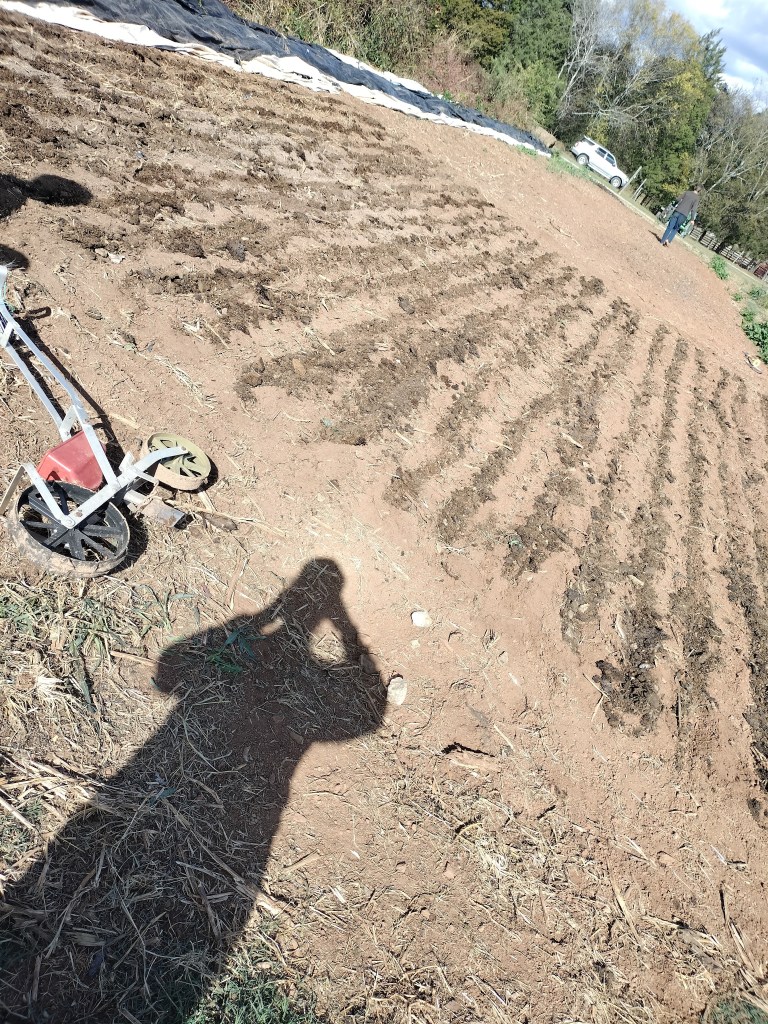
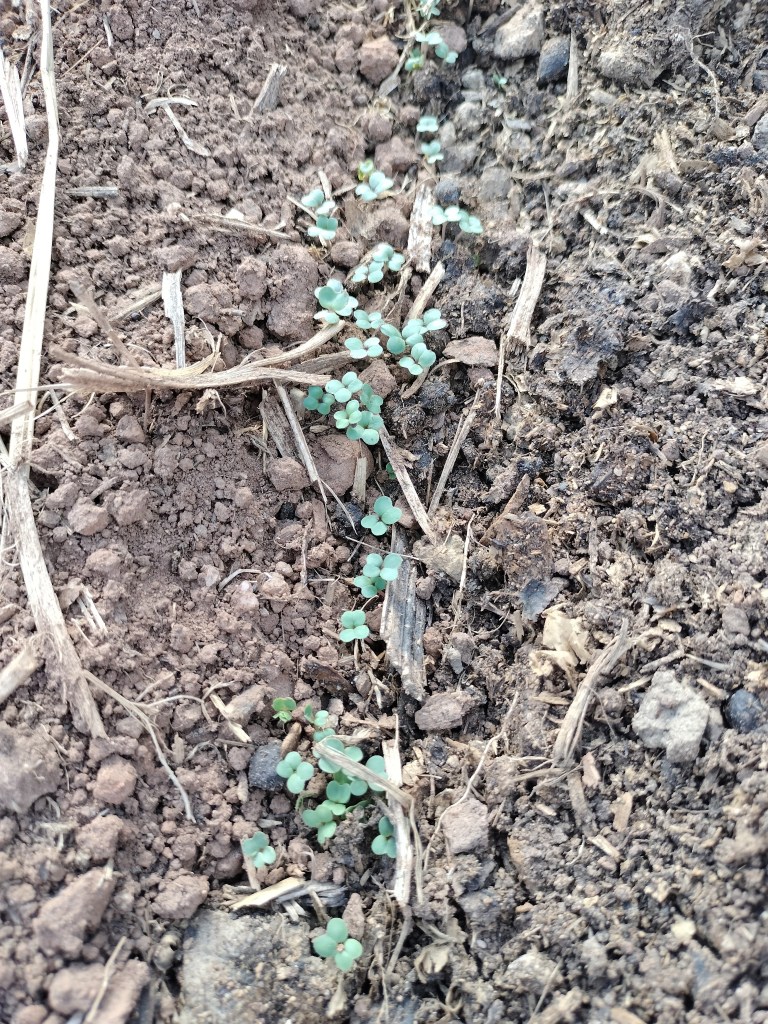
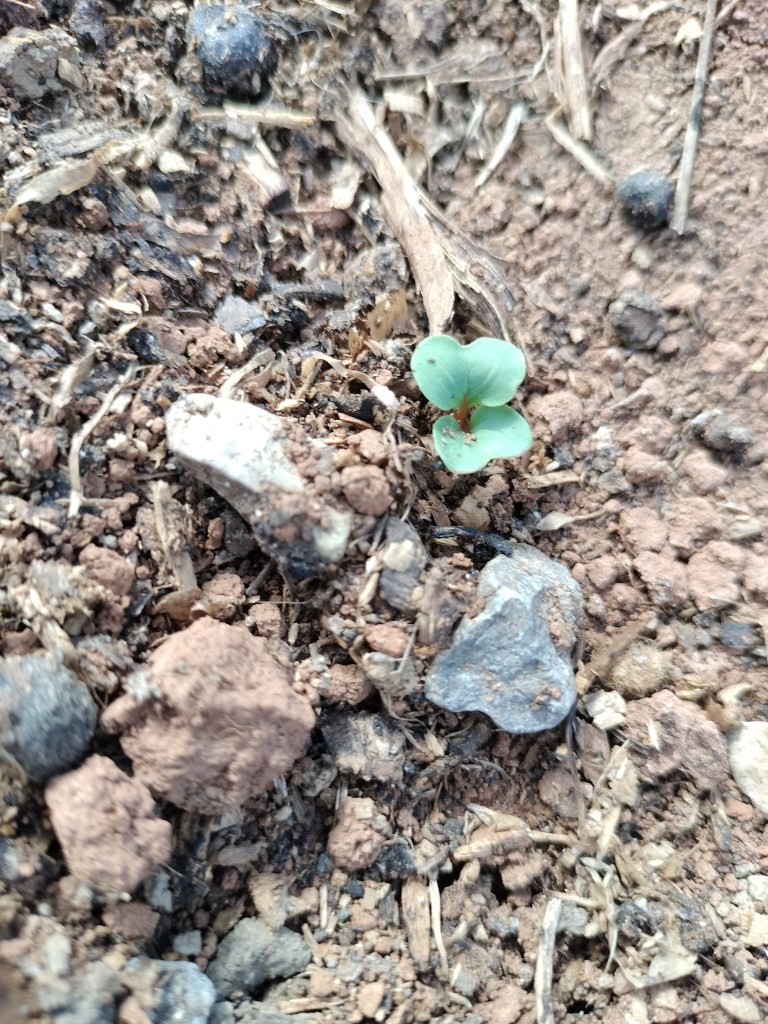

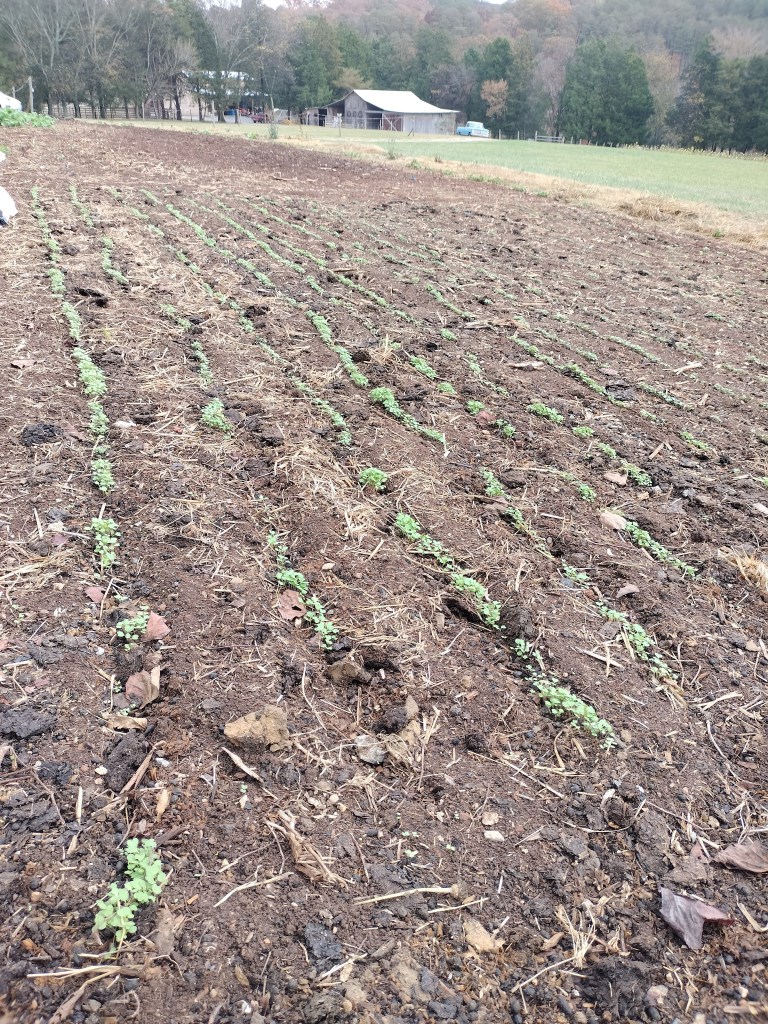
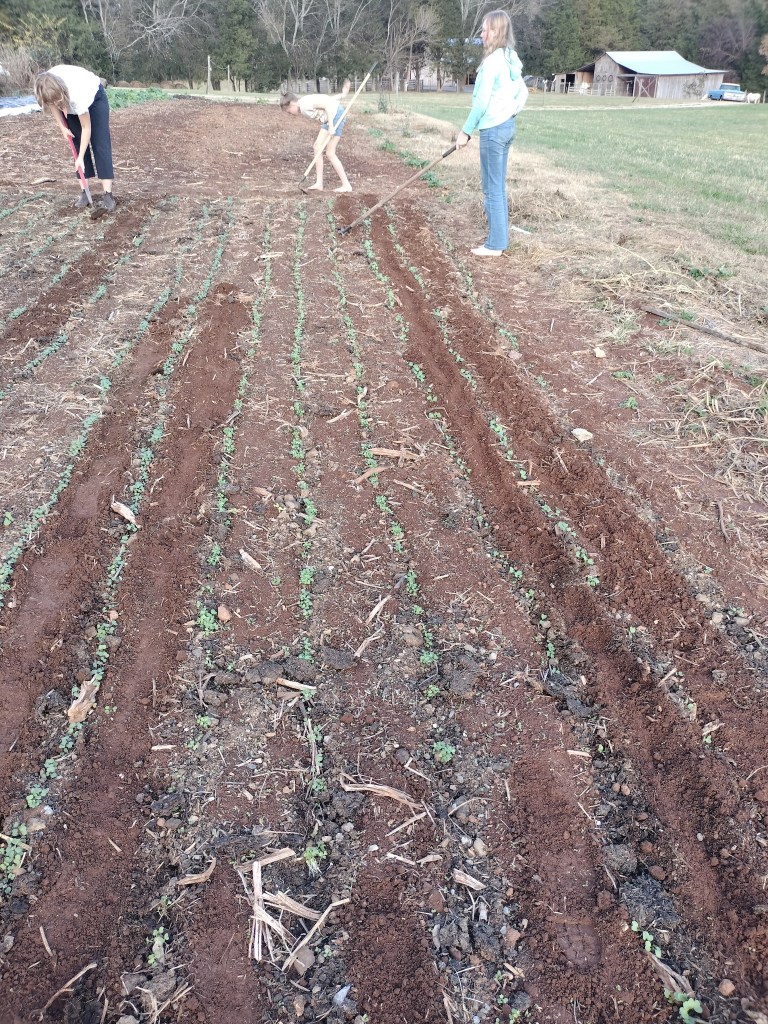

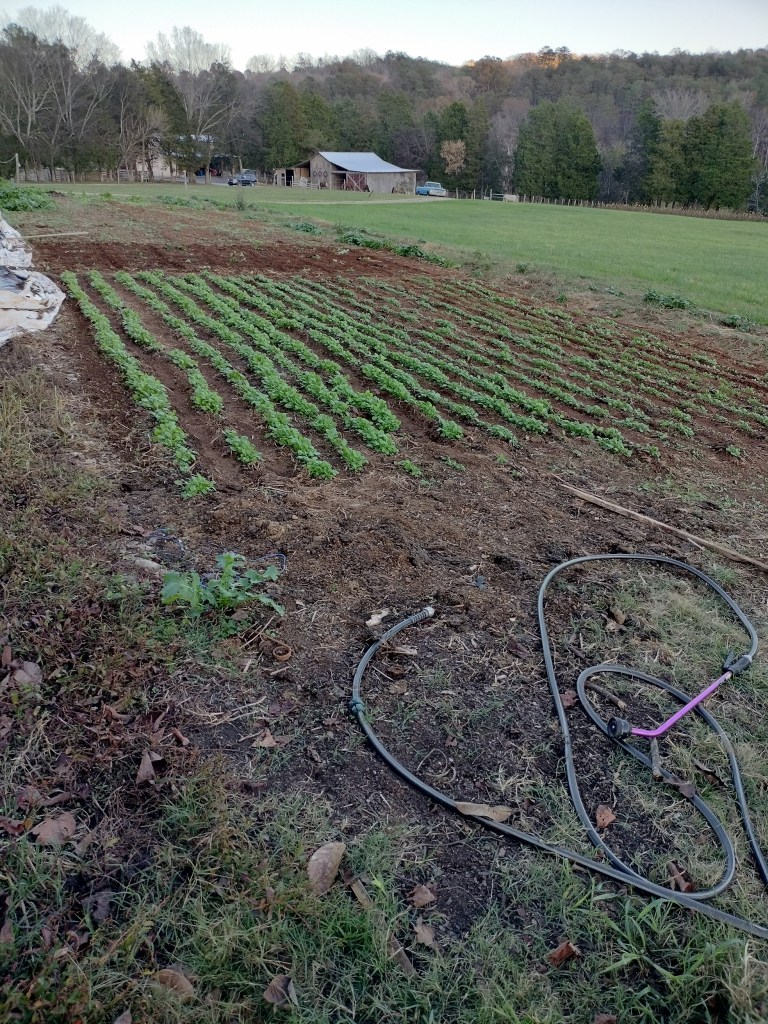
We only used one-third of the area Jill gave us to grow plants because Joel told us not to bite off more than we could chew. He was right in that trying to weed and harvest that much would have taken more time than we have in our 4 and a half hours each week. We did add some strawberries donated by one of our families though.
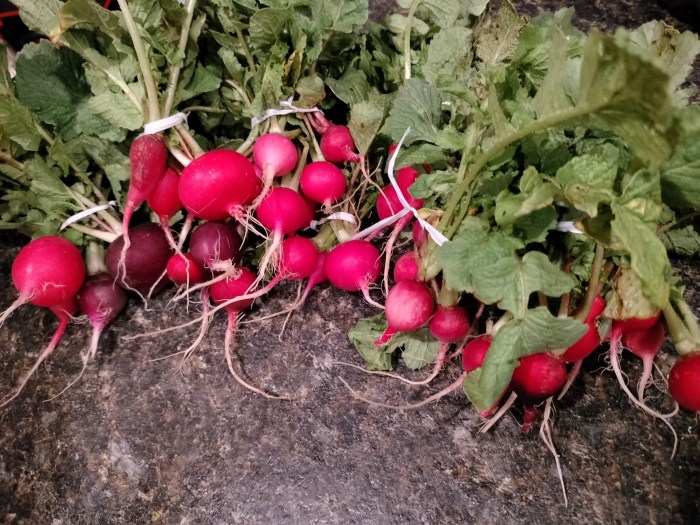
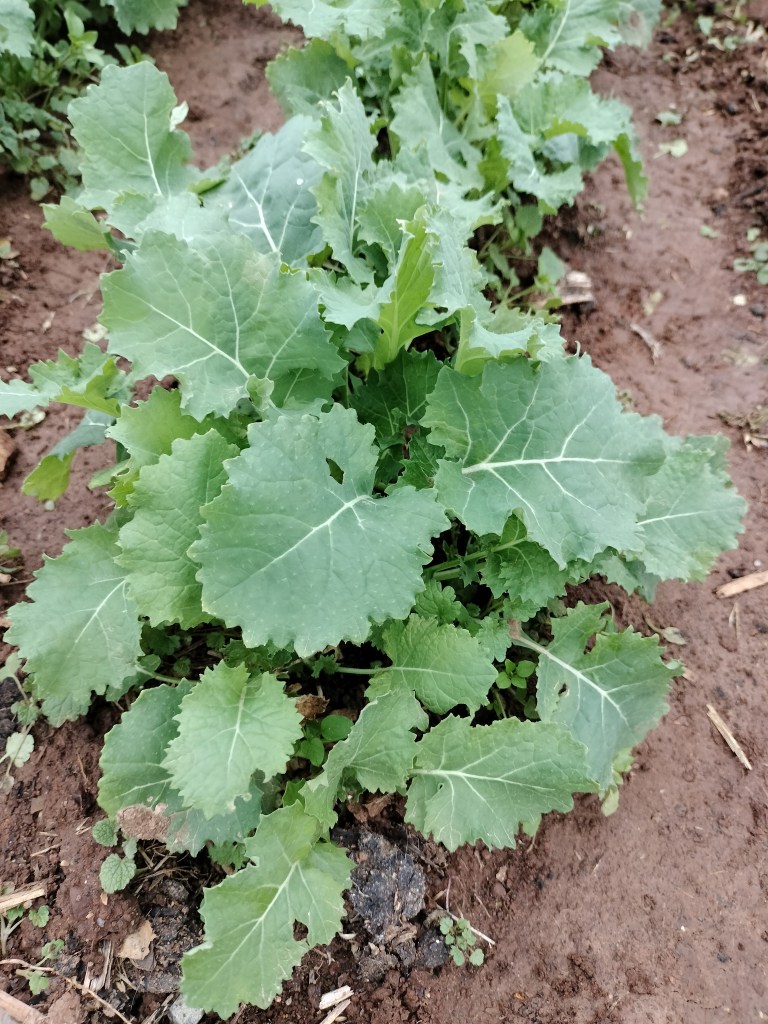
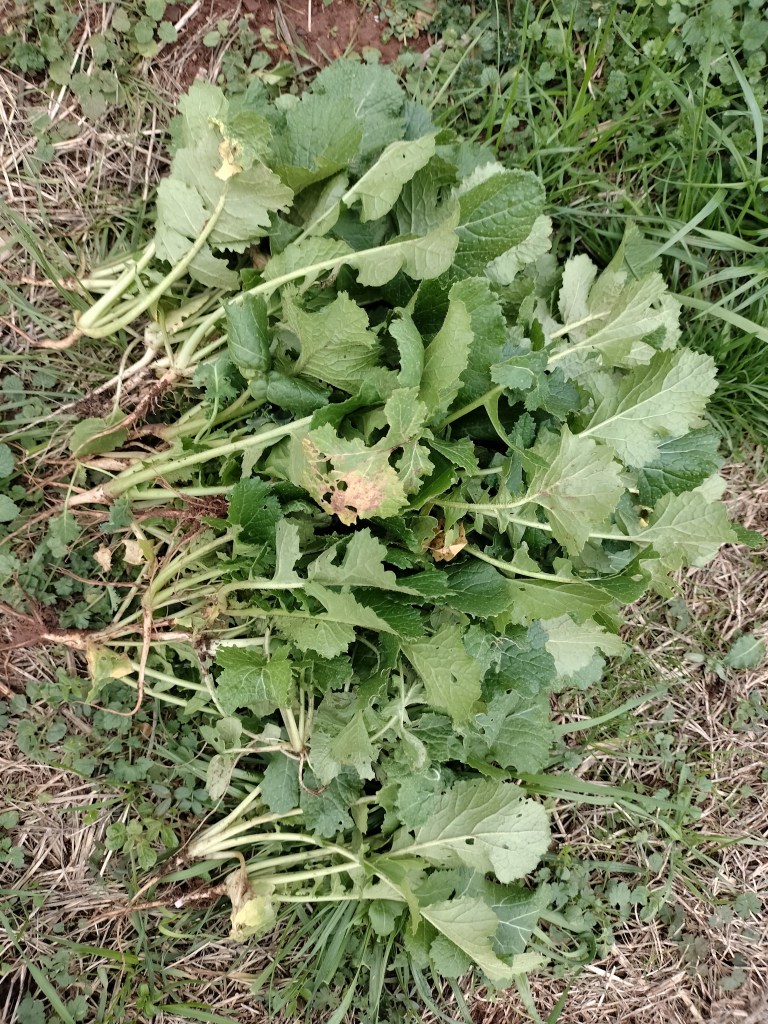
The time finally came when we had our last day at the farm for December. We decided to harvest some radishes, kale, and stray turnips greens that ended up in the other rows. It was more than a complete success. We have more food than we know what to do with, so this year we’re using it in our homes and giving it away to friends. Perhaps in the future we can still enjoy it for ourselves and friends while also selling it to give the proceeds to charitable organizations the girls research or fundraise for a special project.
Either way, there is such profound gratitude in seeing the Lord’s provision and work of your hands.
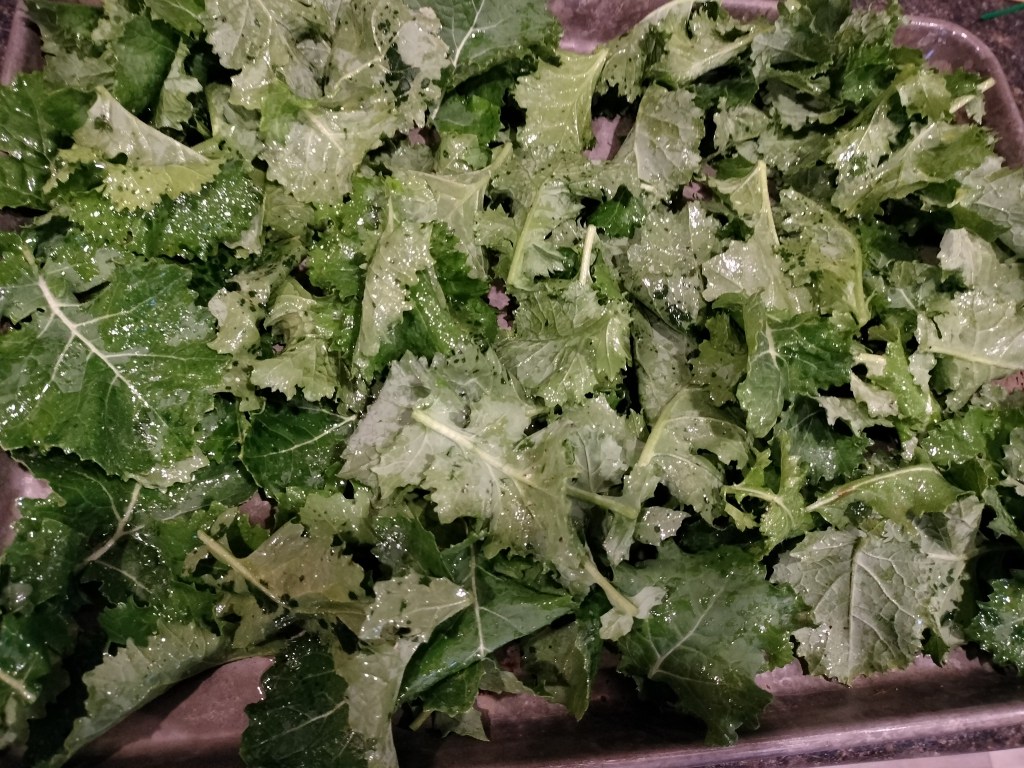
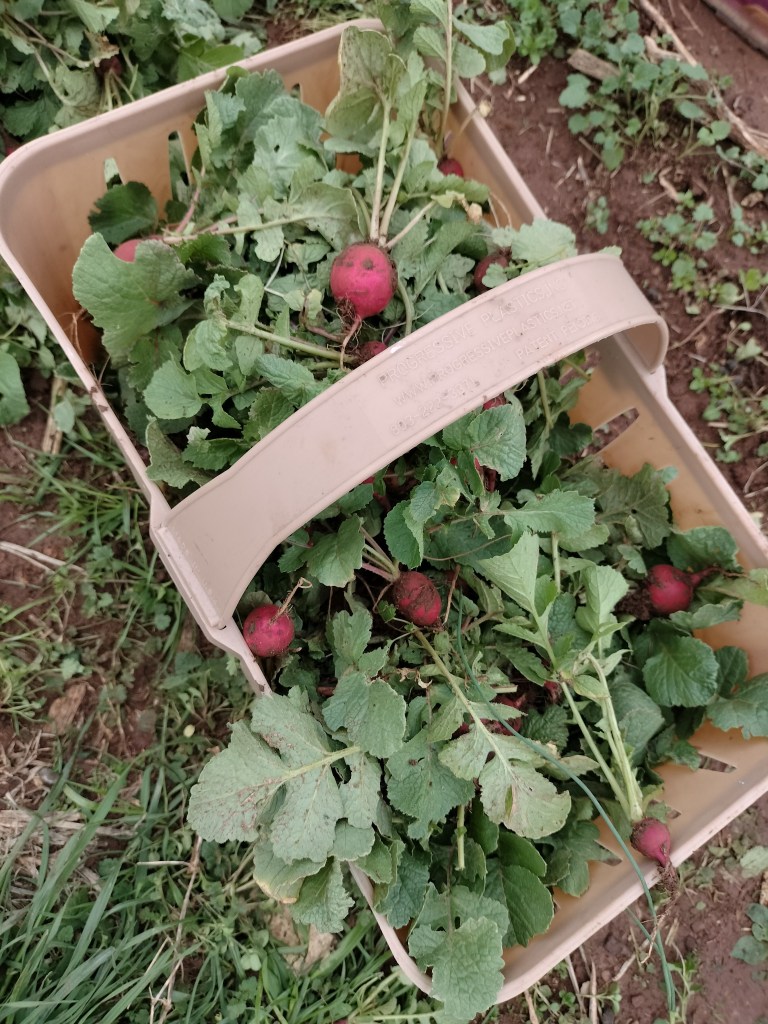
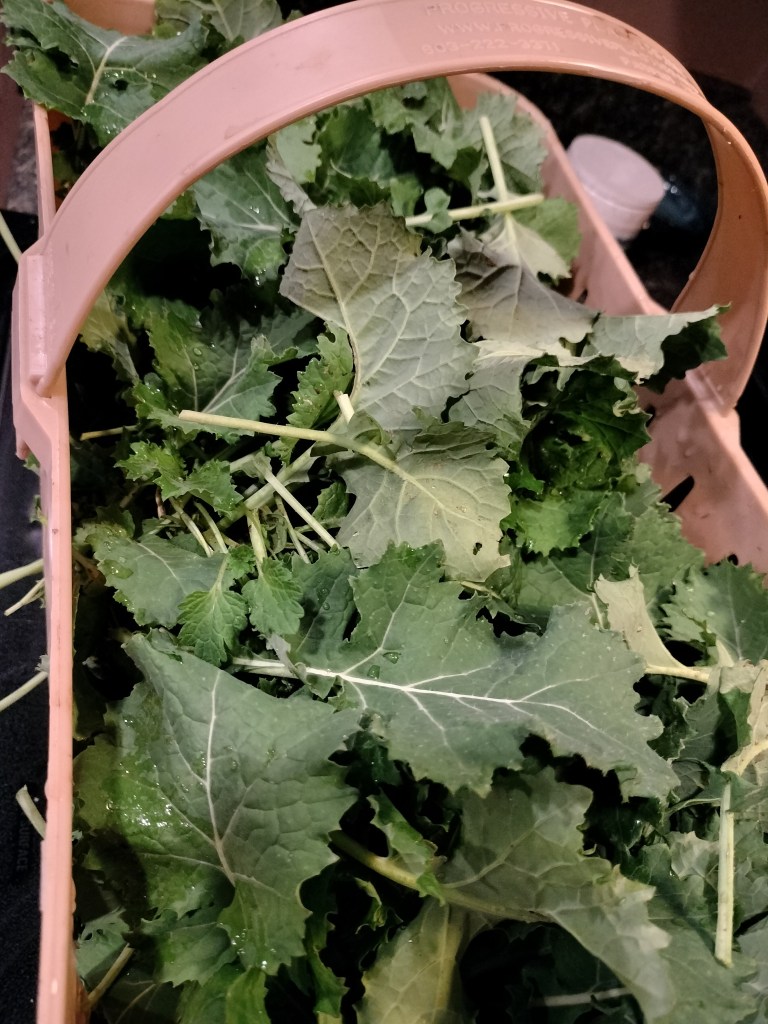
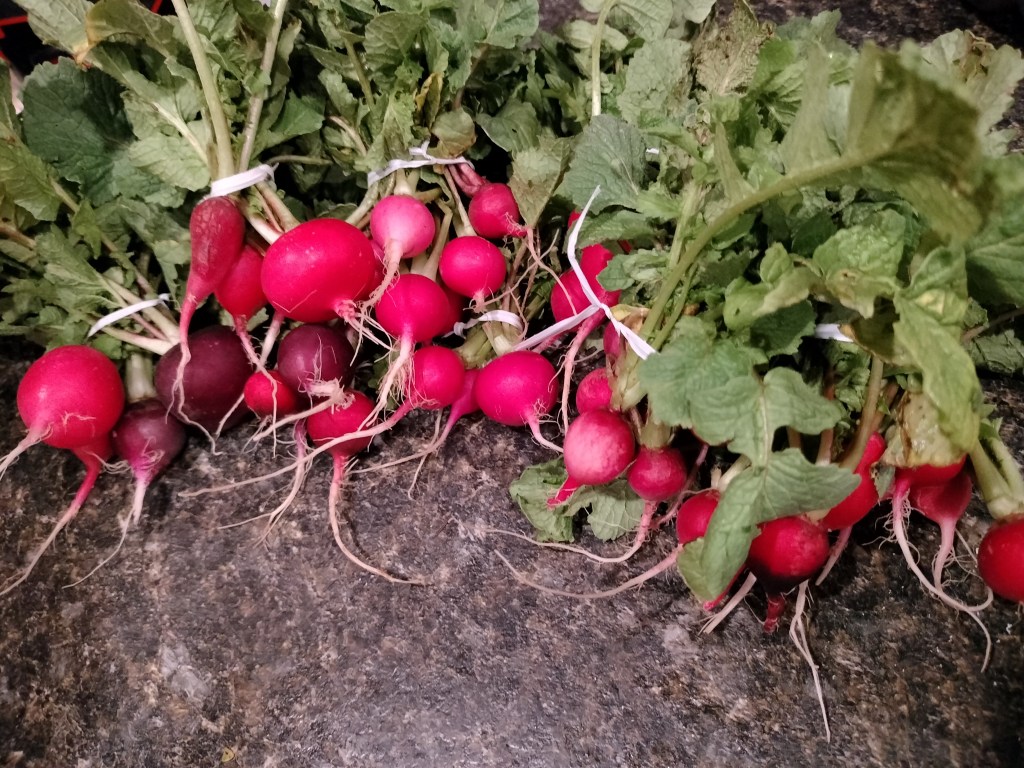
When it comes to risk, I like to think of myself as being a cautious personality. However, the constructive criticism I hear from other people is that I tend to underestimate what yield could come from faithfulness. I can definitely be like the servant in Matthew 25 that buries his talent and convinces himself he’s being a good steward. My faith in many areas of life is lacking because I hedge my bets to avoid the pain of embarrassment or loss. Modest success is better than no success, right? Reading one of my favorite naturalist authors, Robin Wall Kimmerer, helps me to see a path forward in demonstrating responsibility to something other than just keeping my ego safe. She says in her book, Braiding Sweetgrass:
“Being naturalized to place means to live as if this is the land that feeds you, as if these are the streams from which you drink, that build your body and fill your spirit. To become naturalized is to know that your ancestors lie in this ground. Here you will give your gifts and meet your responsibilities. To become naturalized is to live as if your children’s future matters, to take care of the land as if our lives and the lives of all our relatives depend on it. Because they do.”
When I showed my husband the pictures each week, he kept saying, “That dirt must be magic!” Though I know he was kidding, the truth is the dirt has been cared for for decades. They don’t use pesticides. Their compost is fresh. They make sure the pH balances. It is also reasonable to assume that the land was cared for by the Cherokee, a vital part of the history of this land.
The garden has reminded me how much part of “becoming placed” as essayist Wendell Berry says, means growing to love an area through being fully present and acting in faith and commitment to its history of care.
It could have been my imagination, but the air felt much more biting on the walk home from church at noon. In my mind, the day should always promise more warmth as the hours go by, not less. We walked anyway.
Walking to and from church is a normal occurrence for our family. We pass the apartment buildings behind our home, the local cemetery, the Methodist church, the title pawn shop. Then we cross the busy four lane road (which has no crosswalk), past the used tire store on one side and emergency service vehicles on the other. The final stretch is the row of homeowners, their various and sundry yard ornaments, and curious yappy dogs.
Today, however, the walk was a bit blustery even for our usual dogged determination for exercise and insistence on the children being more pedestrian (in all uses of the word) than they would normally care to be. Despite having to cross the traffic-filled street together at lunchtime, the route is very close to a straight line from point A to point B, so none of our children could ever get lost. Even the three year old knows to walk on the correct side of the road at all times, but we still have varying paces. My husband’s lumbering 6’3″ stride is not the same as my impatient I-feel-like-I-had-3-cups-of-coffee-already stride, nor is it the same as our preschooler whose inconsistent stride is always based on her whims.
So being vigilant, but still several paces ahead so as to encourage our 3 year old to reach the warmth of our home faster, I suddenly saw her stop on the side of the road and shriek with delight. What could have caused this burst of exuberance in such a chilly climb up the hill?
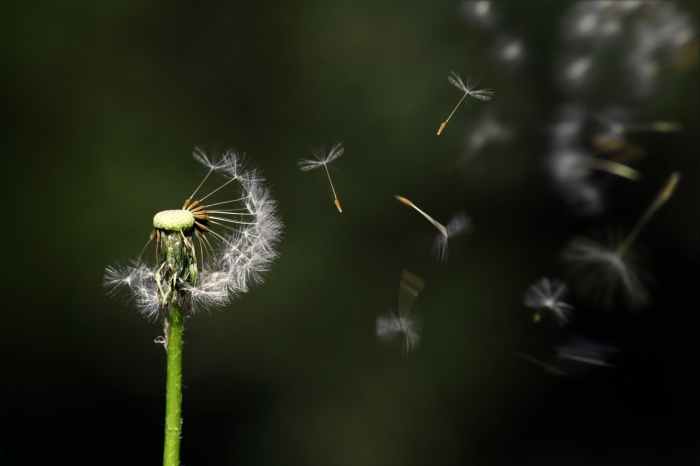
She found a lone dandelion.
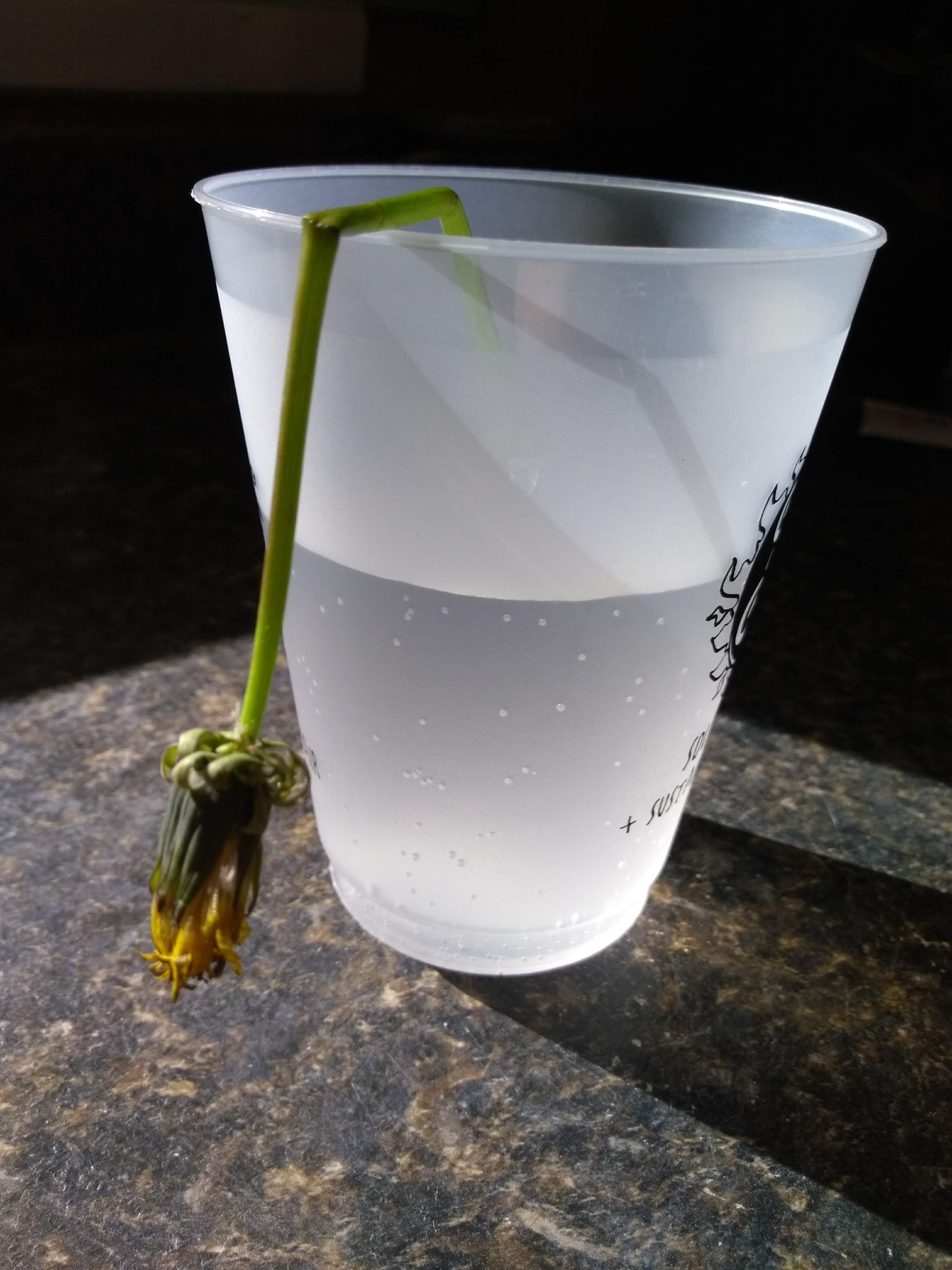
Being so low to the ground, a burst of sunniest yellow had caught her eye amidst the dull and dark browns while the rest of us just motored on past so we could reach our destination. She laughed so naturally as she picked it for me to put in my coat pocket. Once inside, I started talking with my husband and getting out the leftovers to heat up for lunch, forgetting all about the flower. Out of the corner of my eye I saw our daughter filling up a clear plastic cup half full of water from the fridge.
“No, that’s too much for you to drink. You need to get a straw and then take it to the table.”
Frustrated in being redirected and misunderstood she said plainly, “No, it’s for the flower, Mommy!”
She hadn’t forgotten it.
I don’t know if her instinct to give the flower water came from watching her 7 year old sister do this all year round with “shot glass bouquets” from the yard or if she just knows that flowers need water to even have a chance at surviving in a house. She wasn’t thinking about how quickly it would wither once brought inside; she wanted to preserve and share the beauty of God’s creation as best as she knew how. Either way, her exceeding childish joy and loving care for something we older people ignore or pull up as a nuisance gave me a needed opportunity to reflect on the Lord’s Day.
“Consider how the wildflowers grow: They don’t labor or spin thread. Yet I tell you, not even Solomon in all his splendor was adorned like one of these! If that’s how God clothes the grass, which is in the field today and is thrown into the furnace tomorrow, how much more will He do for you—you of little faith?” Matthew 6:27-28 (HCSB)
My husband reminded me that this passage from the Sermon on the Mount is actually a meditation on the first commandment, where Jesus tells His listeners that in God there is no need for worry because He is the provider. The Greek in verse 27 essentially translates into “be discipled by this flower”. In our age of instant and easy answers, how strange it is to be taught how to orient your life by a plant. And yet that is what I was called to on the roadside — to notice that He is still giving me an opportunity to push out distraction and comfort to see His wonder and provision that was so evident to my little girl. Being outdoors with my children is a constant reminder that I am too addicted to the illusion of self-sufficiency and far too rational to seize moments of discipleship that have been there all along.
 Maple Key Tutoring