Growing the Future Generations

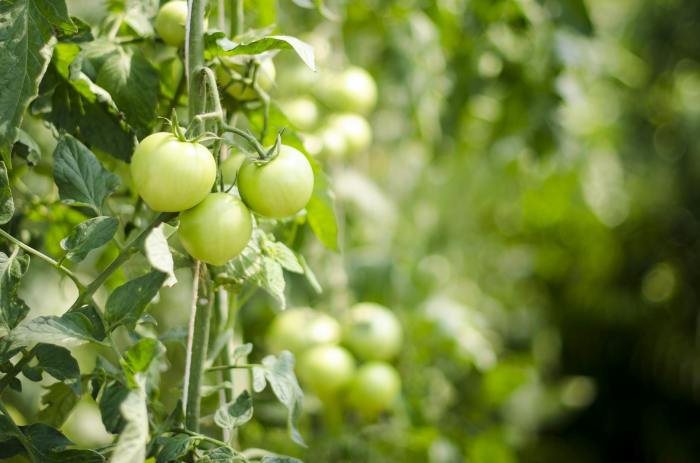
Ah… the kale palm trees! (Photo by Kindel Media on Pexels.com)

I went to my primary care physician this morning for my yearly checkup. I must say, I lucked out several years ago when I was able to get into her practice. She is always a delight to talk to — a rare mix of firm (but not pushy) and warm (like she really hears you) that makes you feel really confident in her advice. From the looks of the waiting room though, I am usually the youngest person there (despite being 40 now!) by about 30 years. I often wonder how many “young” patients she actually has.

I told her that before the holidays my husband and I started a program that promoted mindful eating (more fibers, greens, etc. and creating a slight calorie deficit from less snacking and smaller portions). She asked what my primary reason for doing this was and I explained that around age 39 is really where I noticed my metabolism just sort of gave out. I was still exercising and eating reasonably good food (with the carbs and sugar always waiting in the shadows…), but my gut was sort of done with me. My arms and legs were in great shape with walking and gym time, but I had a closet full of dresses that were collecting dust after my I’ve-had-4-kids middle was now preventing me from enjoying.

She said she wished I could stand in the waiting room and give a TED talk to her elderly patients about why it’s important to make these changes by 40 so they can recover well from things in their 70’s. She shook her head and said somberly “sometimes I worry less about foreign interference than I do the American diet. It may kill us before someone else gets to us.” As I said, she sees a lot of older folks so her statement was born less out of hyperbole and more out of a lot of doctor fatigue.

As I left the office, I was thinking that maybe part of why I do the gardening portion of Maple Key is to encourage people like my PCP. To let girls know at a younger age that trying new things, growing your own food, getting curious about how to use the food, serving others, and teaching others how to grow food is a habit you’re never too young or old for. It’s not like the girls who come into the program have a green thumb and a super refined taste for greens already; it’s not like when they leave the program they will have done a 180 and love all things verdant for dinner. It’s exposure and an invitation to the goodness of creation. That’s all I ask of them — just roll with the veggies we’ve got, but no one is forced to eat anything.

I always tell them that I was SUPER picky about food at their age, embarrassed at how much I hated salads (back when iceberg was the lettuce du jour; I still hate it), but over time as an adult I exposed myself to more things and now enjoy and tolerate more than spurn the veggies on my plate. I tell them I did not like or eat kale before I started growing for Maple Key, and now I really really love it for its freshness and versatility. Giving people space to grow and experience vegetables on their own terms is a big part of my philosophy about the environment being our third teacher 🙂
Putting Play in Its Place

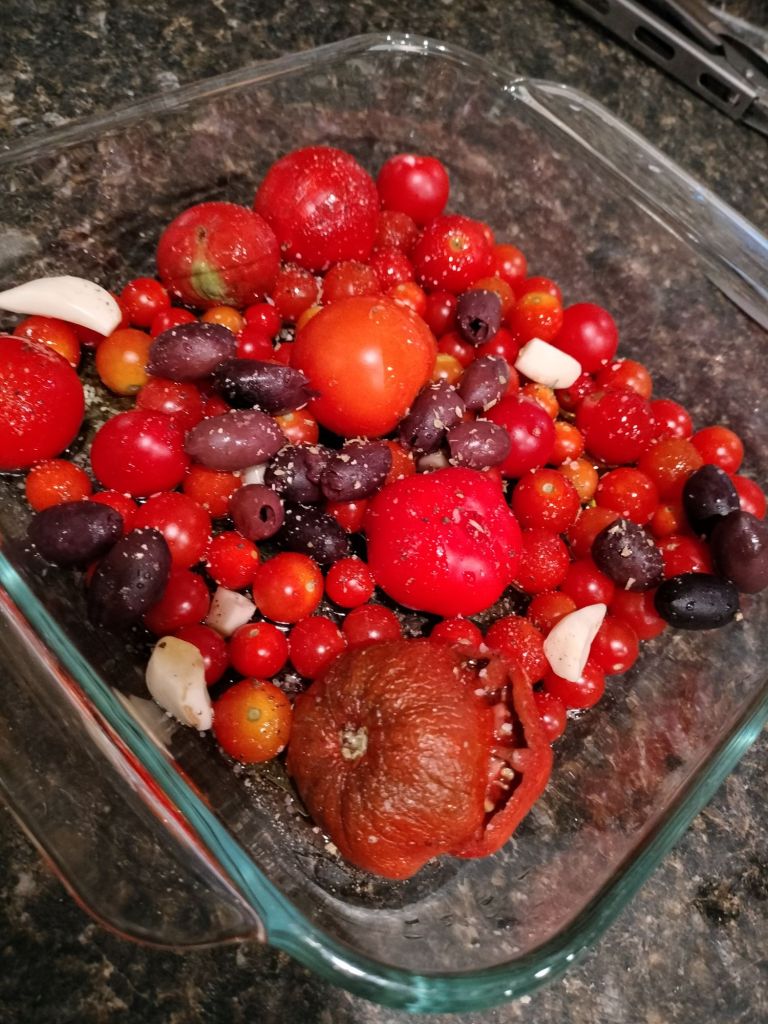
Inspired by our neighbor’s suggestion, last night my husband suggested we make pasta sauce for dinner. Our neighbor had an abundance of cherry tomatoes and sent us a picture of her one pan tomato roasting sauce ingredients — Olive oil, salt, pepper, onions, garlic, feta cheese, and tomatoes. Instructions: roast, pulverize, and voila — you have sauce. We piggybacked on her idea and made more of a puttanesca style.

img202407242034204682597817213700230

When my own children ask why I am so obsessed with gardening, I explain that it’s really just an excuse to play and experiment. I get to learn what grows and under what circumstances and environments. I get to eat what I grow which encourages more creativity and playing even if it’s a small dish or snack. So it makes sense that I want to instill (or perhaps invoke) that spirit of curiosity in the girls who come to Maple Key no matter what “skill level” they come in with. That’s the joy of being imaginative — there is an endless supply of creativity available!

Perhaps because right now my children don’t have bills to pay or places to drive or multiple schedules to organize, they don’t see what the big deal is for an adult to make space for play even if it’s for 5 minutes of checking on and watering your okra and bush beans. It often just looks like a chore or a huge investment of time to them. But I assure them that for most adults play is, sadly, the first thing to go when you prioritize all the daily things you must juggle.

My college roommate (who is a new tutor for Maple Key this year!) doesn’t garden, but finds her play in singing and being in actual plays. She has spent her summer in community theater. An incredible ensemble of professional players!

img202407201429206939798844707034617

Fiddler on the Roof!

There are so many places we can find our play.

img20240717120753~27089672320991061654.

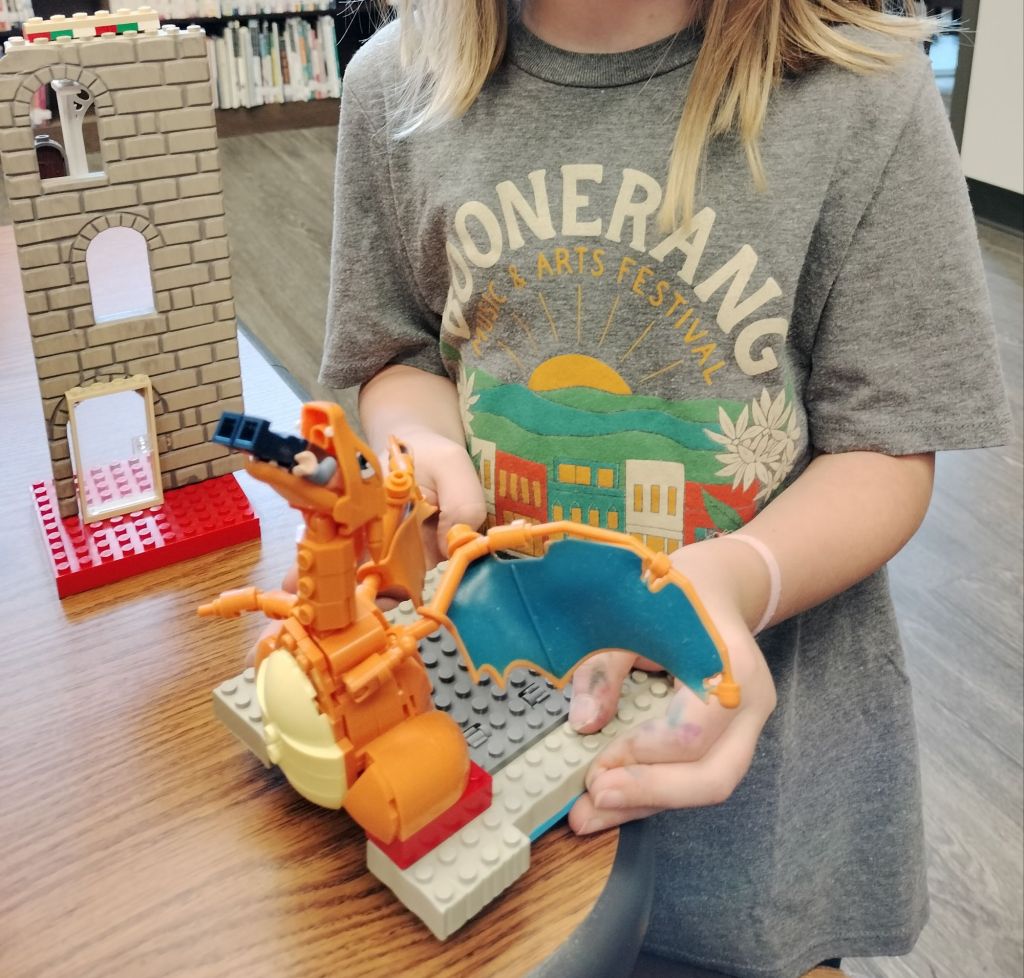
Legos at the local library!

So I say, here’s to bringing back play as a part of a healthy balance in life. Now back to more pickling 🙂

img202407242019312673057586938328104

HopeWords Conference 2024

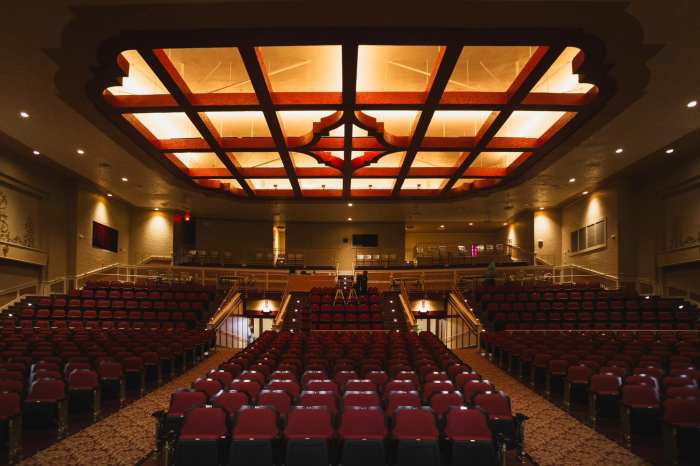
When you own your own tutoring business, you have to research and pay for professional development for yourself. HopeWords has been a writing conference that is an easy place to say yes to every year. It’s located in the beautiful state of West Virginia which is actually a reasonable driving distance from us in Chattanooga, Tennessee. All the speakers sit out among the audience and eat at the same tiny restaurants as everyone else. Everyone just chats like it’s the most normal thing to do with strangers who write from all over the U.S.

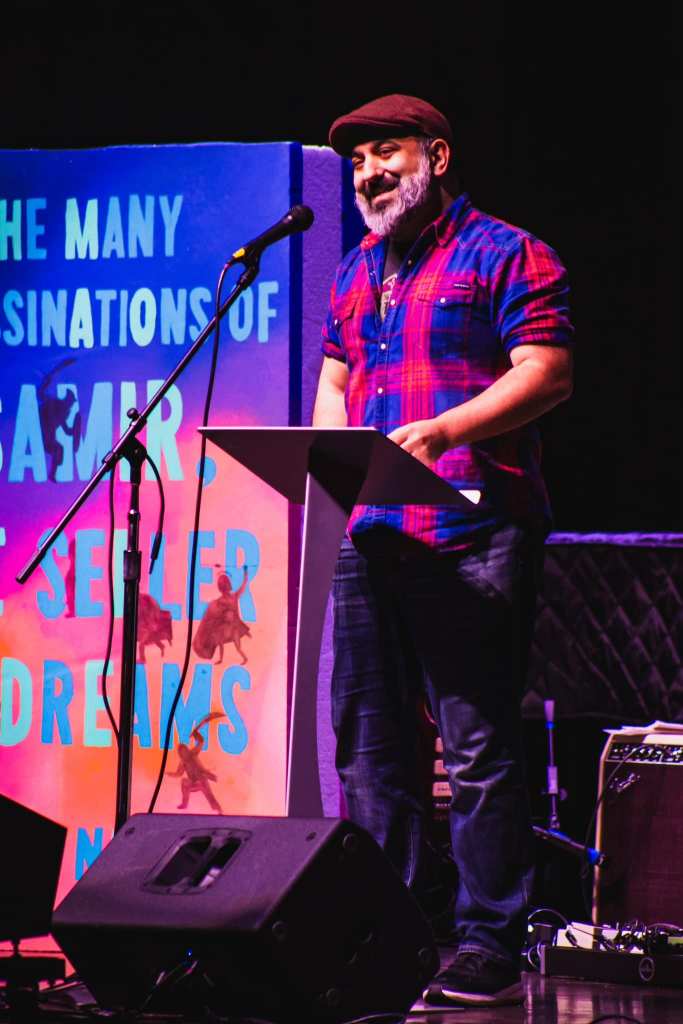
This is my third year and I want to emphasize that one of the blessings of HopeWords is that they are making space for all ages at the conference. My oldest daughter, age 14, came this year and last year and Travis (the host), the other attendees, and the authors have welcomed, embraced, and challenged her. In her everyday life she is used to people mispronouncing and misspelling her biblical name. Many of the conference attendees when they met her said, “What a beautiful name” because they understood its biblical significance. Daniel Nayeri, the keynote speaker, signed her book and when I said offhandedly that she has 3 other sisters with Bible place names he said enthusiastically, “Ooh. Tell me all of them!” as we proceeded to have a short and lively conversation. The next day when he came in the restaurant where we were eating he boisterously (and so jolly-like!), pointed at all of us saying he knew us and we just laughed and waved right back at him going back to our conversation, like it was not odd to give a friendly wave to a Newbery award winner at dinner.

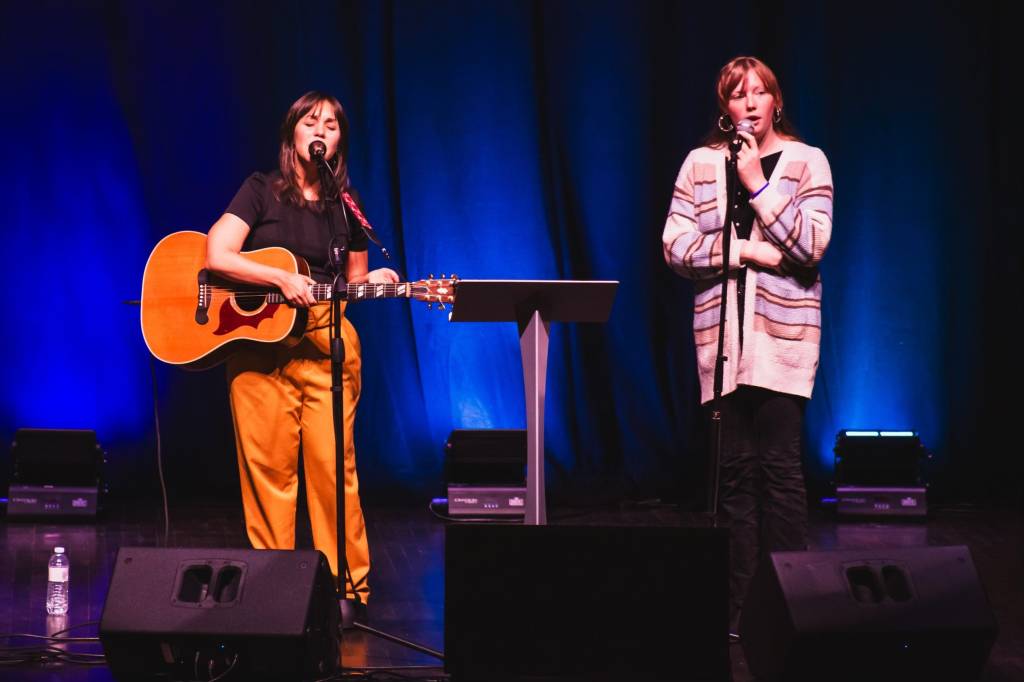
Our college friend, Amanda Opelt, sings and writes and was invited to welcome guests back into the afternoon sessions with her guitar. She asked our daughter a week before the conference if she would be willing to sing the high harmony with her on an Appalachian tune covered by the Wailin’ Jennys. When our daughter joined her on stage she introduced her as her friend, not my “college friends’ daughter” but a young woman worthy of her identity and relationship in her own right. Amanda even paid for appetizers at the local restaurant saying she owed her a portion of her honorarium.

Photographs by Cheryl Eichman

At the “after party” on Saturday we sat at a table with the men responsible for a lot of the revitalization projects going on in Bluefield, West Virginia. We had a riveting discussion on community development practices for 30 minutes. The undertone was about not giving up hope in hard places. My daughter said later it was a fascinating conversation and not at all what she thought we’d end up talking about with so many writers around!

It’s the little things like that that remind me why HopeWords is special. There is a deep respect for children and young adults within this Christian community of writers and community movers and shakers. The attendees treated my daughter like an adult. The speakers did the same in their speeches and in how they are truly the same humble people on and off the stage. Anyone involved with HopeWords welcomes and invites all into a life of writing, creativity, community, and curiosity. As an educator, I cannot think of a better mission for a conference.

This year I noticed there were many more young people than had come in the past and I hope the number of teens keeps rising as this conference continues to flourish. Our youngest daughter is in Kindergarten and she says she has “poem words” in her mind. She illustrates stories about pirates, animals, and princesses constantly. Maybe some day she will want to come, too?


Until next year,

Rachel

Ranking View or Side View

Several weeks ago, the girls and I were discussing an essay by Alfie Kohn called “The Costs of Overemphasizing Achievement”. I wanted his reminders that much harm can be done when we lose sight of what it means to be a lifelong learner. As we talked, a brilliant metaphor popped out of someone’s mouth. She said, measuring your personal best is kind of like an Olympian runner deciding which view he’s going to take when the race is over– the view where they are all ranked from ‘best to worst’ or the side view where the camera has to slow down so much to even see the hundredth of a second difference in their performance. The first view says that getting a medal and glory is the highest goal, but the second view says “we all trained incredibly hard with what we had and that’s the best we could give that day”. A ranking view is vertical and hierarchical, whereas the side view shows a horizontal effort from everyone and a driving passion.

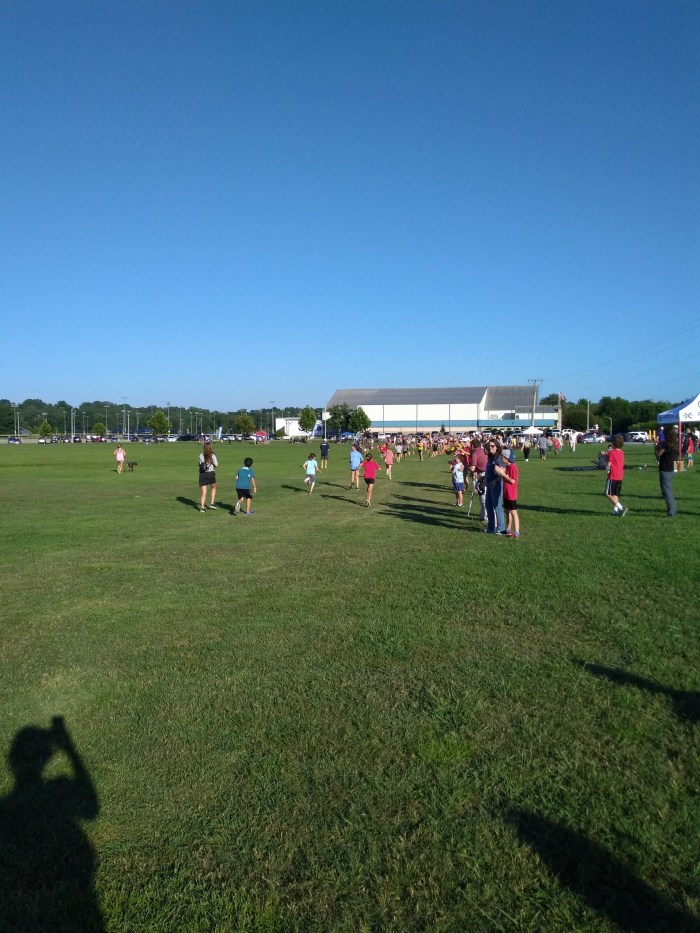
I’m 25 years older than the girls in the program, but I told them that I am still learning these lessons, especially as a parent. I often rank myself — coming in 9th place for “consistently provided kids swimming lessons” or 5th in “children have matching socks to wear”. Busy days like today particularly catapult me into a ranking view of motherhood. Kids arrive home from school, back to back appointments, pick up something from Walgreens, drop off library books that are due, go to a cross country meet, come home to make dinner, bathe toddler and get her to bed, finish mixing pumpkin pie filling for tomorrow, unload and load dishwasher, write this blog post and struggle to keep my eyes open.

Mercifully, most days aren’t quite this full, but I was reminded of a saving grace that helps me take the side view of parenting — MaMa’s spaghetti. It’s a running joke in my family about how when my sister and I visited my grandparents in Nashville, MaMa would always have a crockpot full of spaghetti to greet us. She did this for years, and as I was quietly told after she died, it was because my grandma wasn’t the best cook but always wanted to provide something that would be well received by the grandkids. For a bit of context, MaMa was the youngest in her large family and both her parents died when she was very young, causing her to get tossed around to various siblings for a time. She also married young by today’s standards and worked a lot when PaPa was on the road playing steel guitar; she didn’t exactly have the time or emotional energy to pour herself into creative cooking. If I get a text from my mom asking what my kids will eat when they come over, I sometimes reply, “MaMa’s spaghetti is always a hit!”

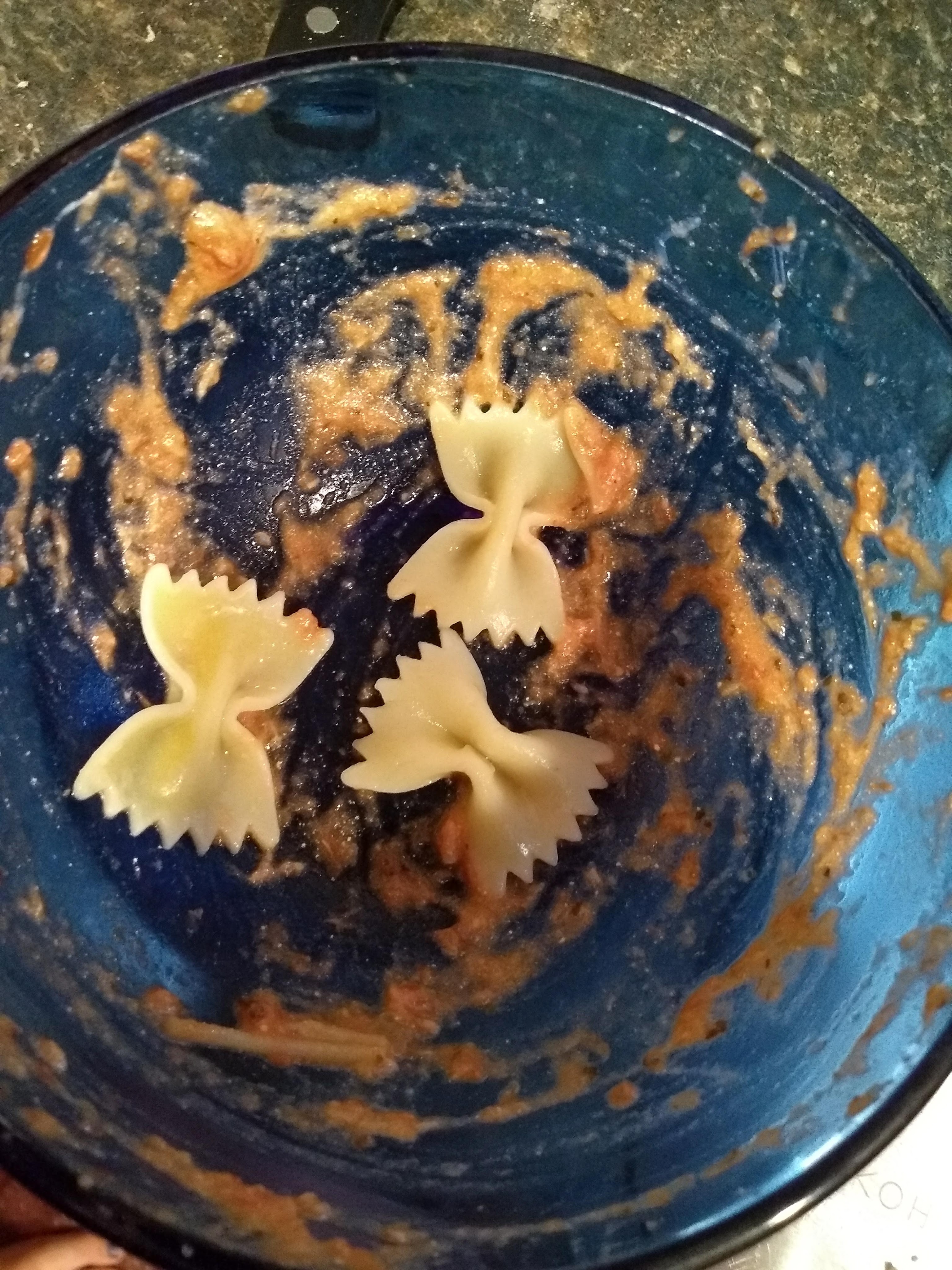
So on a night like tonight that is packed with needs, I am thankful that my children still enjoy me fixing them various bowls of pantry pasta — angel hair, farfalle, or rotini. 3 generations of moms sharing a small ritual when the creativity has left their brain, but the generosity has not left their heart. Just the small act of us being around the table helps drown out the I-should-be-feeding-them-a-more-balanced-meal noise. The rotini is tri-colored. That’s vegetable enough for this evening.