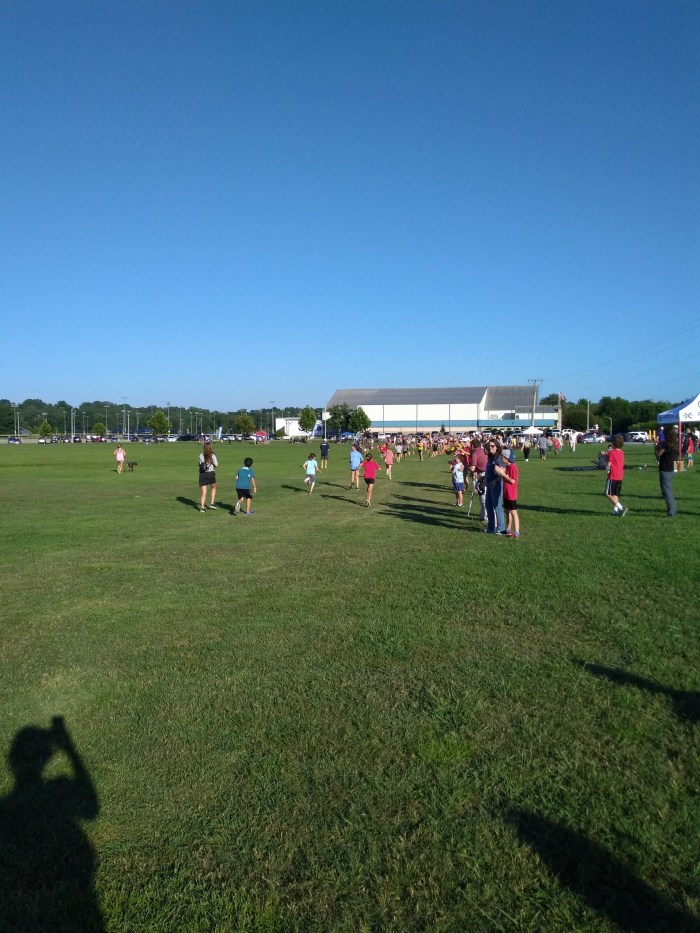
Several weeks ago, the girls and I were discussing an essay by Alfie Kohn called “The Costs of Overemphasizing Achievement”. I wanted his reminders that much harm can be done when we lose sight of what it means to be a lifelong learner. As we talked, a brilliant metaphor popped out of someone’s mouth. She said, measuring your personal best is kind of like an Olympian runner deciding which view he’s going to take when the race is over– the view where they are all ranked from ‘best to worst’ or the side view where the camera has to slow down so much to even see the hundredth of a second difference in their performance. The first view says that getting a medal and glory is the highest goal, but the second view says “we all trained incredibly hard with what we had and that’s the best we could give that day”. A ranking view is vertical and hierarchical, whereas the side view shows a horizontal effort from everyone and a driving passion.
I’m 25 years older than the girls in the program, but I told them that I am still learning these lessons, especially as a parent. I often rank myself — coming in 9th place for “consistently provided kids swimming lessons” or 5th in “children have matching socks to wear”. Busy days like today particularly catapult me into a ranking view of motherhood. Kids arrive home from school, back to back appointments, pick up something from Walgreens, drop off library books that are due, go to a cross country meet, come home to make dinner, bathe toddler and get her to bed, finish mixing pumpkin pie filling for tomorrow, unload and load dishwasher, write this blog post and struggle to keep my eyes open.
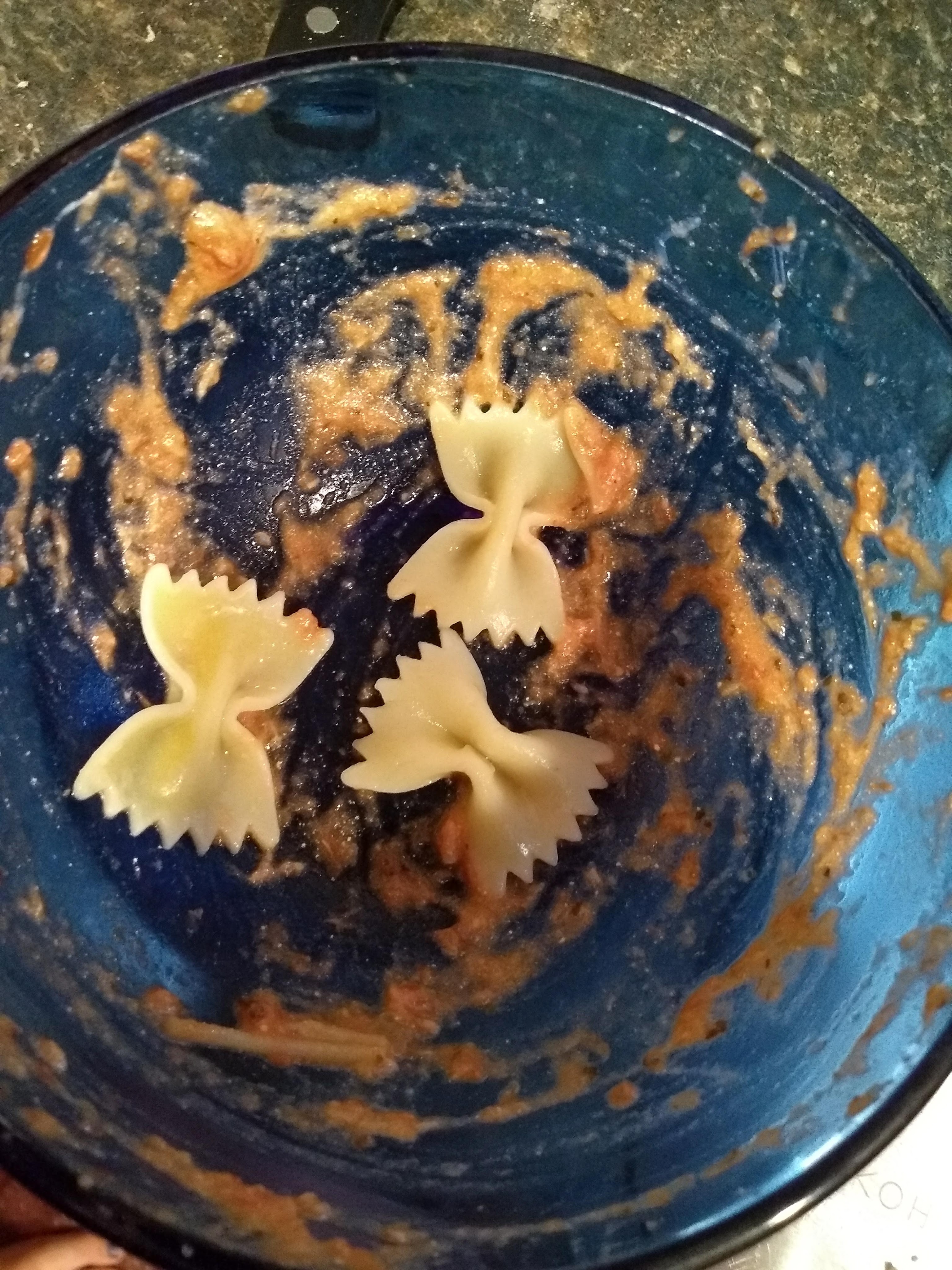
Mercifully, most days aren’t quite this full, but I was reminded of a saving grace that helps me take the side view of parenting — MaMa’s spaghetti. It’s a running joke in my family about how when my sister and I visited my grandparents in Nashville, MaMa would always have a crockpot full of spaghetti to greet us. She did this for years, and as I was quietly told after she died, it was because my grandma wasn’t the best cook but always wanted to provide something that would be well received by the grandkids. For a bit of context, MaMa was the youngest in her large family and both her parents died when she was very young, causing her to get tossed around to various siblings for a time. She also married young by today’s standards and worked a lot when PaPa was on the road playing steel guitar; she didn’t exactly have the time or emotional energy to pour herself into creative cooking. If I get a text from my mom asking what my kids will eat when they come over, I sometimes reply, “MaMa’s spaghetti is always a hit!”
So on a night like tonight that is packed with needs, I am thankful that my children still enjoy me fixing them various bowls of pantry pasta — angel hair, farfalle, or rotini. 3 generations of moms sharing a small ritual when the creativity has left their brain, but the generosity has not left their heart. Just the small act of us being around the table helps drown out the I-should-be-feeding-them-a-more-balanced-meal noise. The rotini is tri-colored. That’s vegetable enough for this evening.


 Maple Key Tutoring