Taking ChatGPT For a Spin

I did it. I caved. I read too may articles not to. Whether people in my profession like it or not, chatbots are changing the writing landscape and teachers and professors are adapting to the new technology seemingly overnight.

My husband’s cousin says its great for generating content for his IT newsletter. It has saved him time and energy and he can tweak it by asking it to do more specific things. My husband (whose co-workers generally have grad degrees or more) said that they have used it to generate blog post titles and the suggestions have actually been pretty solid. I have seen articles interviewing realtors who say it saving them a ton of time on content creation. I have seen it suggested that ChatGPT is also a fantastic “study buddy” who can help generate questions on a topic you’re going to be tested on. It does seem to have many uses in field of writing, so I tried to see if it could title a blog post I had been thinking about composing.

They all sounded like clickbait. So I gave it some feedback and its responses were way better!

I settled on #5 and then asked it to write a blog post based on the title. That’s where it got interesting.

Its first attempt read like a Wikipedia article — factual and logical but devoid of any voice. I suggested it give me more sophisticated syntax and poetic style. Its next attempt was markedly better in style, but still too broad. I said I needed more specific stories or narratives to incorporate into the ideas of the piece. It gave an example of “cooking grandmother’s lasagna” but that’s about as close as it got to being relatable. I asked it to write more like the New Yorker. It just shuffled sentences and paragraphs around. I asked it to write like The Atlantic and it did the same thing. In frustration I finally said “this needs to be more literary” and it just couldn’t do it.

What are my conclusions? Nothing definitive because my understanding is that these bots are only going to evolve and get smarter the more we use them and tinker. It seems to have the 5-paragraph-essay (blech!) down to a science, but it could not create a unique voice. I wonder how long that will last? Let’s just say, for now I am going to keep writing my own blog posts!

Becoming Placed

If you haven’t had the chance to meet Jill, you should. She’s the property manager for her family’s farm (High Point Farms) where Maple Key is located. She is by far and away one of the most generous people I have ever met. Hers is the kind of generosity that is rooted in interdependence, a true and mutual joy in sharing life and resources together.

Jill has been the incubator for countless other people like me including Morgan at Creekside Flowers, who got her business started at High Point. As a side note: Before starting Maple Key, I worked for the tutorial that meets at the farm on M- Th and driving in each morning my girls and I would see Morgan working hard on maintaining the health of her plants. I know she learned a lot from Jill, who also raises flowers for weddings and for individual sale. Hearing Morgan’s story (delivered impeccably, I might add) was inspiring and reminded me a lot of getting Maple Key off the ground. You play, tinker, research, and experiment when you don’t know how to do something.


Such has been the case with our late fall garden this year.

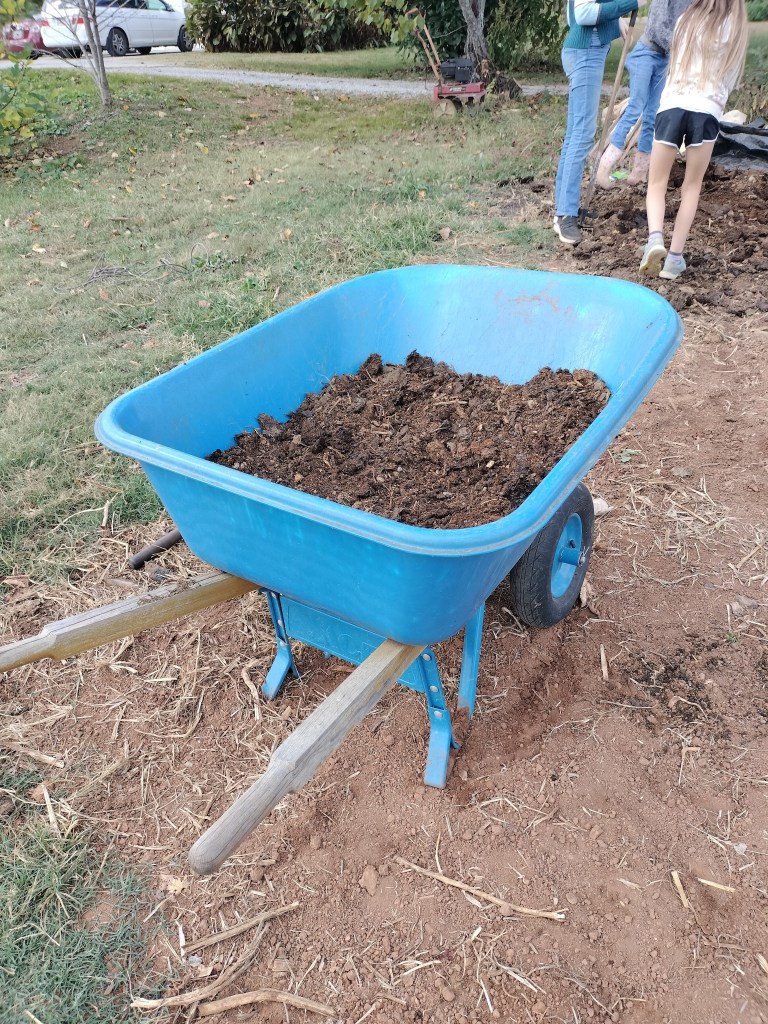
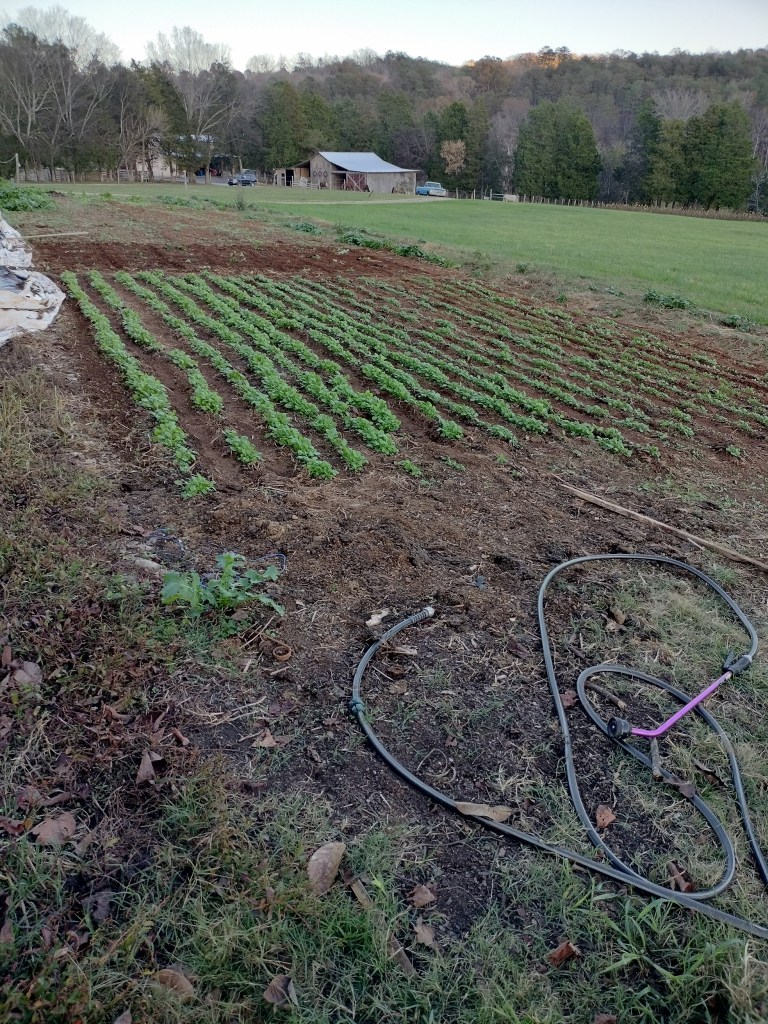
Jill suggested that we start a garden this year and I told her I would need help. My vague cries for direction were met with her voluntarily having a portion of land tilled by the tractor and two big piles of manure from the animals on the farm waiting for us. She even called her neighbor, Joel, who lives a mile up the road from her to come get us started with the garden. I laughed when she said she told him we needed a lot of help because we didn’t know anything ๐Ÿ™‚

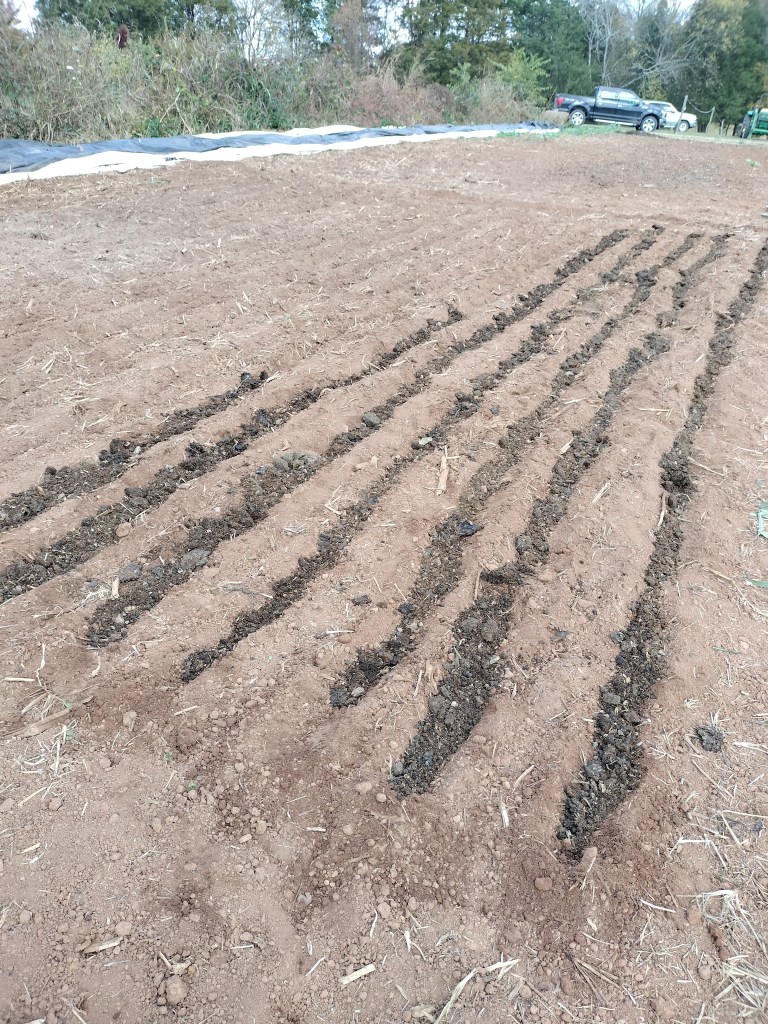
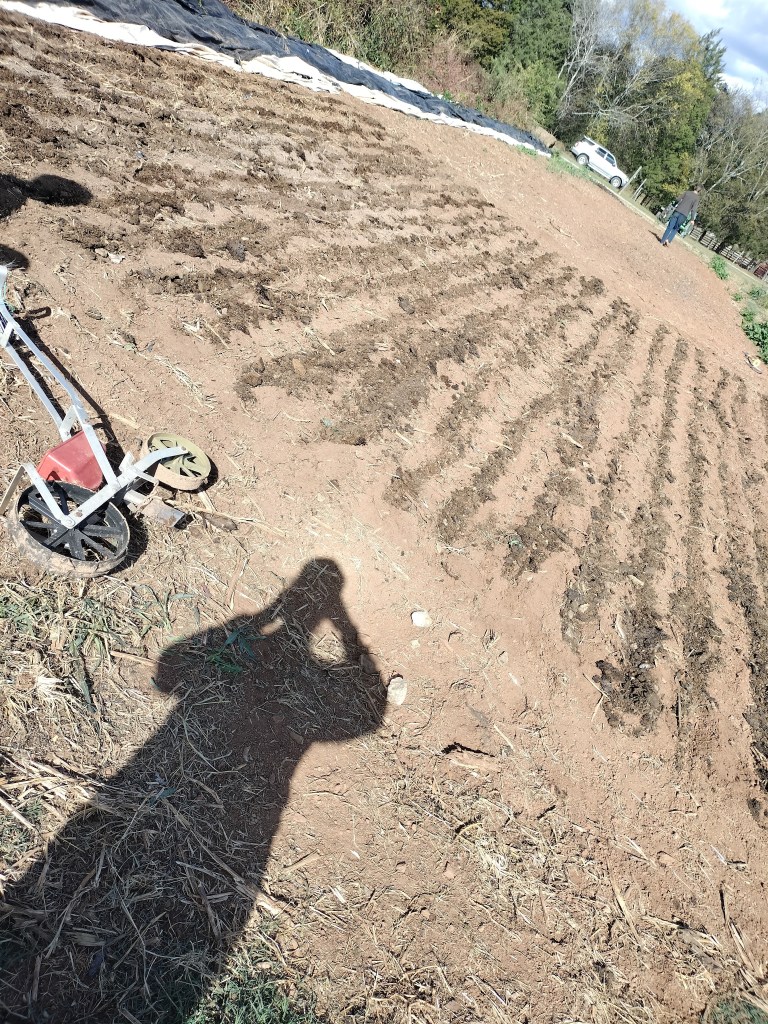
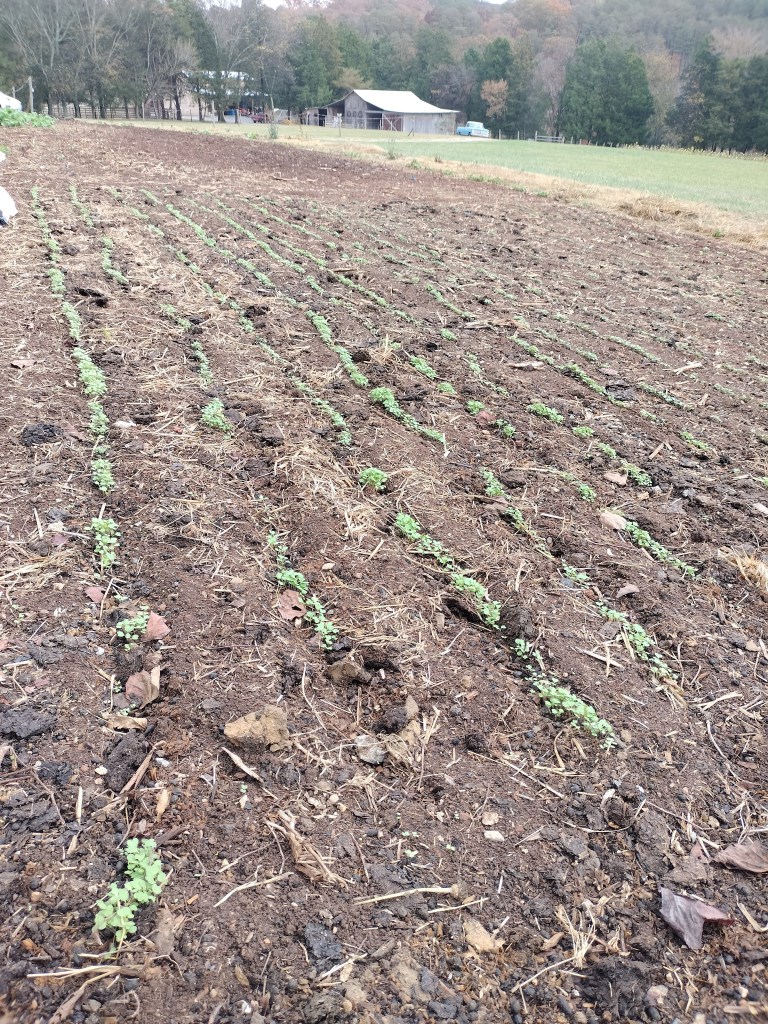
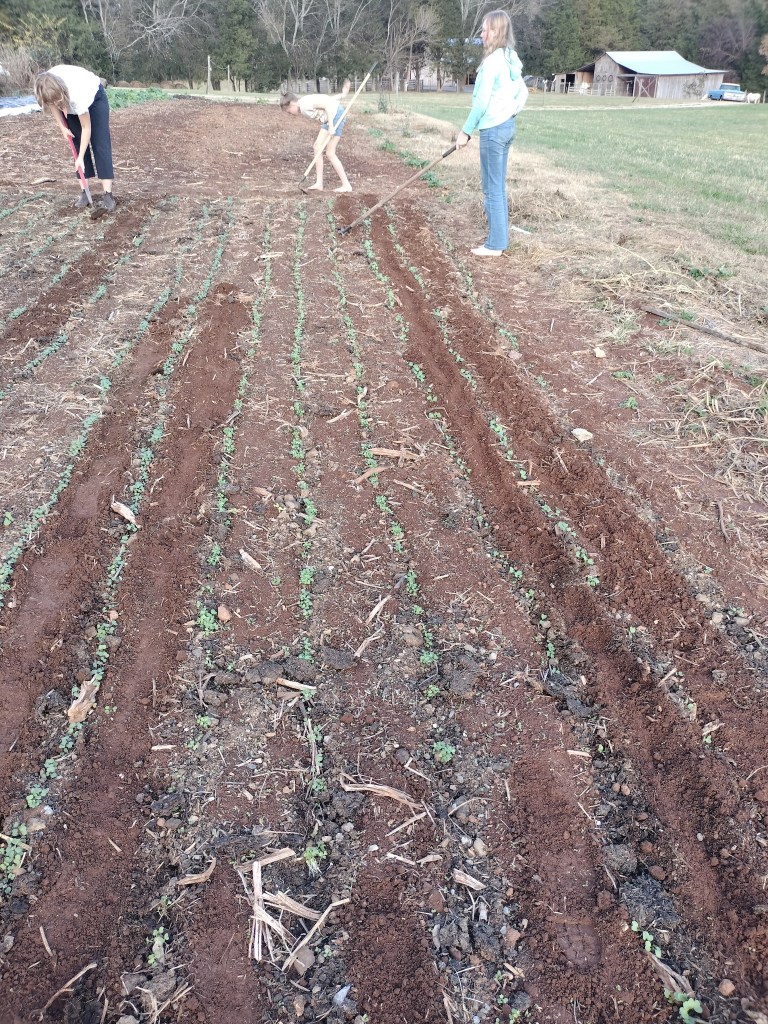
He came out to the farm as promised and skeptical though he was, worked with us for 3 hours (barefoot!) with no breaks talking to us about soil health and the basics of working with minimal tools and dirt since we clearly didn’t have a plan. After we marked off our lines, we used the seeder to ensure a straight row of plants. We watered it heavily and Joel prayed over the land.

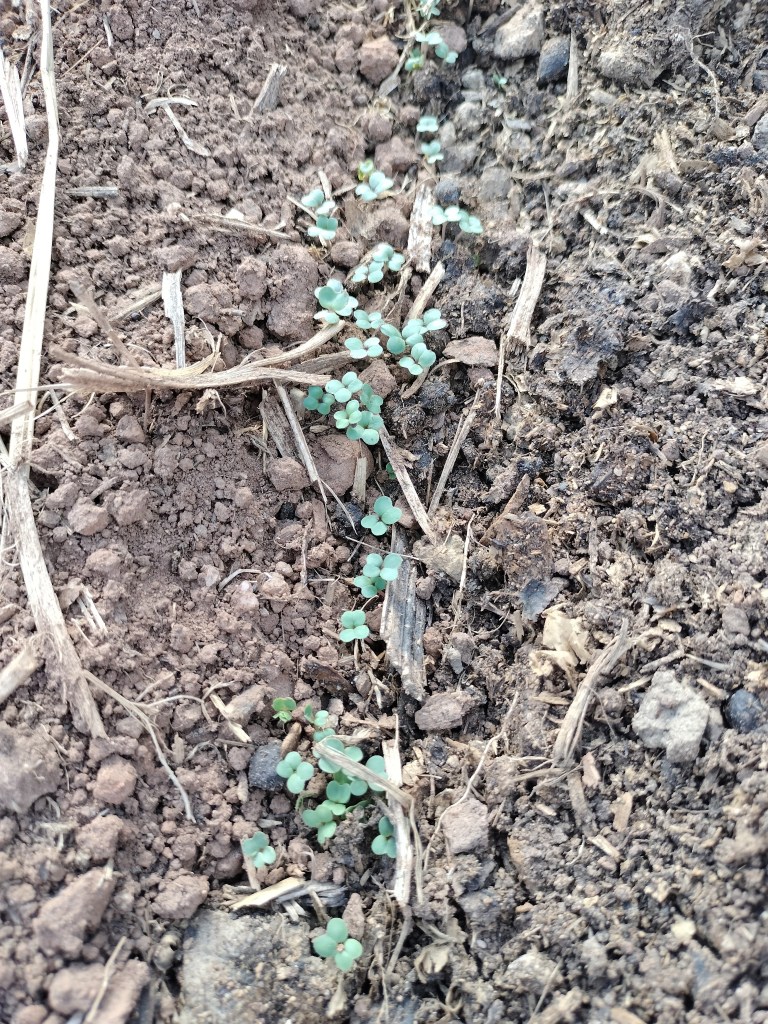
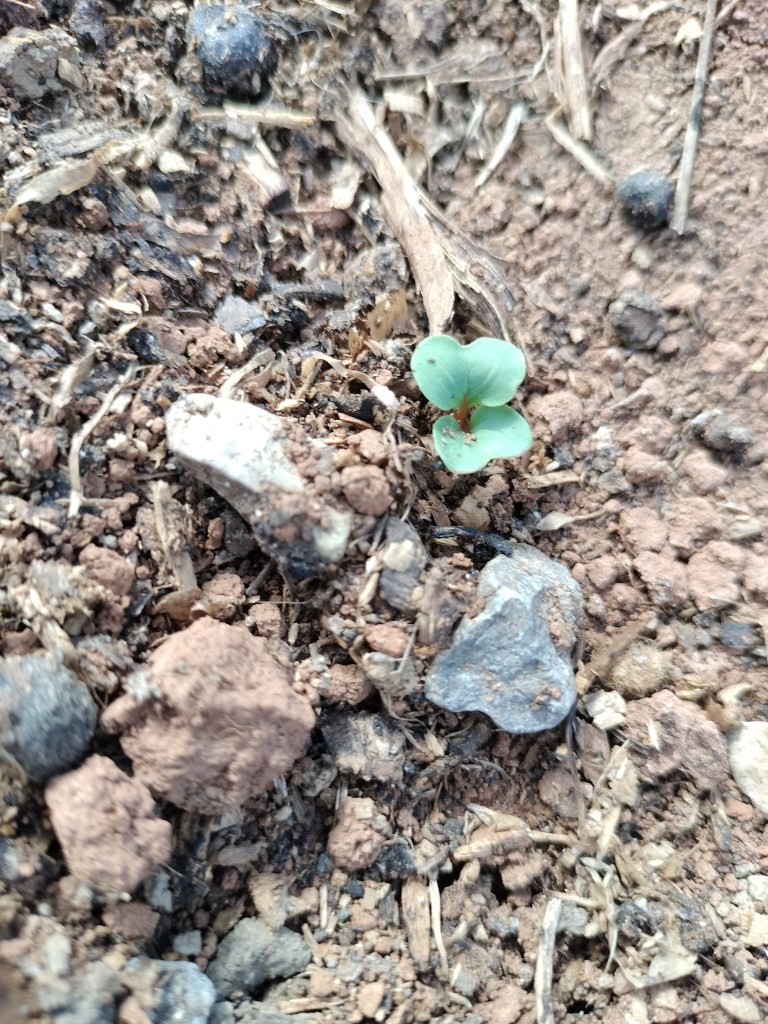
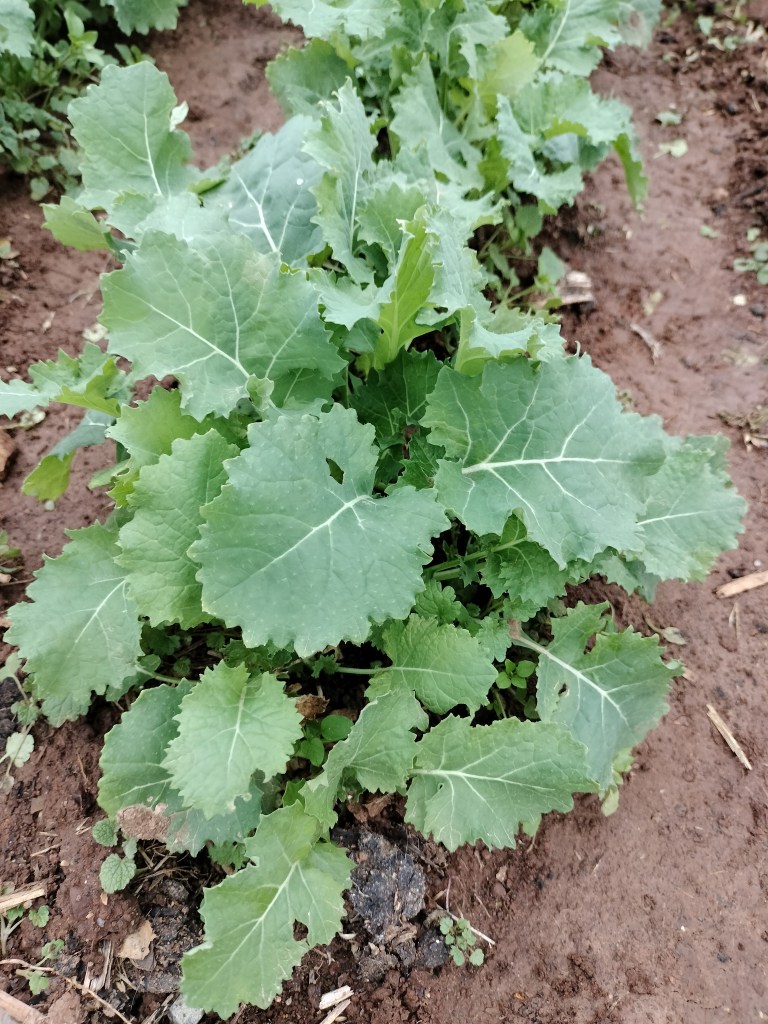
Doing all this work in mid October (instead of August like the internet suggested we should have), we had no idea if the 2 month drought and coming cold snap would ruin our crop, but lo and behold we kept coming back to a new surprise of growth each week.

We only used one-third of the area Jill gave us to grow plants because Joel told us not to bite off more than we could chew. He was right in that trying to weed and harvest that much would have taken more time than we have in our 4 and a half hours each week. We did add some strawberries donated by one of our families though.

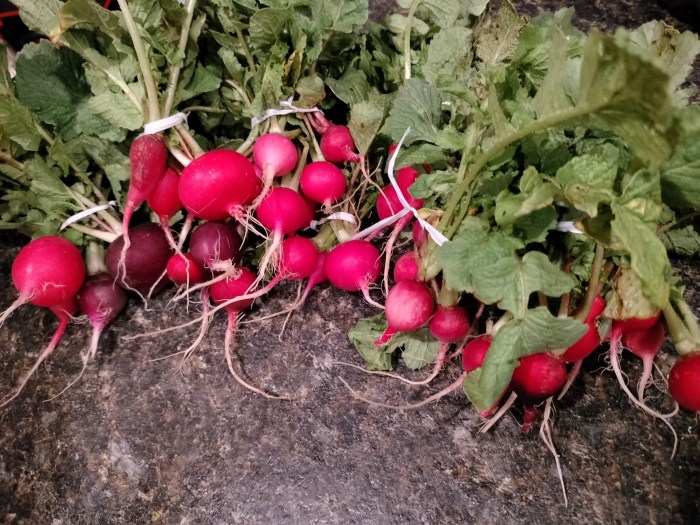
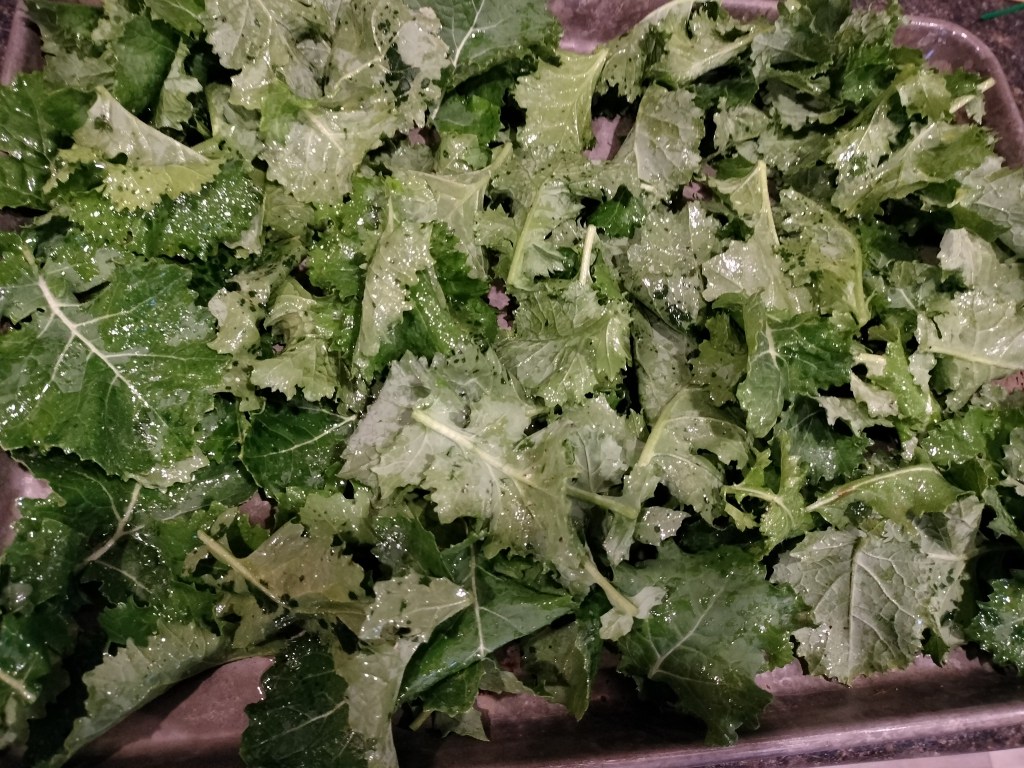
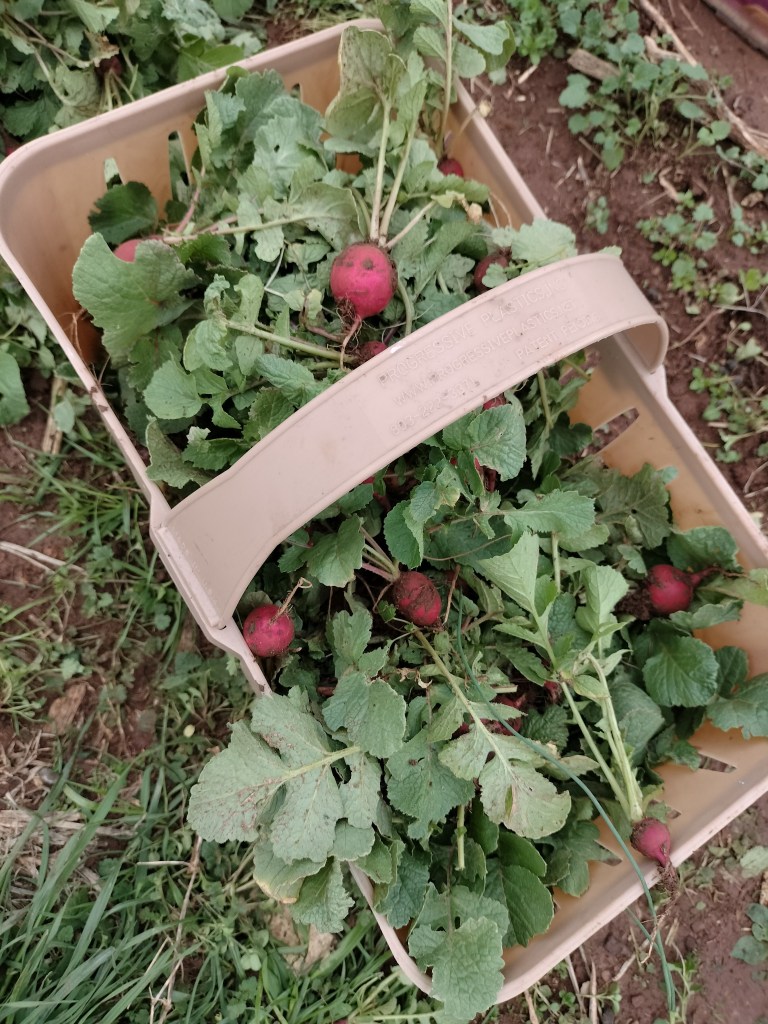
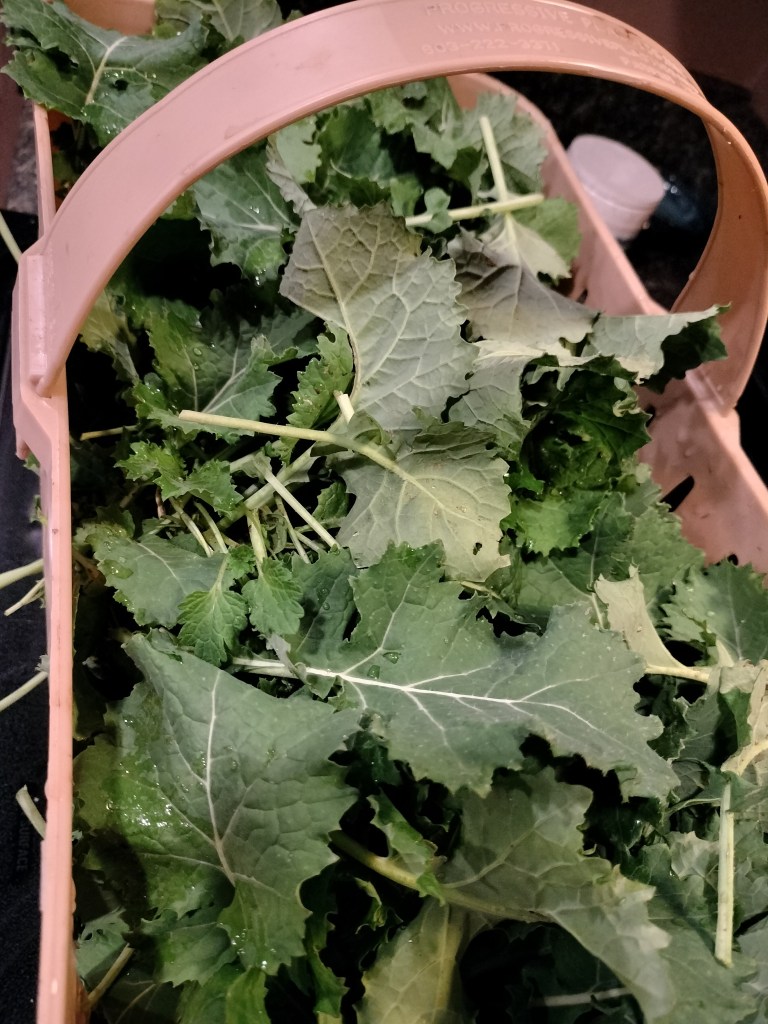
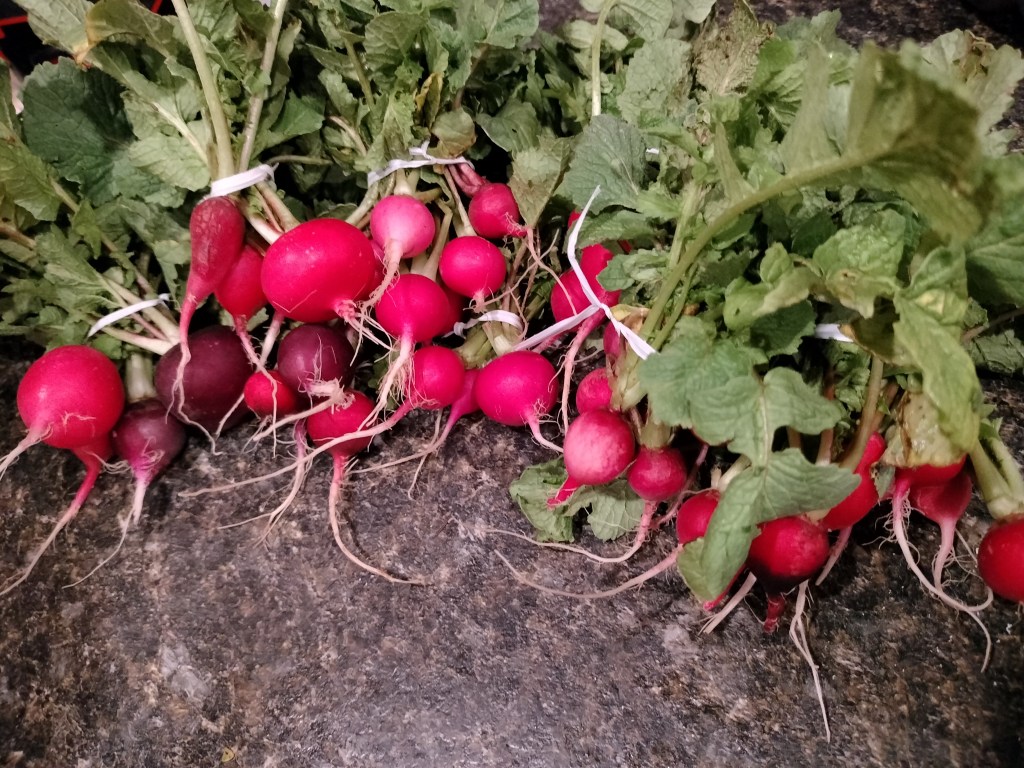
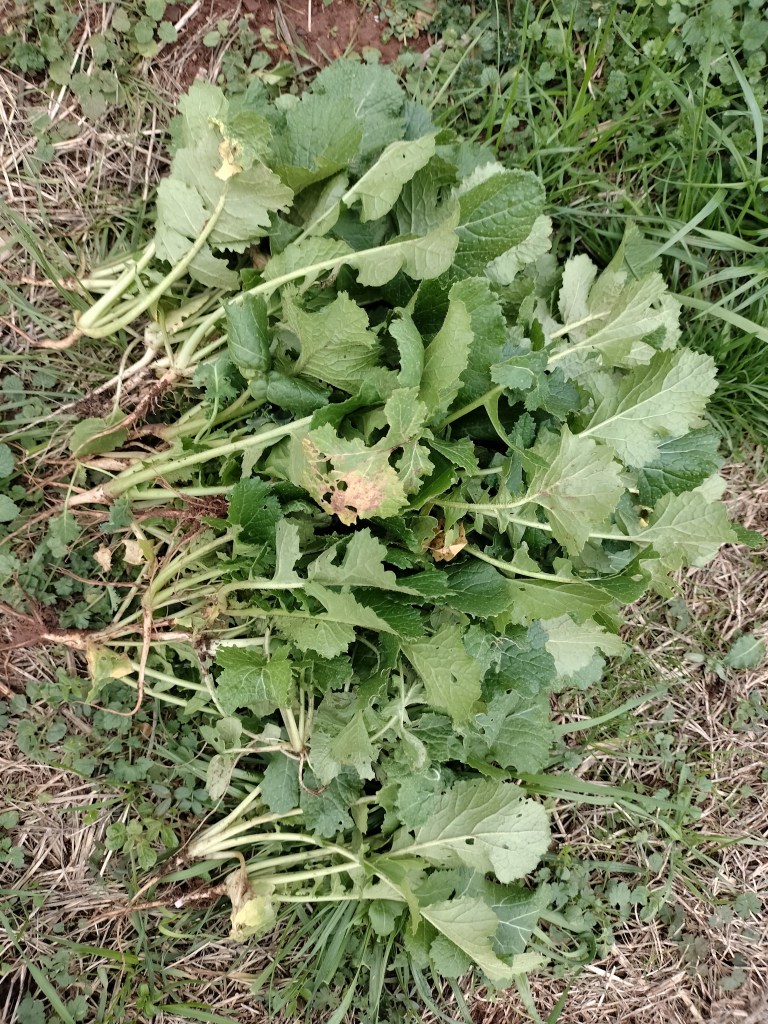
The time finally came when we had our last day at the farm for December. We decided to harvest some radishes, kale, and stray turnips greens that ended up in the other rows. It was more than a complete success. We have more food than we know what to do with, so this year we’re using it in our homes and giving it away to friends. Perhaps in the future we can still enjoy it for ourselves and friends while also selling it to give the proceeds to charitable organizations the girls research or fundraise for a special project.

Either way, there is such profound gratitude in seeing the Lord’s provision and work of your hands.


When it comes to risk, I like to think of myself as being a cautious personality. However, the constructive criticism I hear from other people is that I tend to underestimate what yield could come from faithfulness. I can definitely be like the servant in Matthew 25 that buries his talent and convinces himself he’s being a good steward. My faith in many areas of life is lacking because I hedge my bets to avoid the pain of embarrassment or loss. Modest success is better than no success, right? Reading one of my favorite naturalist authors, Robin Wall Kimmerer, helps me to see a path forward in demonstrating responsibility to something other than just keeping my ego safe. She says in her book, Braiding Sweetgrass:

โ€œBeing naturalized to place means to live as if this is the land that feeds you, as if these are the streams from which you drink, that build your body and fill your spirit. To become naturalized is to know that your ancestors lie in this ground. Here you will give your gifts and meet your responsibilities. To become naturalized is to live as if your childrenโ€™s future matters, to take care of the land as if our lives and the lives of all our relatives depend on it. Because they do.โ€

When I showed my husband the pictures each week, he kept saying, “That dirt must be magic!” Though I know he was kidding, the truth is the dirt has been cared for for decades. They don’t use pesticides. Their compost is fresh. They make sure the pH balances. It is also reasonable to assume that the land was cared for by the Cherokee, a vital part of the history of this land.

The garden has reminded me how much part of “becoming placed” as essayist Wendell Berry says, means growing to love an area through being fully present and acting in faith and commitment to its history of care.

Coach 4 Life

Because I believe in asset based approaches, I recently took a strength finders test.

My top 5 were:

– Coach (supports others’ growth; dislikes wasted potential)
– Philomath (loves learning; dislikes know-it-alls)
– Strategist (sees big picture; dislikes slow decision makers)
– Catalyst (generates momentum from stagnation; dislikes wasted time)
– Brainstormer (idea generator; dislikes closed-minded people and practices)

In other words, I can get a lot done in short amount of time, but I really like to see the long term growth.


I was discussing this with my oldest daughter on the way home from a rainy cross country meet in Nashville. Her sisters were almost finished with their fall sports season with incredibly gifted and kind coaches. I told her my personality was definitely built like a coach and she was confused.

“I thought a coach was someone who screams at their team when they don’t do well after a game.”

I told her, who hasn’t had much sports experience, that unfortunately, some coaches do that but that her ideas were largely formed by TV sports tropes; coaches come in many shapes, sizes, and volume levels. I explained that life coaches don’t yell, but help adults stay on track to meet their goals. I said that asset-focused teachers are coaches because they know that they are only partly responsible for the results; the students is the one who must exercise their agency and make choices to propel their own growth.

She responded, “So you mean like an encourager?”

Exactly.

I have had those coaches that demeaned the players and being a sensitive child who had little tolerance for injustice, I was always demotivated and angry at them. I am thankful that organizations have moved toward placing the child’s needs above the competition through modeling community spirit. Seeing this posted on my old sports league’s website gives me hope that the community will hold itself (and all its coaches) to a higher standard and that’s just good for everyone.

I will never embarrass my child or [this organization] by verbally abusing/insulting participants, coaches, board members, other parents or officials.

Also, I understand that the stands are NOT the place to shout personal instruction.

If something occurs with which I disagree, I will calmly seek an appropriate solution, at the appropriate time.

I understand that instigating or participating in a confrontation in front of any child is NEVER appropriate and will not be tolerated.

I will never lose sight of the fact that I am a role model. I understand that children imitate their role models and by acting appropriately.

I will be modeling what I expect of my child as well as influencing others in the program.

When I look for people to help with Maple Key, I look for coaches though I don’t want their leadership profile to look just like mine. With the unique skills God has given them, these tutors see what can be when the girls in Maple Key learn over time the habits that are worthy of pursuit while knowing that making mistakes is a part of the cycle of growth.

Come to the Potluck!

Photo by Kaboompics .com on Pexels.com

An opportunity presented itself this fall at our church. We have been looking for practical ways to engage our community and after much discussion, being able to teach financial literacy to low-income participants made the most sense. I signed on to be the facilitator for the group which means I will help everyone engage the content every week. Each participant in the program will have an “ally” who comes alongside them as new concepts are shared and practiced. Everything about this program is based in best educational practices which affirm the dignity and worth of everyone in the room, so I love this program on a number of levels:

– Teaches basic money management skills, not just focusing solely on wealth accumulation
– Focuses on interdependence — allies, participants, and facilitators are are on equal ground (i.e. no hierarchy — everyone has something to bring to the “potluck”)
– Explains that people’s life outcomes are not just the sum of their choices and that broken systems do exist
– Dialogue and movement based education, not lecture style
– Encourages fellowship around a meal as often as is possible

Now, as a disclaimer, my husband works for the organization that runs this program, so I have been hearing about all of these principles for years. Not surprisingly, this training confirmed something I know very well about myself — it’s so easy for me to load up on book knowledge and have ZERO experiential knowledge. When I hear from the other people in my training cohort, many of whom work with consistently work alongside clients who can benefit from this, I realize I am handicapped by knowing all the “right answers”, but have never seen this program played out before in real life. In many ways, they and their clients have a greater understanding of this content than I do because they have felt it in their bones; the ups and downs of difficult financial circumstances live in their bodies. Meanwhile, I have a heart to serve, but am often stuck in my head with a financial safety net.

Honestly, I am excited to learn from the participants because I know too many people who are quick to invalidate experiential knowledge as a legitimate way of knowing things. If it didn’t happen to them or someone close to them it doesn’t count. What deeper understandings do we miss when we don’t listen to peoples’ stories? Can we acknowledge that we’re all broken and gifted in different ways and one kind of brokenness or giftedness is not superior to another?

My training to become a facilitator reminds me that one of my goals for Maple Key is to always have learning from one another in the forefront as a means of grace and understanding in all the activities we pursue.


Mycology Morning

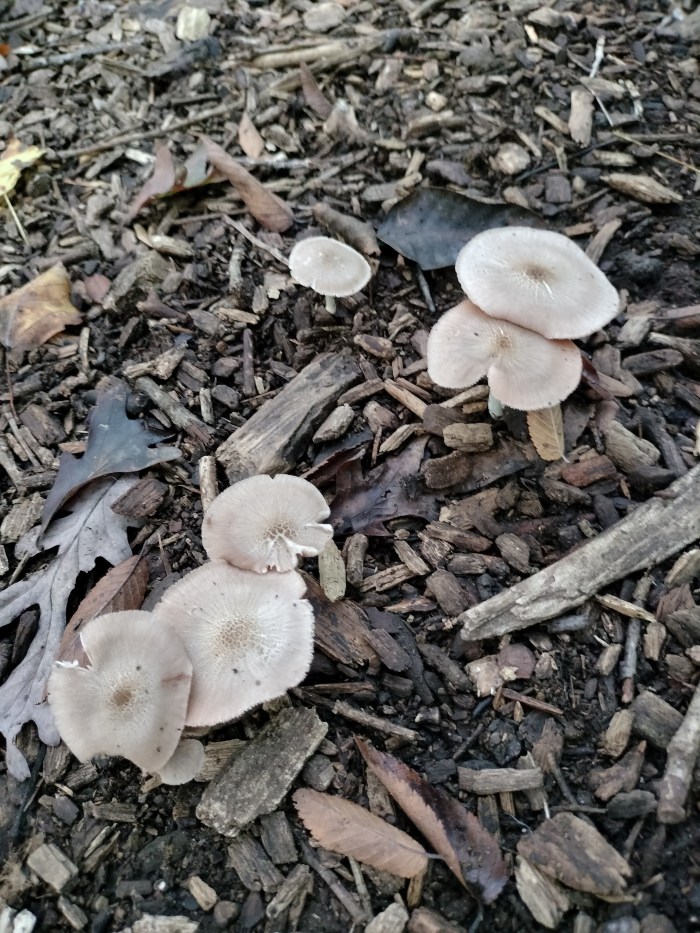
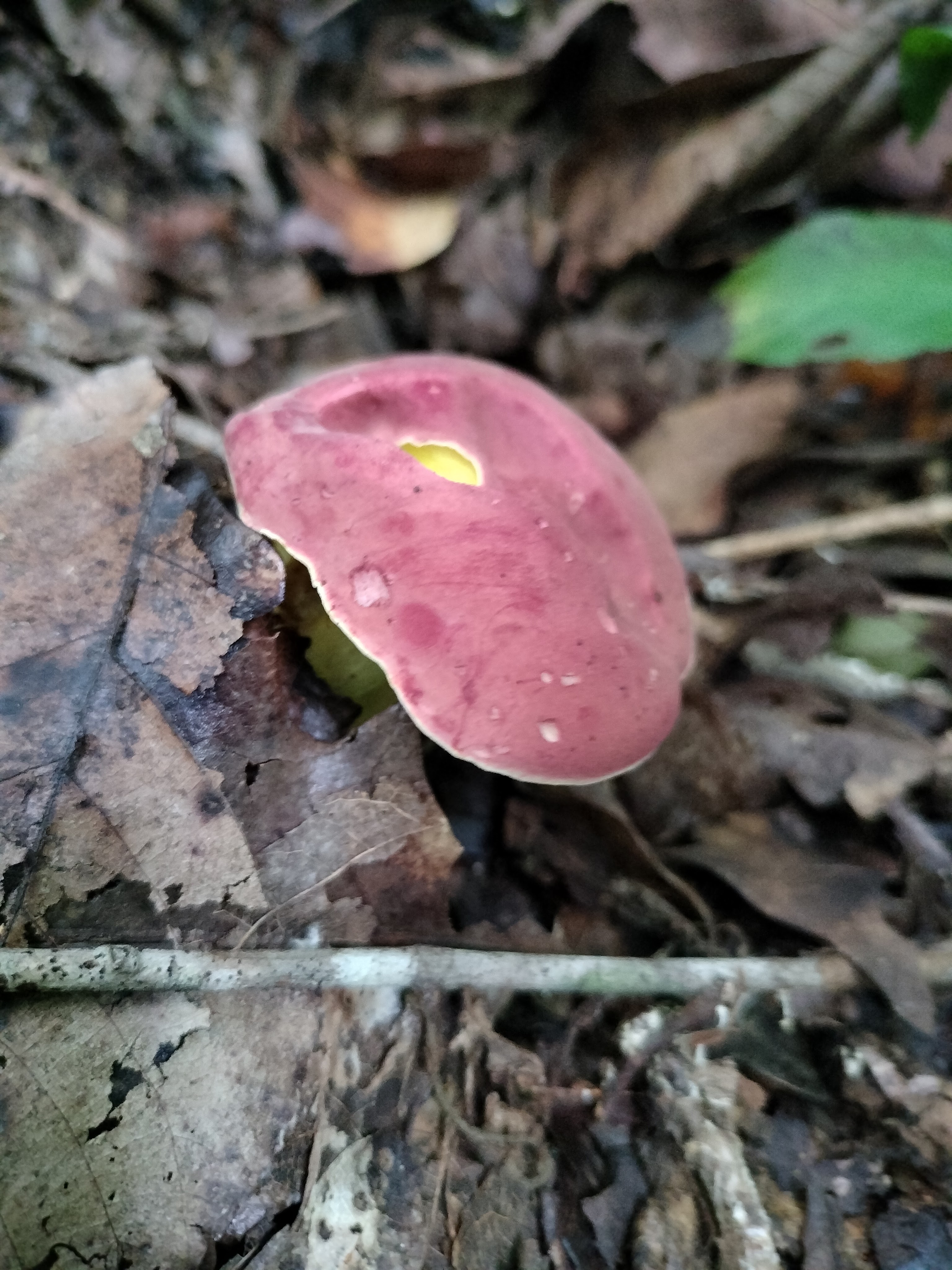
When you homeschool and do sports, your field options are limited. My middle daughters are both running cross country this fall, so public spaces are our friends. We have been at three different locations for team practice and they have all been verdant, humid, and somewhat muddy because well, Chattanooga is like that sometimes. This year we had a very dry season followed by an incredibly rainy season and when the rains come down the mushrooms come up!

In the bolete family
Thinking it’s a hygrophorus milkcap (edible, if so, but not going to try it!)

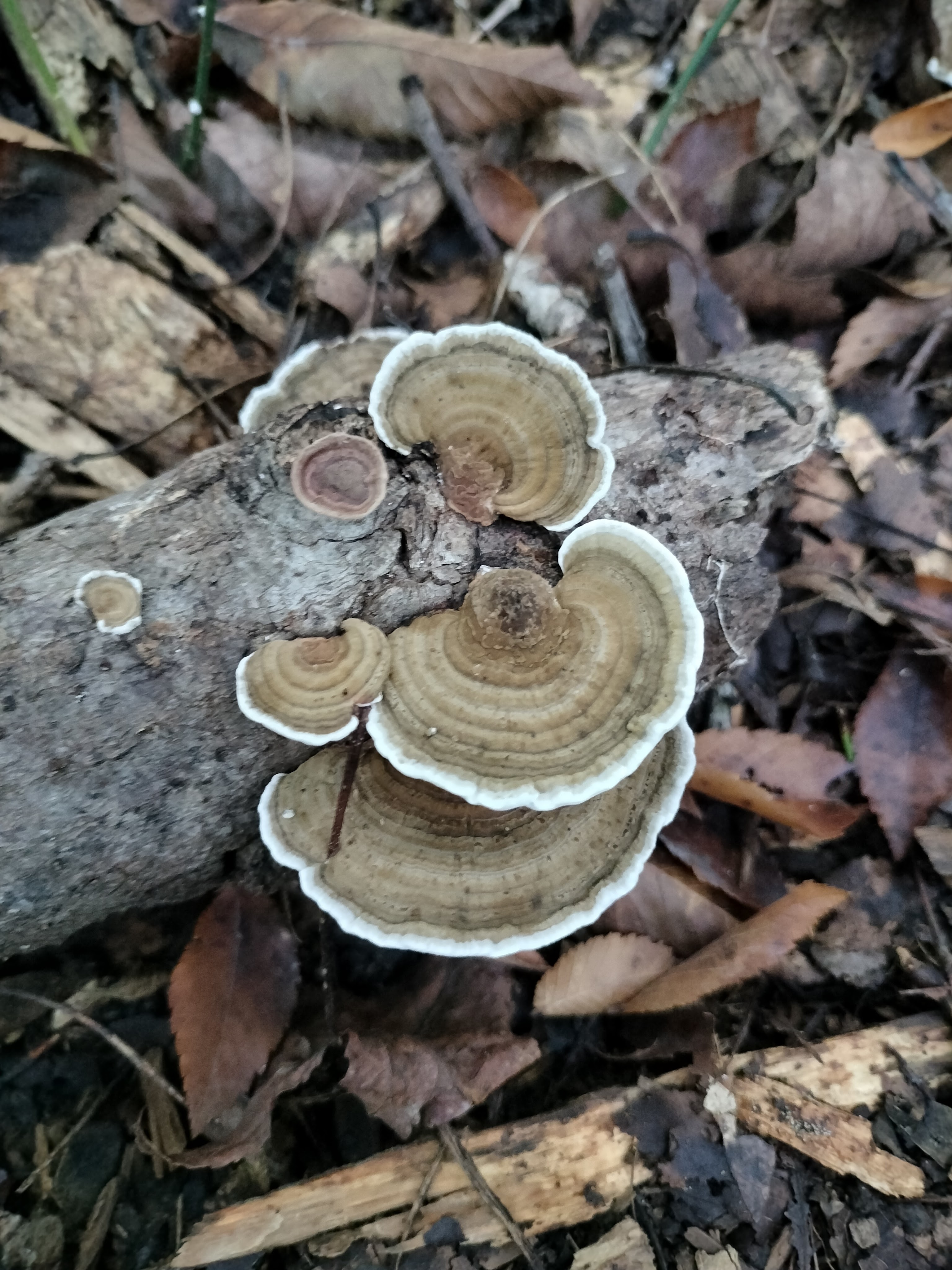
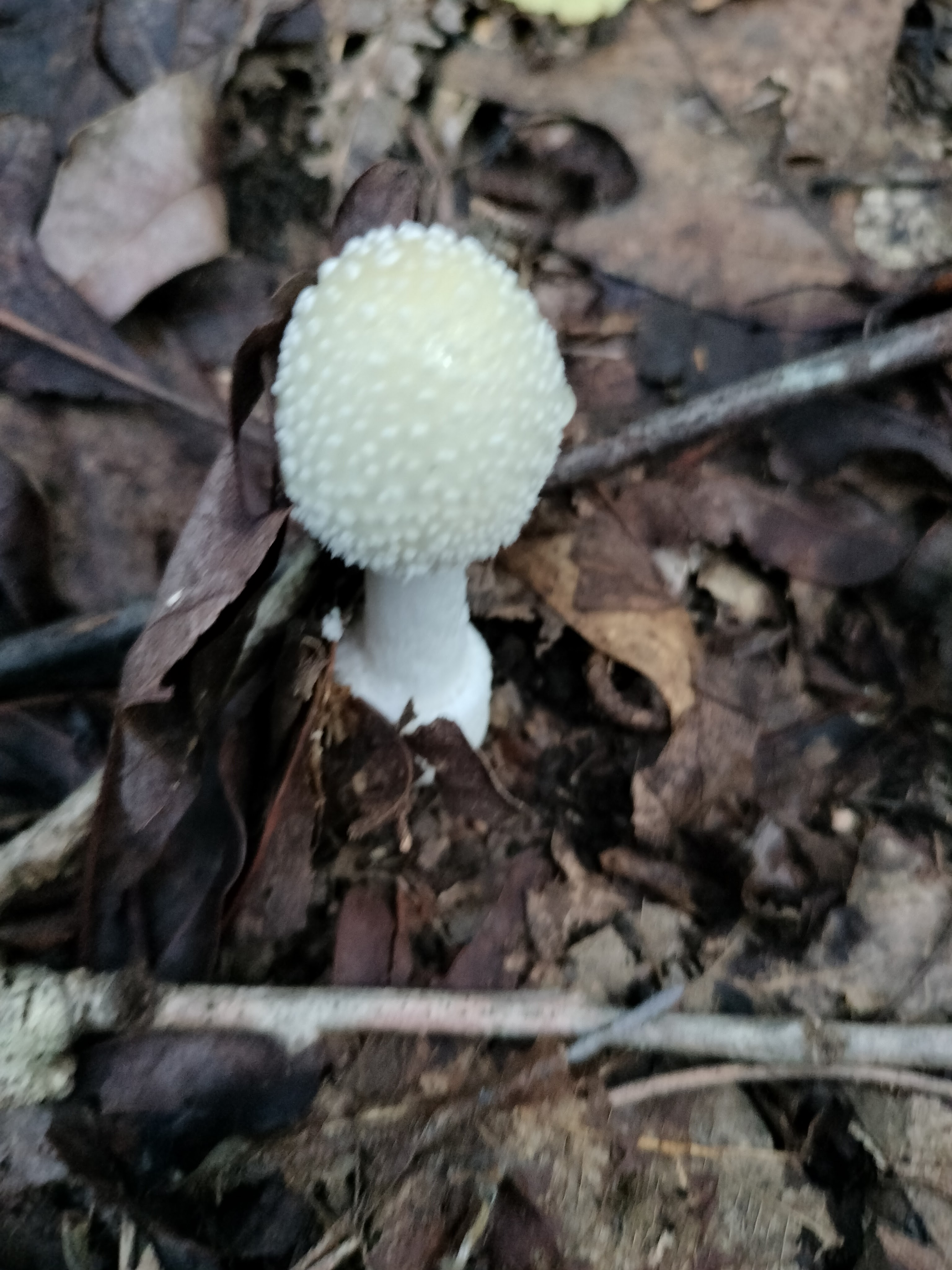
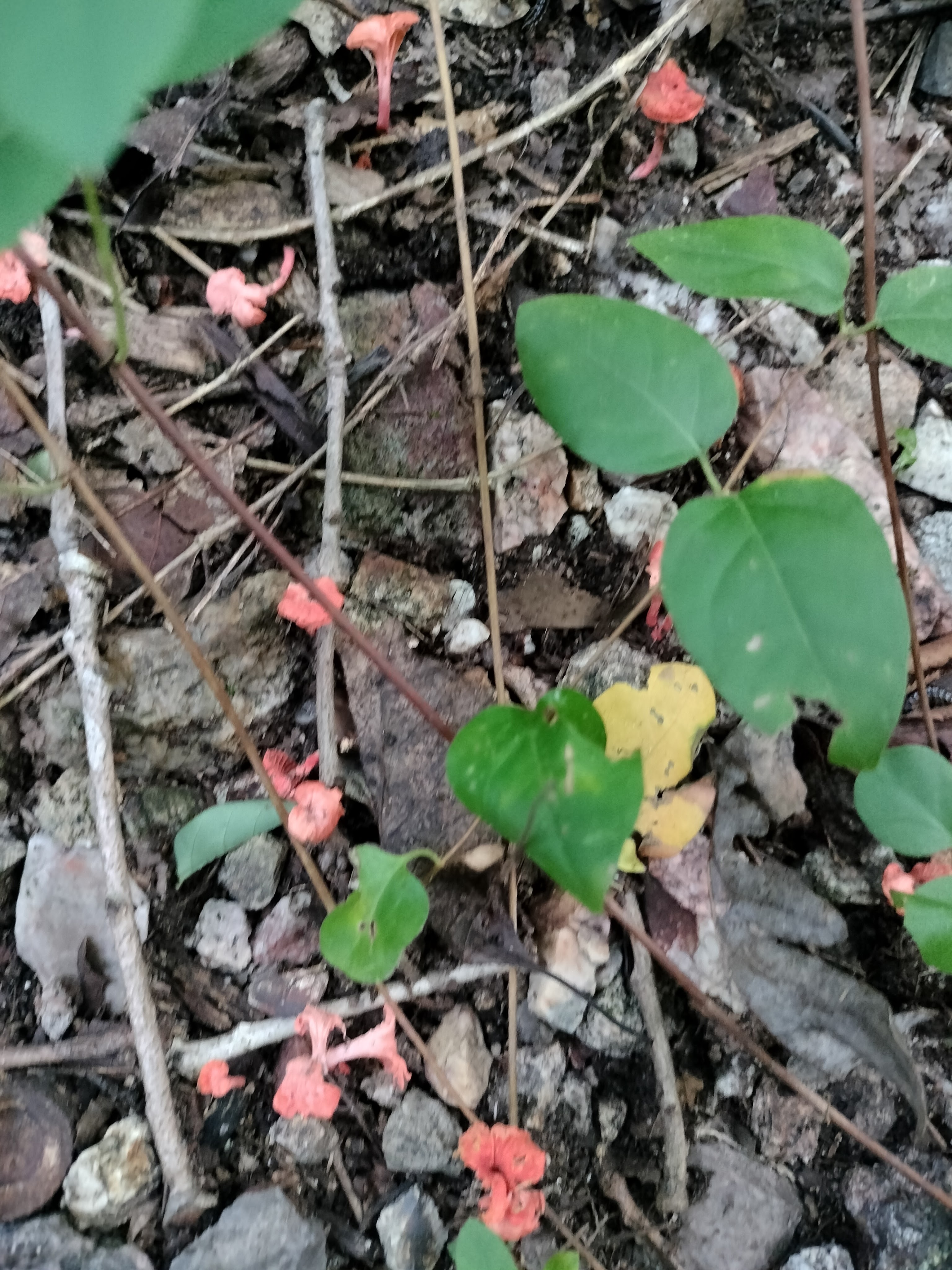
So while patrolling the trail the students run on, I snapped a lot of pictures of those mushrooms because I want to get to know them at least a little better. I have an app called iNaturalist that I upload them to in order to attempt to identify them (but it’s still hard!). Of course, I have no intentions of being a mycologist or forager, but I do want to always be an observer and discoverer.

In the book Atomic Habits, the author explains that if you want to become something you have to have the habits of someone who is that. For instance, if you say to yourself, “I am someone who observes things closely.” Guess what you have to start doing? Act like someone who observes things more closely. You might start noticing what color your co-workers are wearing. You might count how many stairs you have to climb to get to your bedroom. You might start looking for mushrooms on your nature walks when it’s soggy.

Hmm.. Gray bolete?

For me, my default can be inattentiveness. I have tons of exciting ideas visions swirling around in my head, so taking time to notice what’s been showing up in creation year after year is often a big effort on my part. However, as I have been developing this habit (and encouraging it in others) a whole new world of wonder has opened up to me. Something breathtaking finds me when I least expect it.

Learning even the tiniest bit about mushrooms in one local spot means I will also learn to call them by name around my house and that’s exciting news. I can start asking more questions about them. I can paint them. I can enjoy them with my kids. I can understand my region better. The possibilities are endless when you’re curious!

So next time you’re out at Enterprise South for a run, say hello to the runners, bikers, walkers, and fungi you meet! Trust me, with as many varieties as there are out there, it will keep you busy for a lifetime…

Possibly a ruby bolete?
Some kind of turkey tail?
This could be lots of things in the coral fungus family?
Perhaps some kind of amanita? (if so, poisonous!)
Red Chantrelle? (edible, if so!)

On that note, here’s a poem to encourage you on your way to more observing!

“Some People Cry, Some People Do Other Things”

I have a thin scar between my chin and mouth. It’s offset to the right of my face. When I was in 3rd grade, I was hitting a beach ball over the swingset with my sister in our backyard. Our next door neighbor was playing on the tandem swing seat at the same time. I dove for the ball while he was gliding forward with all his momentum and suddenly an ER visit was born. Thankfully, my dad was home when my face started gushing blood. What do you put on a face wound like that? My memory recalls an ice pack or cold water in the mix of temporary relief in order to get me to the ER (ultimately a drenched washcloth compressed to my face did the trick).

I have a strong memory of my dad driving like a banshee in his red S-10. It was the first and only truck he ever owned because a few years later a drunk driver hit his truck bed and the sports trading cards he was transporting for his business flew all over the road. It’s a strange irony knowing that my dad’s body experienced reckless driving for different kinds of numbing — himself full of adrenaline driving a hysterical child whose face needed an anesthetic and colliding with a driver whose ability to cope with his trauma that day was maxed out.

Eventually my mom showed up and waited with me in the emergency room, too. Before they stitched me up, there was a part of me that wanted to see what the pain I was experiencing actually looked like on my face. I was too afraid to actually push hard for a mirror, but I remember my mom telling me that I really didn’t want to or need to see the hole. I somehow soldiered through the suturing that eventually left a bright red scar which showed up prominently in my class picture along with my brushed out curls (not sure which was worse my or hair or the scar). However, at age 38 even my own four children haven’t noticed the scar that I used to get a lot of questions about, so the doctor apparently did his job well.

My husband recently got to experience a similar fate as my dad, our first ER visit with a child after 13 years of believing we could avoid it. We were camping with church friends watching a movie at someone else’s site while he was about to put our four year old to bed. She had been monologuing and wildly gesticulating as children her age often do for 30 minutes. His wise strategy was to let her keep talking until she wore herself out. Unfortunately, as he was about to get up to escort her to her sleeping bag she made a miscalculated movement, tripped, and fell back into the smoldering fire. He quickly yanked her out as her favorite nylon princess nightgown instantly melted in the back. He rushed her to water and mercifully none of her outfit stuck to her. Her right hand did get licked by the flames though and it required some quick decision making. Both flooded by adrenaline, we ultimately decided for him to take her to the ER back home an hour away and I stayed at the campsite with the other girls until morning. Her initial care went smoothly and she got the ointment she needed to start the healing process.

When we all got home, my husband asked me if I wanted to look at her melted gown and I immediately said, “No!” My body’s reaction took me right back to the ER of my childhood, being so thankful I chose the parental wisdom in not being permitted to see the hole in my face. Instead of carrying that image in my mind for the rest of my life, I can now only see through my scar the healing that took place. I hope my daughter doesn’t ask to see her gown again, having to see the image of the gaping hole and the knowledge that she can no longer wear it and the memory that it burned right off her. But if she does, I will lovingly explain why I threw it away. I might wonder if that was the right decision for her as it was for me? Taking away the images of what could have been and focusing on the healing that lies ahead.

The papers from the hospital said there’s a possibility that even with the ointment her hand might be slightly discolored from the healing process. Our hope is that it will heal up entirely with no trace. But if not, she’ll end up like me, with her own story to tell about how her daddy showed up tender in his own way with a wound care variety pack and a box of fruity tic-tacs.


Before taking me to the ER, my dad was no stranger to hospitals because of the many surgeries my sister had to have due to her hydrocephalus and seizures. He showed up time and time again for her, my mom, and me. He still shows up in how he treats his granddaughters with the same level of sacrifice, spoiling, joke telling, and concern when someone is upset. Seriously, if there was an award for the grandfather who has played the most games of Candyland to calm someone down, he would win it no question.

I knew I wanted to marry my husband when I saw how deeply he thought about the implications of life. He read tons of books, was an incredible writer, and always kept his dorm room exceptionally neat. I don’t know that I believe the adage you try to marry someone like your father. There are many ways my husband is not like my dad at all, but I find that to be a healthy thing. In the ways that truly matter, I have two men in my life who are just alike — they.show.up.


Given the nature of this post, I am crying while writing it. I choke up a lot more these days than I used to: tears mean that my mind and body are processing well together. Writing out my memories means a similar healthy expression as well. Our oldest daughter, when chided by her younger sister about not crying at the news of her younger sister being burned, had her notebook out and was trying to write the events of the day by headlamp in the tent. She said as stoically, confidently, and slowly as a firstborn can, “Some people cry, some people do other things”. Her attempt at writing the facts helped her nervous system process in a way that kept her from completely losing it over her littlest sister’s injury. She might have taken my somber marching orders for everyone to get good sleep and not freak out a little too seriously, but I hope she heard my tears on the air mattress, too.

The Editing Process

I was recently given an advanced copy reader by a college friend whose book is coming out in July. I was so moved by her words that I wrote a book review to hopefully help it get some early press. I spent several hours over several days typing up an opening story and deciding on the section headers and how to flesh them out. I edited it multiple times and thought, “This is long, but it’s pretty good after all the effort I put in!”

And then I let my husband edit it.

Comments and edits galore in the margins. At one point my hand got tired of clicking all the accept changes. In full disclosure, editing is part of what he does for a living, so I know anything I give him is in capable hands. However, it’s still hard to “watch the sausage being made” as the saying goes. I want to believe that I can dash off something amazing with no help — my ideas are pure and unadulterated. But if I buy into that kind of idealism, it only hurts my work, not helps it. My tunnel vision can end up squandering my gift, not nurturing it.

Per his advice, I went back and worked on it some more. He promised to look at it again before I submitted it to a publication. If it gets accepted it, there will be minimum of one more set of eyes to shred it again.

After my husband told me he was finished, I asked him if he thought the place I wanted to send my work to would shave my work down substantially. I reminded him that he had submitted a book review there that was 1900 words and they chopped it to 1400. He said it depends on what the publication is going for, but that he actually appreciated the edits he received because nothing the editor did took away from the big picture. Even editors liked being edited well!

To be a better writer you have to be vulnerable and acknowledge that your idea might need help. When you think you’ve done your best work, there will always be someone out there to suggest an opportunity for more word color or to say, “I see where you’re going, but this train of thought doesn’t fit.” If you’re always defensive about a comment or think that your words are right up there with Shakespeare on the first draft, you’re in for a harsh reality check. Consider the editing process a collaborative effort, not a competitive one. You’re all on the same team with the same goal– making your work shine for maximum impact. Having your words filtered through multiple lens (of which include might include people of a different race, gender, geographic location, etc.) before your piece gets sent out into the world can be a blessing not a curse*.

*A slight caveat. I have had a friend say that she worked on a piece for over a year and she shopped her work around. Some places rejected it, some said it needed tweaks, and finally one publication took it as is. She chose that publication for that particular piece. There were other pieces where she received some feedback and gave both pushback and acceptance of their edits. Ultimately, you have the choice to negotiate (or not!) whether the other person looking at your work is catching your vision and voice. On the whole though, most editors have had enough experience to craft and not wound.

Lessons from a Robot Vacuum

Photo by Ron Lach on Pexels.com

One of the best pandemic purchases we ever made was our Shark robot vacuum (affectionately known as Umizoomi, Umi for short). Having never experienced a machine like this, we particularly enjoy watching how his sensors work. The manual said we could program him to map the rooms for efficient cleaning, but our house is small enough that we never chose to invest the time. We just hit the clean button and watch him randomly bounce around until the room is free of grit. Sometimes I will be typing on my laptop while in the living room recliner and hear him struggle to get over the floor transition from the kitchen to the dining room. He often gets stuck there and will run his toothed wheels in futility. The obnoxious sound he makes is like a refrigerator that is trying to pulverize crushed ice for a cocktail, a repetitive chipping and grinding noise that is incredibly grating on the ear. At that point you have two options, rescue and redirect him or wait for him to figure it out on his own. At first, we did not realize he actually had the capacity to liberate himself from obstacles and tight places; we would just yank him up. We had to learn a tolerance for his robot nature by observing him over time and watching him get himself unstuck after literally banging his head against the wall. There are occasions where he truly is run aground by cruising over a stack of papers and then, and only then, will he emit a unique distress call and light up red.

When he needs to recharge I hit the โ€˜dockโ€™ button and he senses the stationโ€™s signal no matter where heโ€™s at. Unfortunately, he often discovers that there are couches or chairs in the way of his destination and he gets very confused. Despite being 15 feet from where he wants to land, he starts to take these bizarre, circuitous routes. From my perspective, they make absolutely no sense. Why would you go backwards when your goal is forward? Why would you end up in an entirely different room moving toward the things in your way over and over? And yet when I actually leave him alone, he does eventually find his home.

Paradoxically, our non-human resident, Umizoomi, teaches us quite a human lesson on how to take the long view when people (including ourselves) appear โ€˜stuckโ€™. We so often want to swoop in and rescue using our solution when we see the same mistakes being made time and again. What opportunities do we snatch from them and us when we constantly insert ourselves into an uninvited conversation? There are certainly times when stepping in does allow for a constructive conversation, but we often we misread when there are signs of a challenge or problem to be solved and not actually of distress.

Through listening to the pain of my friends and attending to my own unaddressed hurts, I have been reflecting on and looping back to this theme of walking alongside people when you are tempted to cut to the chase with advice or dismissal. I am convinced that the way we can tell a hurdle from an S.O.S. (especially with our children) is by observing enough to discern the difference and checking in if we’re unsure. We give appropriate room for them to grow (which may involve our help if we demonstrate trust), but not without a safe place to land if needed that will still affirm their worth.

Witnessing Childhood

Our neighborhood is very walkable — gridlike in its layout. Over the years we have burned up the pavement with our tennis shoes, wagons, scooters, and strollers. We walk to the library. We walk to the cemetery cattycorner to our backyard. We walk to church. We walk to restaurants. We walk to playgrounds. We walk to Wal-Mart.

Toward the end of the month I am moving our time away from the farm and over to my town so we can walk on asphalt instead of lush grass. We will first pick up a lot of trash, as it’s one of the things you notice right away when you pass by all the ditches and little creeks. I’m excited to see how much we collect as we discuss all the signs of spring!

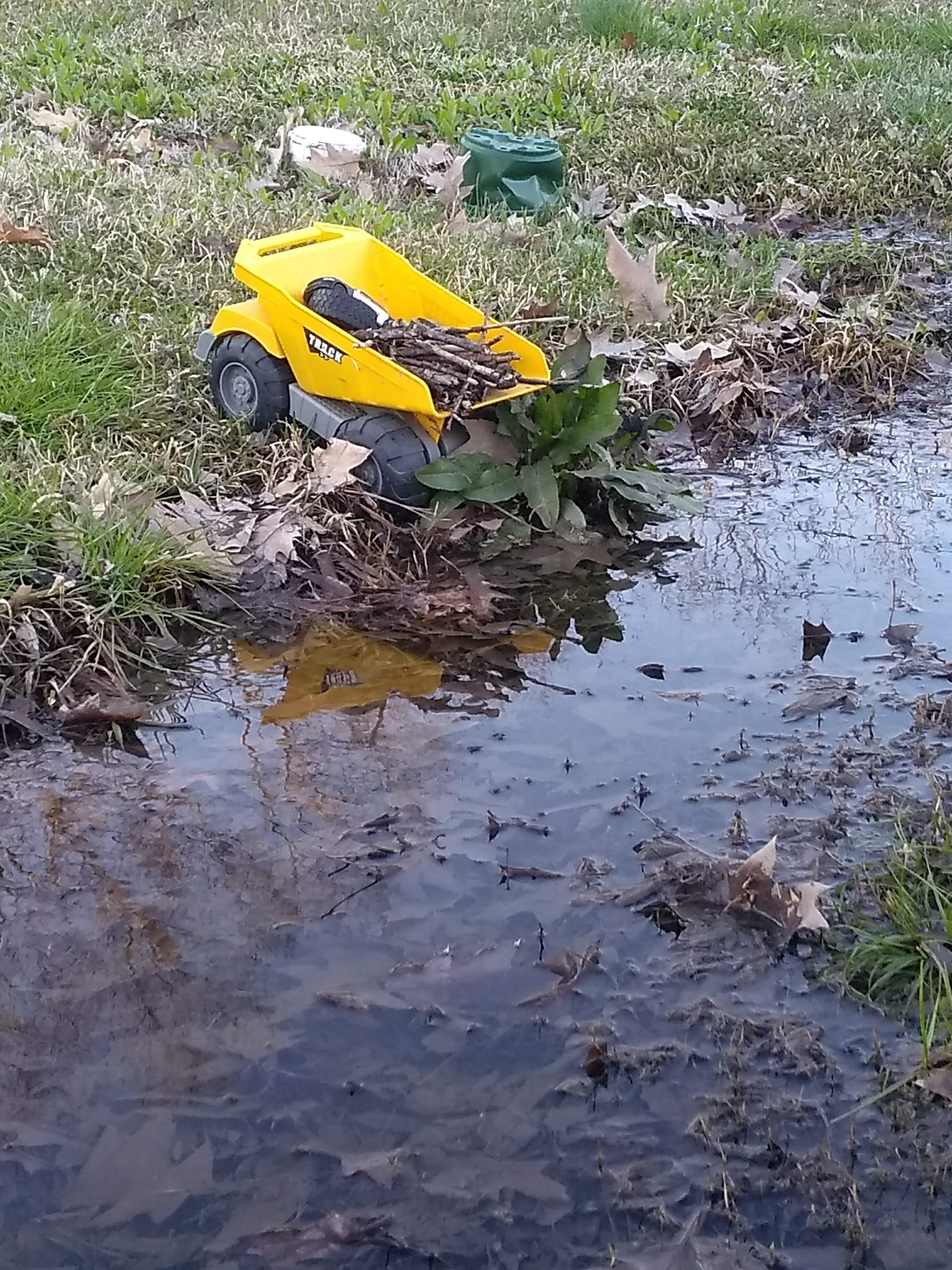
I also hope that we come across something like this:

I don’t know the story behind this, but it brought me a great sense of joy as I passed by it in a neighbor’s yard last night. Getting an opportunity to witness someone’s childhood is no small thing.

The Trees of the Field

In the Baptist church I grew up in, there weren’t too many songs we could make a ruckus with. An occasional holiday song like “Up From the Grave” on Easter or “Go Tell It on the Mountain” at Christmas raised our volume, but otherwise we sang solid hymns each week. Our minister of music was a man of robed choirs and tradition during the years when vapid praise songs were invading the churches in the early to mid 90’s. However, there was one song, based off of Isaiah 55, that I could always count on to get us moving — The Trees of the Fields by Bill and Gloria Gaither. We got to clap our hands because the lyrics implied that you were supposed to mimic the praise of the trees. Generally it was only pulled out on Sunday night church, further implying that it could never make the big time on Sunday morning. As a child, that always saddened me. That song’s odd status led me to believe that joyful, embodied worship in church was an anomaly.

When I sang that song as a child, I always pictured the trees like something out of a Disney cartoon. Lush and vibrant maples rustling their green leaves loudly together. I never thought about the trees being barren and cooperating with the wind like this:


As I walked through the winter woods in eastern North Carolina, I saw the naked trees clapping their hands and wondered if I was seeing Scripture. Could it be that these trees were worshiping the Lord with their creaks, squeaks, and groans, no leaves to muffle their noises’ ascent to heaven? Watching the black birches sway on the side of the mountain was nothing short of mesmerizing. Being a small person engulfed in the middle of a forest of dancing trees took me back to the song:

You shall go out with joy
And be led forth with peace
The mountains and the hills
Will break forth before you
There’ll be shouts of joy
And all the trees of the field
Will clap, will clap their hands

I believe there are shouts of joy even in winter, but it requires a different kind of listening and expectation. The acclamation is not showy, but rather raw with creaky echoes and no wilderness voices to add to the sound. As we await the New Jerusalem, our own creaks, squeaks, and groans are no less important than the smiling praises we might sing in a different season. Both are testifying that the Lord reigns.