One of the books we read each year is called Turning of Days by Hannah Anderson. She has 7 short essays for each season. Her stories are very accessible because they are taken from everyday happenings on her property or in her community. In the very back of her book she has a “Field Guide” section where she discusses some skills to sharpen the reader’s connection to the outdoors. One thing she mentions is seasonal observation. When are things blooming? What’s going on when they bloom early or late or don’t bloom at all?
Our family regularly checks our front and backyard. We have a quarter acre lot, so while a limited area keeps the management of plants easy, it also means perennials can eat up that space. However, I love having plants that I can count on year after year*. My family and I can stroll by the beds and because we know where to look, we can know the plant names and watch the seasons unfold together year after year.
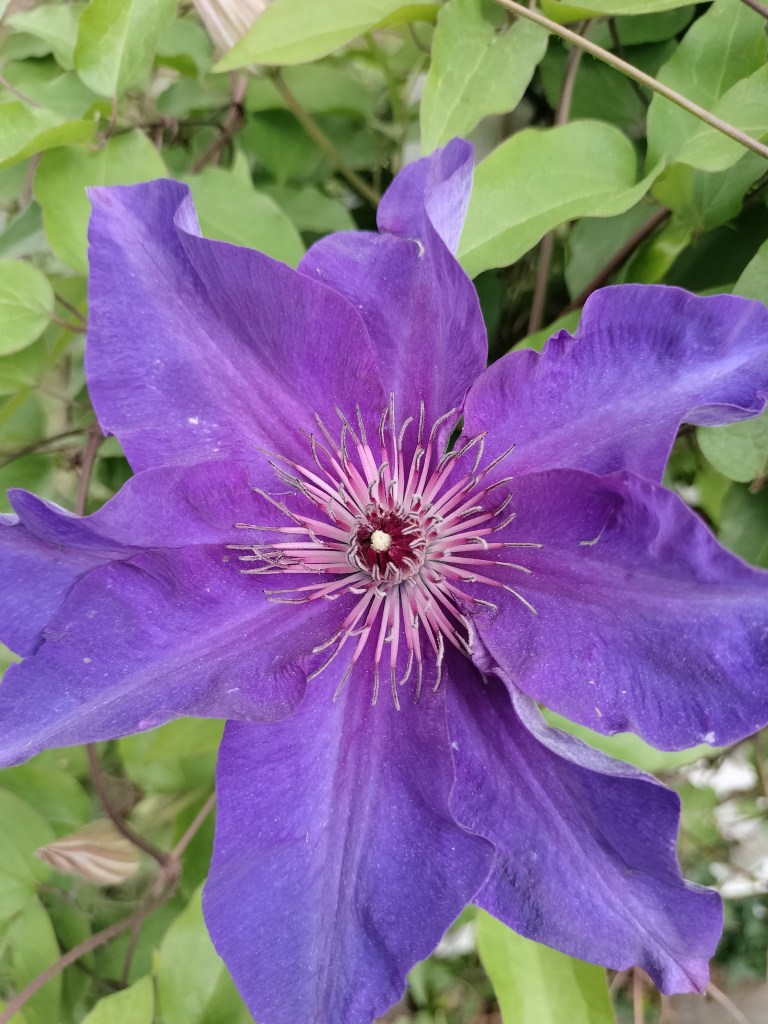
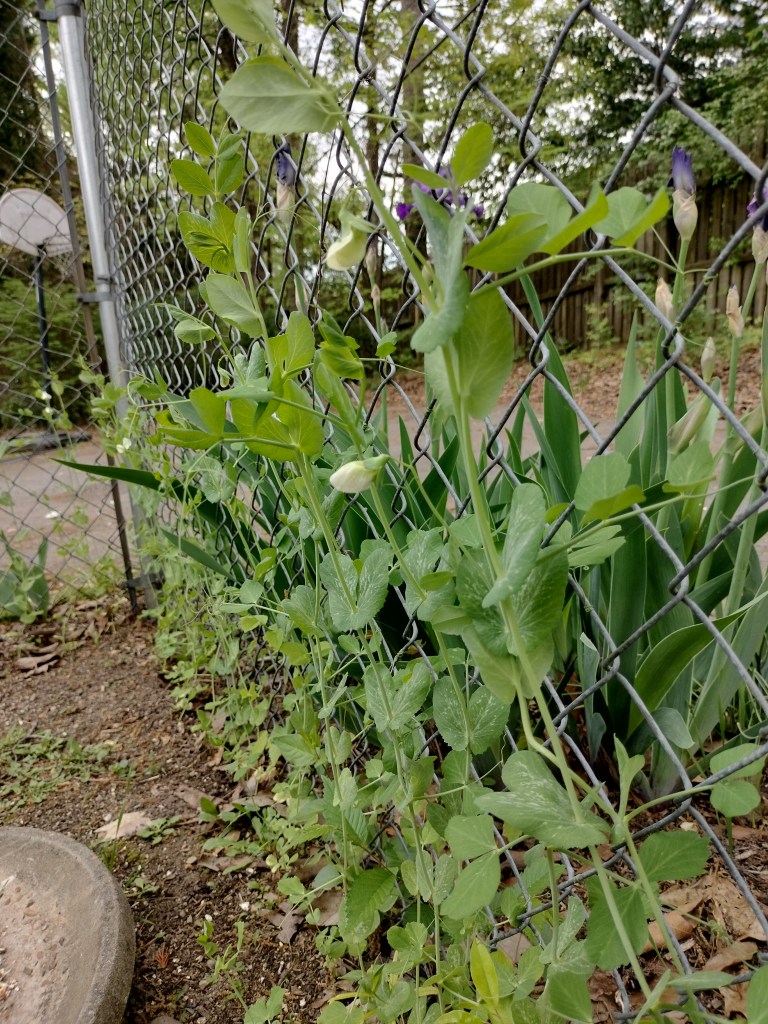
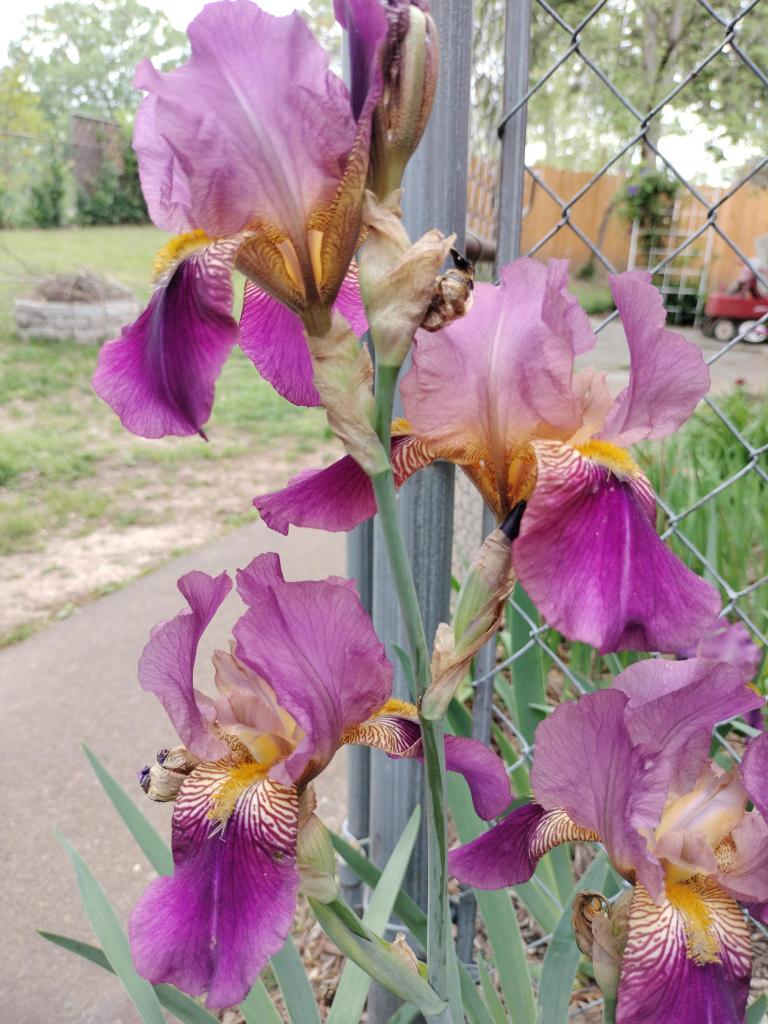
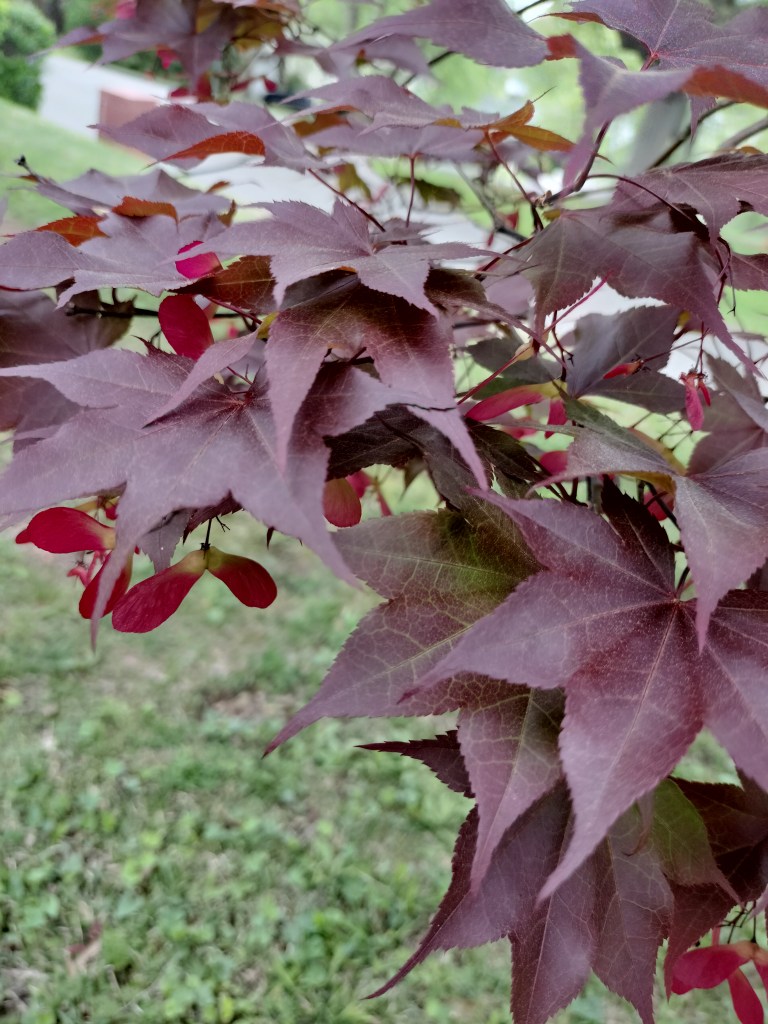
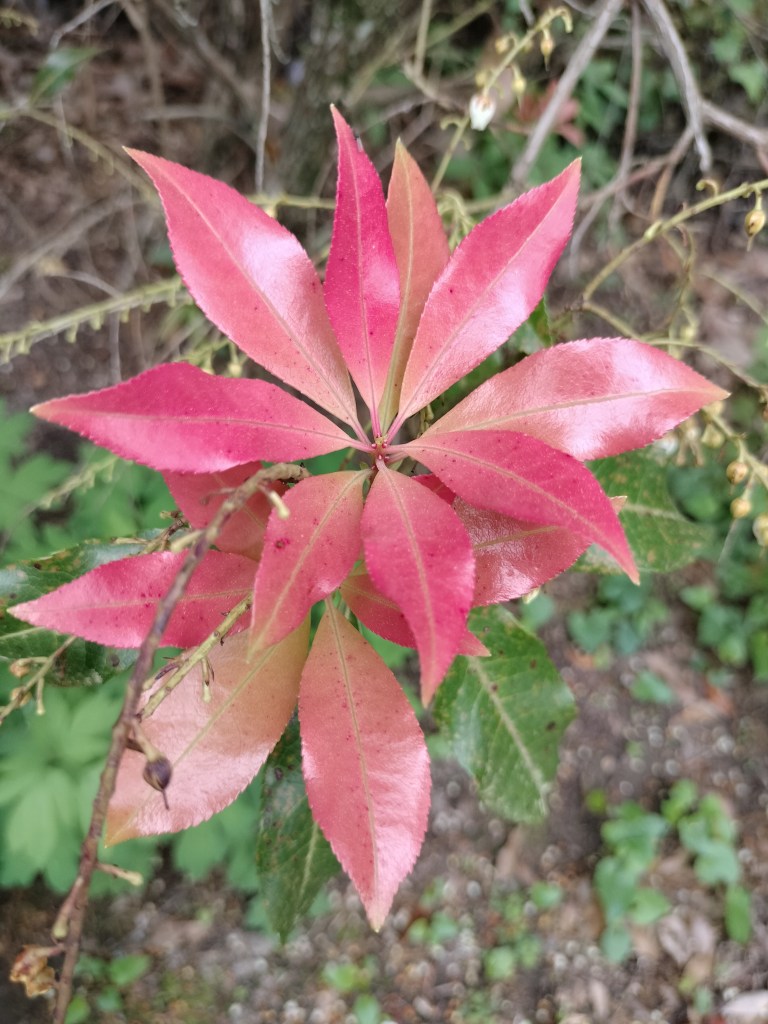
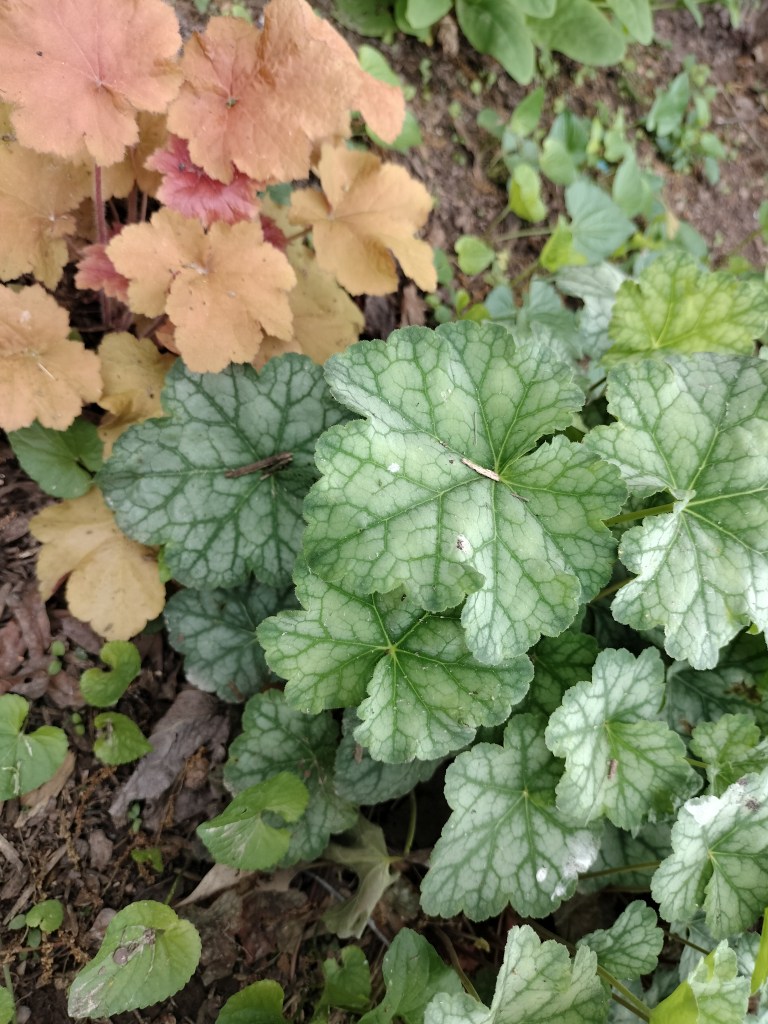
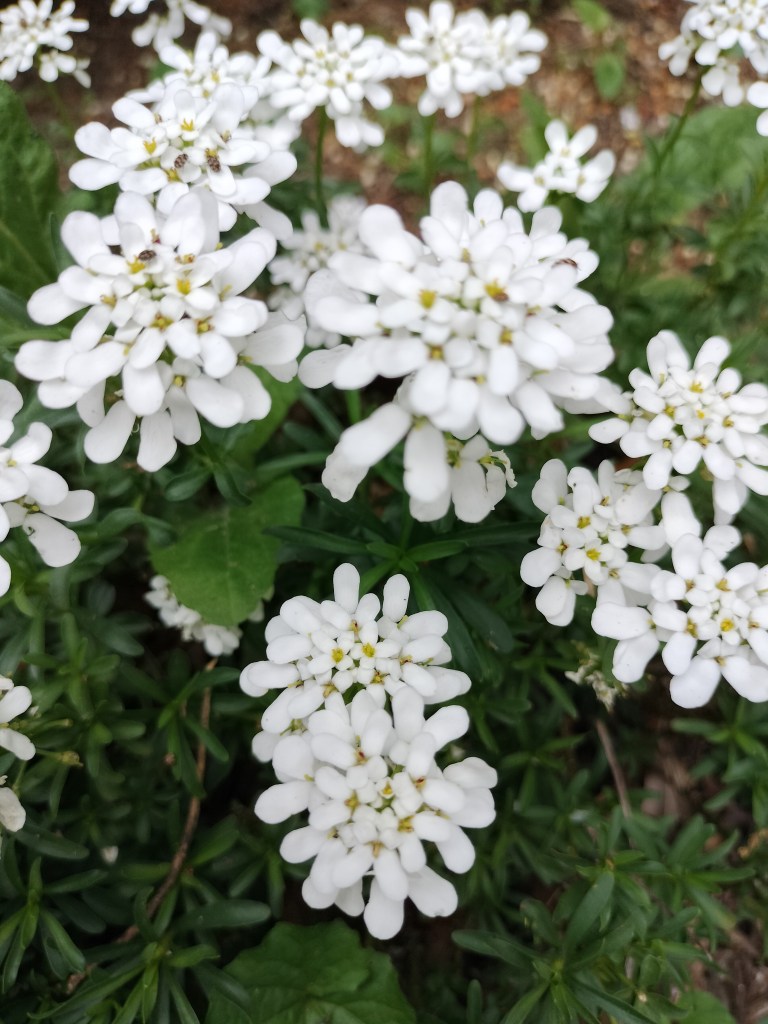
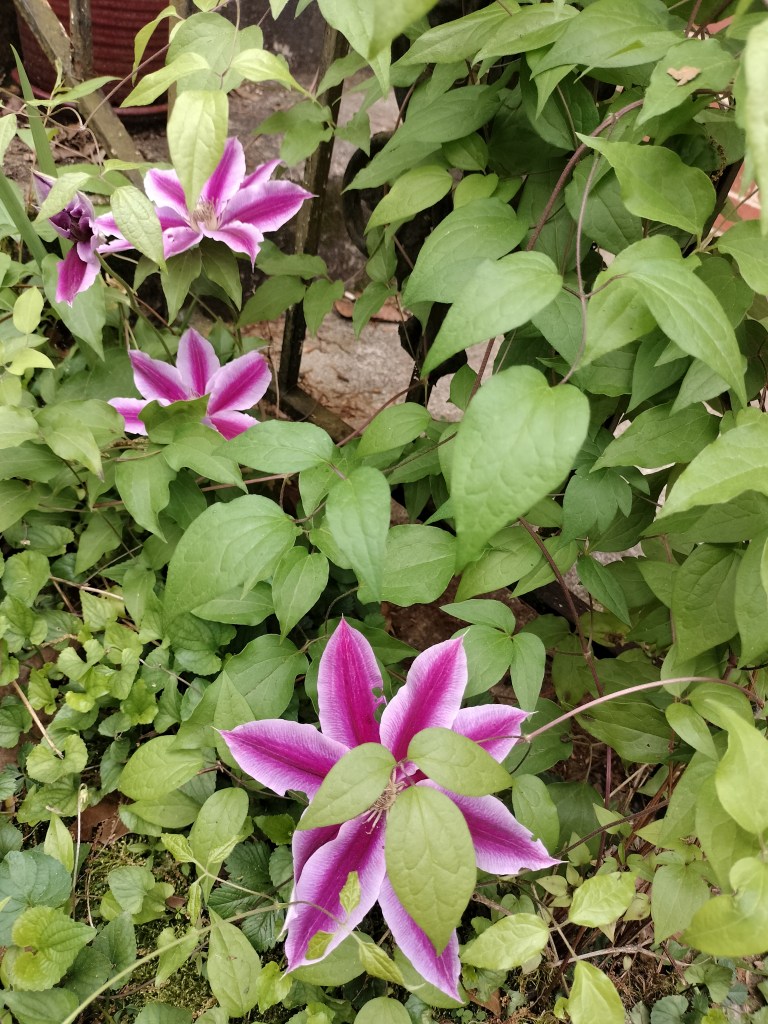
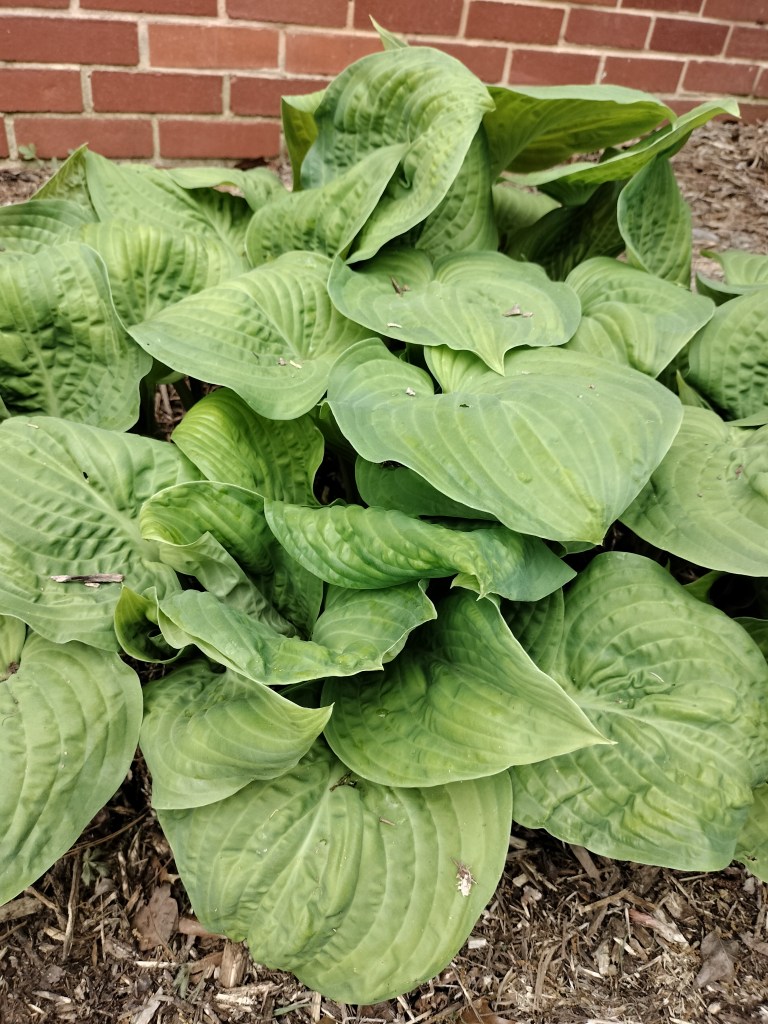
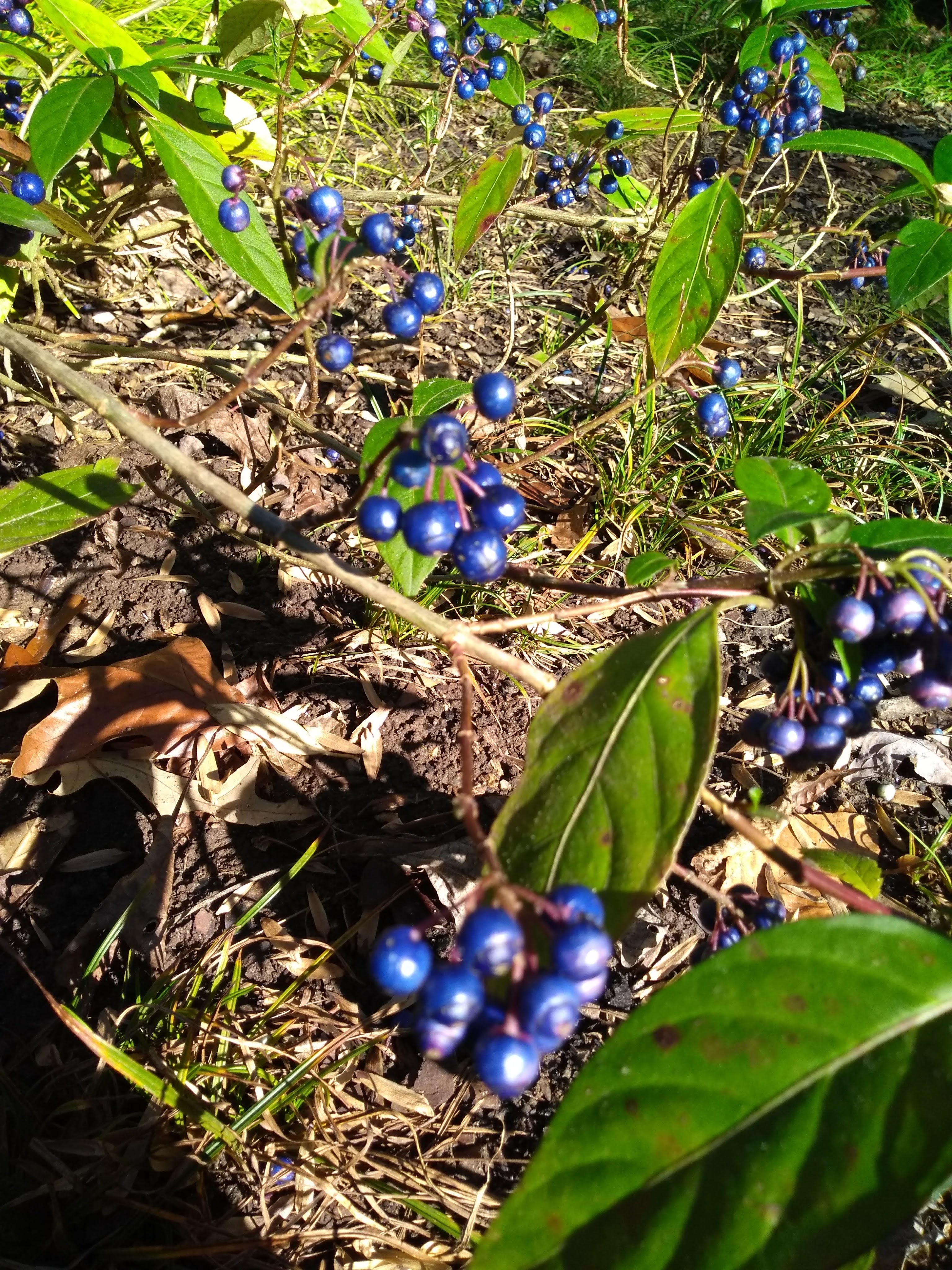
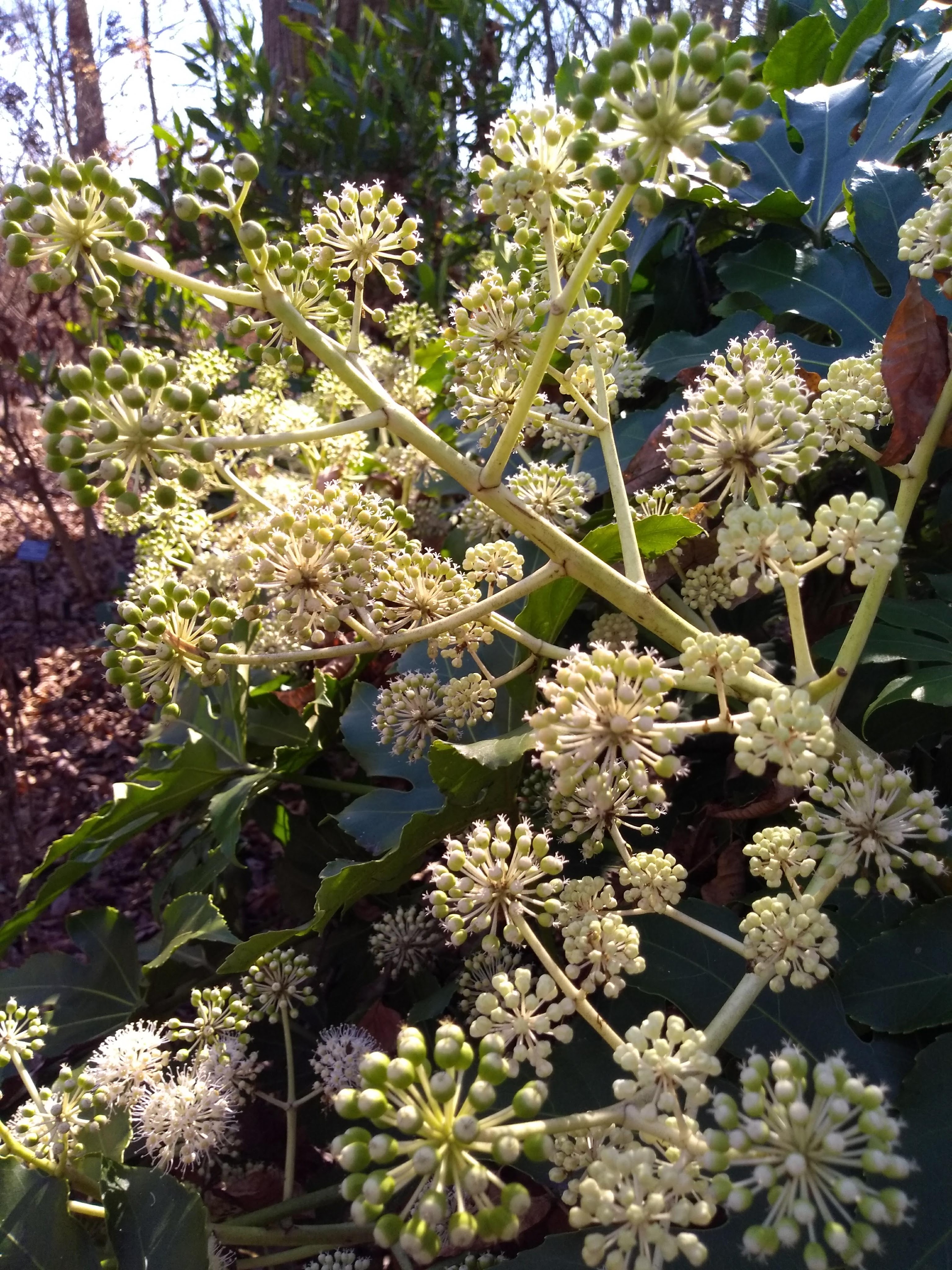
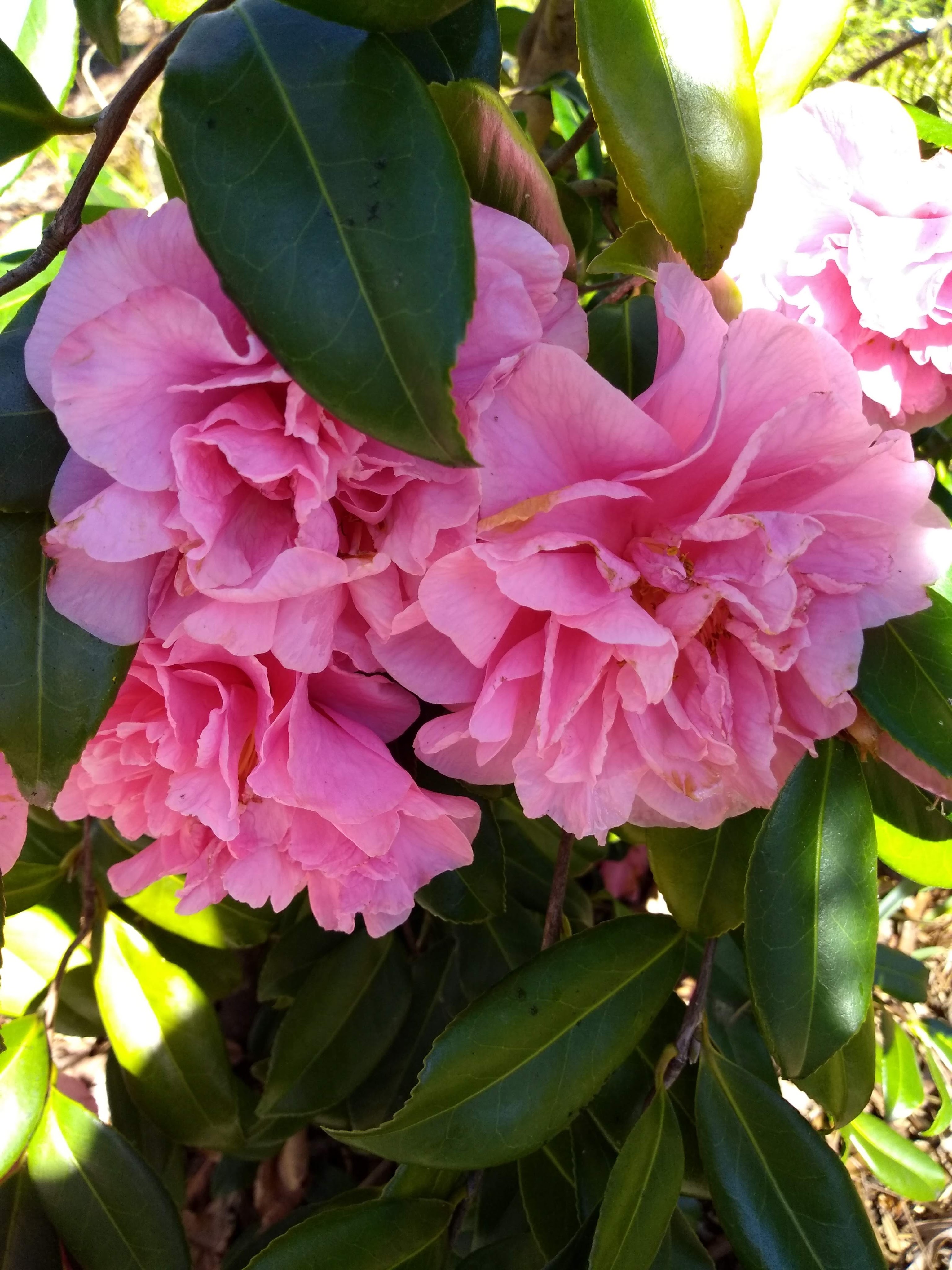
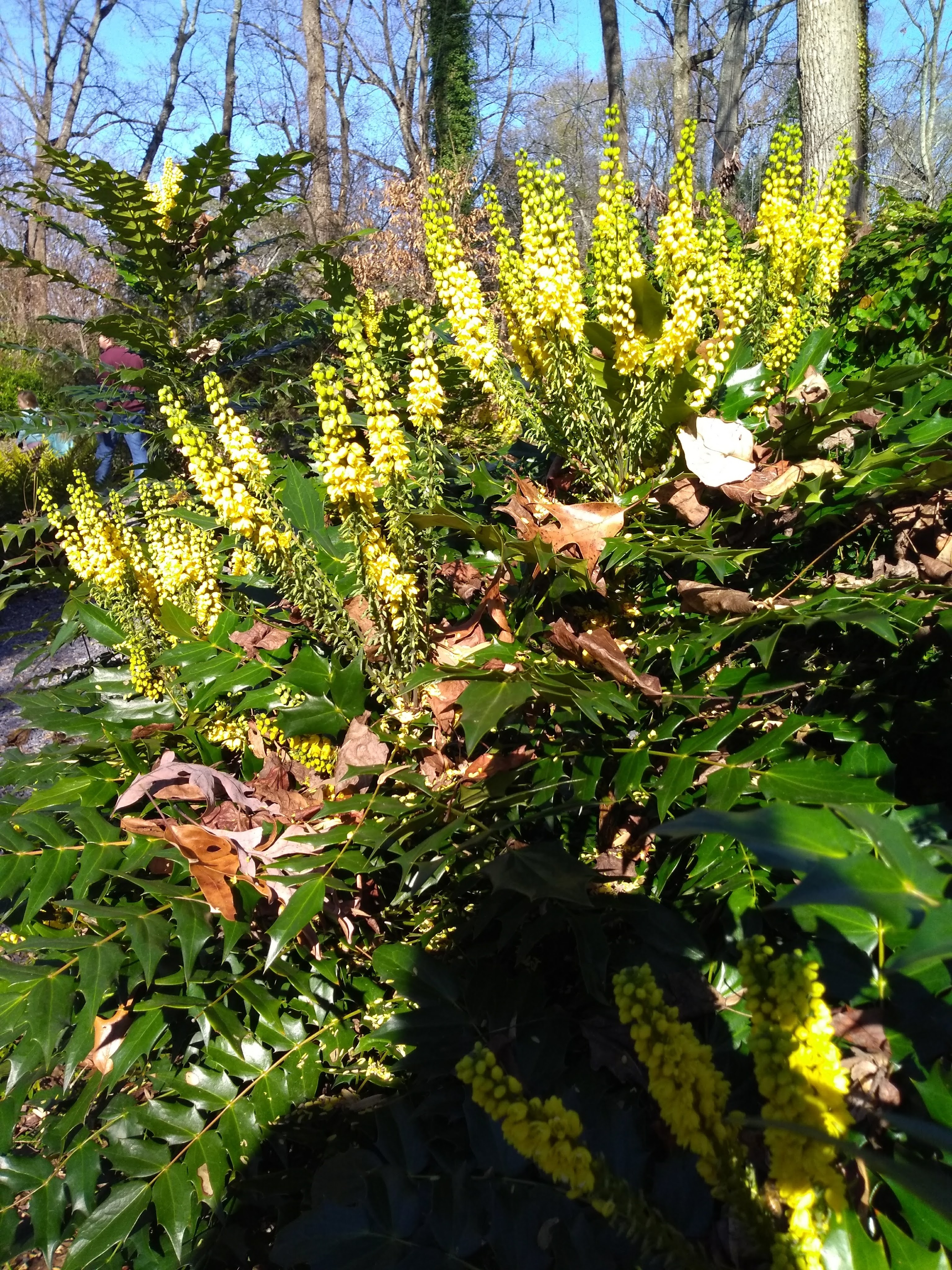
Here are some of the lovely things in bloom for April in my Tennessee neck of the woods.
*I know the sugar snap peas among these pictures aren’t perennials, but I will definitely keep planting them in this spot each year, so close enough!
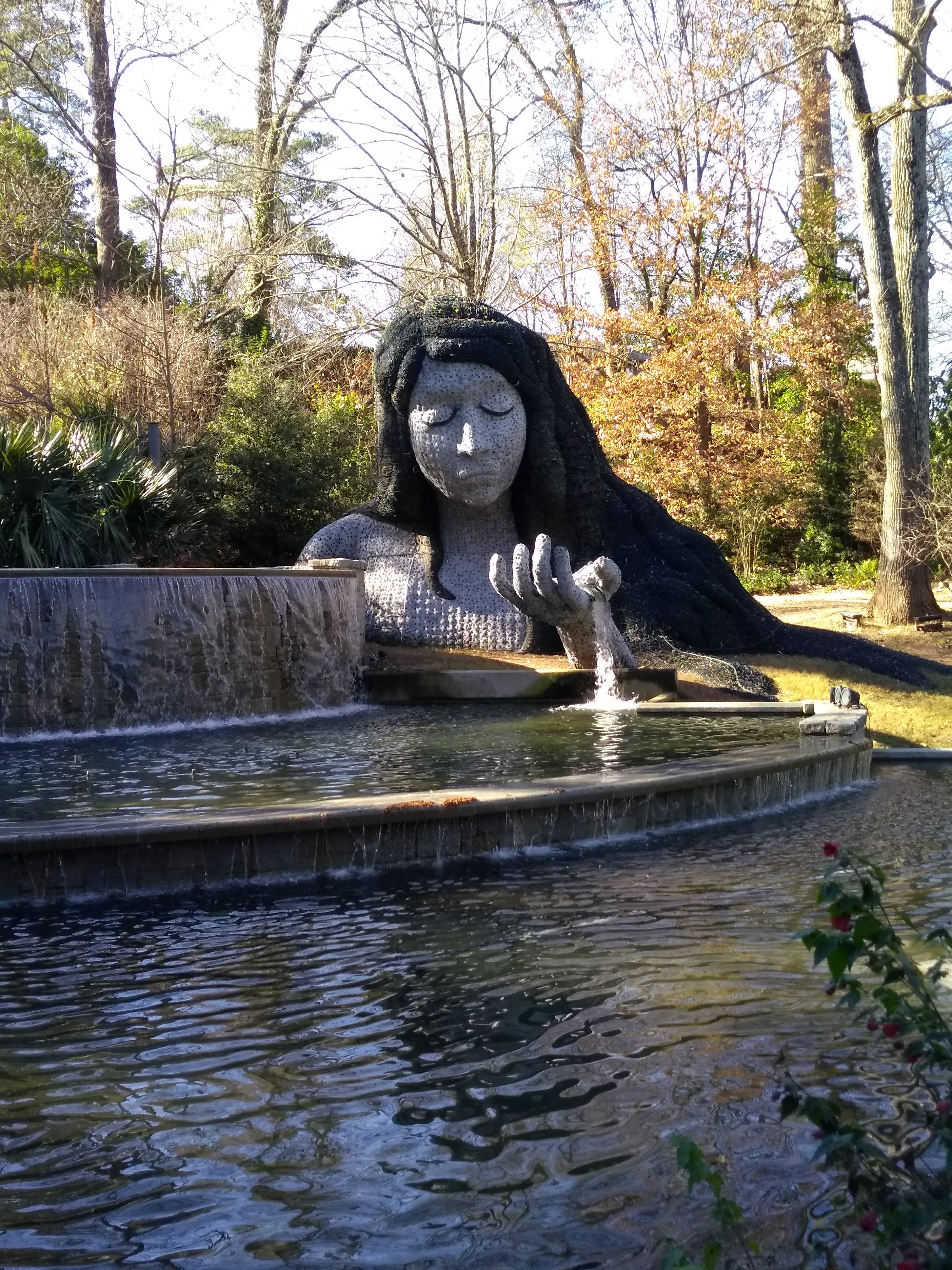
One way I encourage families to keep a family culture of being outdoors is through a “hack” we learned about several years ago — reciprocal memberships. Where we are in Chattanooga, we have access to a place called Reflection Riding which is a member of the American Horticultural Society. This association allows its members access to any other affiliated gardens on their list for a discounted price or usually FREE. Financially speaking, it’s a no brainer to join. Here’s some math:
Visit Atlanta Botanical Gardens once = $126 for our family of 6
Family membership to Reflection Riding = $70 AND we can go to any of the 330+ gardens for discount or free.
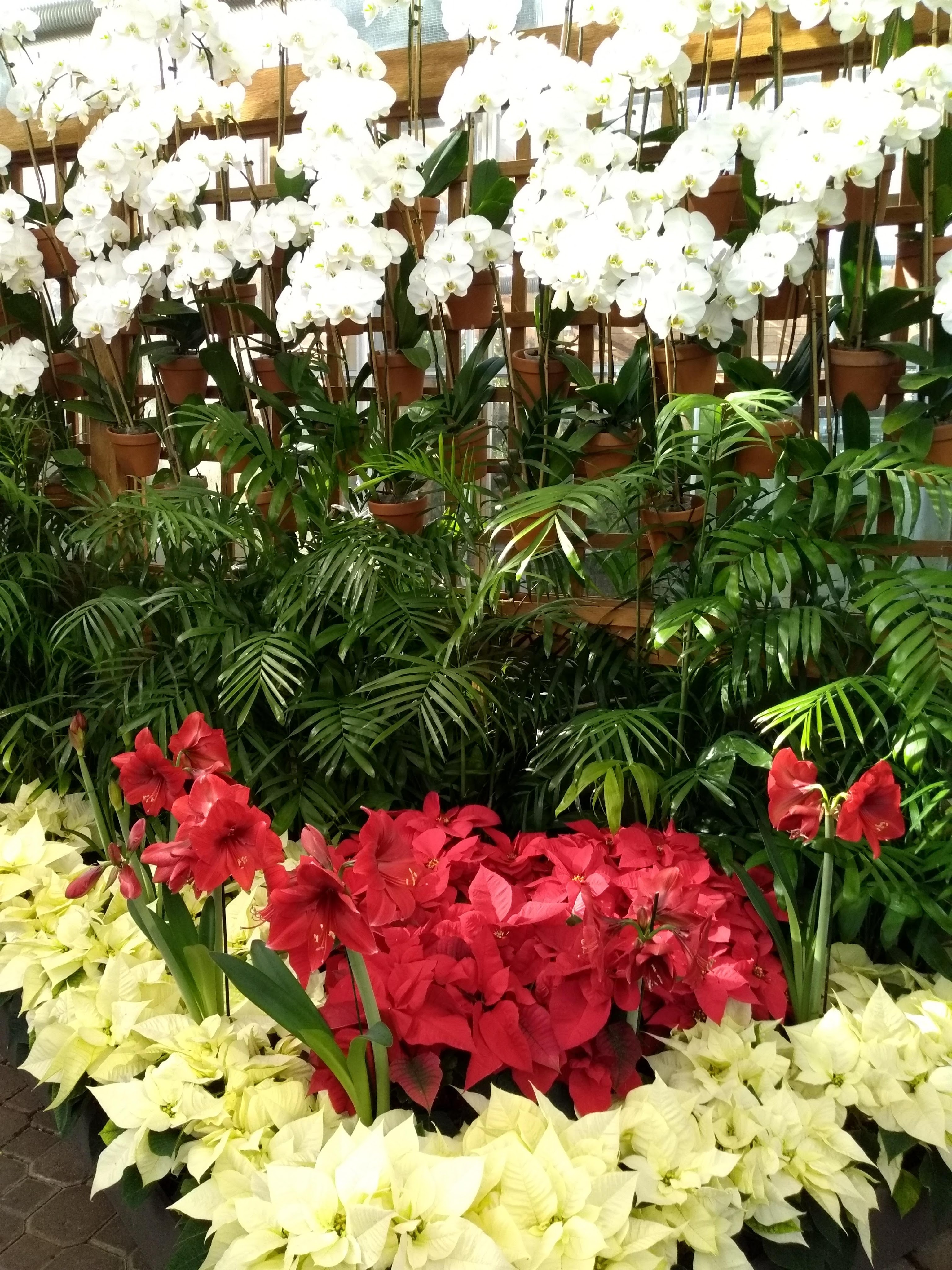
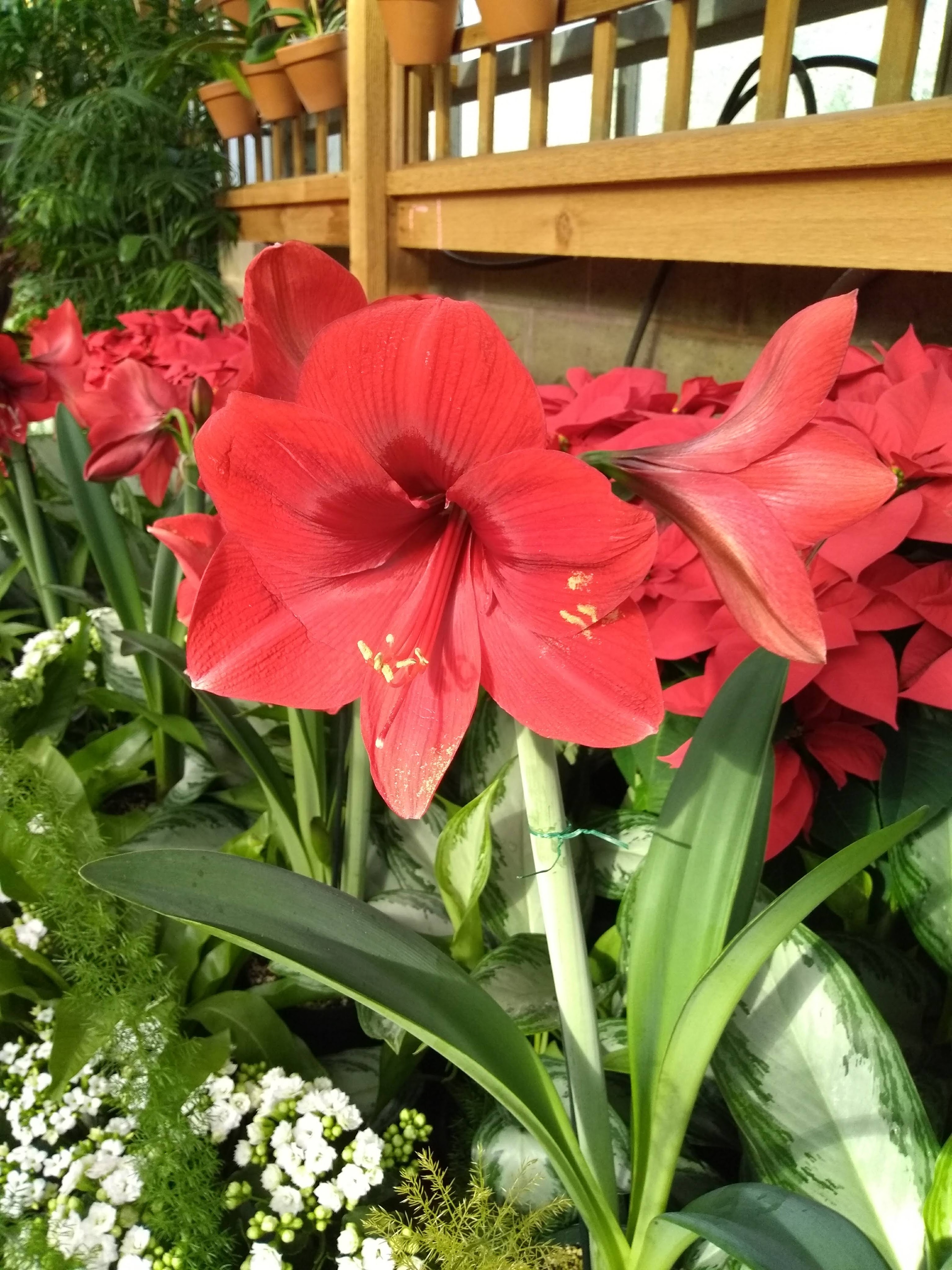
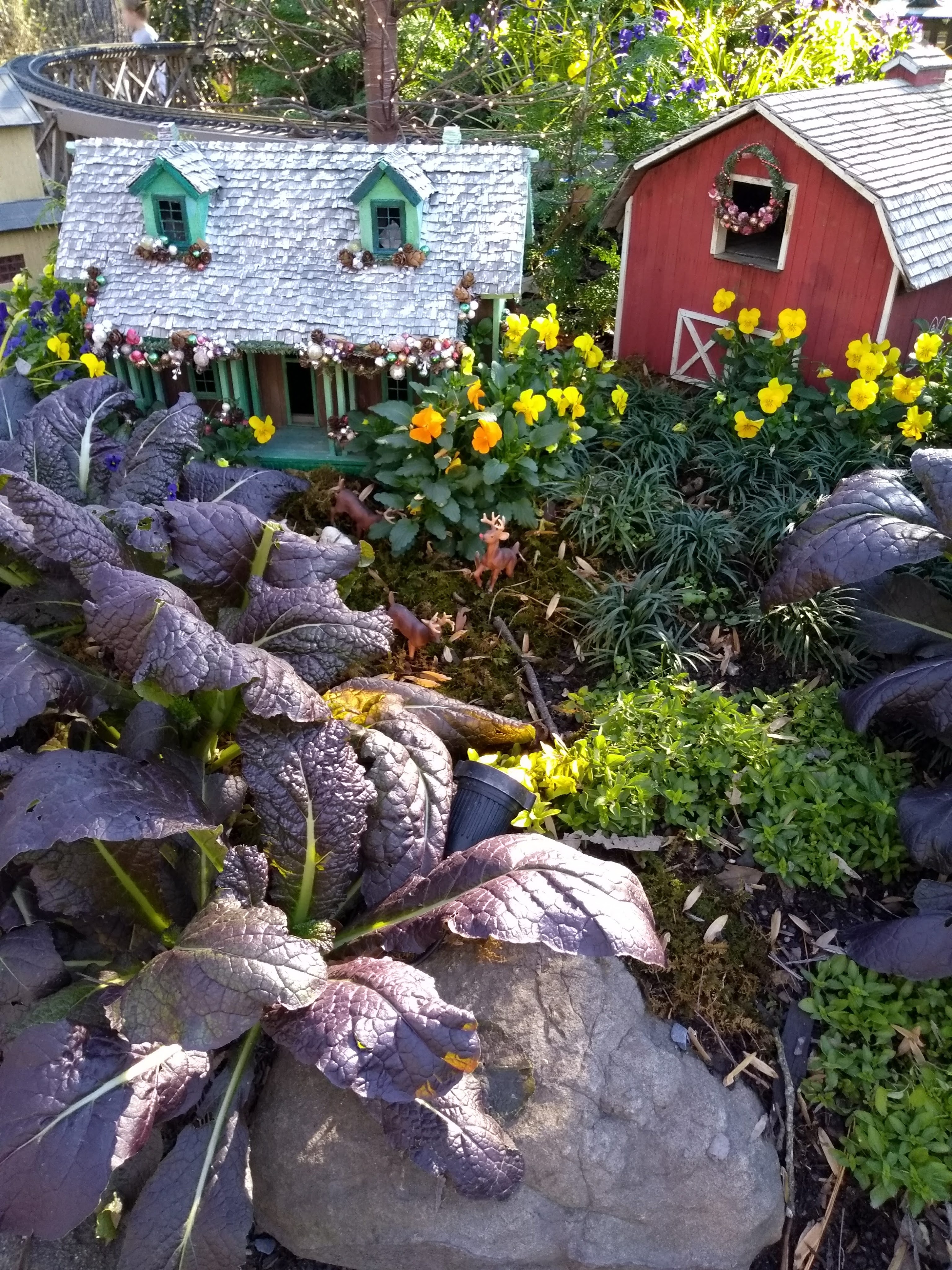
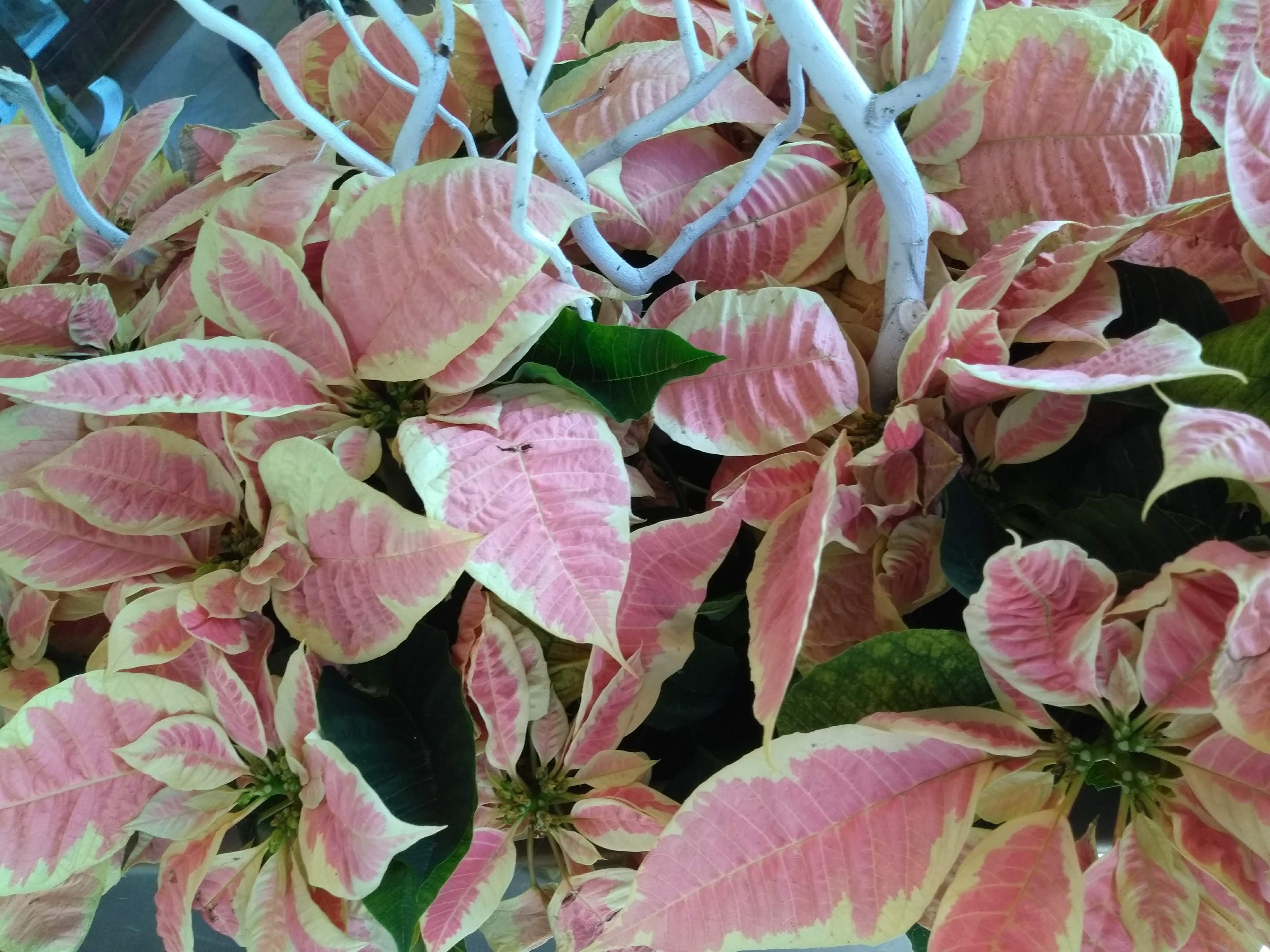
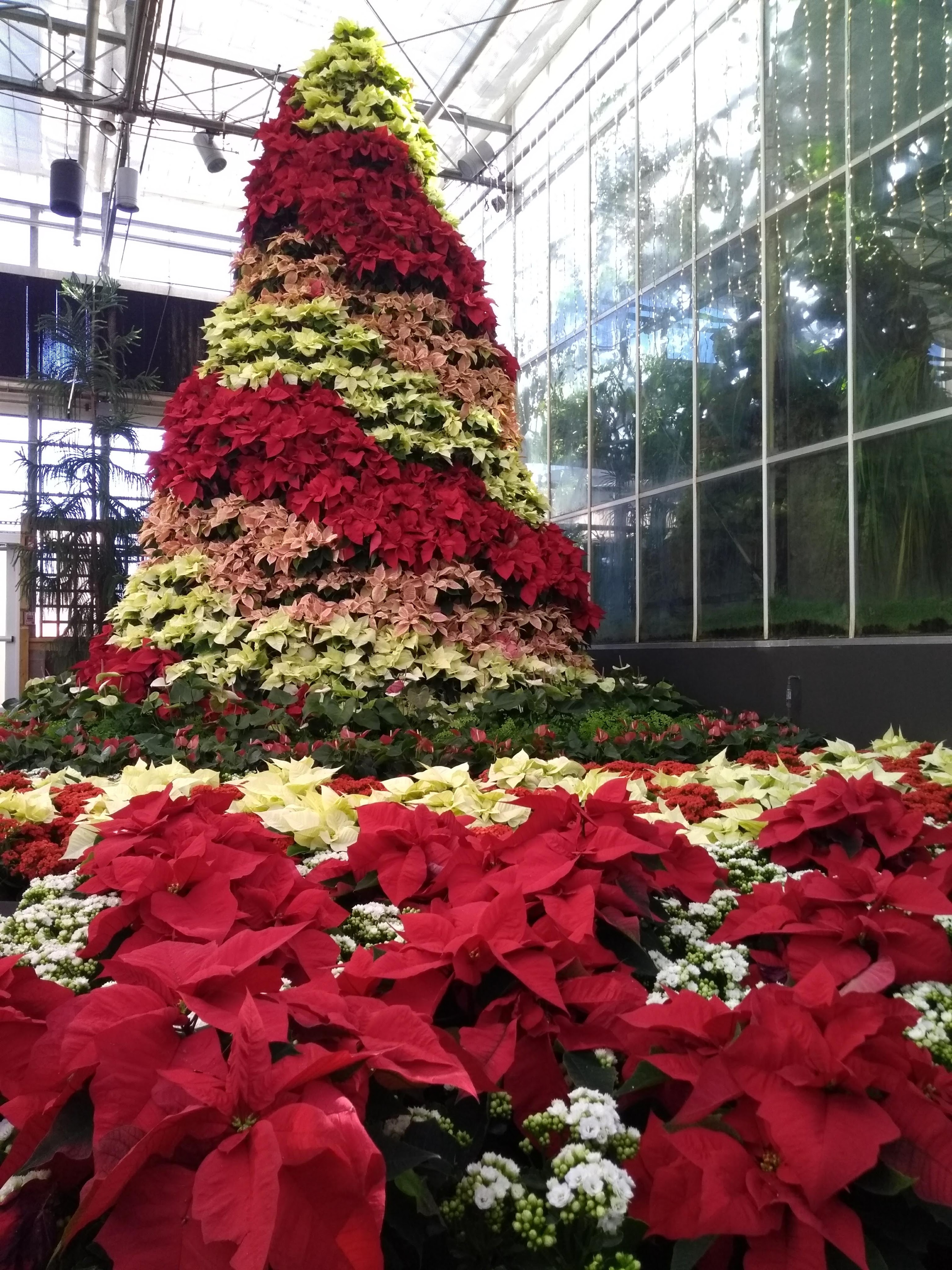
If you have access to gardens that offers these benefits, take advantage of them for you and your family, especially in the winter season when you might be less encouraged to be outdoors. Sometimes you get a surprise like we did yesterday, having a beautiful day in the upper 50’s. In addition, some places have greenhouses year round. Seeing how they will decorate the poinsettia tree (see below) is one of the highlights of the winter break for us. Actually, it might be the largest reason we created the tradition of going every year right before Christmas!
Displays at the Atlanta Botanical greenhouse never get old!
Last week my family and I drove up to see my in-laws in North Carolina for Thanksgiving. It’s a day where we usually think of bright pumpkins and yellow and green striped gourds with fall leaves in a cornucopia. However, I saw a different side of the season this year while taking a walk with my husband and two of our daughters down to a frozen pond.
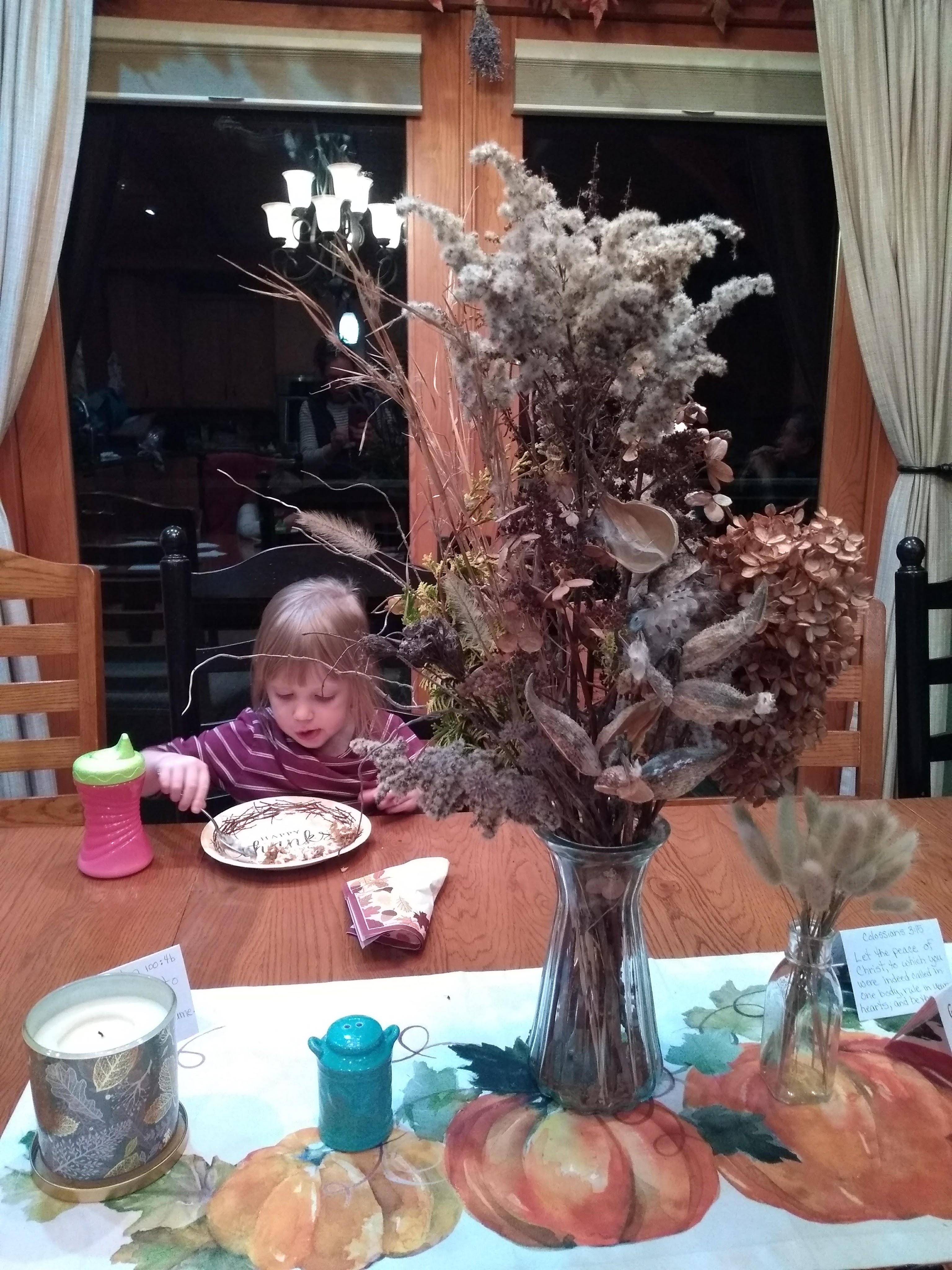
I’m actually ashamed to say that I never noticed it before then; I had walked that property in the fall many times over the 15 years my husband and I have been married. This year the shades of bronze from all the spent plants on their 23 acres (and neighboring property) sang to me. The milkweed pods with their wispy white interior and curved shapes, the playful beige fluff of the goldenrod stalks, the crispy four-lobed pattern of tan hydrangea petals, the scraggly splash of lemon yellow from the witch hazel.
The next day we took pruners and a leftover cardboard box, snipping anything bronze, off-white, or muted yellow. After reaching the garage, I sat and made an arrangement of mostly dead things. As I worked, it struck me that what I was constructing was the opposite color palette of those bright fall images you see in Thanksgiving kid crafts and Hobby Lobby decorations. The items in the vase were devoid of the colors we are used to identifying them by, which would signify to many that the “abundance” has already passed or the usefulness of the plants were withered or diminished. But that’s not what my eyes saw as I strolled down the chunky gravel road.
I noticed two things:
1. Even if the color and shapes had changed some of these plants, it did not detract from their fundamental beauty. The textures, shades, and lines were simply stunning. It was almost like once their usual color was stripped away you could see aspects of their character that would have otherwise been concealed.
2. The arrangement wasn’t there to show creation’s abundance had left and was no more, but its beauty was actually a reminder that abundance is still here, albeit a different, but no less lovely form. It served as a reminder these plants will show up (and show off) abundantly again next year and for years to come.
One of the Nature Connection videos (from John Muir Laws) the Maple Key girls and I watched was on drawing and making collections based on a theme you notice as you spend time outdoors. I truly believe I noticed the shades of bronze last week because my eyes are getting sharper. Not literally, of course (I inch closer to the big 4-0 each year!), but rather through being diligent to listen to Laws’ lessons on what it means to live a reflective life outdoors. He gives his viewers better eyes to observe even when they don’t know they’re supposed to be looking.
What a gift to be able to notice God’s generosity through walking in His free wonders and delights.









 Maple Key Tutoring