A Year of Experiments In YouTube Gardening

One thing that hobby gardeners don’t like to talk about is the cost. Sometimes it truly feels like your efforts outweigh your yield. That was us for so many years that we just stopped gardening all together when our kids were little. I really regret that I didn’t know to pursue some easier, realistic, cost effective projects during those years.

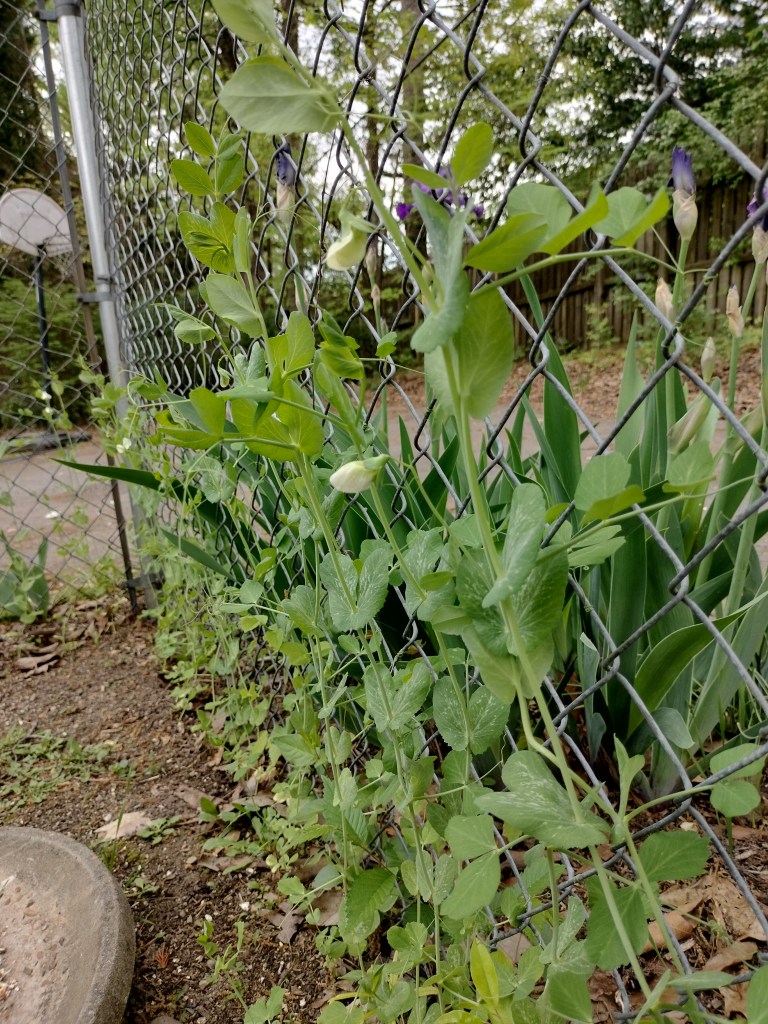
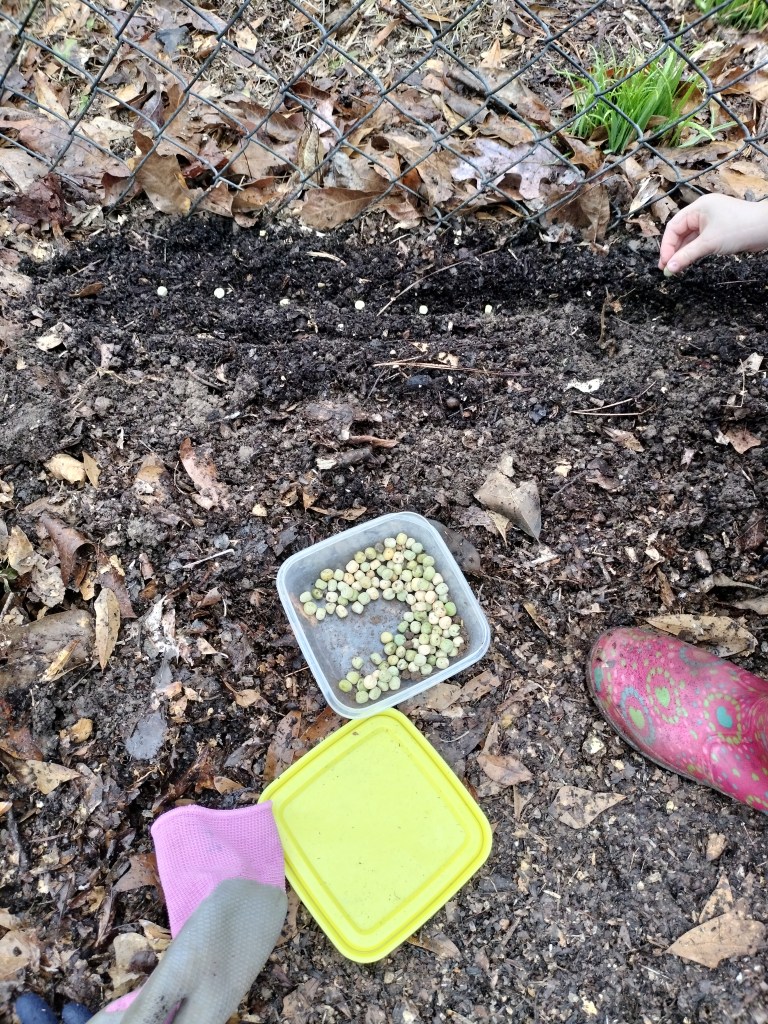
Now, our kids are little older and able to help and it’s been such a joy to start back up being a little wiser and lot cheaper. For instance, today our third daughter ate the first sugar snap pea out of the plants that our fourth daughter sowed along the chain link fence in our backyard thanks to some internet research. We probably have a 90% germination rate and the crop is about to roll in. It cost us around $2 for the pea packet. And maybe a $1 worth of water. The compost we mixed in was from the bin in the backyard.

The sugar snap peas success got me thinking, “What else could we do cheaply with “ingredients” we already have or are cheap to obtain?” Enter hugelkultur pots. Our college friends from Pennsylvania showed us their raised beds when we were visiting a few years ago and they had an incredible yield! We were wondering if the internet or their Amish neighbors showed them the wisdom of permaculture. Either way, we took the idea to heart and when we built our raised bed in the front, we put in the rotting log pieces from a dead tree we had cut down a few years ago. Following that we put in homemade compost, then soil.

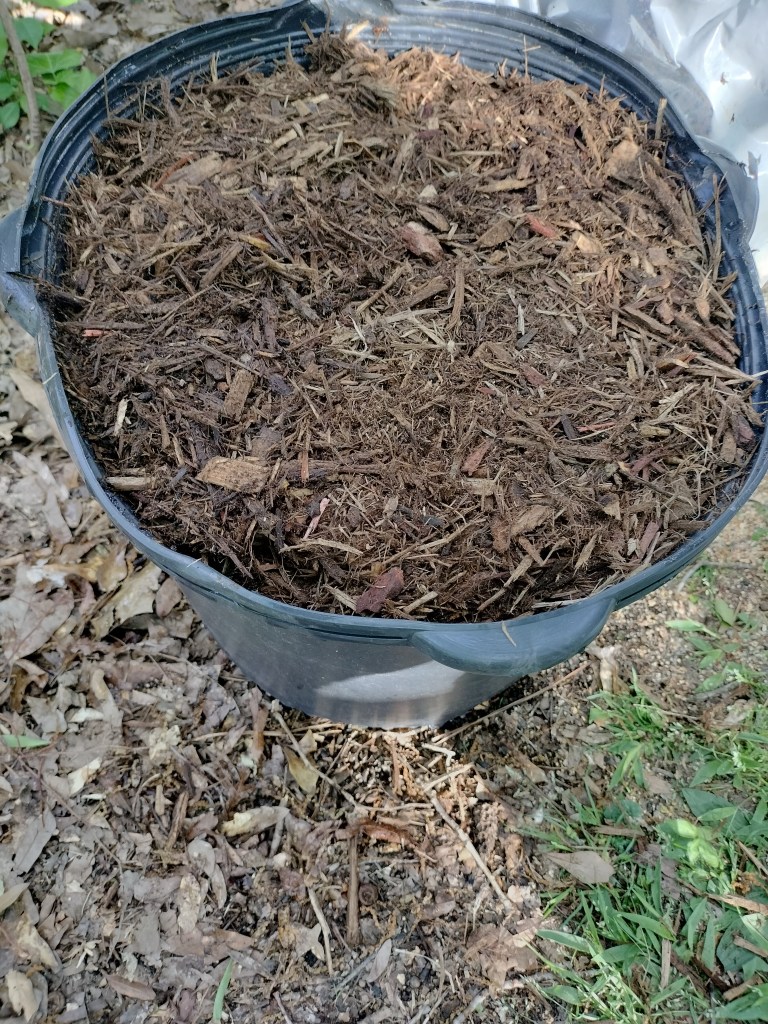
So, since we already knew how to do that with a bed, watching videos on growing potatoes in pots showed me that I could take a similar approach. I had a leftover 10 gallon pot from when my mother in law had brought a hydrangea down one year. I had been using it to store compost, but I used so much of the contents it felt time to repurpose it. See the pictures below: rotting wood, compost, soil, potatoes, more soil, and hardwood mulch. The total outlay was probably $5 between the potting soil and mulch because I already had the rotting wood, compost, and sprouting potatoes. Also, I can use the filled pot again and again after the potatoes are done.
I have NO idea if this potato crop will turn out, but “gardening within your means” is a new challenge I have been pursuing. At the farm for the program we have done all direct sowing and aside from a metal trellis I can keep using year after year and a little bit of mulch for a path, no purchased additives of any kind. It’s literally soil and manure that was already there, watering, and some seed purchasing. I actually considered using cardboard for paths instead of mulch, but was afraid they’d blow away while we’re not there and I hear it kills the soil life underneath, so if I choose to do any, I will try some thin metal anchors to help me use that cheaper method next year.

If you’re looking for a YouTube Gardening channel that is relaxing and helpful, I recommend Huw Richards. He focuses on things like “planting from your pantry” or how to consider many options you have on hand for free compost. His passion for gardening is evident in how he has learned so much from being faithful to do the work and experiment. And he’s Welsh, so a fantastic accent and idyllic scenery as a bonus.
Seasonal Learning

One of the books we read each year is called Turning of Days by Hannah Anderson. She has 7 short essays for each season. Her stories are very accessible because they are taken from everyday happenings on her property or in her community. In the very back of her book she has a “Field Guide” section where she discusses some skills to sharpen the reader’s connection to the outdoors. One thing she mentions is seasonal observation. When are things blooming? What’s going on when they bloom early or late or don’t bloom at all?

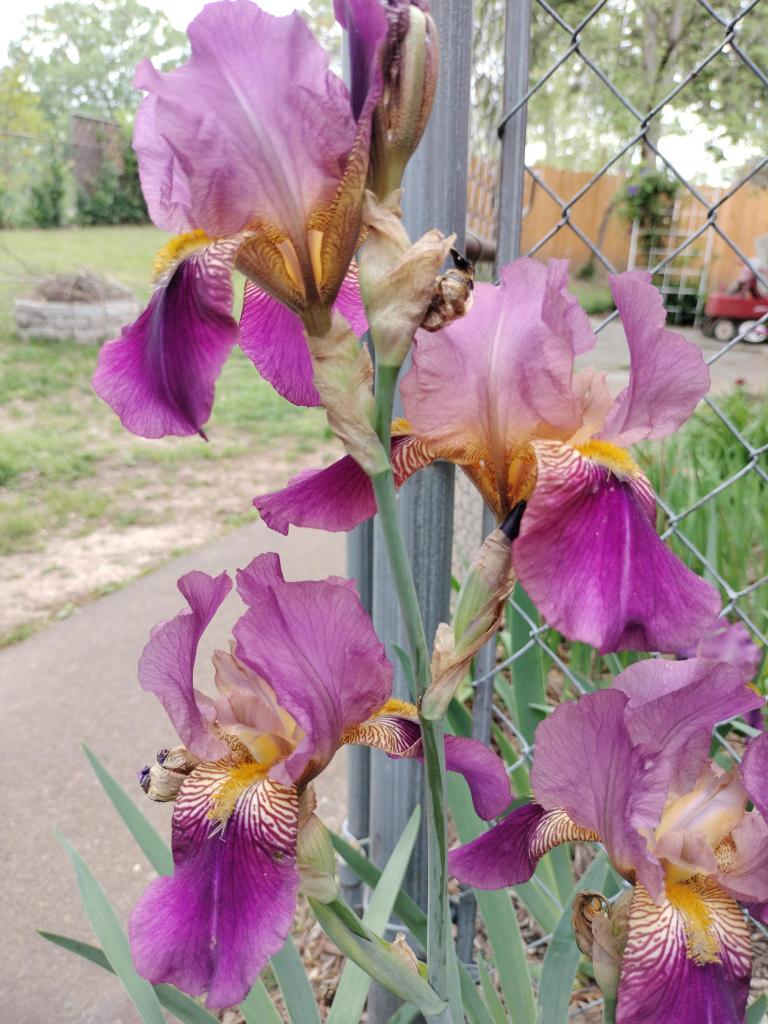
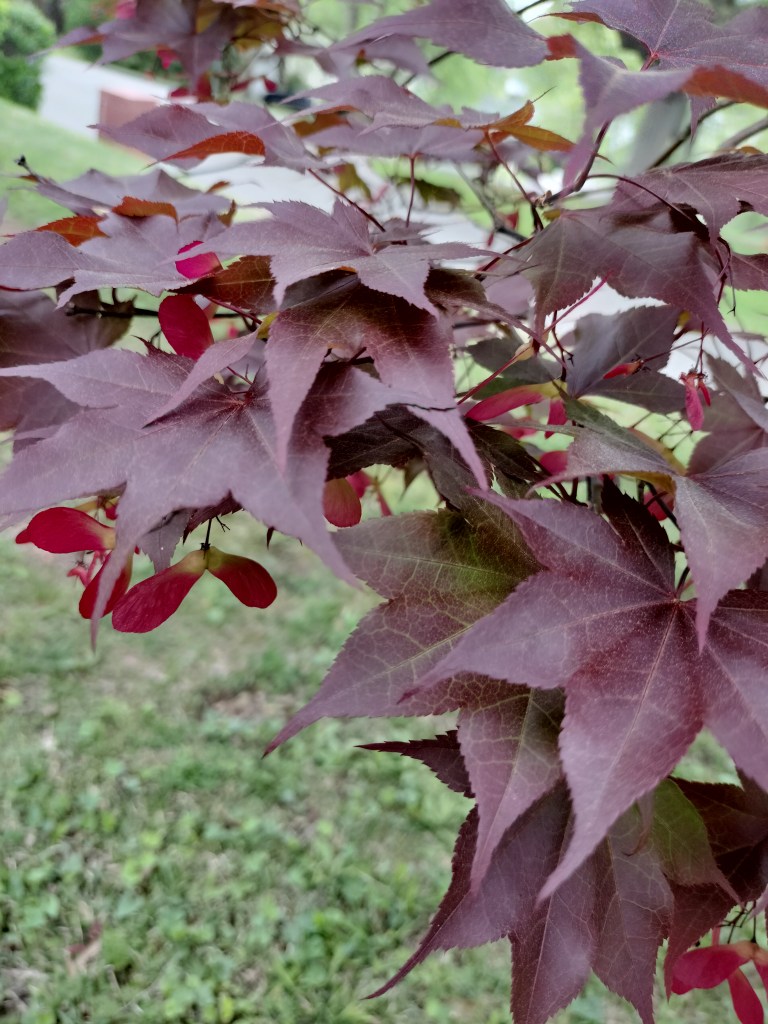
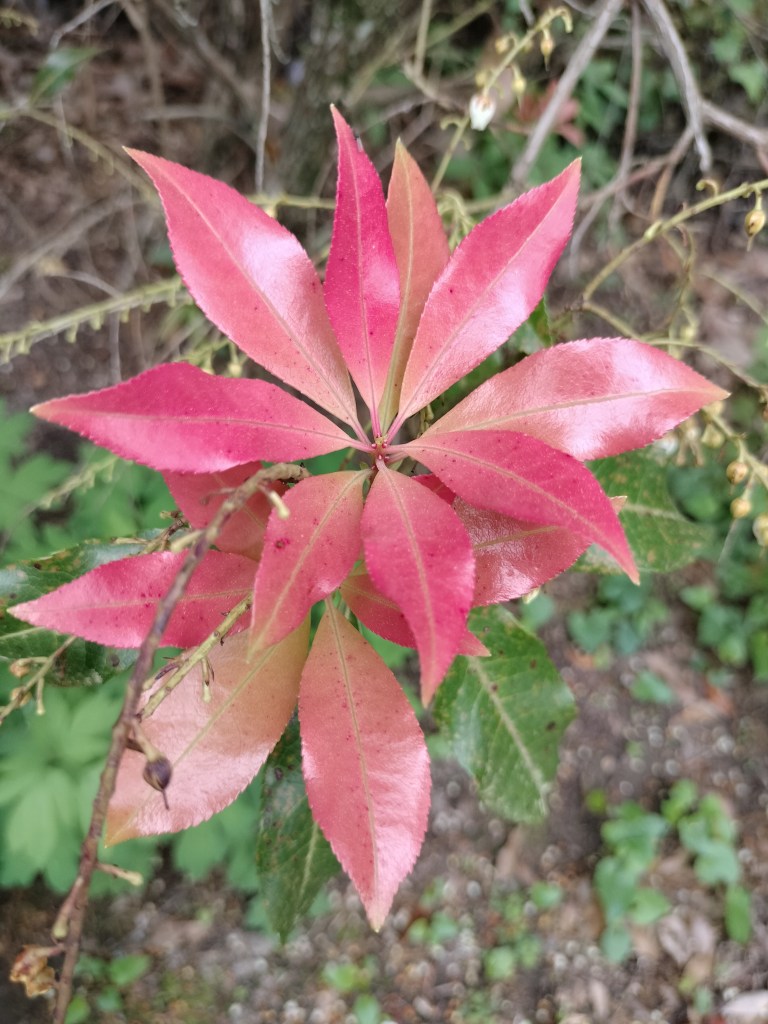
Our family regularly checks our front and backyard. We have a quarter acre lot, so while a limited area keeps the management of plants easy, it also means perennials can eat up that space. However, I love having plants that I can count on year after year*. My family and I can stroll by the beds and because we know where to look, we can know the plant names and watch the seasons unfold together year after year.

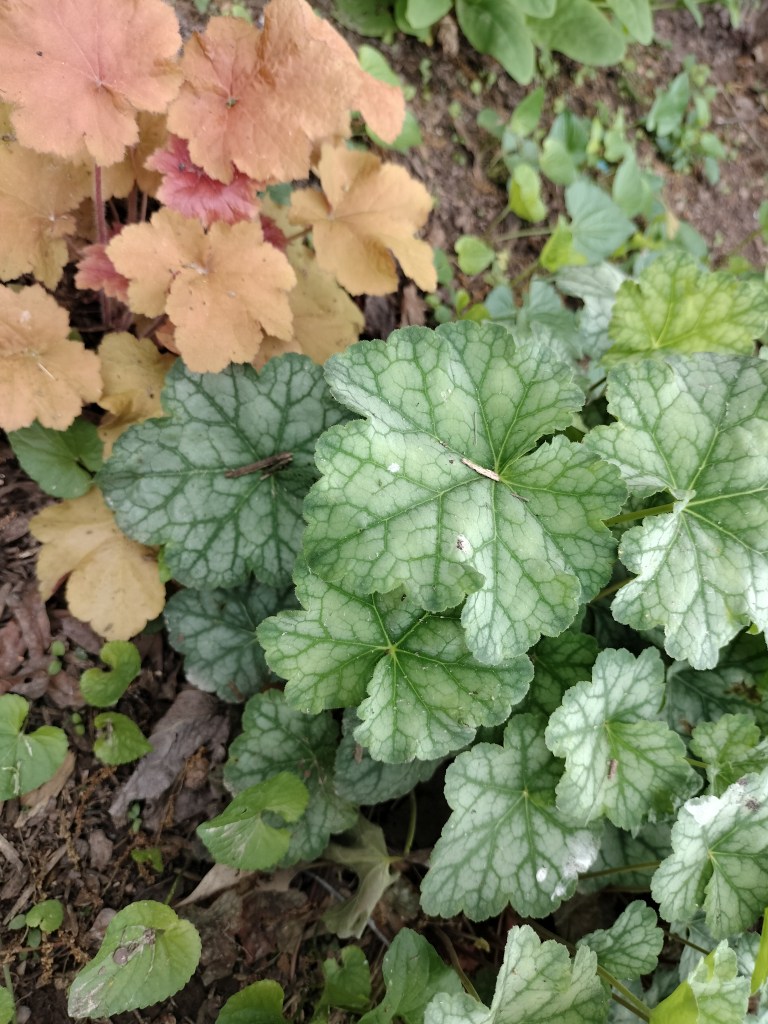
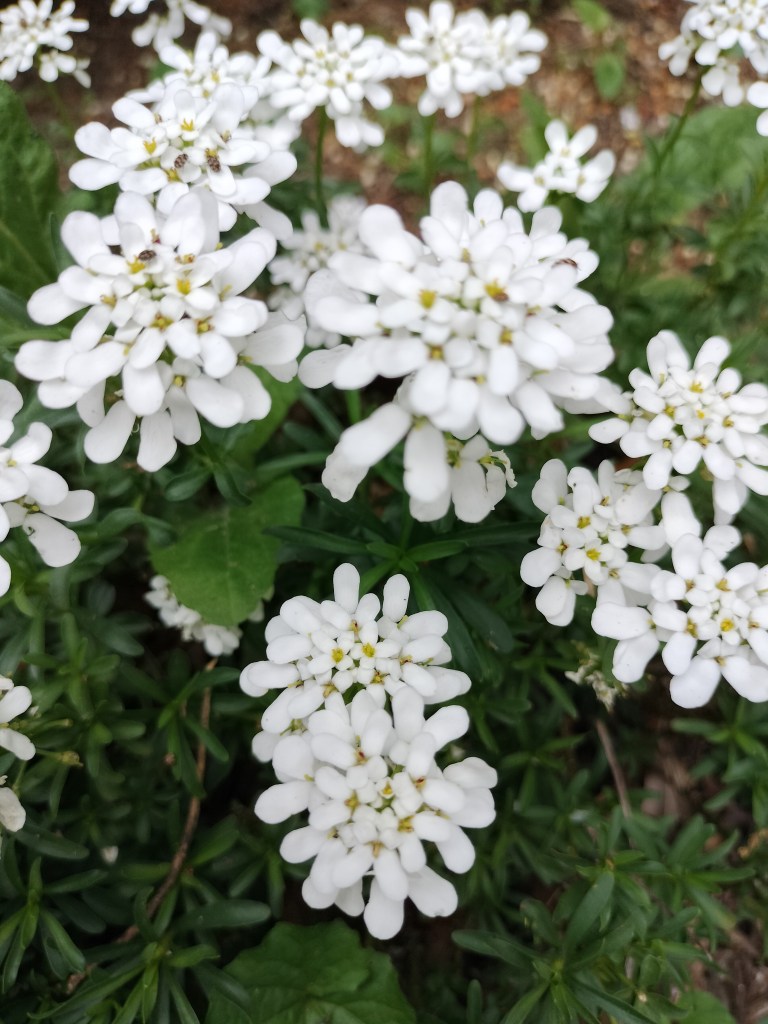
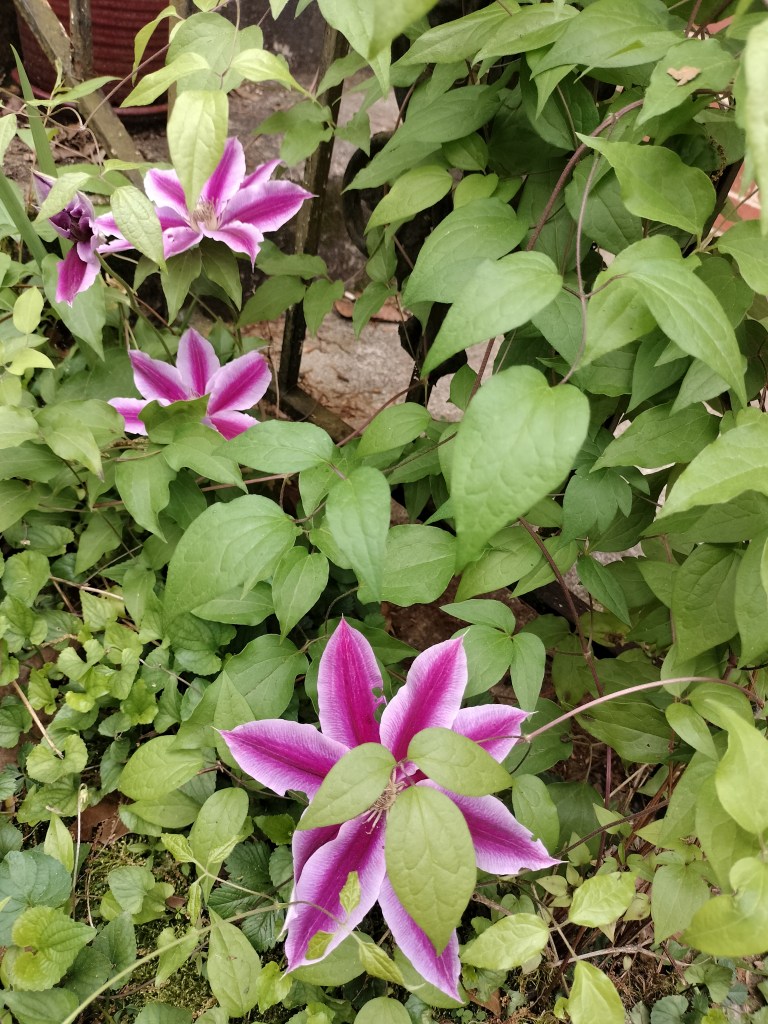
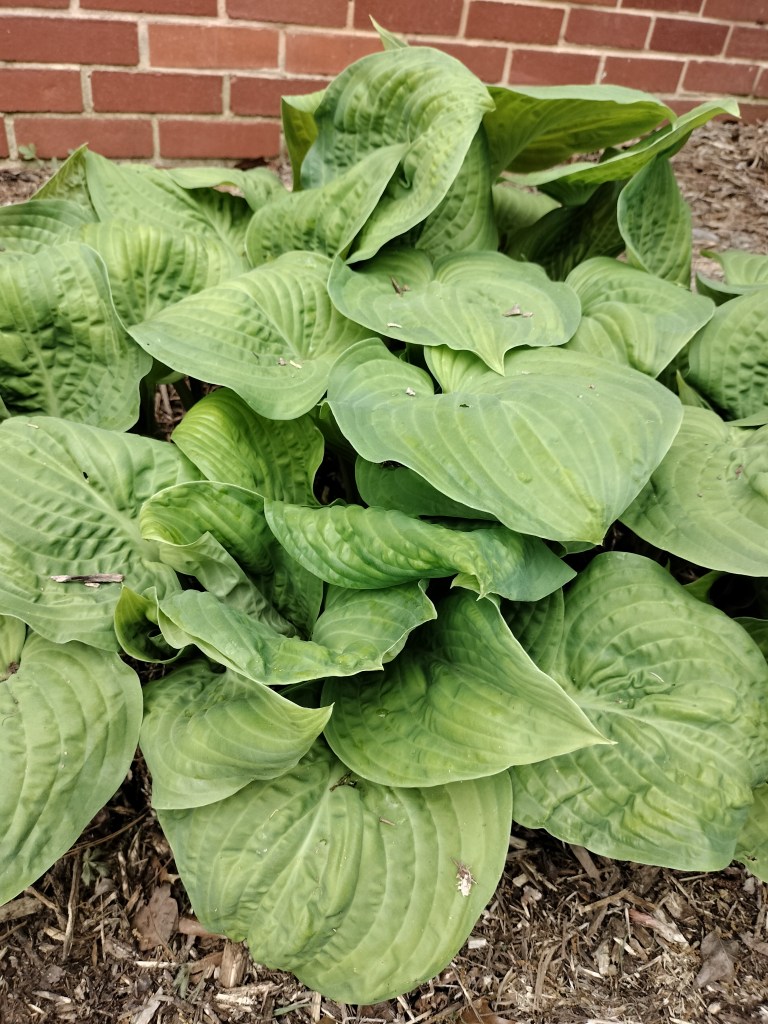
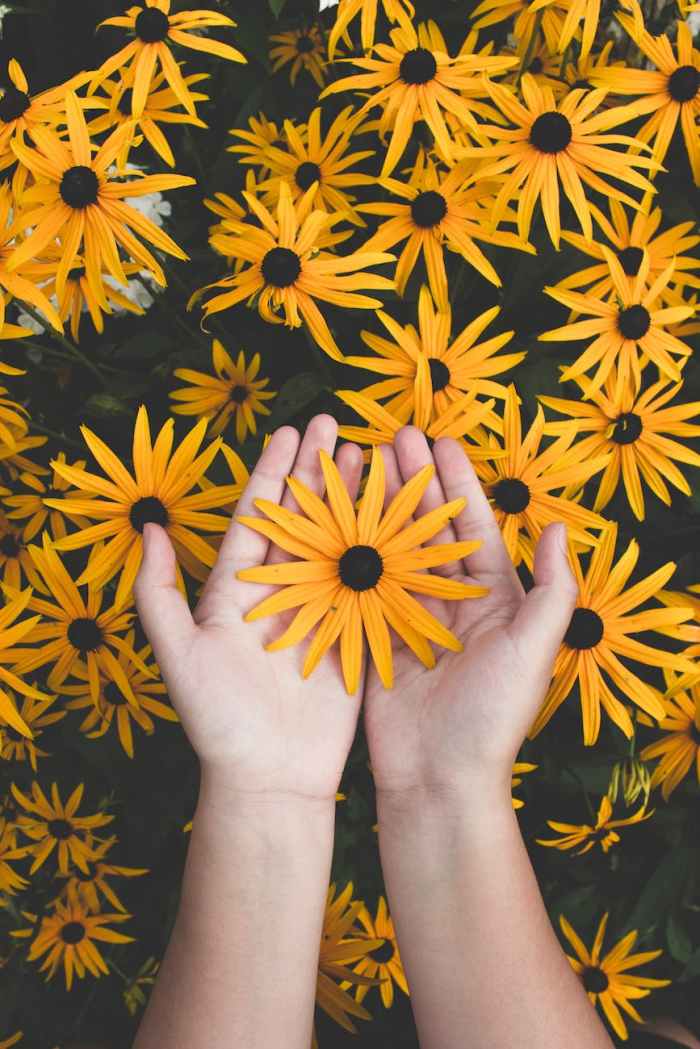
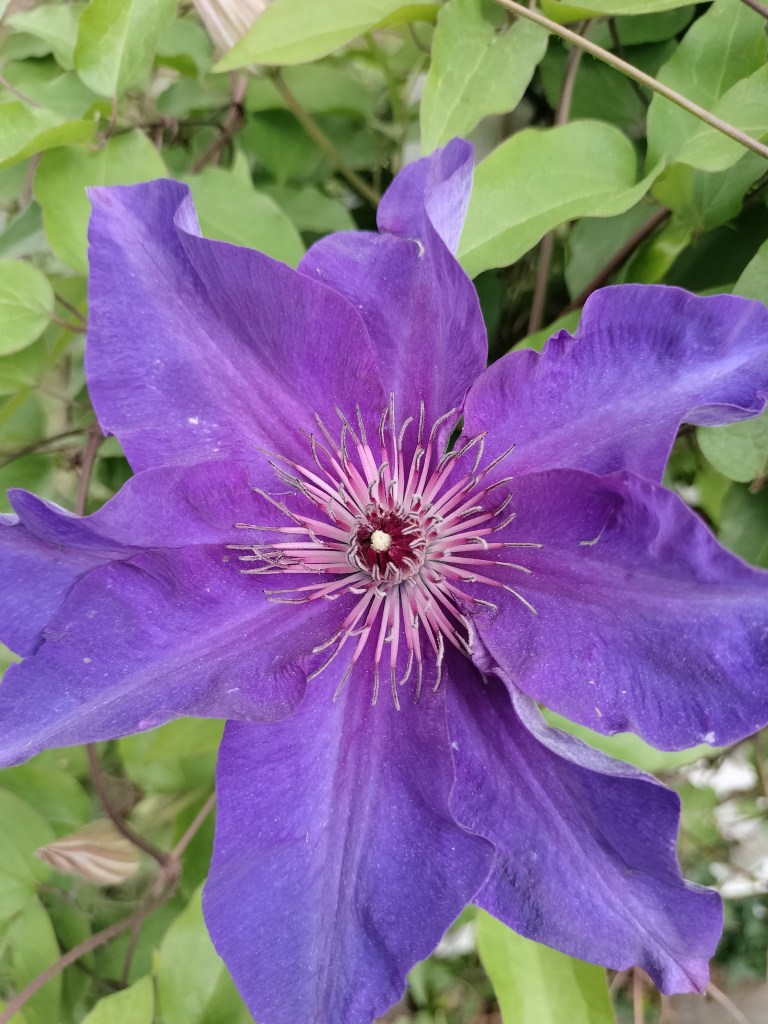
Here are some of the lovely things in bloom for April in my Tennessee neck of the woods.

*I know the sugar snap peas among these pictures aren’t perennials, but I will definitely keep planting them in this spot each year, so close enough!

Gardening Trial and Error

Saying “we’re going to learn together” can be a scary thing for an adult to say. We are so conditioned to be arbiters of knowledge. I think it’s a double scary thing for teachers to say. Unless you’ve been trained by programs that have a child-centered focus, people expect you have the answers, show up, and deliver the product. Maybe that’s why I have enjoyed teaching writing more and more — there are so many ways to get to the finish line* and the work doesn’t come exclusively from me.

I’m discovering that teaching gardening is rather similar.

This year we are tinkering with plants I have never tried to garden: sugar snap peas. I remember helping plant them on the farm with Jill and a handful of farm enrichment students last year. However, it was more like supervising. She had already started the plants in the greenhouse and had the trellis ready for staking. The plants grew well and the Maple Key girls harvested a ton of them on the last day of our program in May.

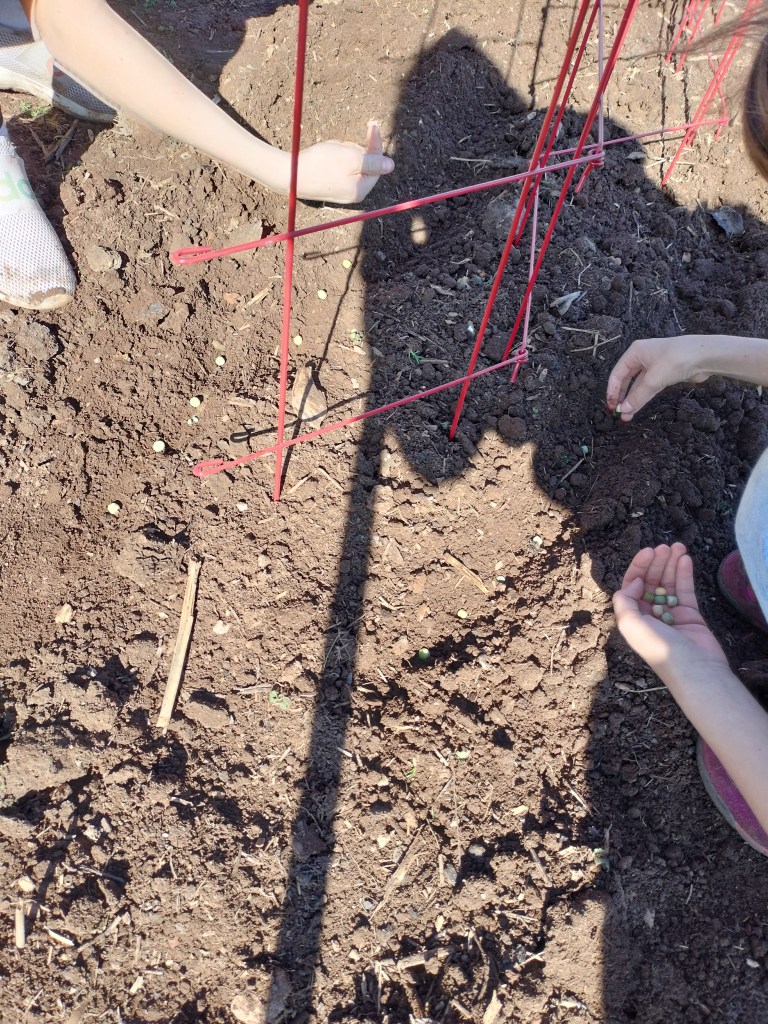
So on the same plot we are trying to grow sugar snaps once again, but we chose to directly sow them and are using a red collapsible trellis.


I was so inspired by this opportunity my daughter and I even planted some along the corner of the back corner of our chain link fence (natural trellis!) at home.

As I mentioned, I have never grown sugar snaps peas, so I did some research and am hoping for the best. Depending on what website or YouTube channel you look at you get SO many different ways to have a successful crop. One person swore by pre-planting indoors and transplanting to the garden. Another person said the exact opposite — sowing directly was better for the roots than transplanting. Some suggest pre-soaking the beans before you plant them (chose to do this) and adding an inoculant to the beans as a microbial additive to help nitrogen processing (chose not to do this).

At first all this conflicting advice was aggravating, but then I was reminded about all the conflicting advice we received about our winter garden and it miraculously survived and thrived. Gardening is a chance to explain to the girls that we can do our research, but ultimately we just experiment, make the best decision we can with what we’ve got, and see what happens. The opportunity to be surprised or fail is much better than thinking you’re going to nail it because you know so much. Gardening helps brings into view a more humbling, realistic view of ourselves and the rhythms of life!

Another thing I learned about this year was “seed tape”. You can purchase it pre-made or you can get a roll of toilet paper and seeds to try it yourself. It helps keep the plants in a straight line, avoids thinning, and prevents using a ton of seeds. When I asked the girls about seed tape, no one knew what I was talking about, so we made some at Maple Key for them to try at home. I did also buy some at Ace Hardware and planted it now in February to see how that will turn out in 60 days. We’re in zone 7, so it’s a gamble but an inexpensive one.


Here’s to experimenting!

*To be clear, I don’t know that I believe there is a “finish line” when you write, but there is often a point where you have to turn in the paper or manuscript and stop tinkering.