Grief Has No Timeline

Grief is not a topic I usually write about on this blog, but on February 4th and 13th I lost two very good friends to unexpected medical events. Both were moms in the prime of raising their boys. Two women who genuinely loved working with children and embracing them unconditionally.

The one I wanted to highlight here at Maple Key is our own tutor, Michelle Haddock who passed away after a severe asthma attack. She was able to be with us for the first week on the farm this year and wrote responses to all the students’ journals. She faithfully tutored one of our students in poetry, creative writing, and literature at the downtown library every week and loved her special connection with her.

Before she came to work for Maple Key, we got to know each other through our work at a local small library. I knew Michelle and I were going to be good friends after she was hired when she began talking about all the children’s literature she enjoyed reading. We would chat all the time about the programming we were working on along with all of our visions for the future of the library. She co-wrote the grant we were awarded in order to bring gardening to the library. Every day she had so much joy, knowledge, and humbleness in her spirit that she freely gave to others in her life. The other tutors at Maple Key and the library are still in deep mourning over her encouraging heart no longer being with us.

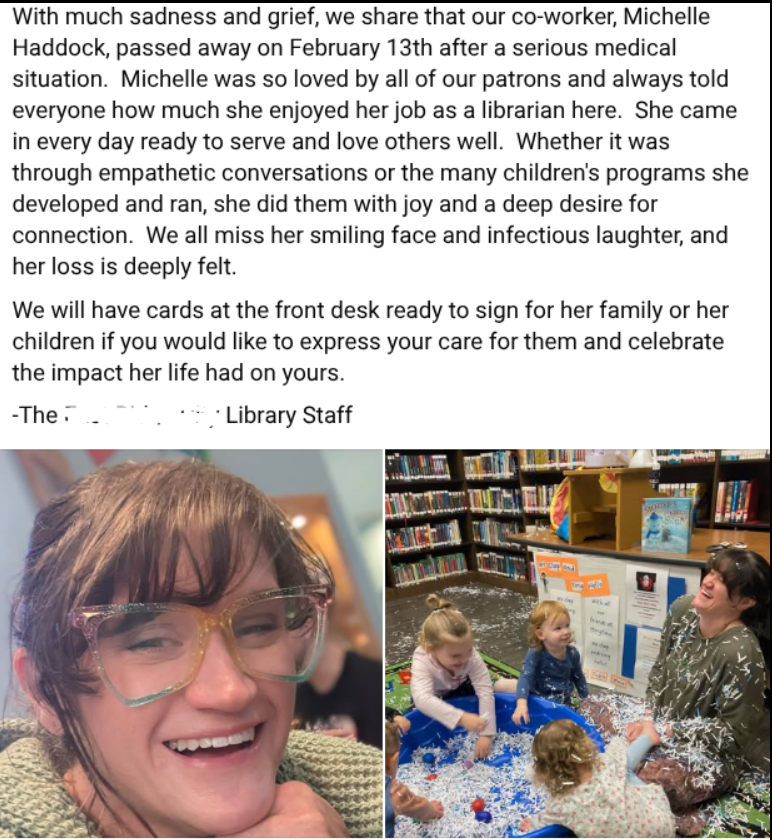
Here is what the library posted on its Facebook page:

It has been a difficult few weeks figuring out moment by moment how to manage deep feelings of loss while comforting others in the same loss. You just hug, cry, make a meal, write a condolence card, send a text to your other hurting friends and do it all over again the next day. That’s all you can do when you still can’t get your mind around the absence, the loss of what could have been.

Michelle loved to write and read and reflect. Our co-worker remembered she had started a blog to capture some of her greatest joys — her own children. Her post for her oldest son on his birthday beautifully explained her whole heart:

I have continued to fail you, over and over and over again…. and you forgive me, over and over and over again. You have the most resilient and forgiving spirit of any person I have ever met. Perhaps, it is simply because you have no choice. Walking two newbie parents through life requires one to have thick-skin, to survive all their missteps. But what is so precious about your forgiveness, as I watch you extend it to others and feel it given to myself….is that it is done so completely.  Once you decide to forgive, the slate is washed clean. My hope for you as you enter this new part of your life- the part where many of the hurts that you will carry through the rest of your life will occur- is that you keep that superpower of yours, to forgive with your whole heart. 

My other hope for you is that you will know, that you know, that you know….that you are worthy. I hope that you retain your tender heart. I hope that you keep your fiery spirit. I hope you never, ever forget that you are desperately loved. 

Michelle also loved poetry, so I am concluding this post with one of the best of them — Mary Oliver

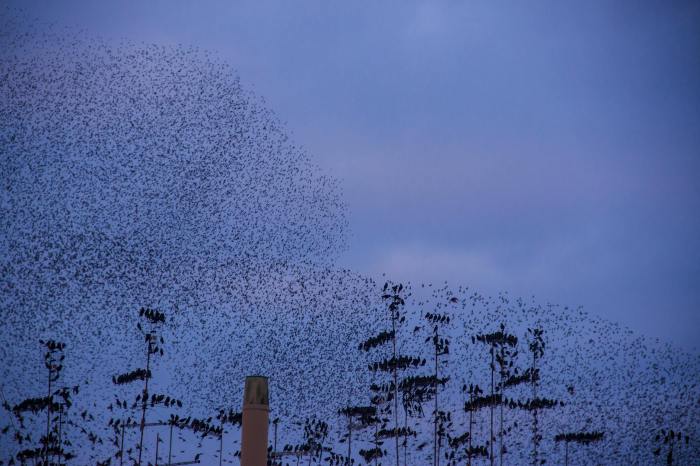
“Starlings in Winter”

by Mary Oliver

Chunky and noisy,
but with stars in their black feathers,
they spring from the telephone wire
and instantly

they are acrobats
in the freezing wind.
And now, in the theater of air,
they swing over buildings,

dipping and rising;
they float like one stippled star
that opens,
becomes for a moment fragmented,

then closes again;
and you watch
and you try
but you simply can’t imagine

how they do it
with no articulated instruction, no pause,
only the silent confirmation
that they are this notable thing,

this wheel of many parts, that can rise and spin
over and over again,
full of gorgeous life.

Ah, world, what lessons you prepare for us,
even in the leafless winter,
even in the ashy city.
I am thinking now
of grief, and of getting past it;

I feel my boots
trying to leave the ground,
I feel my heart
pumping hard. I want

to think again of dangerous and noble things.
I want to be light and frolicsome.
I want to be improbable beautiful and afraid of nothing,
as though I had wings.


We miss you so much, Michelle.

Group Activity: Writing a Villanelle

With having our largest group ever this year (12 students), we have had to get creative about how we do certain activities. This often means breaking up into smaller groups, but having another tutor there every week makes this possible! Recently, we took two weeks to write a specific kind of poem called a villanelle.

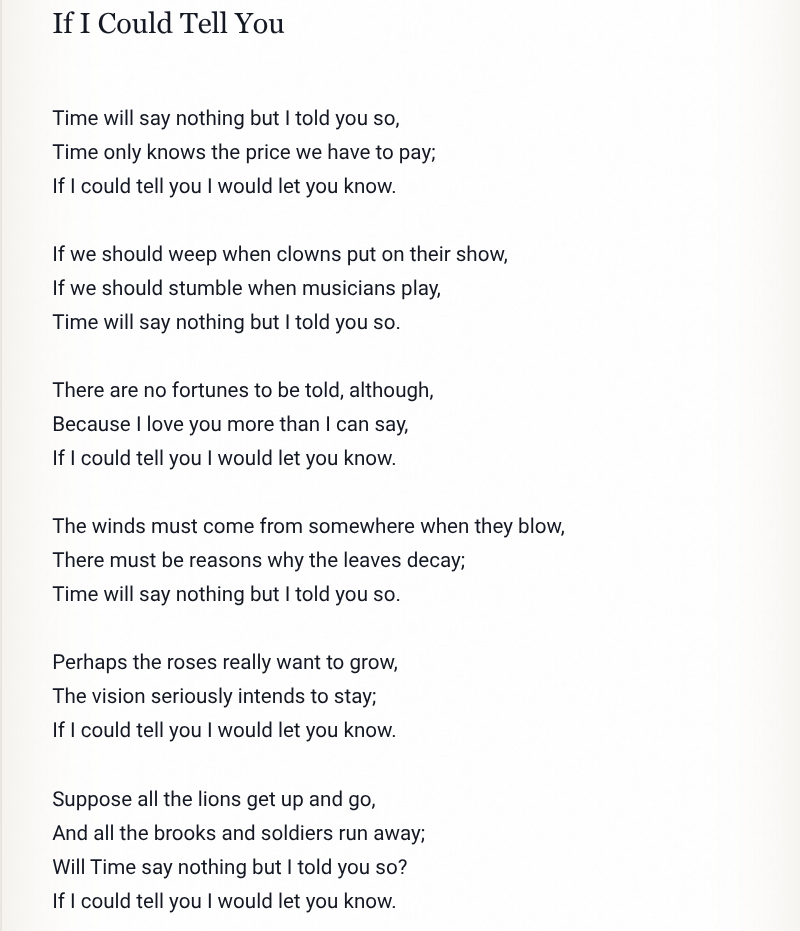
(^ Above image from: https://elliefleurjohnson.com/2017/12/04/understanding-the-villanelle-form/)

I chose this activity because I had just been to my own local writer’s group where we wrote a villanelle collaboratively (thanks, Olivia!) and I thought this might be an interesting opportunity to do the same thing with my students.

I read them some famous villanelles and then took a line to incorporate from this one by poet W.H. Auden


Each group brainstormed some ideas that would lend to strong imagery and then shared lots of laughter around figuring out rhymes that fit within it. Someone would spit out a line and their group would accept, reject, or rework it until it seemed like it belonged. For middle schoolers, this collaborative effort took a lot of time and patience and was frustrating at times, but it was also so much fun watching us frantically count on our fingers to make sure we had 10 syllables for each line! I love that both poems turned out to be nature related — fireflies and fields.

As leaders, my tutor, Ashley, and I mainly facilitated the students’ ideas, not trying to steer anything in a direction or shoehorn something in, but rather learning with them as a part of the creative process. Here are the results:

Perspectives of Fireflies

Fireflies in the dark forest night glow
Why do they flicker with unearthly light? 
If I could tell you I would let you know

Where’d they go when the world was white with snow 
Did Winter miss their warm, engulfing light?  
Fireflies in the dark forest night glow 

Spring winds call them with their inviting blow
Do flowers push up to call them with might?
If I could tell you I would let you know

Lazy summer nights tell them where to go
Do their hearts burn with great envy or spite? 
Fireflies in the dark forest night glow 

They dance under the stars with their wee toes
When the leaves fall do they dance or do they fight?
If I could tell you I would let you know

They swim in the slippery white moonbow
Running with silvery, sparkly sprites
Fireflies in the dark forest night glow
If I could tell you I would let you know

(Currently Untitled)

The vast field where the wildflowers grow
Asters, goldenrod whisper with the wind
“…If I could tell you I would let you know”

The creek is low as it hums its solo
The long stalks of velvety clover bend
The vast field where the wildflowers crow

The sparrow sings, its white wingtips it shows
The dandelion sways, its seeds it sends
“…If I could tell you, I would let you know”

The lone oak, its branches spread, its leaves blow
The crickets sing a song that never ends
The vast field where the wildflowers flow

13 The creamy clouds drift across the sky, slow
14 The orange sunset and the horizon blend
15 “…If I could tell you, I’d let you know…”

16 Horses whinny, feeling free, letting go
17 Sweet silence and secrets they will not lend 
18 The vast field where wildflowers sow
19 “…If I could tell you, I’d let you know”

Featured Student Work: Poetry by Belle

“Searching”

We are all searching in a way
Sometimes you don’t even know it
We are all yearning for something
And we don’t know how to get it

We search and search for
Just.one.thing
Love.
That simple little word
Just one syllable

Yet it is more important
Than any other word
So, my friends
There is one thing in life

That you must do.
Give love
It’s simple really
Just make your corner of the world better


From time to time I will feature student work here on the blog (always with their permission). Belle is working on an original poetry collection this year. She started with some poetry prompts, but she has been writing her own poetry for a while before being given those. Belle is an avid reader and it comes through in her writing projects and poetry. She has an ear for what hits the right note and reads her work aloud with such poetic precision. I love working with students like Belle who are in full control of their writing — opinions, edits, revisions. I take a big back seat and let her tell me where she wants her writing to go. I sincerely hope she works as an author, poet, book editor, or in book acquisitions someday. She has the drive and skill to do it!

Modeling Writing in Real Time

“Hey! I have an idea for our tutoring time I’d really like to do today,” said my student as I sat down at her dining room table.

“Sure! What did you have in mind?” I said, waiting for a fun surprise.

“Next week is our last week together with the group and I wanted to write a poem for each of the girls who are graduating or leaving.”

“That sounds like a great idea,” I responded. “Let’s see how we want to go about doing that.”

So we sat at the table and gave her one example she could draw from if she chose. I showed her what I wrote for one of the graduating students to share in front of the other parents and students .

If I could give out an award for bravery, it would be all yours. You came into Maple Key last school year mere weeks after moving here to TN from your whole world in CA. As we listened to tales of your new life, your new house and new animals, it always made me wonder, “How is she handling all these new changes so well?” You came in each week willing to jump right in for gardening, watercolor, or a good laugh. If someone were looking in from the outside, they would have never known that you hadn’t lived here long or been a part of our group for years because you embraced your new life here. This year you rallied all the girls together not only to go to the middle school dance, but for you all to get ready together. The stories that came from that event – both anxious and hilarious – might not have happened if you hadn’t assured them that there would be something for everyone.  

One of the things I admire about you is that you don’t let setbacks get in your way because you believe there is a great big world out there for you to delight in and discover. I have seen time and time again, if you don’t know how to do something you always find a way to learn and adapt. If something annoys you, you have the self awareness to acknowledge it but don’t hold a grudge against the situation. You have a true entrepreneurial spirit, a jack of all trades who will be in high demand for whatever she sets her sights on in the future. But most of all, you are the kind, gentle big sister we needed this year. 

I told her that I would take these paragraphs and make it into a poem so she could see how I pulled out adjectives and ideas from what I wrote and included other things I knew about the student she was writing about.

A Long Journey

You did it:
– The plane rides that made you anxious
– Embracing a new set of friends
– Training new animals
– Becoming a DIYer

You are filled with:
– laughter
– leadership
– love
– delight
– dreams
– discovery

You share tales of your old life, as it tries to blend in with the new
– Gnarly
-Smoothies
-Sunshine
– Goats
– Horses
– Gardening

You always find a way to learn and adapt
You are the kind, gentle big sister we all needed this year

As I said, I just made that poem up on the spot, not trying to overthink any particular line. The point was not for my poem to shine, but for her to see a way forward as she visualized the person she was writing about and play around with form. Just that 5 minute little exercise gave her a boost to finish up her own inspired creative endeavor after I left.

When the time came, I was so anxious to hear what she had come up with! This 7th grader read her poems in front of the other students and parents with confidence. One of the students graduating was her older sister and when she shared the title “Trailblazer”, the waterworks were coming from many eyes in the room.

What a joy it is to be a part of that facilitation process where students’ ideas are incorporated and they can assess their own and others’ growth over time. Goodbyes are always hard at the end of the year, but seeing students leave with hearts and minds full and younger students ready for another year of inspiration in August certainly helps ease the transition of hugs and tears.

Featured Student Work: Literary Analysis by Emma

Friendships and Feuds: Learning to See Past Beefs in Strawberry Girl

We all have that friend that is complicated. The friend that is hard to deal with but not an enemy, just one you don’t get along with all the time.  Friendships are not something that you should take for granted, they are something to be cherished and well loved.  Some people can be hard to understand but once you get the feel of them you can see what they are like. In the book Strawberry Girl, two kids, Shoestring Slater and Birdie Boyer, share this kind of friendship. They are not friends all of the time, but they will come to one another if they need something.  The two kids have very different backgrounds, one came from Carolina and the other already from Florida, where the story is set.  They learn to be friends because their families are so different and because they are honest with each other as well as being literal neighbors and schoolmates.

Though the Boyers and Slaters are neighbors, they have very contrasting lifestyles. The Boyers have a lot of land and hard working animals and good, healthy children. The Slaters have less land, less food for their family, and they have animals who get less attention, therefore are less tame. The Boyers are polite and well looked upon because of their kindness to others. The Slaters are looked down upon because they are poor (we see Mr. Slater spending most of the little money they earn on alcohol). Also several of them (but not all) are obnoxious and rowdy. The fact that Shoestring is not like the rest of his family, being more sensitive and caring, he understands the Boyers more. He trusts Birdie and that makes it a lot easier for them to be friends. Birdie also trusts in Shoestring even if she doesn’t always trust his family. 

The first day Birdie went to school, she got a bad impression of the Slaters. Shoestring’s brothers attacked the teacher and that made Birdie more fearful of them. The brothers acted out of their shame, like most bullies do. Shoestring is different from his brothers because he does not have as much pride, but he also does not like to be looked down upon either. It seems like he is able to be a different person at school versus the pressure he feels to be like his dishonest father at home. At school he uses his literal name, Jefferson Davis Slater, instead of Shoestring, indicating he is different than his family. He wants to try and change things for the Slaters and sees the Boyers as perhaps a “new start”, even when his father forbids him to help them various times in the book. For instance, he still chooses to reach out to Birdie to tell her about the pliers in his father’s back pocket that he will use to cut the Boyer’s fence.

Later in the book, Birdie is proud to introduce Shoestring to the teacher, Mrs. Dunnaway, because he is different from his scary, bullying brothers. He assures his frightened teacher that he is not here to fight, but “come to git book-larnin’” (189). He shows more compassion and pays closer attention to his feelings than his family. She is not ashamed to be Shoestring’s friend and defends him because she has had experience with his capabilities. She tells Mrs. Dunnaway, ”But Shoestring…I mean, Jeff’s different!…He ain’t rough and wild like Gus and Joe!” (190).   
           
Even though they are good friends they can have conflicting feelings and they don’t always have the same point of view. This actually makes their friendship stronger. After Mr. Boyer chops off the top of Slater’s hog’s ear, Shoestring comes to warn Birdie as an act of friendship, but as a son still strongly defends his family. “Iffen your Pa don’t leave our hogs alone, Pa means what he says: he’ll git him yet! I just come over to tell you” (50). Birdie says, “her voice bitter with scorn” that Mr. Slater is being a coward by sending his son to be his messenger (51). After their shouting match they realized they didn’t want their Dad to get their guns out and escalate the situation. “Birdie thought for awhile. This was a surprise. It looked as if Shoestring didn’t want trouble any more that she did” (51).     

At the candy pulling event Birdie is looking to have fun, but she gets partnered with Shoestring who “was glum as if he were at a funeral” (88). Birdie wants to play with those who are able to enjoy the day and she has dismissive thoughts about Shoestring and his family even as he is trying to tell her why he’s upset. He trusts her and cares for her family enough to share his father’s malicious plots with her. Shoestring sees her as someone who is trusting, one of the few who can at times see past their poverty and his Dad’s foolish decisions. Birdie is always inviting the Slaters to events and to their house both because she has taken a liking to the Slater sisters and sees them as needing help. Thus, Birdie’s experience as an older sister helps her naturally take care of Shoestring’s younger sisters and his mother. She understands what they need and this dynamic helps strengthen the bond between her and Shoestring. 

We all have complicated friends, but to make the friendship work or not work it “takes two to tango”. Birdie and Shoestring both really want to be friends with each other and believe that the other person has their best interest in mind even when they raise their voices to each other. They don’t leave their problems hanging; they hash it out. They protect each other around their own family, they are honest with each other and defend each other. Strawberry Girl shows that two people from different places can become friends and trust one another by overcoming family differences and personality differences. Birdie and Shoestring provide a role model friendship for readers to experience.        

Works Cited Page

Lenski, Lois. Strawberry Girl. J. B. Lippincott & Co. 1945.
     

From time to time I will feature student work here on the blog (always with their permission). Emma and I worked on this essay in our 2024/2025 tutoring time after finishing Strawberry Girl by Lois Lenski. After given a list of options, she gravitated toward the themes around friendship. We brainstormed some contrast and comparisons and the paper was finished in about a month. Emma’s passionate voice and thoughtfulness really comes through in this paper and it’s no wonder because she herself is a loyal, welcoming friend. Taking a book written 80 years ago and infusing its meaning with modern eyes while keeping the integrity of the text is phenomenal for a 7th grader, and Emma pulled it off wonderfully. We also laughed at the title for the paper she came up with for 5 minutes after looking at thesaurus for conflict!

What Sarah Said (and Other Recent Inspirations)

Recently, I went to our monthly local writer’s group and brought in some poems that I had written. These poems I had penned as a model for my students, since I had asked them to write from the very same prompts. I tend to be an over-thinker, so the practice of writing under a deadline and letting the results be what they are is good for me.

As usual, the people gave incredible feedback, mainly that poetry needs less words — take out the unessential. We distilled our mantra down to “Chuck all the words!” as we laughed at all the things that could get gone from my poems. With every comment, I felt so lucky to be a co-learner alongside poets, bloggers, novelists, professors, marketing writers, and others who would claim no other label other than they love writing. Peer review can and should exist beyond Composition 101.

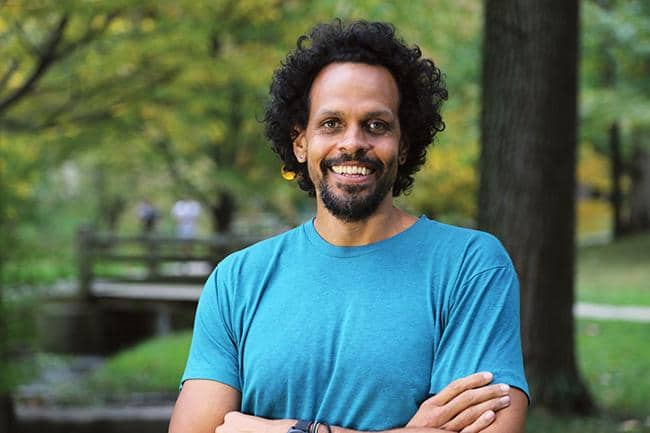
The first poem I shared was based on an essay collection by the poet, Ross Gay, I had been listening to in the car. I imagined I was Gay as he cared for his dad in the ICU and all the tenderness was spilled on the page. The administrator of our group leaned over to me and whispered, “Were you thinking about ‘What Sarah Said’ by Death Cab for Cutie when you wrote this?” My poem had images of a heart monitor, being terrified of your own feelings, hospital hallways and harsh family memories. I told her I was not channeling that song consciously, but I knew it well. After the group left, I went back home and played the song on Spotify; it hit so fresh. Listen to some of the lyrics:

As each descending peak
On the LCD
Took you a little farther away from me
Away from me

Amongst the vending machines
And year old magazines
In a place where we only say goodbye

It stung like a violent wind
That our memories depend
On a faulty camera in our minds

And I knew that you were truth
I would rather lose
Than to have never lain beside at all

And I looked around
At all the eyes on the ground
As the TV entertained itself

‘Cause there’s no comfort in the waiting room
Just nervous paces bracing for bad news

After re-reading those words from a song I had heard a million times in the last 20 years, I was humbled to even be considered near the lead singer, Ben Gibbard, in terms of writing. Just look at all the specificity and irony in this hospital scene he paints! I may have been thinking about what Ross Gay described, but this song must have been rattling around in my psyche somewhere. I suppose it’s really no wonder that Plans by Death Cab for Cutie is one of my favorite albums of the 2000’s. Every song is an absolute vibe, a calm emo kid’s delight, full of heartrending tones and quiet desperation. Gibbard wrote lots of songs in response to hard things he had seen or experienced in relationships. I am always telling my students that writing in direct response to something is where some of the most profound art work exists.

So I listened to Plans some more this weekend as I write this blog post and as I look back over my writing for more words to chuck.

Ross Gay out here being a great poet

Guest Post: Editor’s Note by Justin Lonas

Here is a guest blog post on the writing and editing process from my husband. Reprinted from his Substack with obvious permission. This is why we like working together on projects 🙂


I’ve often said that I’m a better editor than I am a writer.

Whether that’s the whole truth or not is for others to judge, but what I know is this: both crafts bring me joy, but one comes much easier than the other. Writing for me is slow, tedious work.

This is likely because I’m always editing. I’m rejigging every thought before it finishes hitting the page. It’s a combination of tasks that layers poorly—both the writing and the editing going slower and being less effective together than they would be separately. Perfectionism is the enemy of creativity. This nervous habit seems worst in Microsoft Word, where the work “feels” finished from the baseline format, and every minor mistake is flagged with squiggles. Typing on a blog or social platform brings a bit more freedom, given the need for speed and hope for immediate engagement from readers. If I really want to get into a flow, I have to have a pen (Pilot G2 extra fine blue, thank you) and a legal pad.

When I edit others, though, my fingers fly through a document with surgical precision, correcting typos, smoothing syntax, tweaking word choices, shortening sentences, rearranging paragraphs, synthesizing ideas in comments, asking clarifying questions, etc. I’m a veritable machine of reader empathy.

At various points in my life, I’ve done this full-time (editing my student newspaper in college; operating a monthly print magazine; trying to get a digital monthly off the ground), and it’s always been part of my various jobs. For professional copy (marketing materials, blogs, newsletters, magazines, etc.) my skills and fervor for crafting the best possible finished work is usually a welcome—even unnoticed—part of the process.

When editing more personal projects, the process is a bit less welcome. It’s one thing to tell yourself to “kill your darlings” altruistically, and quite another to have someone else do it with dispassionate deftness. Part of this is no doubt due to the fact that most of us don’t ever give our work to a good editor until we submit it for publication, and the process of getting feedback after acceptance can be jarring. Someone who hasn’t been in conversation with you about your idea, someone you don’t know well, is coming for your hard-won creation.

Editing as Collaborative Creation
But this is precisely where editing is most beneficial. It’s difficult to do this part remotely, or in a mere exchange of documents. You have to get your hands dirty, so to speak, till the soil of relational capital to grow something together with a writer that neither of you would have come up with independently.

This is part of what Elliot Ritzema has called “editing as fellow-feeling,” helping someone sound more like themselves and saying what they really mean to say and coming to a place of sympathy with them. But it goes deeper. Good editing isn’t merely an essential part of refining an author’s ideas and voice, but a process of mutual discovery of the “thing” under the words written. It’s a dialogue to add necessary context and trim down any details that will get in the way of communing with readers on that elusive shared wavelength of recognition.

This cultivation of a work is also part of what a good writers’ collective or workshop group should do—carefully inviting others into the process of bringing something closer to completion. A group that’s built trust and collective knowledge of each other doesn’t take submitted material as the end of something, but only the beginning, calling forth more of someone’s essence than they initially put forward.

Sometimes, the one-on-one of editing gets a little more nosy, though, pressing into the unfinished corners of thought with ruthless curiosity. It can get a bit messy before it gets better.

Case in point: as we’ve slowly moved out of the never-ending demands of the little-kid phase of parenting (our youngest is finishing kindergarten), both my wife and I have spent a lot more time writing. We also edit each other’s work, somehow managing to be both each other’s biggest fan and firmest critic in a growing symbiotic “cottage industry” of putting words into the world.

Neither of us really enjoys the first go-round of edits—holding on to concepts and words a bit like a dog guarding a bone. Eventually there’s always a turn, a pivot toward reciprocal creation once we both begin to see what could be, that pushes something through to the finish.

When I say I’m a better editor than writer, this is what I mean. I find it so much easier to create from something that’s there, and with someone who is delighted through the making. It’s true that you can’t edit a blank page, but I sometimes can’t even begin to do my best writing until I’m on someone else’s page. Helping another writer discover their best work within the ideas they’re chipping away at energizes me and usually overflows into remembering how to do my own work better.

At its finest, good editing sparks a virtuous cycle, bringing life to words and to the world. Anything worth making is worth making together.

Featured Student Work: Book Review by Maryellen 


Whispering Trees: Book Review of The Singing Tree

The Newbery Medal once, the Newbery Honor Twice, and the Caldecott Honor all went to author and illustrator Kate Seredy. Seredy was born in Budapest, Hungary, in 1899. She grew up with a scattered family heritage, having grandparents from so many different places, and hearing all sorts of opinions and stories. She graduated from college with an art degree and moved to the U.S. soon after in 1922. She illustrated things to provide for herself while learning the English language. Her first book was The Good Master, a book based in Hungary with her as the main character. Four years later, when she wrote the sequel, The Singing Tree, she knew what war was like, having been a nurse in World War I, and was able to write about the hardships that came with it. She continued illustrating and writing books, many of which got notable honors and awards. She always considered herself more of an illustrator than a writer, creating until 1962, thirteen years before her death at age 75 (Young).

A website titled “A Tribute to Kate Seredy” claimed, “…the best of Seredy’s writing has auditory and visual qualities which draw readers in and carry them along” (Young). This is the first time I have read one of her books and I agree with this statement. In The Singing Tree, at the beginning of each chapter, there is a little traditional Hungarian picture which gives a sense of anticipation and motivation to help the reader continue. The artistry featured pictures at the end of each chapter that are less traditional but they go with the storyline, typically portraying something that happened in the chapter as a little reminder which for me, helped break up the text well.

The target audience for this book is probably early teens to young adults. The book isn’t too thick and loaded with information, yet it isn’t something that you can fly through and not miss anything. I liked that the chapters were easy to manage, taking about 10 to 15 minutes to read about a chapter and a half. The vocabulary and story line are good for teens about 12 up to maybe age 20.

I was surprised by The Singing Tree because I typically don’t prefer books that are historical facts and information. This one was historical fiction and I really enjoyed both the history as well as the style of writing. I knew that Seredy based some characters and settings on her experiences, but it made me wonder how much of the book was fiction and how much she actually experienced. Given her background, I wish Seredy told a little bit more about the war.  I understand why she refrained from talking about it, but I felt like if she was going to put a war in her story, there needed to be more context.  Every time Jansci’s father shared about his experiences in the war, it was about something important to the story but didn’t give too much context outside of that.

Seredy introduced many characters in The Singing Tree but one of the more important ones is Jansci, a Hungarian boy in his middle teens who values growing up and being a man. He is very thorough and tries to do the best that he can to be like his father, working on the farm and tending all the animals. Village life is all Jansci has known, caring for everything and others recognizing him for being hardworking and helpful. When his father gets called to the war, Jansci knows what to do on the farm because of community, tradition, and how his father has modeled it. Throughout the book he grows up during the worst parts of the war and continues to learn how to do these things without his father, enjoying more responsibilities and learning what he needs to know to be a Hungarian man. 

As Jansci is growing up in the village, with him is his cousin, Kate. She is a young teen girl who is very passionate about things, like her chickens. She will not let anyone harm the things that she loves. She struggles to accept all of the restrictions that come with growing up and the things she has to learn. She is in that transition stage between being childish and being a young woman. She still has to learn what the women in the village are called to do which means she has to put certain things aside. For instance, riding horses with Jansci is not how ladies ride horses and the way she dresses now cannot be like men.

I relate with both Kate and Jansci but in different ways. Kate’s determinedness is a lot like me in that she doesn’t give up and is almost always optimistic. Jansci has a sort of sturdiness and quietness to him that I also see a lot in myself. He is an observer of people and that is something that helps us both know a little about what to expect so as not to be caught off guard.

As well as Jansci and Kate, there are other kids in the village who are learning to see life differently. Lily is first seen as a spoiled young girl, having been badly influenced from a fancy school in Paris. She stays with Kate and Jansci while her father is in the war. She slowly gets to know the village and family better, beginning to love and appreciate the animals and farm life. She learns that tradition is supposed to be a cherished ritual, and should be treated with respect, as well as that each animal on the farm is necessary, just as much as each person has value. She has changed from her false “Paris identity” to appreciating the farm as where she belongs.

Seredy shows us how wars change the way people live, and how sometimes, well known truths change in ways that are devastating. Near the beginning of the book, during the war, Jansci is returning home and is required to pick up 6 Russian prisoners. They get stopped by a Hungarian soldier who is looking for one of the men from the village who ran from his duties in the war. He had received a letter that his wife, who had just had a baby, was sick. The soldier doesn’t know that within his load of prisoners Jansci is smuggling the man to their house. The soldier pities the man’s wife saying to Jansci, ”Son, it’s a crazy world when it’s a man’s duty to kill, and a sin to comfort his wife” (Seredy 156). He knows that traditionally it was a man’s job to comfort his wife and a sin to kill, but at the current time, it was the other way around. This was something completely different from their lives before the war. Just as also at the beginning of the book, they count the time by the things that are happening — when the maple turns red, then it’s time to pull the potatoes, etc., but near the end of the book, everybody is counting the time by different things, letters from fathers, nights until a holiday, days since the war started, and more all because of the war’s disruption. These things strengthen one of Seredy’s main themes, change (because of the war) vs tradition (the way of life before the war).

There were a few characters in The Singing Tree who were in denial about  the war and they had to accept that there would be some troubles ahead of them. The people have to accept that there will be change and that the traditional ways still remain, they are just altered. A large part of the book is about who the main people are, as well as who the village sees them being. Jansci, Kate and Lily find out what makes them unique and how they can use their special talents to help while the men are away at war. They have to find their identities and roles as young men and women. In a time of war, the farm animals gave the family at home a purpose and a reason to get up in the morning. They were a very subtle way to keep up hope while loved ones were away fighting. The animals provided a source of comfort and healing to families in the community.

No matter what nationality people are, they understand without speaking, the chores that need to be done and the way to do household things. The barrier of language doesn’t matter; the plow will look the same. When people from different areas come in, they help around the farm without asking what to do or how to do it. In the war, both sides are fighting, but they know that this is not the way to settle disagreements. Jansci’s mother realized that the Russian prisoners she took in did not want to fight. They wanted to be at home with their families just like she was. She knew that the country’s leaders were to blame, not the men. She says, ”Why should I mind? They are men, like ours. Maybe… if we are good to them… they’ll write home too, like Sandor, and say that we are kind and maybe some Russian woman will say to her husband or son: ‘Don’t aim your gun too well; they are just simple people like we are’” (Seredy 142-145). It is such a good quote to describe how life during the war affected people on both sides.

The war from Seredy’s Hungarian childhood had a really hard impact on her life and she based this book on her experiences growing up and what she gathered from that. She saw war and suffering and greatly disliked it. She saw how it tore families apart and disrupted daily life. She put a lot of great lessons into her writing that can still apply today – the truth of coming of age and the theme of love without barriers helps the book into a deeper meaning that you have to dig for. She reminds us that we don’t have to speak the same language or fully understand, to help and work together to get the work done. Seredy wanted to teach us there are deep lessons in tradition. As Jansci’s father said, “‘Whispering trees,’ he went on gently as if speaking to them,’they have weathered many storms. Some of them are broken and almost dead, but new shoots are springing up from their roots every year. Those roots grow deep in the soil, deeper than the trees are tall. No one could kill them without destroying the very soil they grow in; what they stand for lives in the hearts of all Hungarians. Nothing could kill that without destroying the country.’” (Seredy 39).


Works Cited

Seredy, Kate.The Singing Tree. New York, Penguin Group,1990.

Young, Linda M. “A Tribute to Kate Seredy, Author and Illustrator.” Flying Dreams, http://home.flyingdreams.org/seredy.htm. Accessed 18 November 2023.


From time to time I will feature student work here on the blog (always with their permission). Maryellen wrote this over a few months in 2023/2024 during our one hour tutoring time each week after reading The Singing Tree. Maryellen is a big reader who is very methodical and observant. I love her keen sense of literary analysis and ability to make textual connections with the world around her as well as other texts. She worked diligently and patiently on this project from drafting to revising to editing!
The Journey of Reading

Sometimes I want to pinch myself — I have two dream jobs that involve people and books!

I get to work at the library where I can engage people during events, have co-workers, be creative and visionary, and sometimes listen to audiobooks while I do other non-creative tasks.

I also have this job where I get to walk alongside students who are discovering who’s already inside them. To see what the literature and nature provoke in them during the week.

Despite what some people assume, I was not a bookworm growing up. I loved hanging out with people but mostly enjoyed read alouds from the teacher and the occasional trip to the school library. I went to daycare after school where I mostly played on the huge playgrounds or tried to be friends with the staff instead of the students (on-brand me…). I was off the charts in reading and writing abilities, but my taste in books didn’t start to form until I started hitting high school. Even then, I read few books outside of assigned readings. If it weren’t for some really faithful and gifted English teachers, I honestly don’t know if I would be doing what I am right now. Through literature, they showed me the power of someone’s story and that fire has never left. I can easily say that desire to seek others’ perspectives has been indispensable in every area of my life.


I think my own “reading journey” can help other parents feel at ease if their student doesn’t seek out all the goodness that’s available to them right now. I don’t promise that their child will become a literature major (and that’s not what they want anyway!), but I do believe that reading, discussing, and asking good questions together helps push that needle forward toward seeking out better writing and inspiration for themselves. Students need to discover how to think about what they think! Their personal connections create fond memories of literature and remind them of many others who they can ask for rich books along their own journey.

In addition, I hope reading more widely gives them the freedom to decide for themselves what makes a good book and what doesn’t. I am almost 40 and still can feel bad about having wildly different views than my friends or critics on certain well-acclaimed books. However, I know I might gain some different perspectives hearing from them just as I should be willing to explain my position if asked. Learning to be settled in who you are as a reader is a gift that requires patience and cultivation.

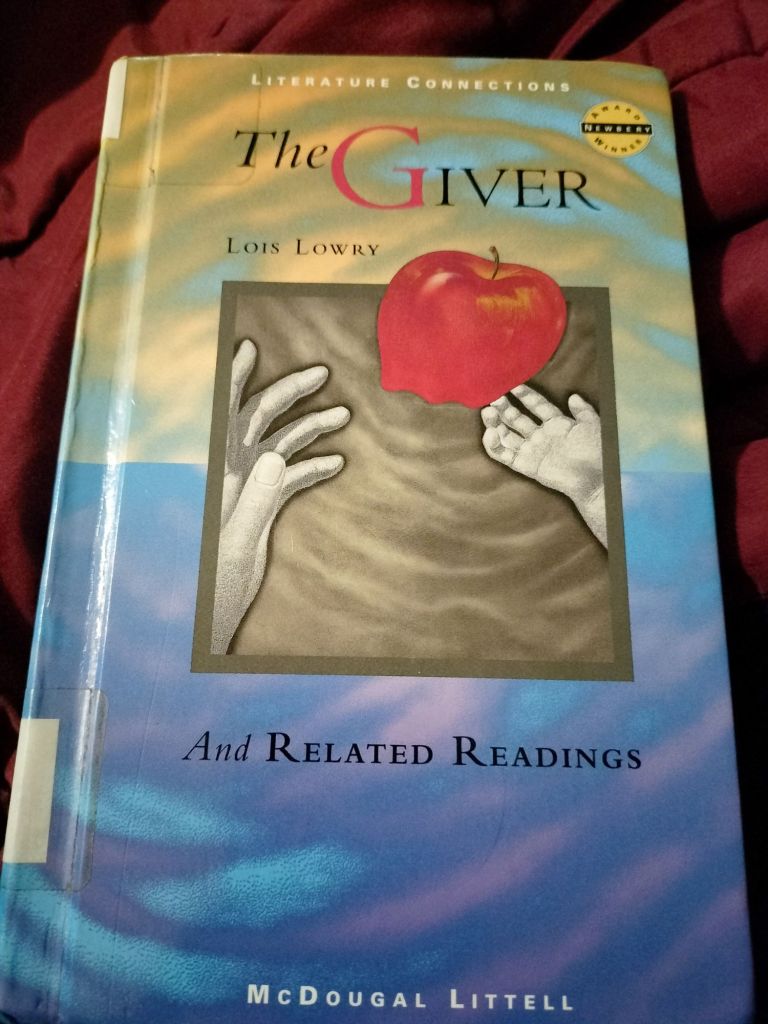
P.S. Look at this copy of The Giver I found at my library. It was published in 1997, only 4 years after the novel came out. The related readings are an incredible resource (see poem below). Part of why I love my tiny library is that a bigger library might have culled this one out decades ago for a newer copy of just the novel. Little libraries can keep gems if you know where to look!