Poetry Power

I generally have 3 categories for books I pick up.

1. Classics I have never read

2. Books friends have written or recommended

3. Accidental finds

The book I just finished is in the 3rd category.


How to Say Babylon is a memoir from a Jamaican poet, Safiya Sinclair, who, like me, is 39. Her story is an incredible journey of poetry and the long memory of self-discovery. She shares about the constant hostility and abuse in her home due to her father’s strict Rastafarian beliefs, juxtaposing them with the discipline of poetry, writing, and reading that helped her see her calling as a poet and author. The book just came out in October, but I imagine it will be named one of the best works of creative non-fiction of 2023. I am so grateful she chose to share her story with the world. It’s a reminder that there are many young poets out there pursuing words and how to string them together with their heart. It means I have an obligation to help nurture that with my students. Because I have always felt like poetry was my weakest link in my education, I have had to work hard to understand the ear qualities and brevity it often requires. It would be so easy for me to just double down on novels, but if I did I would have no sense of language’s beauty and form which is essential for excellent writing and understanding yourself. So I continue to look for ways to incorporate it into our days at Maple Key and the local writing group I am in. One of the ways is through poetry prompts.

This one is from Joseph Fasano’s to-be-released, Magic Words.

Here is what I wrote:

The fox cannot help being clever.
The bleeding heart cannot help being ephemeral.
The star cannot help being luminous.
And I cannot help being Rach.
Even in my sleep, I dream of words.
Even in my sadness, I love my compassion.
I swim in the rivers of my unsureness.
I climb through mountains of my fatigue.
I travel for years and years.
And on the other side
is Rachel, beautiful Rachel,
her unruly curls cascading in the breeze.


It was good to dig deeper and not write it like a Mad Lib where you just put the first thing that comes to your mind. I encourage you to surprise yourself and give this prompt a try. Feel free to leave your work in the comments here or on the Maple Key Facebook page.

A friend from writer’s group gave us this prompt for this month from The Poet’s Companion by Kim Addonizio and Dorianne Laux. She said the repetitive form lends itself to writing about a common dream experience (whether true or made up). It is called a pantoum and you write lines that weave back through the poem (hence the numbers that guide it). Here’s my example based on the anxiety people have about being unprepared for a class:

1 Today’s Lesson
2 Written in thick, black letters
3 Teacher wants us to know
4 But I cannot write

2 Written in thick, black letters
5 Her misplaced enthusiasm.
4 But I cannot write.
6 I cannot speak.

5 Her misplaced enthusiasm
7 Smashes against the teenage clamor.
6 I cannot speak.
8 I will suffer for this.

7 Smashing against the the teenage clamor,
9 My muteness a target.
8 I will suffer for this.
10 I close my eyes.

9 My muteness a target.
11 I cannot be the dependable one today.
10 I close my eyes.
12 No paper. No pencil. No notebook.

11 I cannot be the dependable one today.
13 A test I will not pass.
12 No paper. No pencil. No notebook.
14 Everything a swirl of noise.

13 A test I will not pass.
1 Today’s Lesson:
14 Everything a swirl of noise.
3 Teacher wants us to know.


Give this one a go and discover what comes up for you even if no one sees it but you! Play with the punctuation. However, you can also feel free to put your completed poem in the comments here or on the Maple Key Facebook page if you want to share.

I believe poetry has immense power, so challenge yourself to dip your toes in — the water is fine!

The Local Library

Last month I got a new job. I didn’t quit my old one, but added to my repertoire as they say.

I was a library assistant my senior year of high school and considered for a while becoming a librarian, but it didn’t really fit with my college choice and I wasn’t sure if I was up for grad work right away in order to get the job I wanted. So I let that dream go and life has swept me along thinking about it every now and again…

I guess the Lord didn’t want me to forget about that pursuit when we realized our house was within walking distance of the local library (also a 3 minute drive). It’s located in the city hall complex on the backside with no flashy sign, so many people don’t know it’s there. Near the building is a newly redone playground and splash pad and dog park that helps draw people in. My family has been going there for over 12 years and having 4 kids meant racking up a lot of stroller miles over that time.

Fast forward to now… a longtime library employee, who we loved dearly, recently moved. All the employees shifted up in positions which left the 8 hour a week spot open. They asked me if I wanted to join on and doing some creative support, event help, and behinds the scenes grunt work. They said this position has no set hours and my kids are always welcome to come with me. How could I say no?

My co-worker (who is an incredible artist!) made a stencil and I chalked this outside the library for Dino-vember

So I have run Bingo for the older crowd, wrapped boxes for movie time photo ops, shelved books, taped and stamped books, chalked dinosaur feet, helped people locate graphic novels, cut out crafts for storytime, organized craft items. Ironically, through doing this varied work it confirmed my choice to not become a full-fledged librarian who acquires books and labels things, etc. I have to have a lot of variety in my jobs, so being behind a desk all the time isn’t what I am built for. I have to move which is probably why I became a teacher instead.

I am excited about giving back in a small way to a place that has given so much to my children and so many others over the years — a community area that really is like a second home and a safe space to them. When I work (now as an official employee of my city) I see all the many faces of my community and even my own literal neighbors. That was the part I didn’t consider when I was dreaming about books as an 18 year old, but I see it so clearly now. These “3rd spaces” (places that are not home or work) are vital for populations to flourish.

Featured Student Work: Poetry By Sage

“Noise”

By Sage

Tiiiiz Tiiiiiz Tiiiiiz

The crickets’ restless chirp

sshhhh whoosh

The peaceful breeze on a warm day

fftch fftch fftch

The leaves hitting one another as the tree sways

Baaa

The goats’ laughter


Noise. Never ending. Noise.

A shout of life.

a cooling comfort of… Noise


Now, as I walk, I hear the surface change

from crunchy leaves, 

to rolling gravel

to a stable sidewalk.


Let there always be Noise!


From time to time I will feature student work here on the blog (always with their permission). Sage wrote this poem in 2023 during her “siesta time” where the girls are free to roam on the farm and just be. I love how she captures the farm life sounds in letters, almost as if she is composing the sound map her ears are experiencing in real time. Sage always uses her keen senses and imagination to spill thoughtful descriptions onto the page!

For the Love of Handwriting

Can you picture in your mind the handwriting of someone close to you?

I can see my dad’s tiny angular script for lists and labeling. I can see my mom’s crisp, legible rounded letters almost connected like cursive (very much like her organized self). I can see my husband’s almost-shorthand with quick letters that make sense to him because he has to take so many notes for work and classes. I can see my own teacher-informed style written on whiteboards and handmade cards with equal parts legibility and could-be-a-font.

I started down this line of thinking because of a piece of paper my youngest daughter brought home form her Kindergarten co-op. I saw her name written at the top by her teacher, who by God’s eternal goodness, happens to be one of my college roommates. Seeing her script at the top of the paper was sort of like the cherry on top as I was already excited about her knowing my daughter as a learner in the classroom.

My roommate was an incredible elementary education major and hearing about all the passion, fun, and child-centered respect she brings to the kids in her class each week reminded me of all the notes we passed back in forth in education classes before the days of cheap personal laptops and WiFi being strong enough to carry the load. I still have shoeboxes of notes and memorabilia in my closet from each year of college, filled with the handwriting of all my friends from those 4 years.

Perhaps what I am encouraging all of us to do is to welcome being surprised by the little joys in life, like handwriting. When the people we love are no more we will hang on to many memories of how their life intersected with ours and one of the most unsuspecting things is through something that is uniquely them — their words scrawled on a piece of paper.

Featured Student Work: Poetry by Charis

“Mosaic” 
by Charis

Red, blue, gold, silver.

Shiny, matte, transparent, cloudy.

Rough, smooth, worn, jagged.

Look at all these broken pieces.

They have shattered.

They are useless. 

They are broken.

Abandoned. 

Lost.

Weary.

Afraid.

Alone.

There is no hope,

Not for mere shards,

Not for these.

What now can they produce?

What more can they give?

They lie defective on the ground,

Overlooked by the productive ones.

But defeated pieces have a purpose,

If only they will come together,

Unified

Under something larger than themselves

–Than their brokenness–

A Mosaic.

Different colors, tones, and textures

Now complement each other

Because shattered fragments are beautiful

When mortar binds, cures them together

These lives are changed forever

And create a lovely community.

Now there is hope. 

Red, blue, gold, silver.

Shiny, matte, transparent, cloudy.

Rough, smooth, worn, jagged.

Look at all these broken pieces!

Would you have thought that they could fit together

In such unimaginable, beautiful ways?


From time to time I will feature student work here on the blog (always with their permission). Charis wrote this poem in 2023 after one of our tutoring sessions that involved trying to use vivid imagery. I particularly love her use of punctuation in this poem — the variety brings the words and word-pictures to life! She is a talented writer who has a lifetime of word composing ahead of her.

Faithful with Little

Towards the end of June we came home from our family vacation to see our blueberry bushes bursting with gorgeous blue fruit. While we were gone it rained considerably (we definitely needed it) so the berries were plump. We harvested them by the cup full.

The basil still looked happy and I took some leaves for dinner’s pizza sauce and got a few orange Roma tomatoes to put in the windowsill to finish ripening before the bugs eat them. The potatoes we planted seemed to be holding steady.

As I walked around the yard, I was thankful for the small amount of produce we are able to grow in so much shade. The weeds barely grow, but most of the plants do only slightly better. This is unlike what I have been describing all year at the farm where the weeds outpace the plants but both grow abundantly with such rich soil and direct sunlight.

But I know my house is not a farm and so we do what we can with what we’ve got. Our blueberry bushes were given to us by some church friends as a housewarming present almost 16 years ago. Unless a late frost or drought nips them, they produce wonderfully all summer long. The other items (minus the potatoes) I buy as tiny seedlings every year from a local produce stand and plant in a raised bed.

Honestly, it’s nice to take a break from a lot of heavy, hot work that the farm requires. Long experience with my dreadful yard soil tells me that it is impossible to recreate the farm magic at my house anyway, so I have learned to be faithful with what does work and enjoy it. Having a small amount of things you can tend faithfully is a blessing in its own right — it helps remind you of your finitude.

And yet I acknowledge I struggle with that concept. I want to taste it all which means I can take on too much too quickly. It means my husband and kids have to put up with my always having a full plate to care for our family and community. But I truly believe that learning to live with limitations is the first step toward true contentment. I am not meant to do and be it all, but my community can also help encourage me to be faithful with little.

Bushhogging Your Writing

If you’ve never been exposed to the verb bushhoggin’ (which spellcheck says is not actually a verb), it’s a great one, useful as a metaphor for so many scenarios in life.

The word actually came from two words “brush” and “hog” because of the nature of the machine — a tractor attachment that whacks big or stubborn plants like small trees and bushes down by sheer force of a dull rotary blade. To be clear, it’s not a tiller which has sharp blades to disrupt the soil and dig it all up. It is said that a farmer noted the machine worked like a “hog eating brush” and the rest is history.

Jill, the farm manager, has had her neighbor come bushhog our garden area twice before and we got to see it in full action for the spring. She said it’s about time for a summer cleanse against all the pigweed that is growing way too fast. I tell her it’s hard to see the crops get demolished.

The backstory… When I got to the farm this week, I was so overwhelmed by how bad the weeds had gotten in just 3 weeks since we left school. With no one to really help me, I just did what I could, but it still seemed like it was just a jungle of mess — a cluttered room of grass, pigweed, clover, random flowers, fire ant hills. This was the exact opposite of what I experienced in the fall with virtually no weeds to contend with. Ultimately, it seemed that the only logical option was to knock it all down so the plants could decompose (i.e. self-compost) on the land to be ready to plant in August.

But truthfully, I didn’t want it to be bushhogged. I just wanted the monstrous weeds to go away so I could hold on to all the hours of work we put into the kale crops. There are still so many greens that are viable in including some basil near the potatoes and various lettuces scattered about. The okra also has sort of popped up in between the strawberries. I just want to keep bits and pieces of the garden going, but that’s not how a bushhogger works. It’s a HUGE attachment, so it’s more like an all or nothing proposition. If I want a better crop in fall, I have to let go of the work that has been done that is not as fresh or organized as it once was.

Part of this “letting go” work meant relocating the fruiting strawberry plants we cared for so meticulously during the year. I salvaged what ripe berries I could to eat and had to say goodbye to the rest of the small white ones. My daughter and I dug them up after we located each plant in the middle of all the weeds. We then snipped all the runners and replanted them safely in a raised bed Jill donated to us. It took about 2 exhausting hours from wedging the plants out of the garden to watering them generously in their bed at the end. Now, even if they can’t produce anymore fruit this season, they can safely grow next year for my students to eat and tend and perhaps for nature journaling for the students at Ingleside (who use the farm before we get there in the afternoon).

I was telling a close college friend about having to say goodbye to the garden and we started discussing how bushhogging can be like the writing process. You have to be willing to knock down the labor you have already put in if it no longer serves your purpose or it’s got too many weeds. You may have to move your words to a new bed. It’s painful to see the words and imagery get deleted, moved, rearranged, saved for another piece in the future. Bushhogging your words means you will have to do some hard aspects of writing and revising all again.

However, there is a silver lining for both the garden and writing: having the plants decompose doesn’t meant they just die. Rather, through the plants you’re actually enriching the soil for the next go round. As I mentioned in a previous post, the garden already has magic dirt so the plants, through decomposition, are giving back the nitrogen and all the other goodness the soil already provided the plant. When you understand that bushhogging is not a zero sum game, but rather part of the process of enrichment and discipline it’s less heartbreaking and more like a tool to help increase your ability to write better.

But…next year, I also plan to be more proactive in staying on top of the weeds with some new strategies and more help. Learn as you are going, I say!

A Year of Experiments In YouTube Gardening

One thing that hobby gardeners don’t like to talk about is the cost. Sometimes it truly feels like your efforts outweigh your yield. That was us for so many years that we just stopped gardening all together when our kids were little. I really regret that I didn’t know to pursue some easier, realistic, cost effective projects during those years.

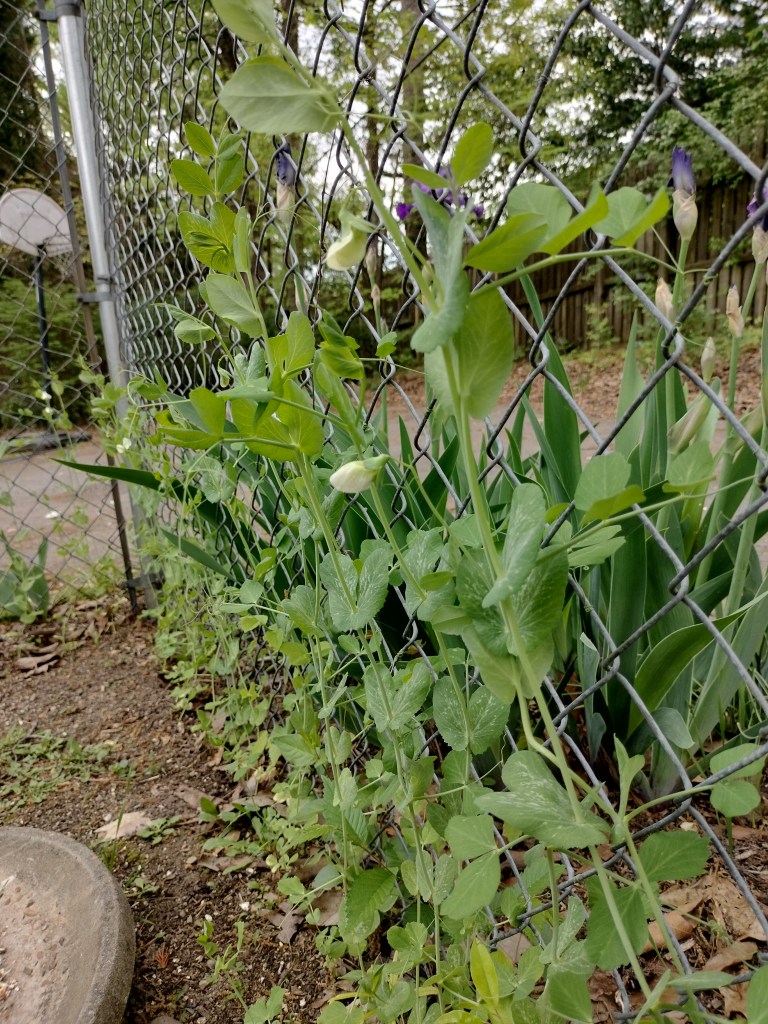
Now, our kids are little older and able to help and it’s been such a joy to start back up being a little wiser and lot cheaper. For instance, today our third daughter ate the first sugar snap pea out of the plants that our fourth daughter sowed along the chain link fence in our backyard thanks to some internet research. We probably have a 90% germination rate and the crop is about to roll in. It cost us around $2 for the pea packet. And maybe a $1 worth of water. The compost we mixed in was from the bin in the backyard.

The sugar snap peas success got me thinking, “What else could we do cheaply with “ingredients” we already have or are cheap to obtain?” Enter hugelkultur pots. Our college friends from Pennsylvania showed us their raised beds when we were visiting a few years ago and they had an incredible yield! We were wondering if the internet or their Amish neighbors showed them the wisdom of permaculture. Either way, we took the idea to heart and when we built our raised bed in the front, we put in the rotting log pieces from a dead tree we had cut down a few years ago. Following that we put in homemade compost, then soil.

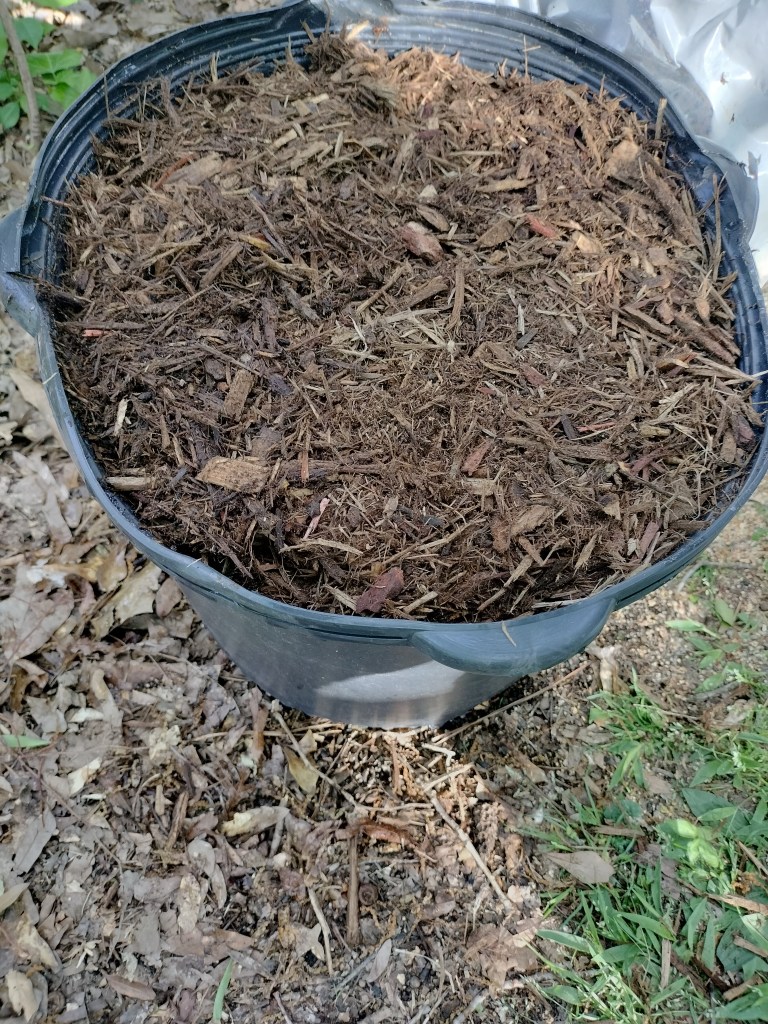
So, since we already knew how to do that with a bed, watching videos on growing potatoes in pots showed me that I could take a similar approach. I had a leftover 10 gallon pot from when my mother in law had brought a hydrangea down one year. I had been using it to store compost, but I used so much of the contents it felt time to repurpose it. See the pictures below: rotting wood, compost, soil, potatoes, more soil, and hardwood mulch. The total outlay was probably $5 between the potting soil and mulch because I already had the rotting wood, compost, and sprouting potatoes. Also, I can use the filled pot again and again after the potatoes are done.

I have NO idea if this potato crop will turn out, but “gardening within your means” is a new challenge I have been pursuing. At the farm for the program we have done all direct sowing and aside from a metal trellis I can keep using year after year and a little bit of mulch for a path, no purchased additives of any kind. It’s literally soil and manure that was already there, watering, and some seed purchasing. I actually considered using cardboard for paths instead of mulch, but was afraid they’d blow away while we’re not there and I hear it kills the soil life underneath, so if I choose to do any, I will try some thin metal anchors to help me use that cheaper method next year.

If you’re looking for a YouTube Gardening channel that is relaxing and helpful, I recommend Huw Richards. He focuses on things like “planting from your pantry” or how to consider many options you have on hand for free compost. His passion for gardening is evident in how he has learned so much from being faithful to do the work and experiment. And he’s Welsh, so a fantastic accent and idyllic scenery as a bonus.

Seasonal Learning

One of the books we read each year is called Turning of Days by Hannah Anderson. She has 7 short essays for each season. Her stories are very accessible because they are taken from everyday happenings on her property or in her community. In the very back of her book she has a “Field Guide” section where she discusses some skills to sharpen the reader’s connection to the outdoors. One thing she mentions is seasonal observation. When are things blooming? What’s going on when they bloom early or late or don’t bloom at all?

Our family regularly checks our front and backyard. We have a quarter acre lot, so while a limited area keeps the management of plants easy, it also means perennials can eat up that space. However, I love having plants that I can count on year after year*. My family and I can stroll by the beds and because we know where to look, we can know the plant names and watch the seasons unfold together year after year.

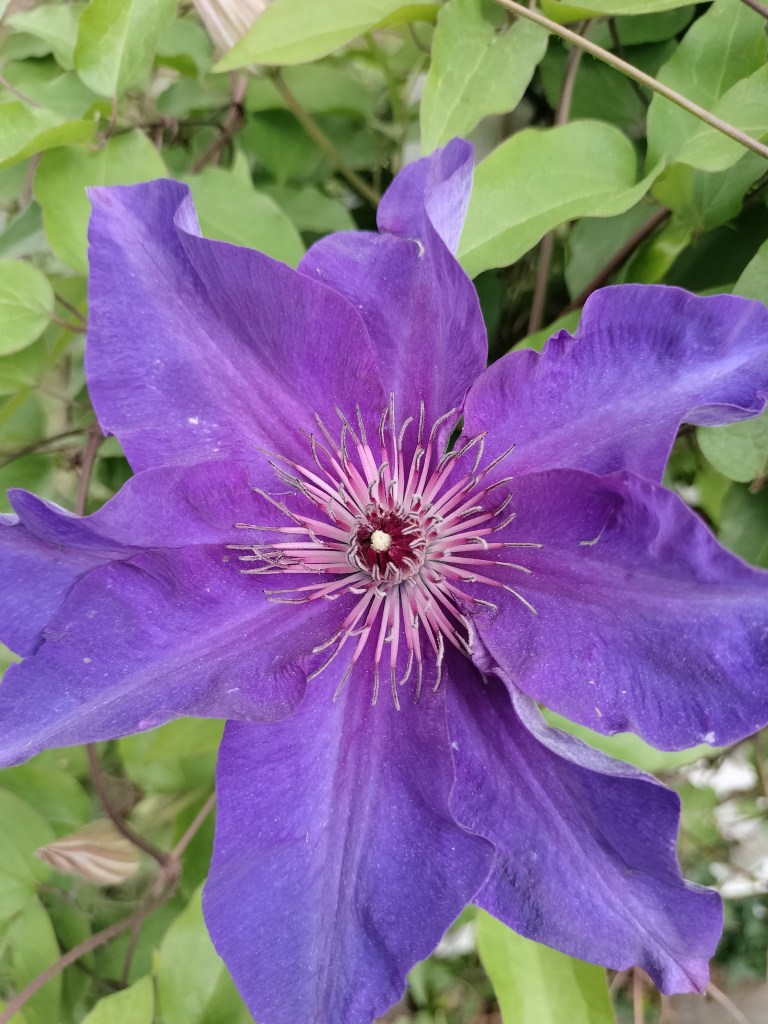
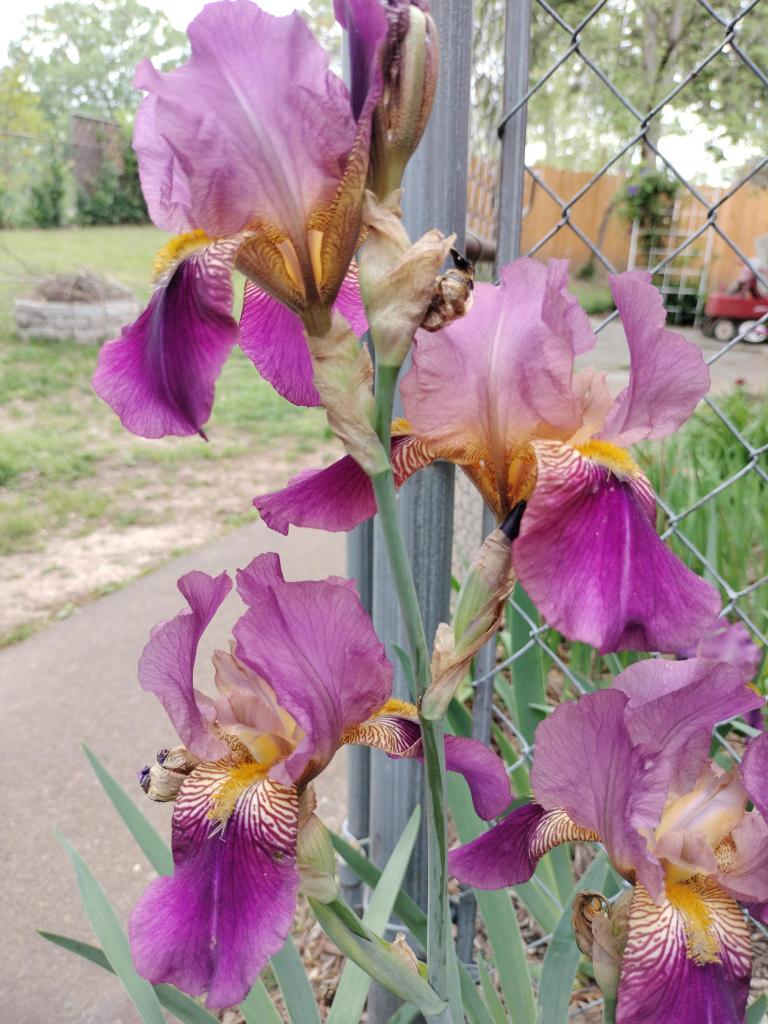
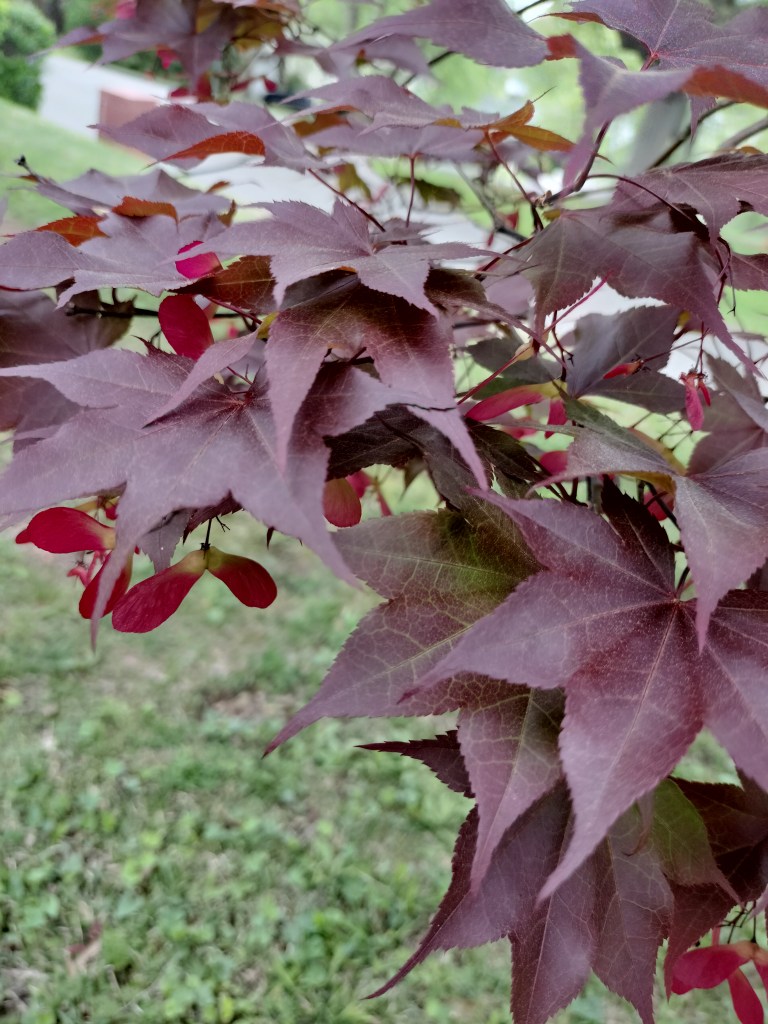
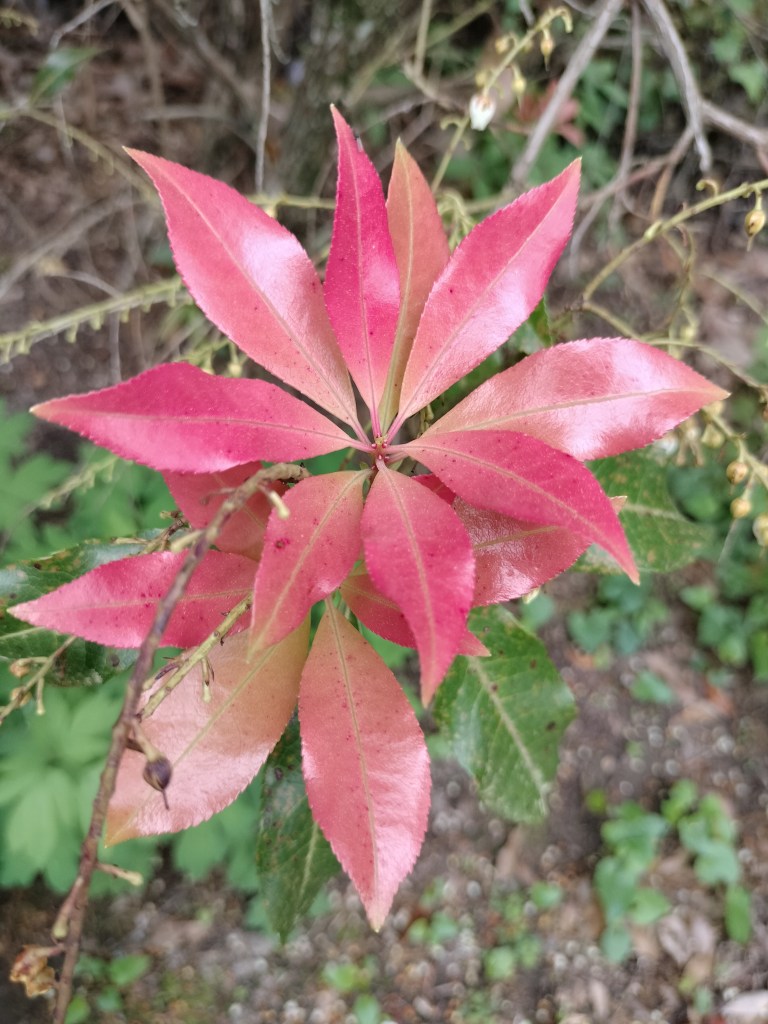
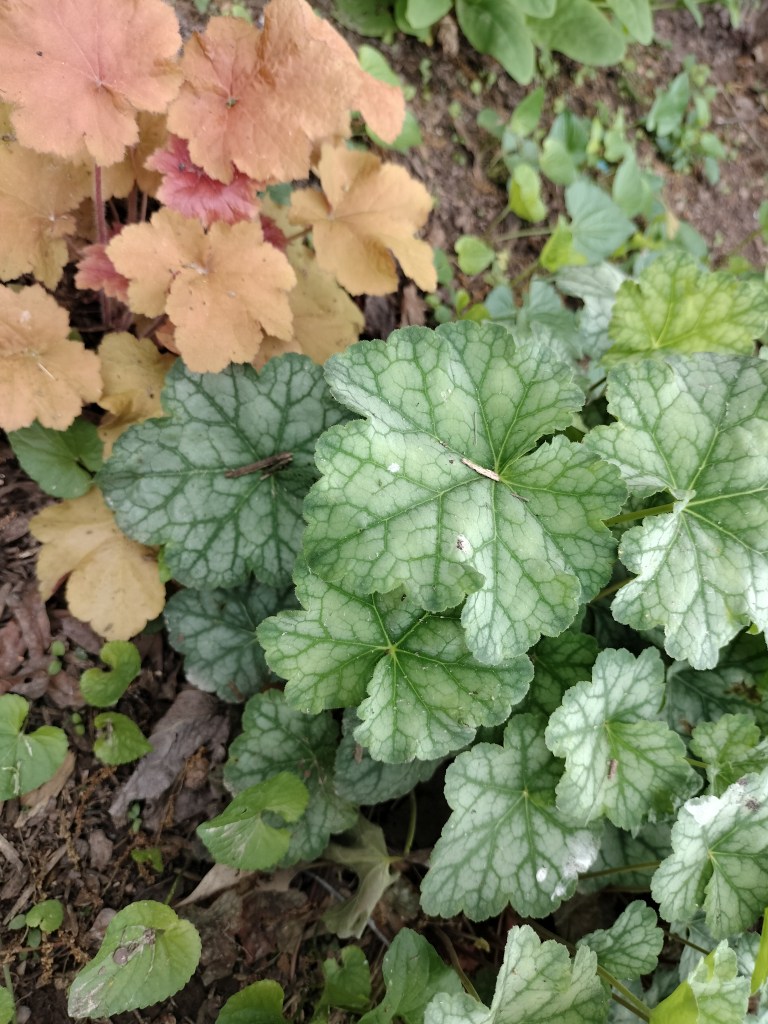
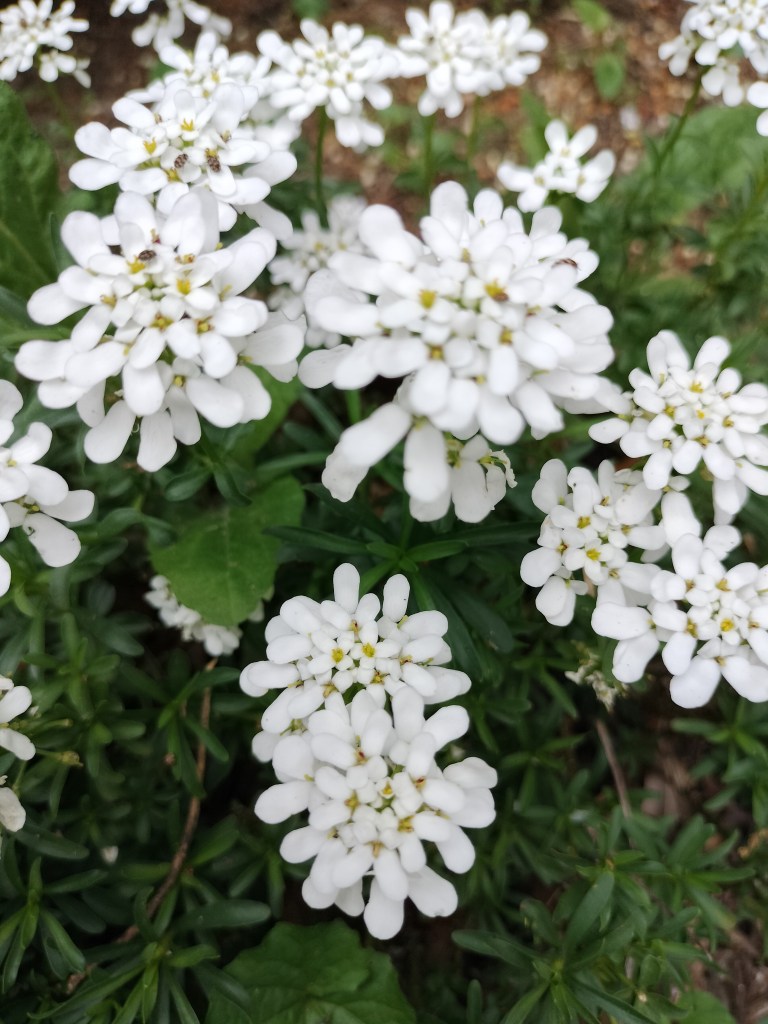
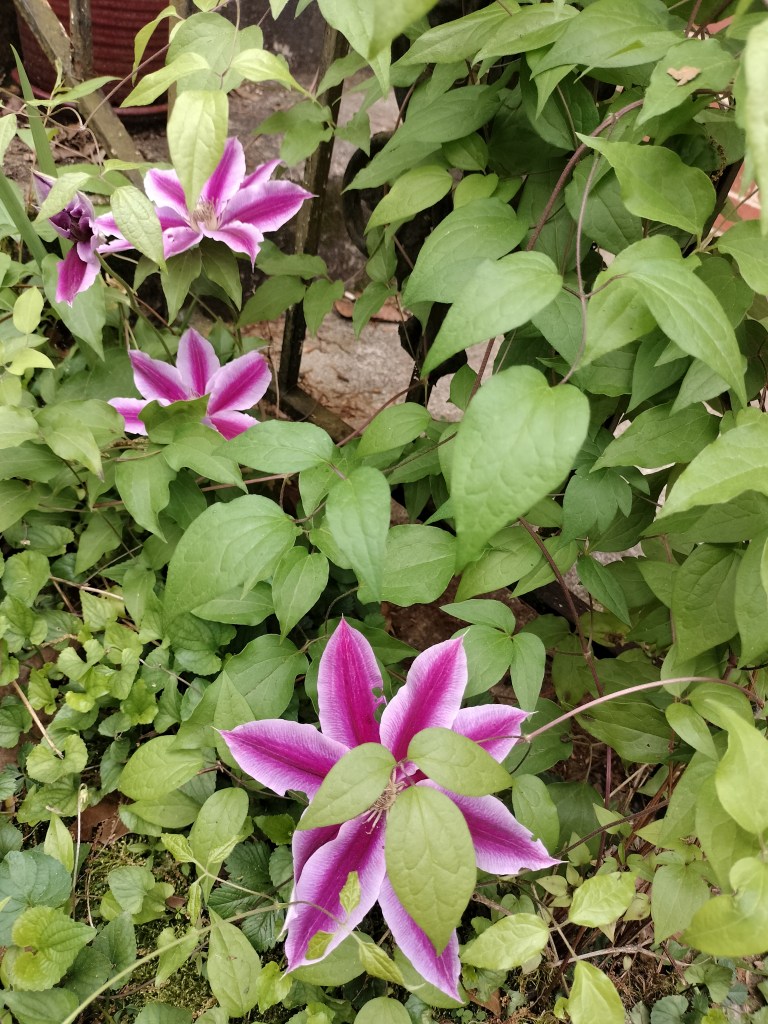
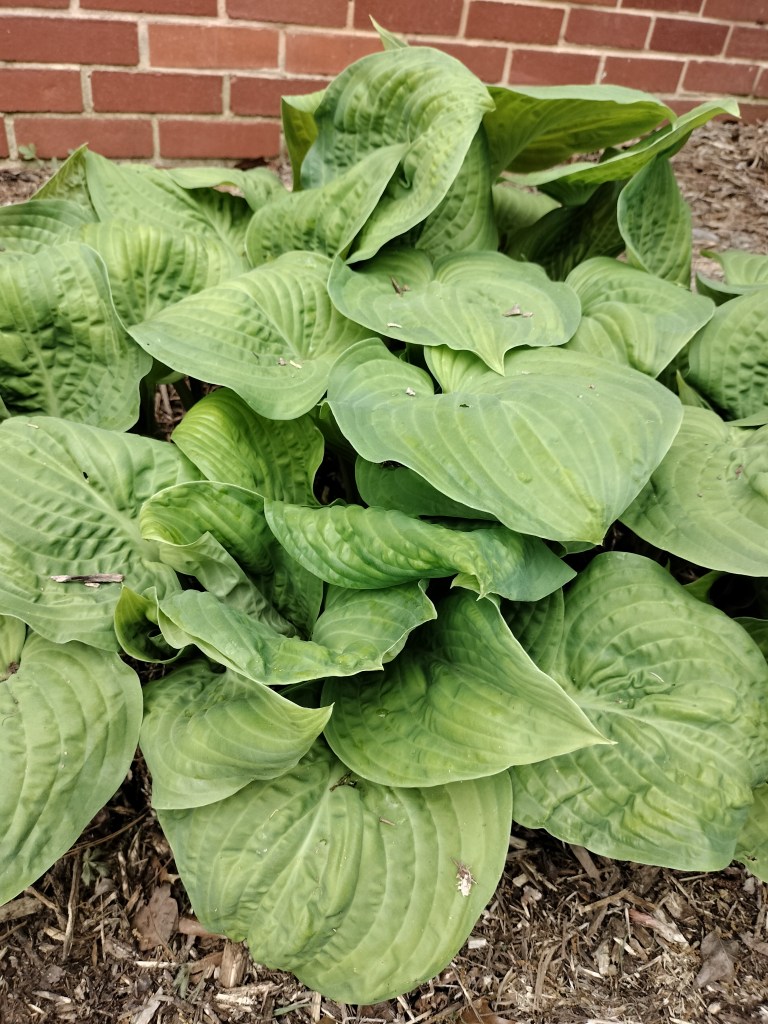
Here are some of the lovely things in bloom for April in my Tennessee neck of the woods.

*I know the sugar snap peas among these pictures aren’t perennials, but I will definitely keep planting them in this spot each year, so close enough!

Gardening Trial and Error

Saying “we’re going to learn together” can be a scary thing for an adult to say. We are so conditioned to be arbiters of knowledge. I think it’s a double scary thing for teachers to say. Unless you’ve been trained by programs that have a child-centered focus, people expect you have the answers, show up, and deliver the product. Maybe that’s why I have enjoyed teaching writing more and more — there are so many ways to get to the finish line* and the work doesn’t come exclusively from me.

I’m discovering that teaching gardening is rather similar.

This year we are tinkering with plants I have never tried to garden: sugar snap peas. I remember helping plant them on the farm with Jill and a handful of farm enrichment students last year. However, it was more like supervising. She had already started the plants in the greenhouse and had the trellis ready for staking. The plants grew well and the Maple Key girls harvested a ton of them on the last day of our program in May.

So on the same plot we are trying to grow sugar snaps once again, but we chose to directly sow them and are using a red collapsible trellis.


I was so inspired by this opportunity my daughter and I even planted some along the corner of the back corner of our chain link fence (natural trellis!) at home.

As I mentioned, I have never grown sugar snaps peas, so I did some research and am hoping for the best. Depending on what website or YouTube channel you look at you get SO many different ways to have a successful crop. One person swore by pre-planting indoors and transplanting to the garden. Another person said the exact opposite — sowing directly was better for the roots than transplanting. Some suggest pre-soaking the beans before you plant them (chose to do this) and adding an inoculant to the beans as a microbial additive to help nitrogen processing (chose not to do this).

At first all this conflicting advice was aggravating, but then I was reminded about all the conflicting advice we received about our winter garden and it miraculously survived and thrived. Gardening is a chance to explain to the girls that we can do our research, but ultimately we just experiment, make the best decision we can with what we’ve got, and see what happens. The opportunity to be surprised or fail is much better than thinking you’re going to nail it because you know so much. Gardening helps brings into view a more humbling, realistic view of ourselves and the rhythms of life!

Another thing I learned about this year was “seed tape”. You can purchase it pre-made or you can get a roll of toilet paper and seeds to try it yourself. It helps keep the plants in a straight line, avoids thinning, and prevents using a ton of seeds. When I asked the girls about seed tape, no one knew what I was talking about, so we made some at Maple Key for them to try at home. I did also buy some at Ace Hardware and planted it now in February to see how that will turn out in 60 days. We’re in zone 7, so it’s a gamble but an inexpensive one.


Here’s to experimenting!

*To be clear, I don’t know that I believe there is a “finish line” when you write, but there is often a point where you have to turn in the paper or manuscript and stop tinkering.