Changing It Up In The Garden

The raised bed at my house has been frustrating me. Each season I keep amending the soil only to find it going back to root balls and compact soil. This fall I have decided I have agency, and am going to completely redo the bed…into containers.

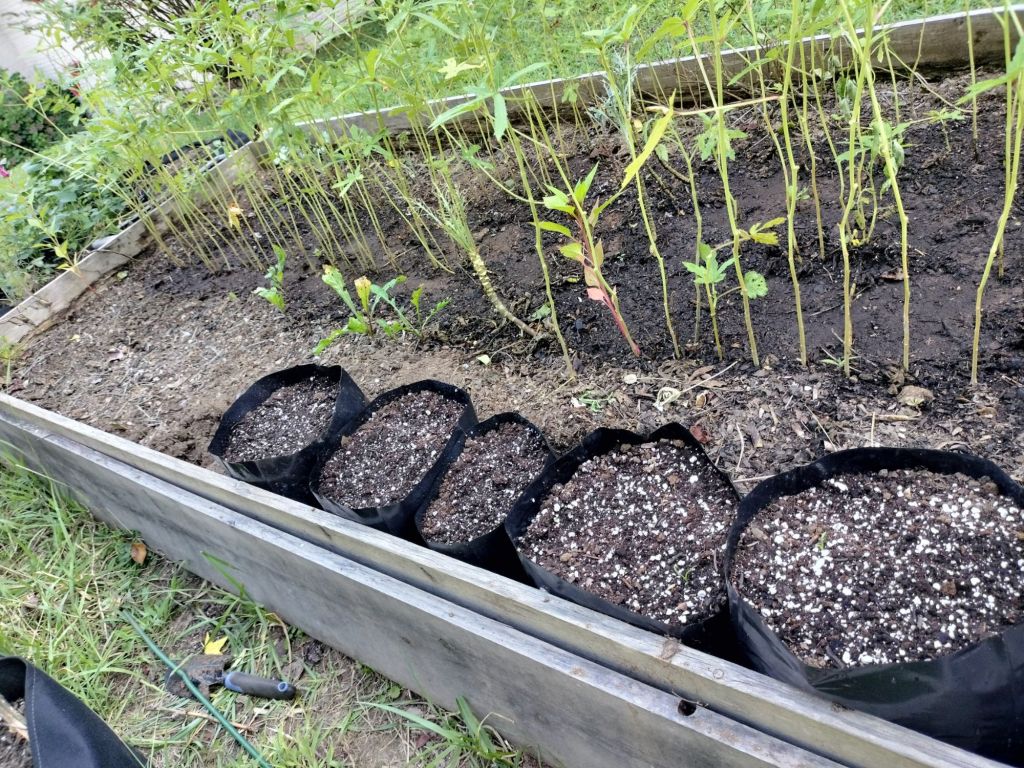
Normally, I wouldn’t go through the hassle since I have so little margin already with my time, but a fortuitous (but also sad) thing happened this month — our local horticulture supply store decided to close its doors forever and mark everything 50 percent off. So I went a little crazy (more on that in a minute) and one of the purchases was something I had never tried before — very inexpensive grow bags that have holes pre-punched in the bottom.
img2025090717460019781904534971270

I bought them in various gallon sizes and while I also obviously plan to use them for Maple Key, I have other places I can share the love of gardening such as the library I work at or the homeschool tutorial my children go to.

As you can see, I am still growing spindly, but producing okra right now, so I am doing the bed bit by bit. I am taking the compact, dusty soil (that’s partly my bad!) and putting it in a paint bucket, adding homemade compost and vermiculite to provide nutrients, good bacteria, and aeration for the soil. Then, I dish it back out in each bag.

I really think this is going to be much easier to manage than what I had been doing and it’s just one more reminder that you can always change what you’re doing in gardening if it’s not working for you! Nothing about gardening is locked in, so do what’s best for your season of life and environment.

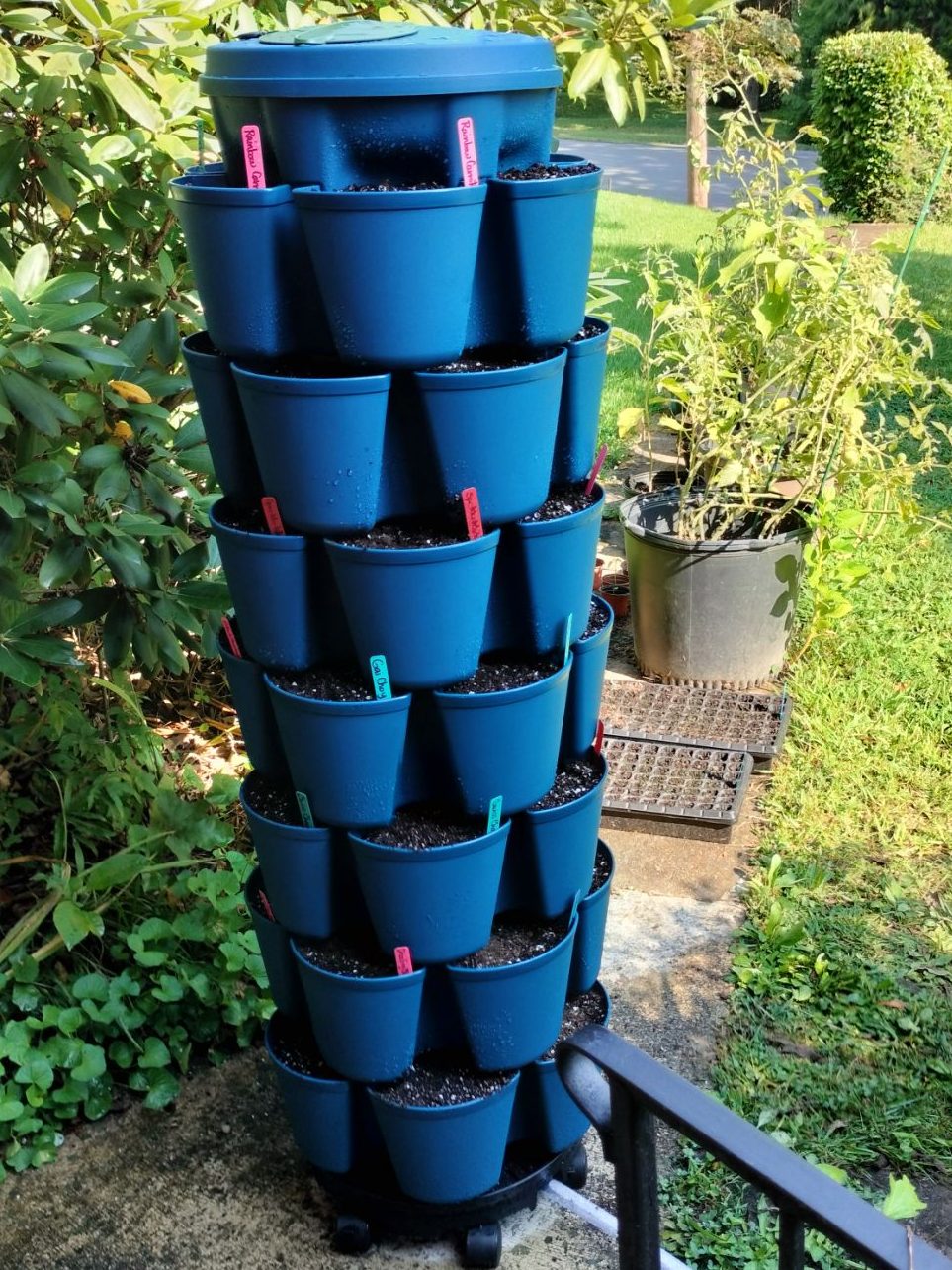
Now onto my big purchase…!
img202509041019381411436653280902632

The other big change I am trying this year (again, thanks to the going-out-of-business sale) is vertical gardening. I bought a GreenStalk 7 tier planter with a bottom spinner! I was already excited about it (less pests, less bending down, right outside the door), but then I found out they are a local-to-Tennessee business, just up the road in Knoxville. That made me proud that this innovative, family-owned business is exporting such a great product all over the world! I even convinced my friend to buy a matching one with me and my mom to buy the 5 tier design, so we’re all planning for some great fall harvests.

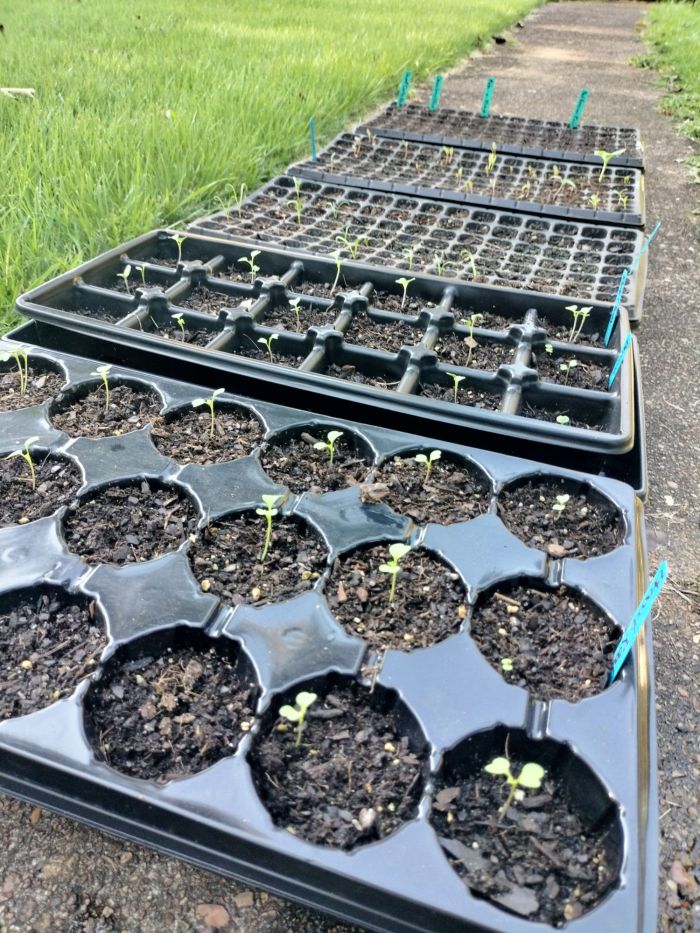
After spending the money on the planter and the ProMix soil, I didn’t want to shell out for plants, so I started everything from seed. So far, the kale, spinach, bush beans, and radishes have all popped up and I am sure the others will, too at some point. This is another great experiment that I am hoping to bring to the library (so we can start our own library gardening programs) and the farm to add to our growing list of trials to see what grows!

Honestly, it’s great to have jobs that all tie into each other in some way, so that when I do good work over in one area, another one benefits from the new knowledge! At the library we are currently applying for a $1000 grant to get GreenStalk vertical gardens for the library so that we can make gardening accessible to all age ranges and demographics — children, elderly, differently abled.

I can’t wait to talk to Maple Key students about my new way of playing and planning in the garden that supplements what we’re doing in the traditional garden beds. My hope is to inspire them with even more things to put in their bag of gardening tricks for when they desire to start their own gardens. I want them to always carry a sense of play, have fun, learn new things 🙂

Growing the Future Generations

Ah… the kale palm trees! (Photo by Kindel Media on Pexels.com)

I went to my primary care physician this morning for my yearly checkup. I must say, I lucked out several years ago when I was able to get into her practice. She is always a delight to talk to — a rare mix of firm (but not pushy) and warm (like she really hears you) that makes you feel really confident in her advice. From the looks of the waiting room though, I am usually the youngest person there (despite being 40 now!) by about 30 years. I often wonder how many “young” patients she actually has.

I told her that before the holidays my husband and I started a program that promoted mindful eating (more fibers, greens, etc. and creating a slight calorie deficit from less snacking and smaller portions). She asked what my primary reason for doing this was and I explained that around age 39 is really where I noticed my metabolism just sort of gave out. I was still exercising and eating reasonably good food (with the carbs and sugar always waiting in the shadows…), but my gut was sort of done with me. My arms and legs were in great shape with walking and gym time, but I had a closet full of dresses that were collecting dust after my I’ve-had-4-kids middle was now preventing me from enjoying.

She said she wished I could stand in the waiting room and give a TED talk to her elderly patients about why it’s important to make these changes by 40 so they can recover well from things in their 70’s. She shook her head and said somberly “sometimes I worry less about foreign interference than I do the American diet. It may kill us before someone else gets to us.” As I said, she sees a lot of older folks so her statement was born less out of hyperbole and more out of a lot of doctor fatigue.

As I left the office, I was thinking that maybe part of why I do the gardening portion of Maple Key is to encourage people like my PCP. To let girls know at a younger age that trying new things, growing your own food, getting curious about how to use the food, serving others, and teaching others how to grow food is a habit you’re never too young or old for. It’s not like the girls who come into the program have a green thumb and a super refined taste for greens already; it’s not like when they leave the program they will have done a 180 and love all things verdant for dinner. It’s exposure and an invitation to the goodness of creation. That’s all I ask of them — just roll with the veggies we’ve got, but no one is forced to eat anything.

I always tell them that I was SUPER picky about food at their age, embarrassed at how much I hated salads (back when iceberg was the lettuce du jour; I still hate it), but over time as an adult I exposed myself to more things and now enjoy and tolerate more than spurn the veggies on my plate. I tell them I did not like or eat kale before I started growing for Maple Key, and now I really really love it for its freshness and versatility. Giving people space to grow and experience vegetables on their own terms is a big part of my philosophy about the environment being our third teacher 🙂
Putting Play in Its Place

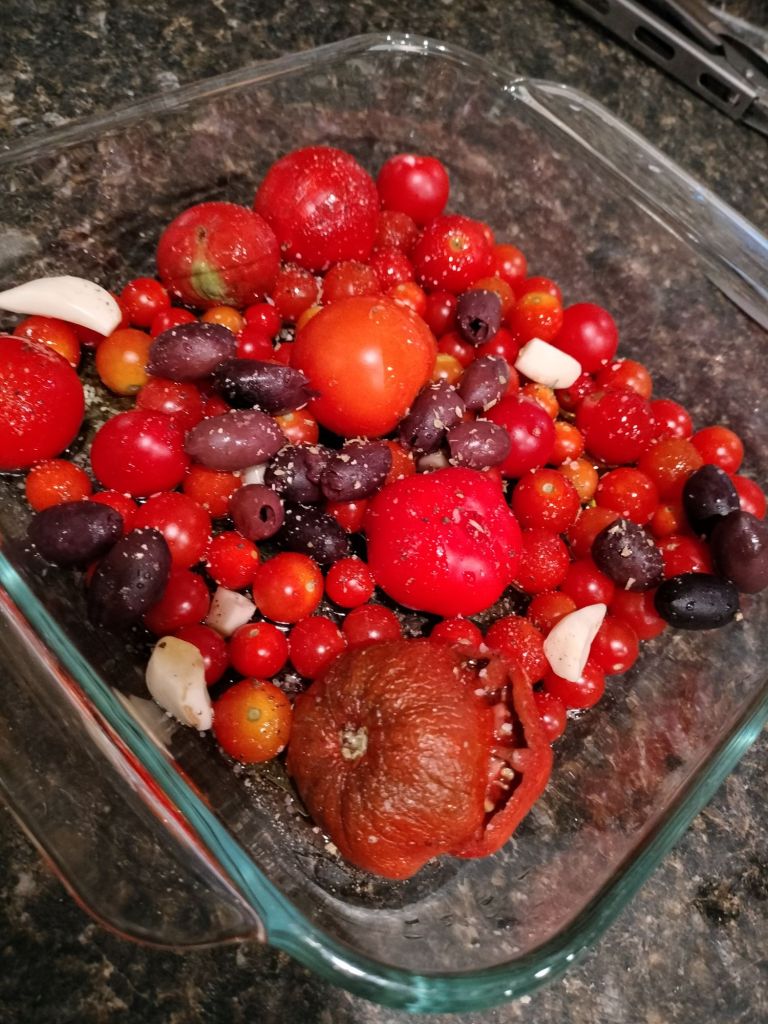
Inspired by our neighbor’s suggestion, last night my husband suggested we make pasta sauce for dinner. Our neighbor had an abundance of cherry tomatoes and sent us a picture of her one pan tomato roasting sauce ingredients — Olive oil, salt, pepper, onions, garlic, feta cheese, and tomatoes. Instructions: roast, pulverize, and voila — you have sauce. We piggybacked on her idea and made more of a puttanesca style.

img202407242034204682597817213700230

When my own children ask why I am so obsessed with gardening, I explain that it’s really just an excuse to play and experiment. I get to learn what grows and under what circumstances and environments. I get to eat what I grow which encourages more creativity and playing even if it’s a small dish or snack. So it makes sense that I want to instill (or perhaps invoke) that spirit of curiosity in the girls who come to Maple Key no matter what “skill level” they come in with. That’s the joy of being imaginative — there is an endless supply of creativity available!

Perhaps because right now my children don’t have bills to pay or places to drive or multiple schedules to organize, they don’t see what the big deal is for an adult to make space for play even if it’s for 5 minutes of checking on and watering your okra and bush beans. It often just looks like a chore or a huge investment of time to them. But I assure them that for most adults play is, sadly, the first thing to go when you prioritize all the daily things you must juggle.

My college roommate (who is a new tutor for Maple Key this year!) doesn’t garden, but finds her play in singing and being in actual plays. She has spent her summer in community theater. An incredible ensemble of professional players!

img202407201429206939798844707034617

Fiddler on the Roof!

There are so many places we can find our play.

img20240717120753~27089672320991061654.

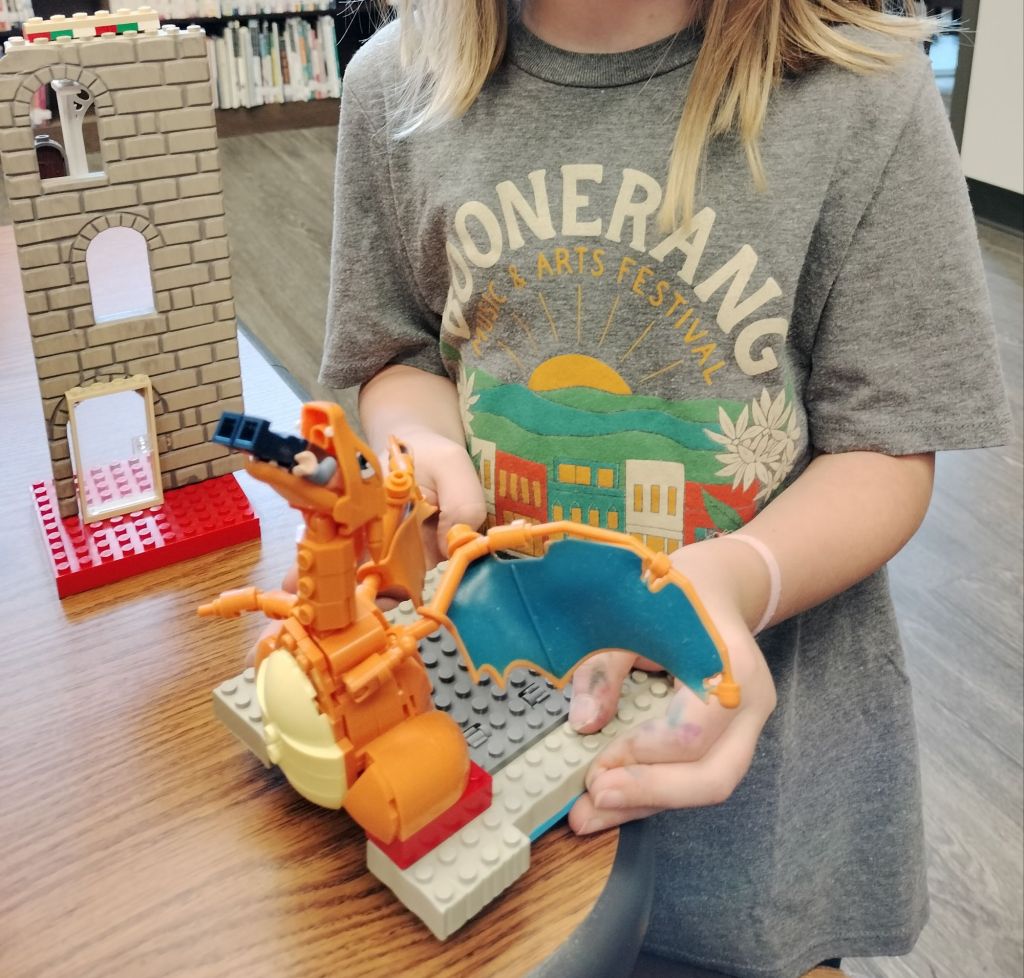
Legos at the local library!

So I say, here’s to bringing back play as a part of a healthy balance in life. Now back to more pickling 🙂
img202407242019312673057586938328104

A Little Closer to Eden

It’s been a very hot summer here in Chattanooga, Tennessee. Little rain and temps in the upper 90’s. I am convinced the only way people are keeping their plants alive is through drip irrigation. And yet despite the drought, I see a lot of people still finding ways to keep the gardening spirit alive around here.

wp-17205852876182112450030425007178

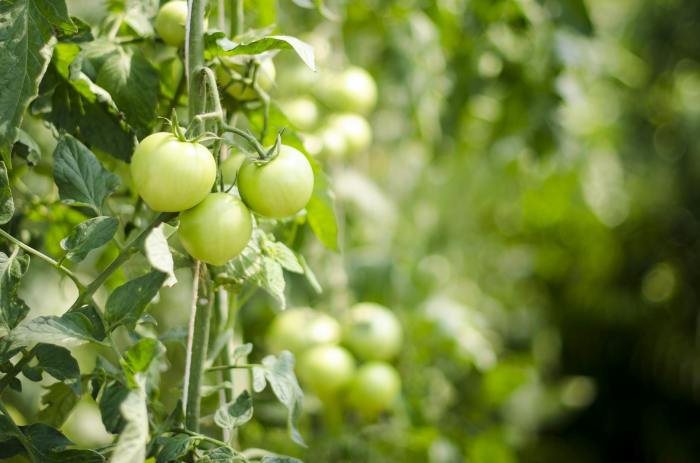
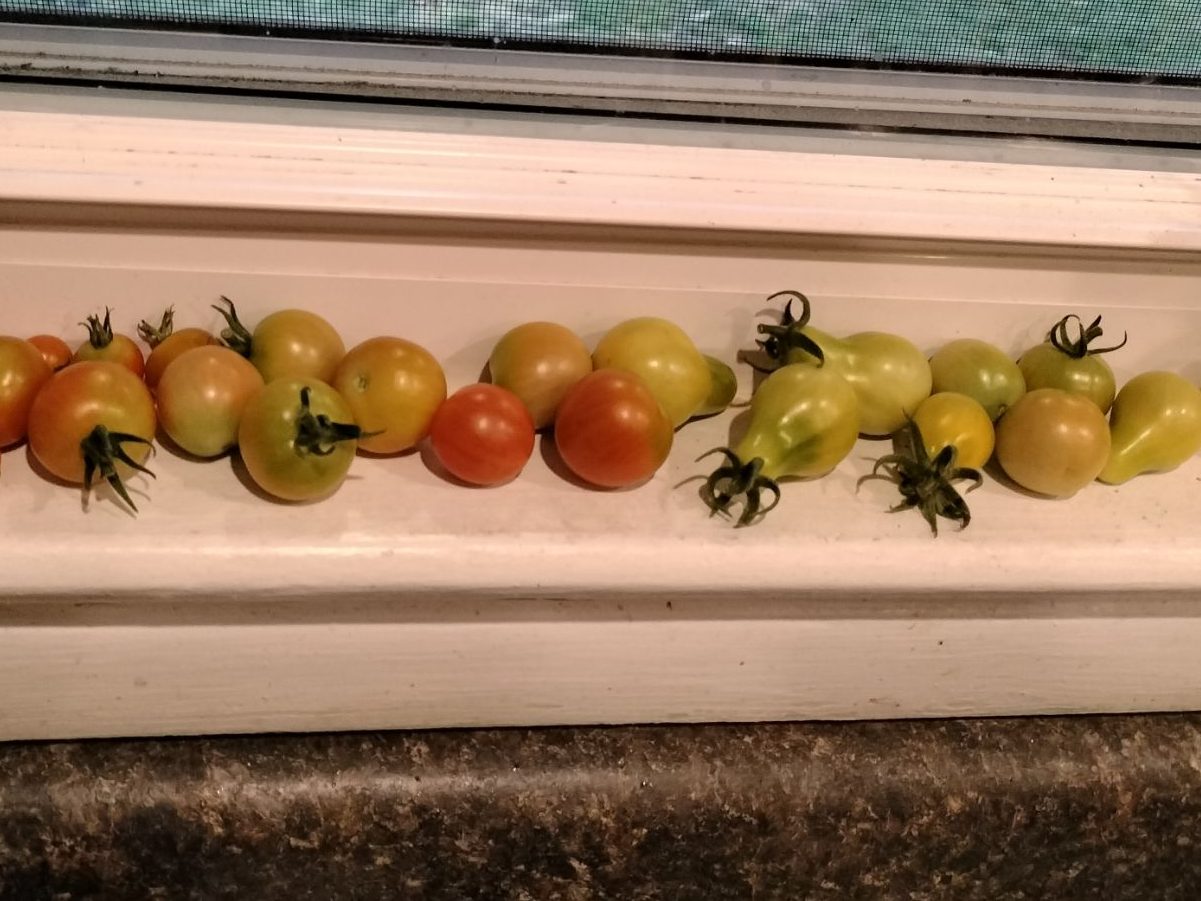
Ripening in the windowsill…


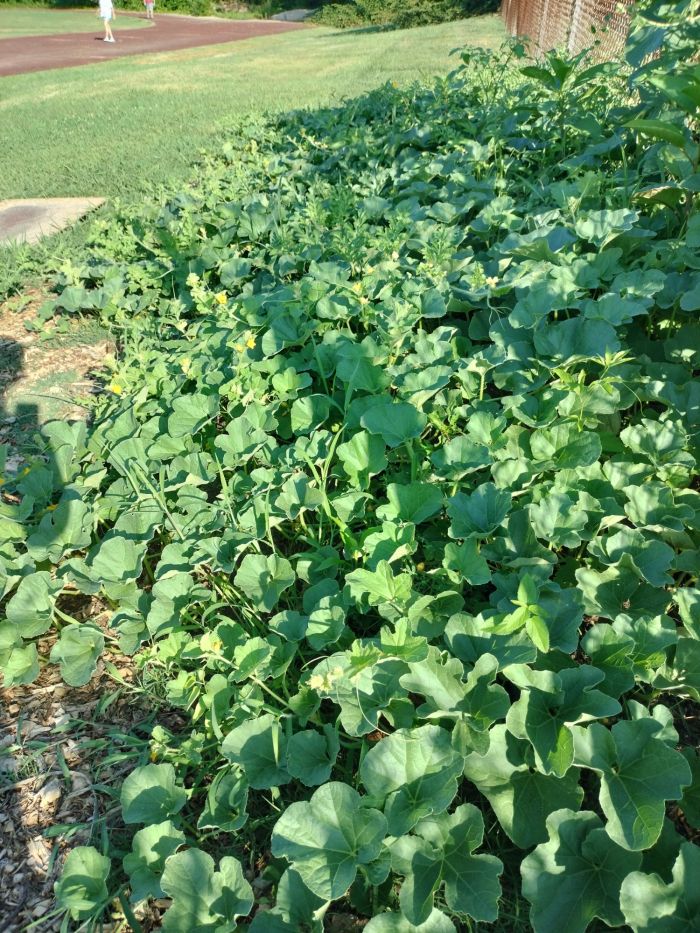
I recently visited my city’s local high school with my neighbor who teaches environmental science there. She acquired some local grants to get a garden going for her students. She has sturdy raised beds and a ground melon patch going. While I was there, some students came to help us prune the very abundant tomato plants. I asked one of them how they got into gardening, as a lot of people her age aren’t spending their summers oohing and ahhing over tomatoes. She said she worked at the local Dollar Tree and earlier they had some grow kits come in around February. She got curious and the rest is history — she has a thriving tomato plant at her house and is using some of the dirt from the kit to try other things.

img20240701084440661217144981398505

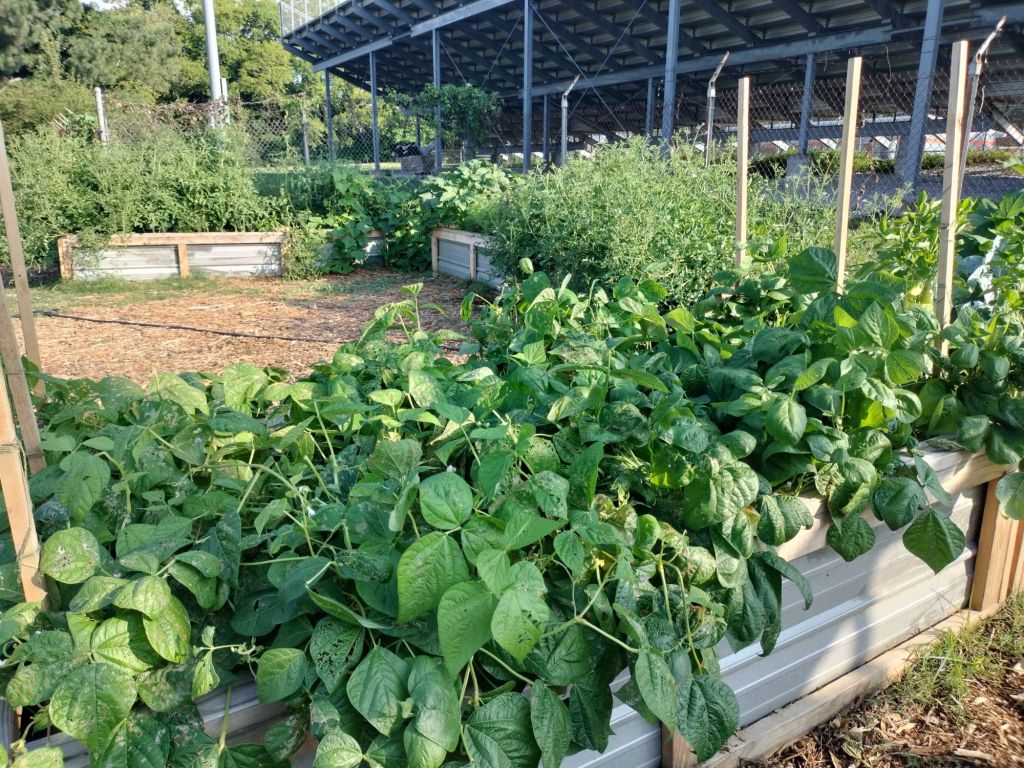
Bush beans, tomatoes, squash, cucumbers!

I was really encouraged by her answer because let’s be honest, there is a start up cost to gardening. Containers, potting soil, plants, seeds, water, tools. It adds up so quickly every year. This rising senior started small, kept costs low, saw success, and now wanted to know more and expand her own garden. Inspiration comes from so many unexpected places!

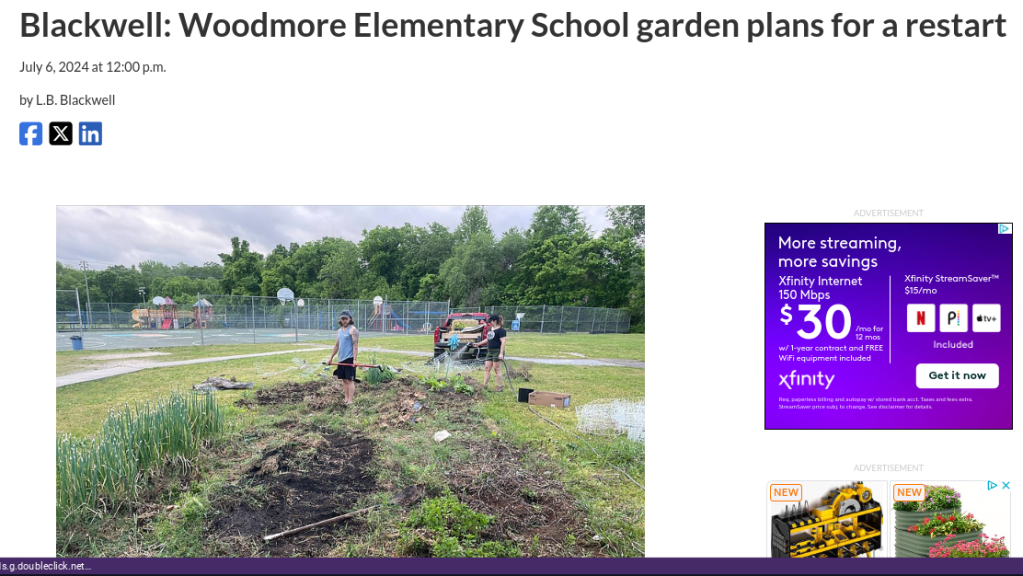
In a similar vein, this local headline caught my eye last week about one more place in our area that is recognizing that children and their communities need gardens.

They built a garden from scratch and then found out they had to move the whole operation somewhere else on campus due to needing a portable classroom in that area (I would die if someone told me that I had to do that much labor over!). But they rallied again and are rebuilding their garden so the children can be involved and eat fresh produce snacks once more during recess time. What memories those teachers are instilling in their students just by letting them be a part of growing their own community’s food (particularly in an area that is considered a food desert).

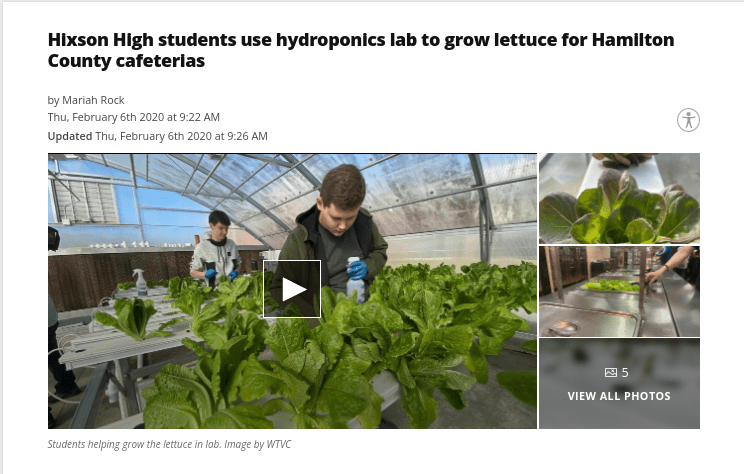
Similarly, a local high school is helping provide healthier options in the school cafeterias through hydroponics!

The school my older girls go to also focus heavily on being outdoors and having a horticultural presence in the area. This spring, they raised money through a big plant sale. All plants were grown from seed in their greenhouse by students and the teacher. I purchased a Cherokee purple tomato plant and it is continuing to do really well in the front yard.

In addition, the community center in our city has improved its community garden this year. I dropped by and noticed all the cherry tomatoes and basil ready for any child or adult hanging out at the playground to pluck and eat.

Stories like this give me hope. Having lived in this area almost my whole life, I can say that school gardening was not going on in the 1990’s and if community gardens existed as I am seeing them now, I was completely unaware. Thanks to the internet and social media, I see churches, schools, and city governments pushing for revitalization through various gardening opportunities. I am thankful to be a part of this process and excited to see what decades of gardening exposure — literally just being around gardens on the regular — normalizes for my children’s generation.

img202407091759018314157433686995974

Time for picklin’…

Composting as a Spiritual Habit

In certain educational circles you might hear about the classroom environment being the “3rd teacher” (the other two being adults and other children). It’s a concept that is only more recently being recovered in the classrooms accustomed to tidy front-facing desks and bright motivational posters instead of a more curious place for discovery of both self and others.

Obviously for Maple Key, the farm is doing a lot of work as the third teacher — the year round blooms (yes, we even see camellias in January!), the various animals, the winding creek, the structures like the various barns and MiMi’s house. Those things influence our art, our sense of belonging and stewardship, regional connections. But as we all know, life has many classrooms beyond just the ones we are required or choose to attend. That got me thinking about our first classrooms — our homes. What things do we absorb from those places? I zeroed in my thoughts and remembered a part of my home environment was compost.

Meet Benjamin, one of the baby goats on the farm!

My mom didn’t always have a compost tumbler (they weren’t as prolific as they are now), but certainly for the last 20 years. We were a thoroughly suburban family, but my guess is that she got that habit from her mom and dad whose families grew up on or around a lot of farm land in Dickson, TN. In the early 90’s my grandparents had a farmhouse built for them with a beautiful wrap around porch. They would have acres to grow things, my grandfather could ride his tractor around and they were set to enjoy their retirement years among friends and family. Unfortunately, Alzheimer’s had other plans for them as my grandfather was diagnosed with the debilitating disease only a few years into their wonderful rest. They had to make the difficult decision to sell their home and move to Soddy-Daisy to be closer to us, my aunt, and the nursing home facilities he would eventually need.

They moved to a ranch style home in a brand new subdivision and my grandmother wasted no time in carving out some little beds in their tiny yard for her zinnias, beans, cucumbers, and squash. It was such a small plot compared to what they had envisioned flourishing in Dickson, but my grandmother did it faithfully and we snapped beans on her screened in porch each year for her to can and put away.

As for our family, we had been settled in Chattanooga after bouncing around in Texas for a few years for my dad’s job, and my mom got into gardening, mainly daffodills and irises. Somewhere along the line she started saving her kitchen scraps which turned into compost tumblers which turned into feeding her beds rich, black compost for vegetable growing every year.

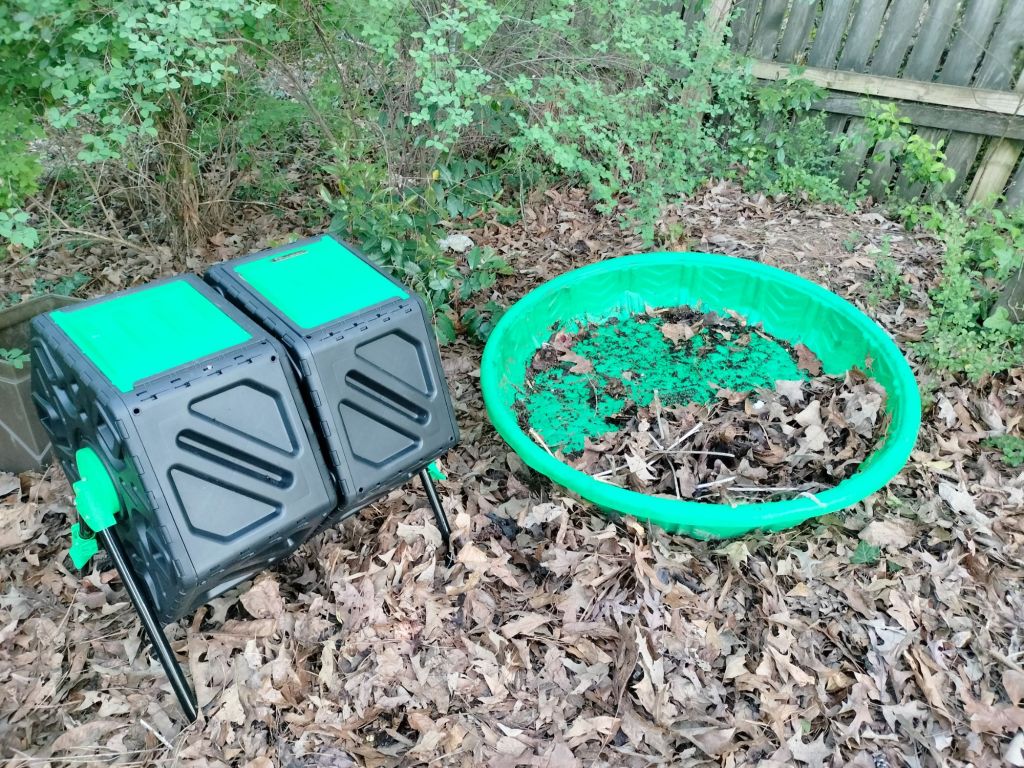
Both my new and old compost methods. Still using both.

As my mom would tell you, I would always put my scraps in the red Folgers jug she kept under the sink, but never really took any interest in gardening until after I got married and had a house of my own. Thanks to a steel compost pail and compost hut gifted from my in-laws, somehow I started the habit just like my mom if for nothing else than to keep food waste out of the trash can. Now it’s just like second nature for everyone in our house to recycle and compost. It’s just a way of life on our shady quarter acre lot. This year I am hoping to increase our compost yield by having bought a tumbler of my own and being more diligent to spin it (which takes the place of turning it in the swimming pool we had used exclusively) and process more so I can experiment with what can grow decently in the shade after some failed attempts in years’ past.

I tell this story just to say that it’s amazing how much we absorb from our “3rd teachers”. Those places we call home truly do shape us even if we can’t see it until decades later. My mom and grandmother never pressured me to continue on in their gardening footsteps, but whether I realized it or not there was always something noticeably peaceful and rewarding for them in the act of gardening and composting. To them, why would you not invest in these simple acts of beauty and stewardship in your daily life? The environment they prepared for me, even in very suburban settings, helped prepare me to desire a space like the farm that I could learn from as I teach alongside it. It helped me catch a vision for how the library and community center I work for can practice interdependence through our community gardening.

img202403261252013155714463786068158

Many of the girls in Maple Key are light years from where I was at at their age. Several compost and play in their own gardens or help their family plant things each year. They take me around their property before tutoring time and tell me stories about what grows where or what new plant they are trying out. They harvest basil for pesto and grow okra in the summer. They give me free plants. Of course some of them don’t garden but enjoy getting to indulge in it and work hard during our time on Tuesdays. They, like me, may never own a farm, but their many classrooms are teaching them valuable lessons on what it means to help something grow and tend it faithfully. This is a spiritual habit if there ever was one.

Have you ever stopped to consider what “environments” were your 3rd teachers? Particularly those things or spaces you perhaps unintentionally neglected but you can see with more clarity as you get older? I’d love to hear about it in the comments.

A Year of Experiments In YouTube Gardening

One thing that hobby gardeners don’t like to talk about is the cost. Sometimes it truly feels like your efforts outweigh your yield. That was us for so many years that we just stopped gardening all together when our kids were little. I really regret that I didn’t know to pursue some easier, realistic, cost effective projects during those years.

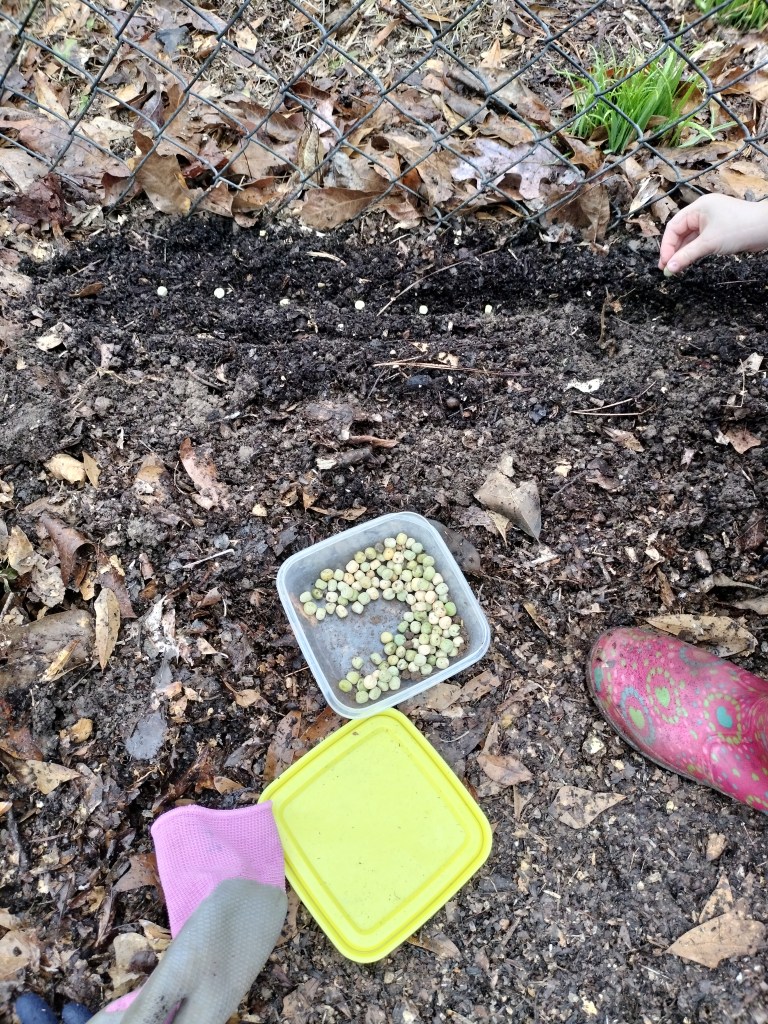
Now, our kids are little older and able to help and it’s been such a joy to start back up being a little wiser and lot cheaper. For instance, today our third daughter ate the first sugar snap pea out of the plants that our fourth daughter sowed along the chain link fence in our backyard thanks to some internet research. We probably have a 90% germination rate and the crop is about to roll in. It cost us around $2 for the pea packet. And maybe a $1 worth of water. The compost we mixed in was from the bin in the backyard.

The sugar snap peas success got me thinking, “What else could we do cheaply with “ingredients” we already have or are cheap to obtain?” Enter hugelkultur pots. Our college friends from Pennsylvania showed us their raised beds when we were visiting a few years ago and they had an incredible yield! We were wondering if the internet or their Amish neighbors showed them the wisdom of permaculture. Either way, we took the idea to heart and when we built our raised bed in the front, we put in the rotting log pieces from a dead tree we had cut down a few years ago. Following that we put in homemade compost, then soil.

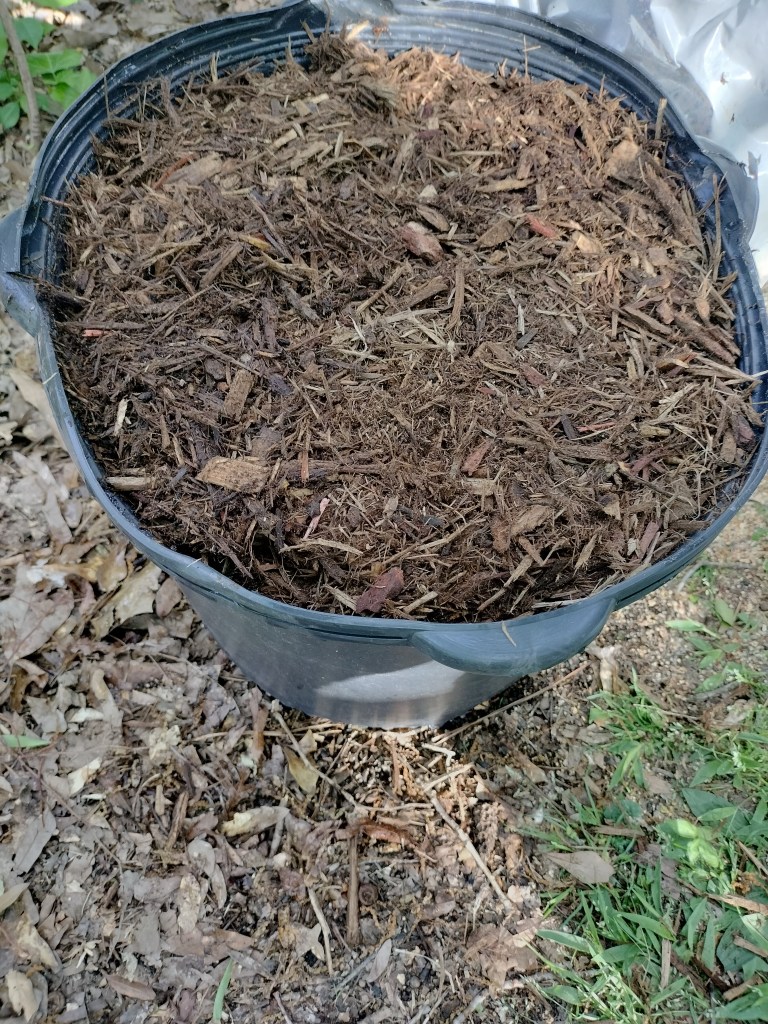
So, since we already knew how to do that with a bed, watching videos on growing potatoes in pots showed me that I could take a similar approach. I had a leftover 10 gallon pot from when my mother in law had brought a hydrangea down one year. I had been using it to store compost, but I used so much of the contents it felt time to repurpose it. See the pictures below: rotting wood, compost, soil, potatoes, more soil, and hardwood mulch. The total outlay was probably $5 between the potting soil and mulch because I already had the rotting wood, compost, and sprouting potatoes. Also, I can use the filled pot again and again after the potatoes are done.

I have NO idea if this potato crop will turn out, but “gardening within your means” is a new challenge I have been pursuing. At the farm for the program we have done all direct sowing and aside from a metal trellis I can keep using year after year and a little bit of mulch for a path, no purchased additives of any kind. It’s literally soil and manure that was already there, watering, and some seed purchasing. I actually considered using cardboard for paths instead of mulch, but was afraid they’d blow away while we’re not there and I hear it kills the soil life underneath, so if I choose to do any, I will try some thin metal anchors to help me use that cheaper method next year.

If you’re looking for a YouTube Gardening channel that is relaxing and helpful, I recommend Huw Richards. He focuses on things like “planting from your pantry” or how to consider many options you have on hand for free compost. His passion for gardening is evident in how he has learned so much from being faithful to do the work and experiment. And he’s Welsh, so a fantastic accent and idyllic scenery as a bonus.

Gardening Trial and Error

Saying “we’re going to learn together” can be a scary thing for an adult to say. We are so conditioned to be arbiters of knowledge. I think it’s a double scary thing for teachers to say. Unless you’ve been trained by programs that have a child-centered focus, people expect you have the answers, show up, and deliver the product. Maybe that’s why I have enjoyed teaching writing more and more — there are so many ways to get to the finish line* and the work doesn’t come exclusively from me.

I’m discovering that teaching gardening is rather similar.

This year we are tinkering with plants I have never tried to garden: sugar snap peas. I remember helping plant them on the farm with Jill and a handful of farm enrichment students last year. However, it was more like supervising. She had already started the plants in the greenhouse and had the trellis ready for staking. The plants grew well and the Maple Key girls harvested a ton of them on the last day of our program in May.

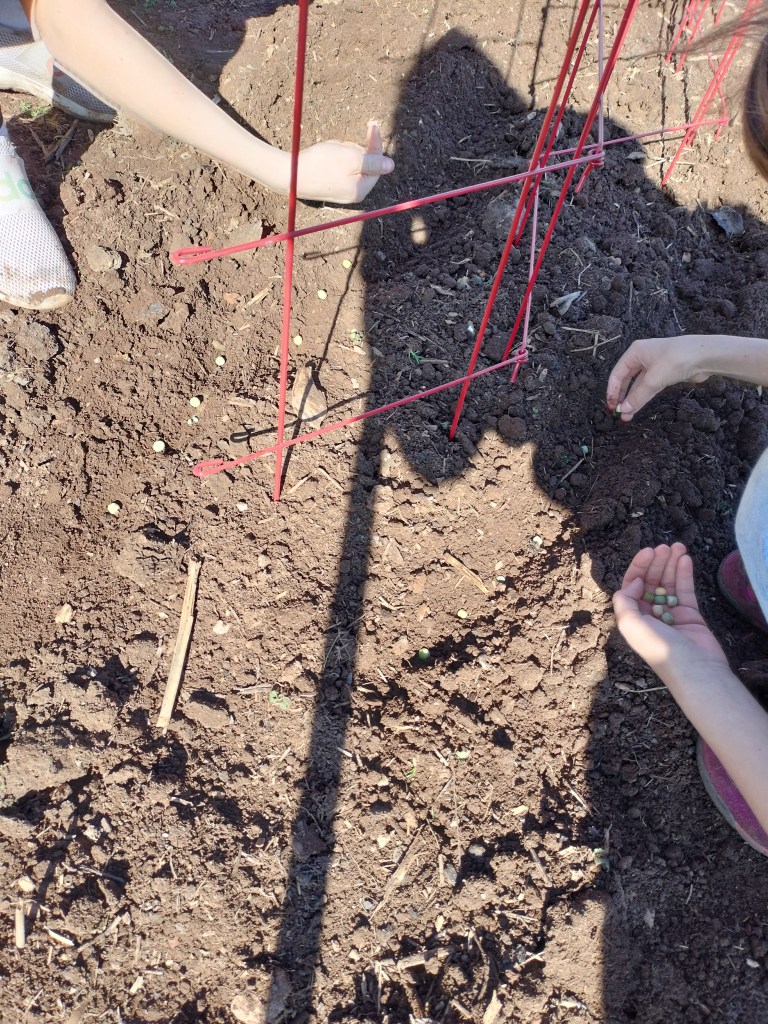
So on the same plot we are trying to grow sugar snaps once again, but we chose to directly sow them and are using a red collapsible trellis.


I was so inspired by this opportunity my daughter and I even planted some along the corner of the back corner of our chain link fence (natural trellis!) at home.

As I mentioned, I have never grown sugar snaps peas, so I did some research and am hoping for the best. Depending on what website or YouTube channel you look at you get SO many different ways to have a successful crop. One person swore by pre-planting indoors and transplanting to the garden. Another person said the exact opposite — sowing directly was better for the roots than transplanting. Some suggest pre-soaking the beans before you plant them (chose to do this) and adding an inoculant to the beans as a microbial additive to help nitrogen processing (chose not to do this).

At first all this conflicting advice was aggravating, but then I was reminded about all the conflicting advice we received about our winter garden and it miraculously survived and thrived. Gardening is a chance to explain to the girls that we can do our research, but ultimately we just experiment, make the best decision we can with what we’ve got, and see what happens. The opportunity to be surprised or fail is much better than thinking you’re going to nail it because you know so much. Gardening helps brings into view a more humbling, realistic view of ourselves and the rhythms of life!

Another thing I learned about this year was “seed tape”. You can purchase it pre-made or you can get a roll of toilet paper and seeds to try it yourself. It helps keep the plants in a straight line, avoids thinning, and prevents using a ton of seeds. When I asked the girls about seed tape, no one knew what I was talking about, so we made some at Maple Key for them to try at home. I did also buy some at Ace Hardware and planted it now in February to see how that will turn out in 60 days. We’re in zone 7, so it’s a gamble but an inexpensive one.


Here’s to experimenting!

*To be clear, I don’t know that I believe there is a “finish line” when you write, but there is often a point where you have to turn in the paper or manuscript and stop tinkering.

Becoming Placed

If you haven’t had the chance to meet Jill, you should. She’s the property manager for her family’s farm (High Point Farms) where Maple Key is located. She is by far and away one of the most generous people I have ever met. Hers is the kind of generosity that is rooted in interdependence, a true and mutual joy in sharing life and resources together.

Jill has been the incubator for countless other people like me including Morgan at Creekside Flowers, who got her business started at High Point. As a side note: Before starting Maple Key, I worked for the tutorial that meets at the farm on M- Th and driving in each morning my girls and I would see Morgan working hard on maintaining the health of her plants. I know she learned a lot from Jill, who also raises flowers for weddings and for individual sale. Hearing Morgan’s story (delivered impeccably, I might add) was inspiring and reminded me a lot of getting Maple Key off the ground. You play, tinker, research, and experiment when you don’t know how to do something.


Such has been the case with our late fall garden this year.

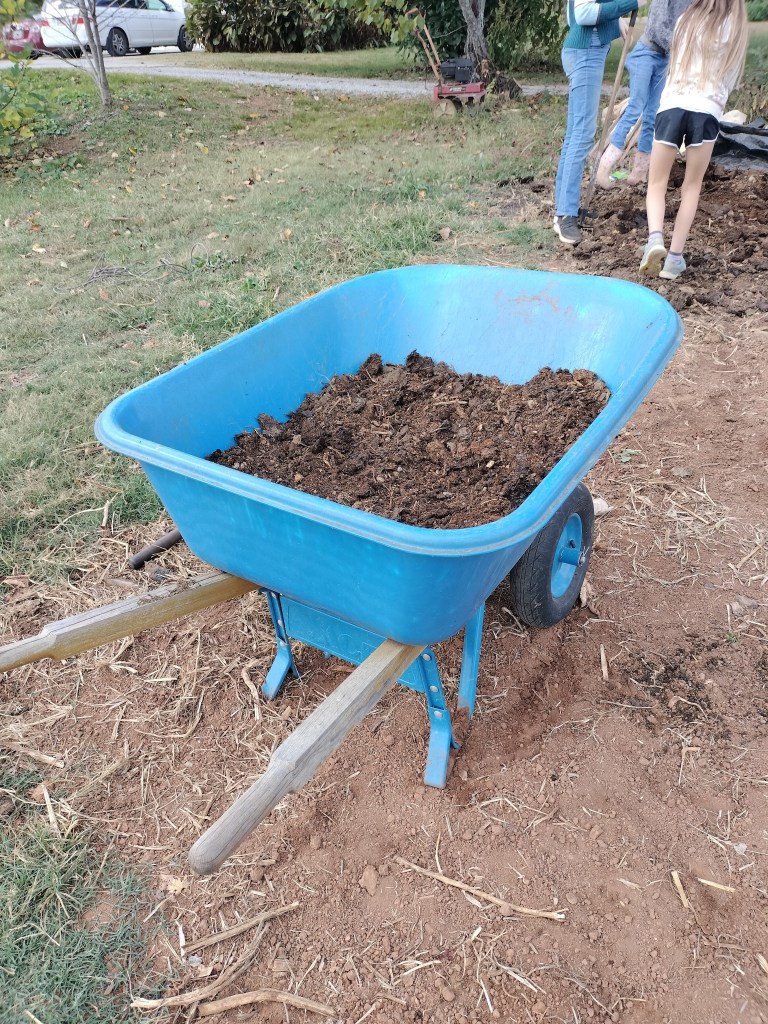
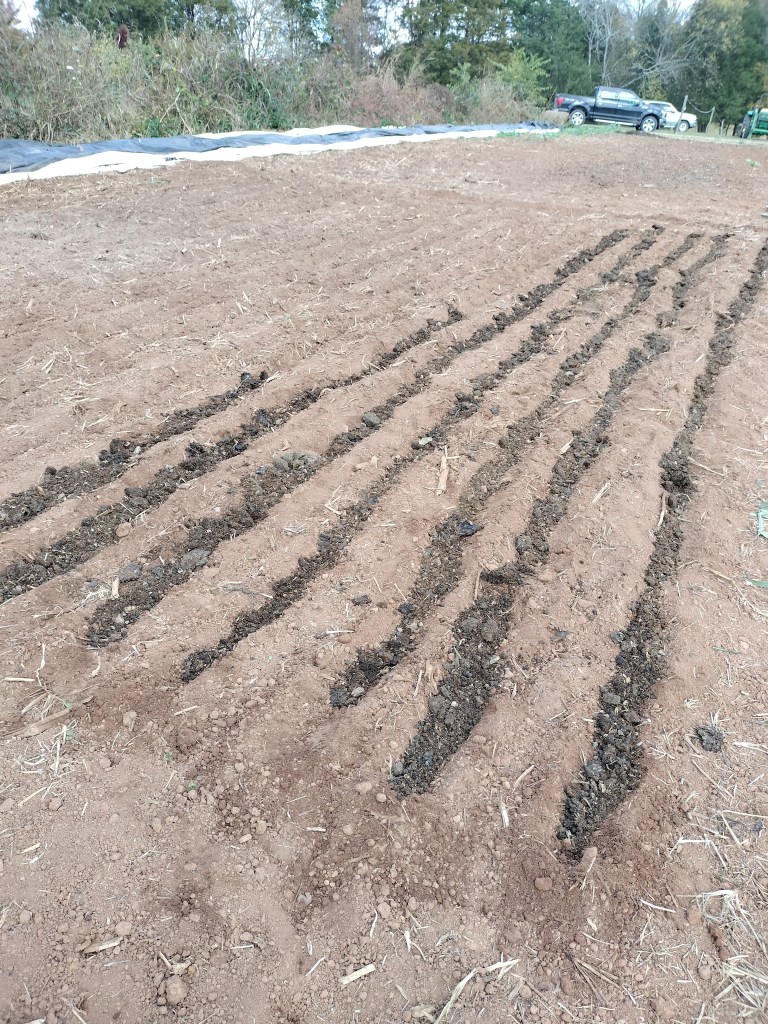
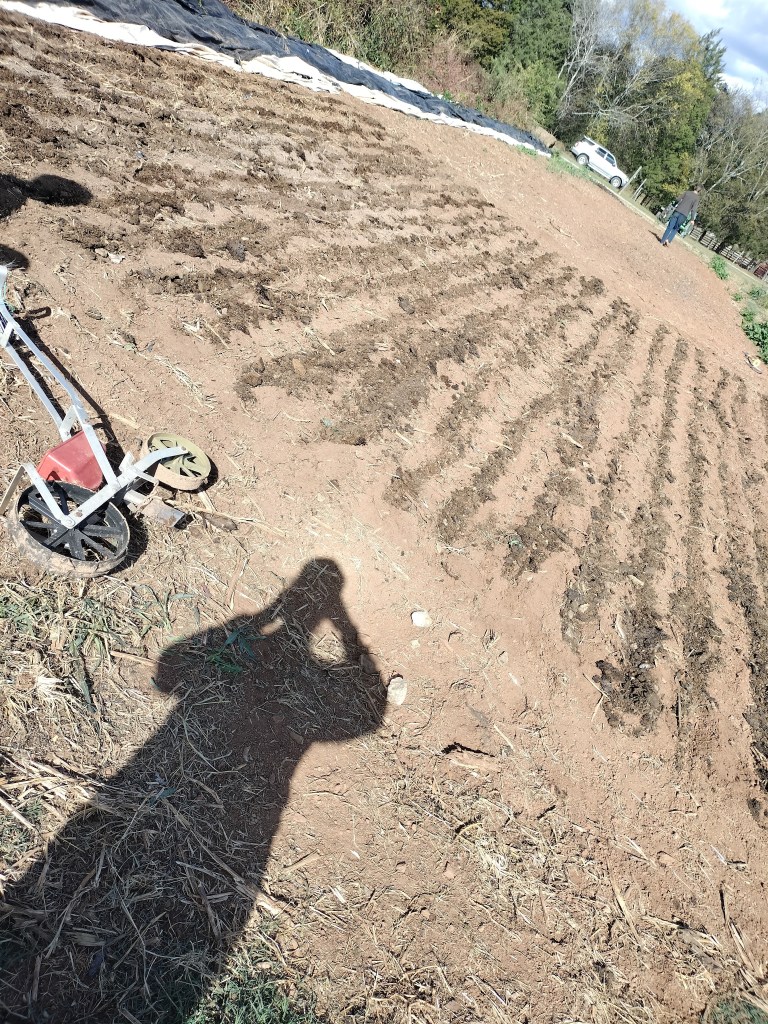
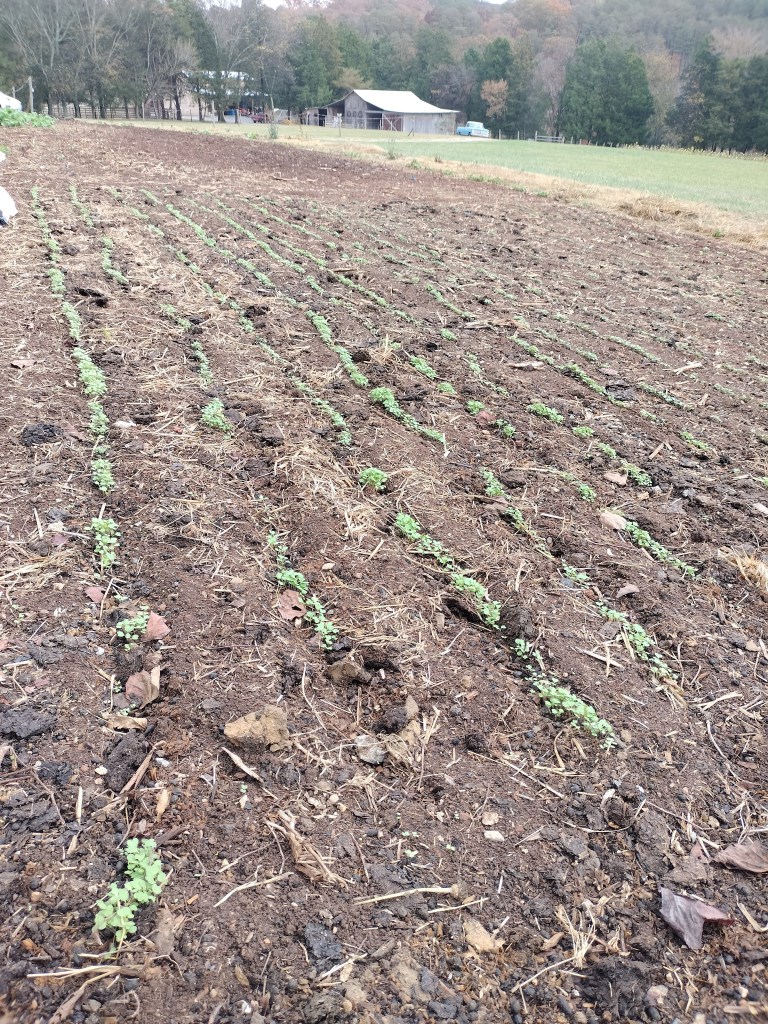
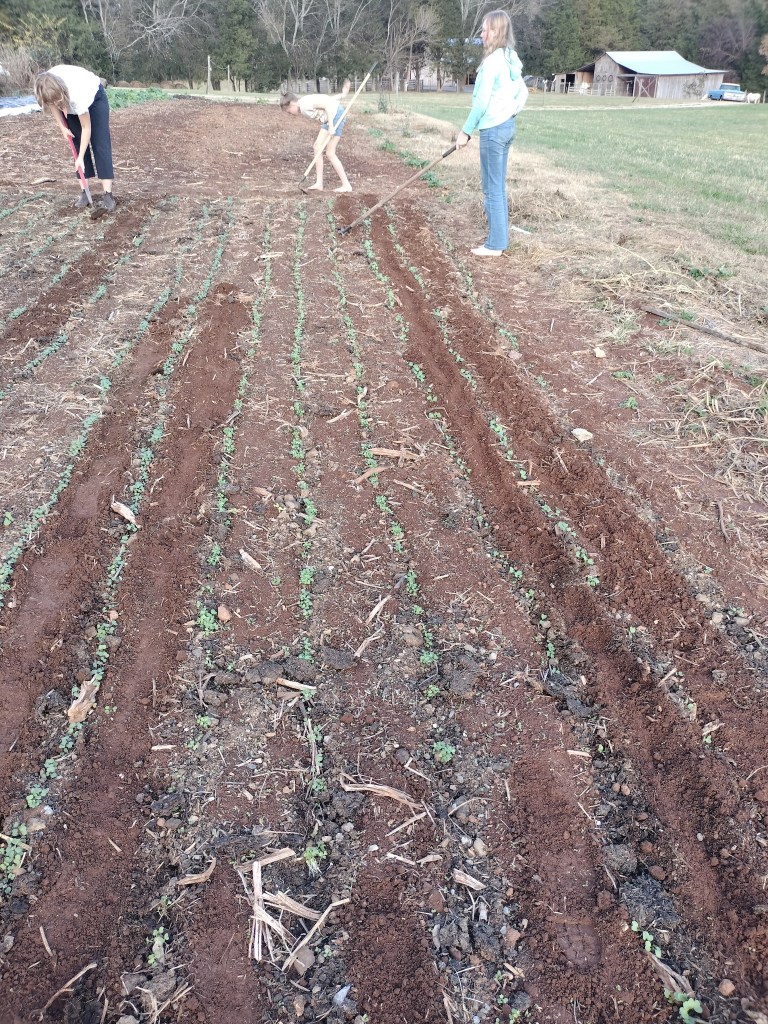
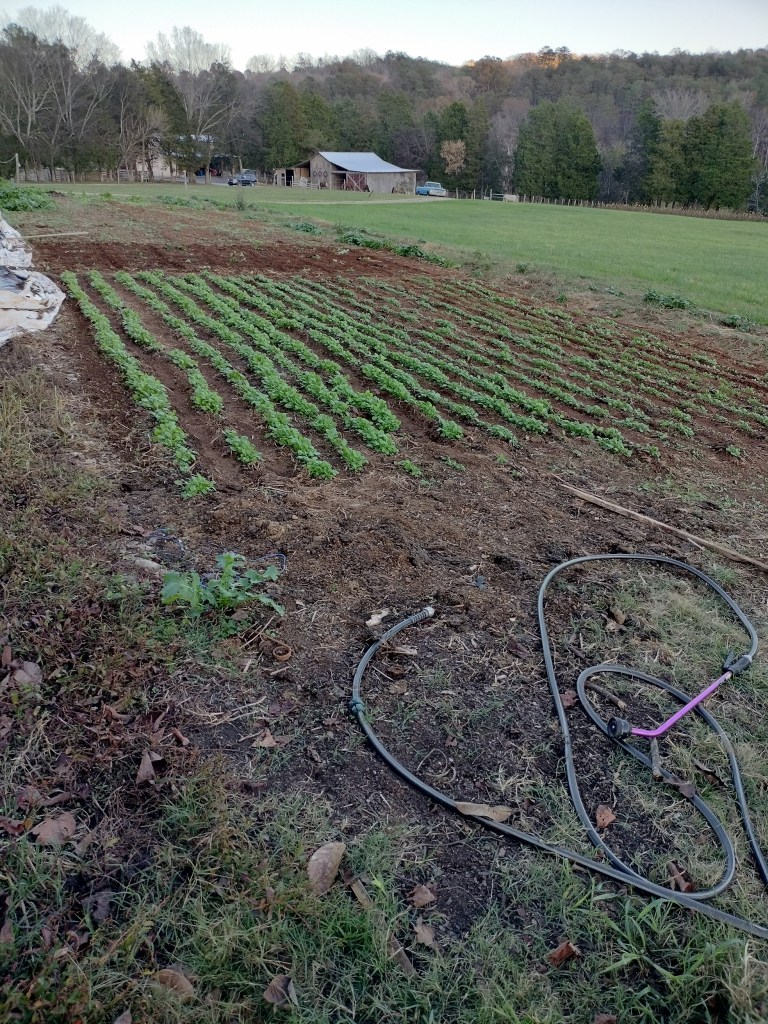
Jill suggested that we start a garden this year and I told her I would need help. My vague cries for direction were met with her voluntarily having a portion of land tilled by the tractor and two big piles of manure from the animals on the farm waiting for us. She even called her neighbor, Joel, who lives a mile up the road from her to come get us started with the garden. I laughed when she said she told him we needed a lot of help because we didn’t know anything 🙂

He came out to the farm as promised and skeptical though he was, worked with us for 3 hours (barefoot!) with no breaks talking to us about soil health and the basics of working with minimal tools and dirt since we clearly didn’t have a plan. After we marked off our lines, we used the seeder to ensure a straight row of plants. We watered it heavily and Joel prayed over the land.

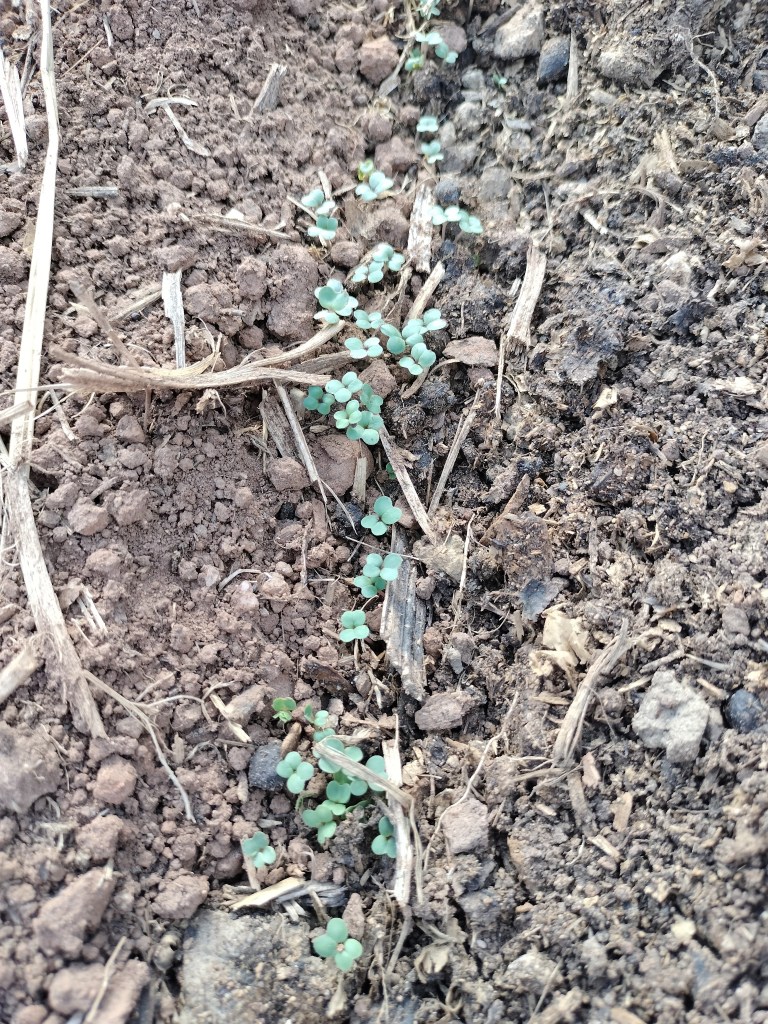
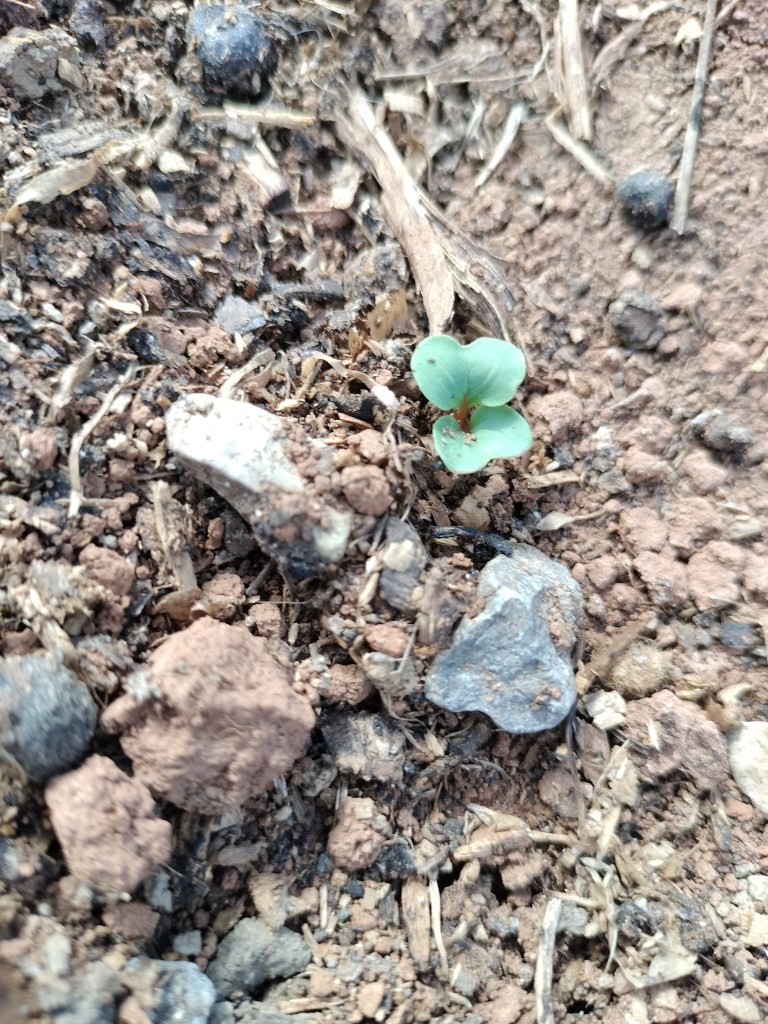
Doing all this work in mid October (instead of August like the internet suggested we should have), we had no idea if the 2 month drought and coming cold snap would ruin our crop, but lo and behold we kept coming back to a new surprise of growth each week.

We only used one-third of the area Jill gave us to grow plants because Joel told us not to bite off more than we could chew. He was right in that trying to weed and harvest that much would have taken more time than we have in our 4 and a half hours each week. We did add some strawberries donated by one of our families though.

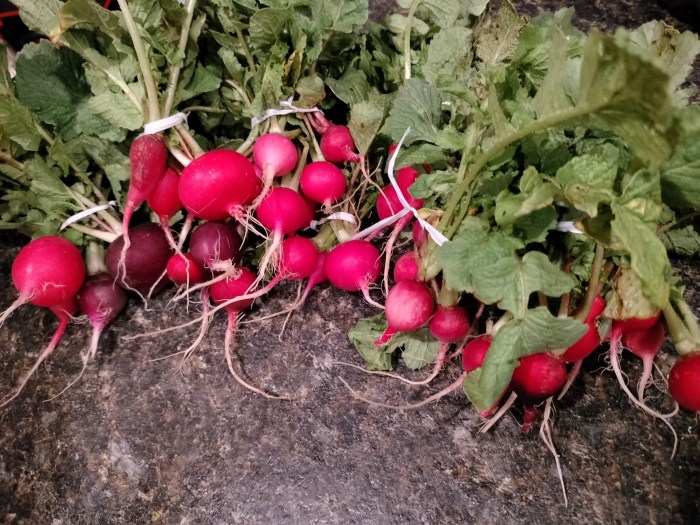
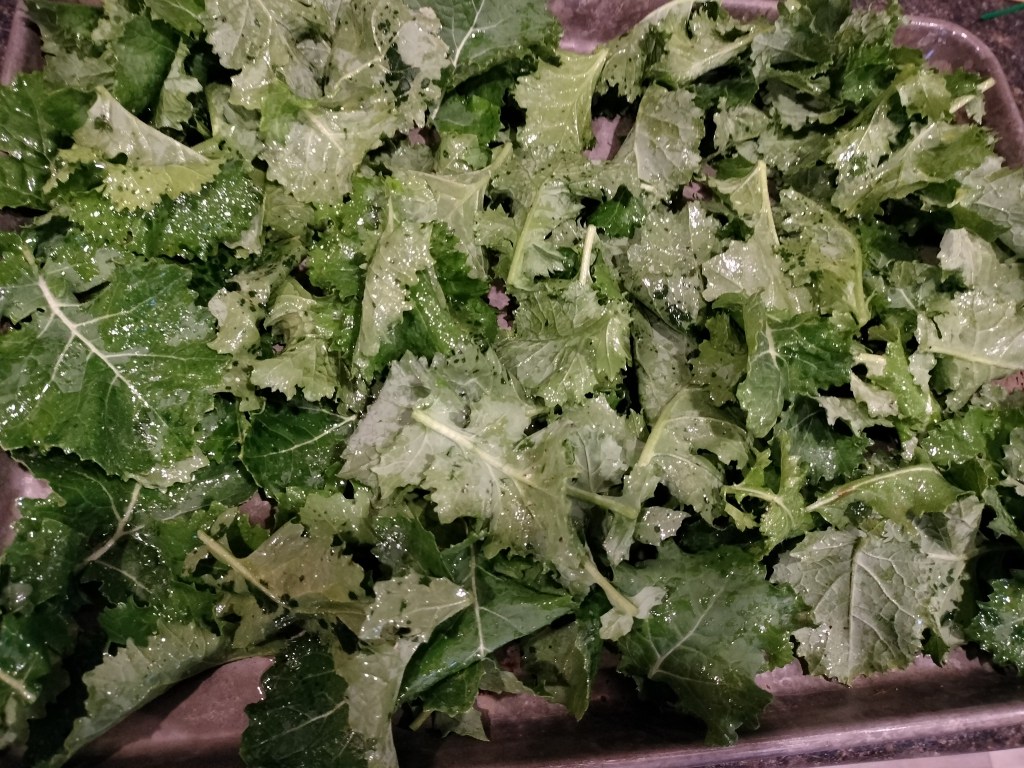
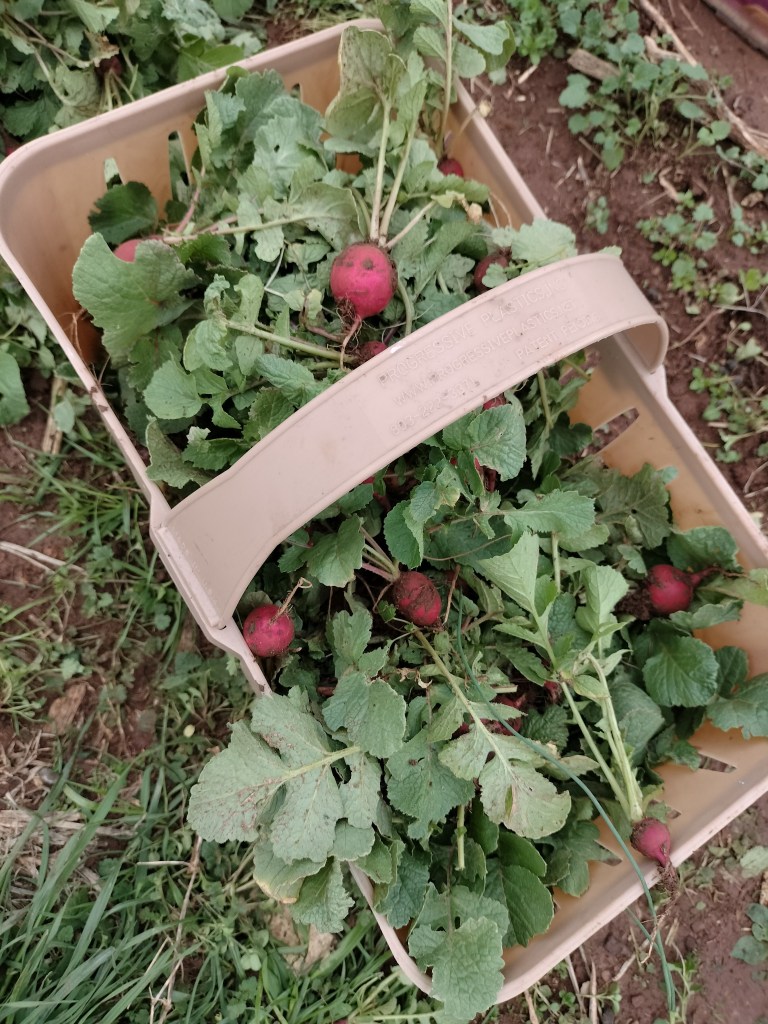
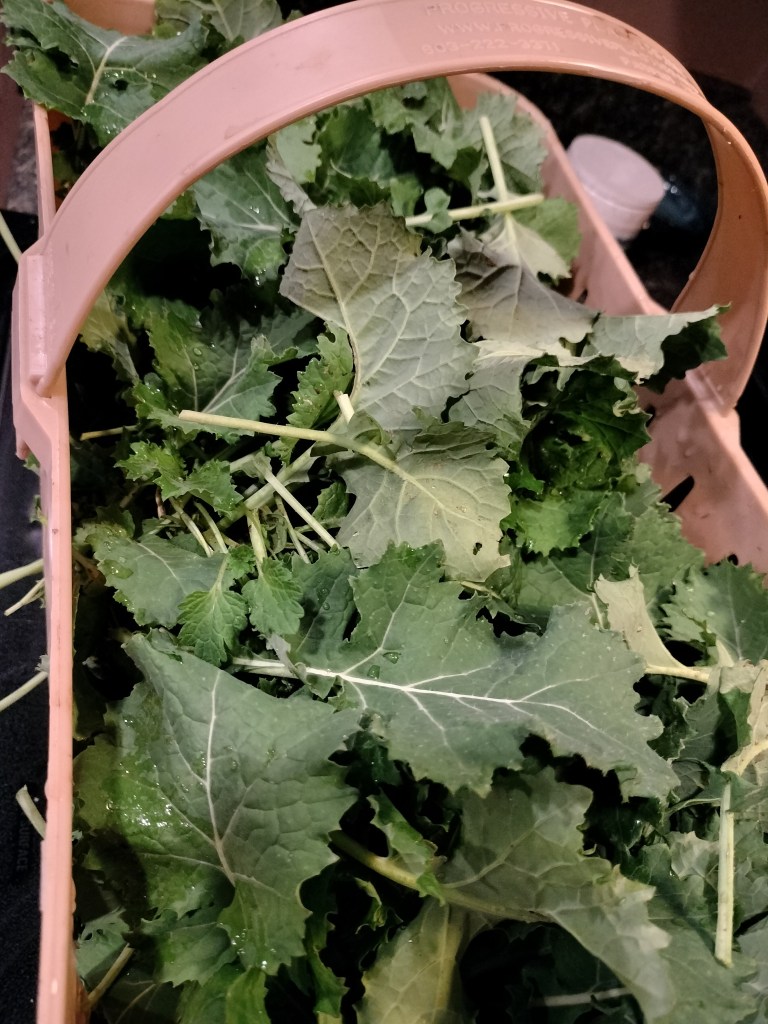
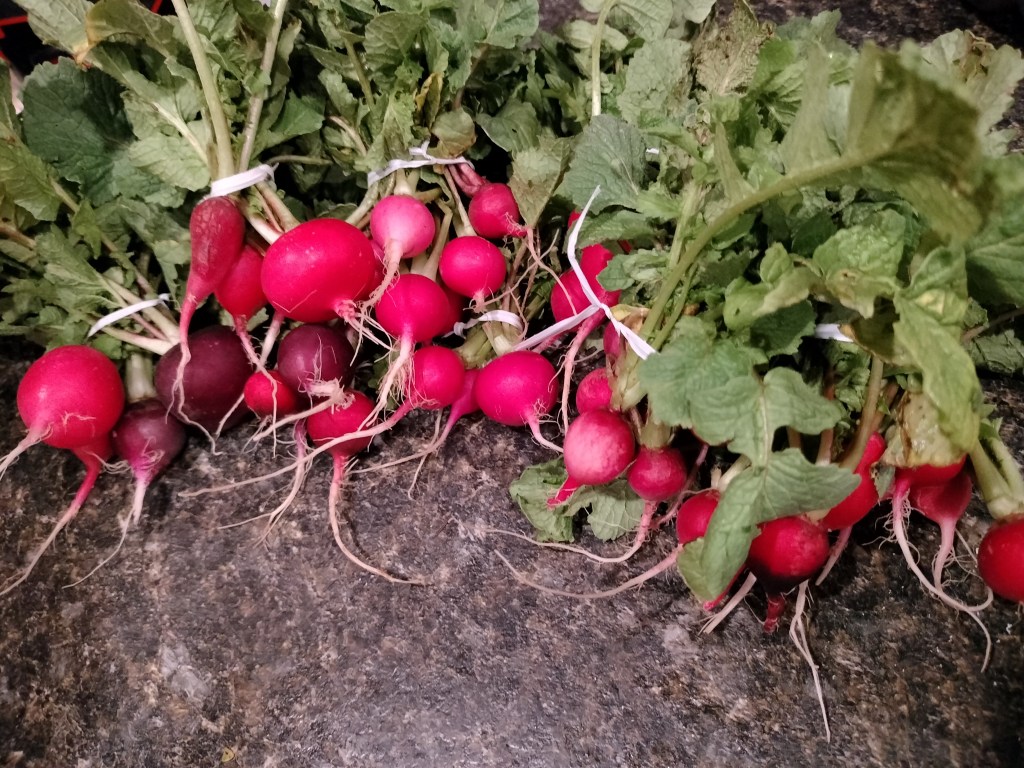
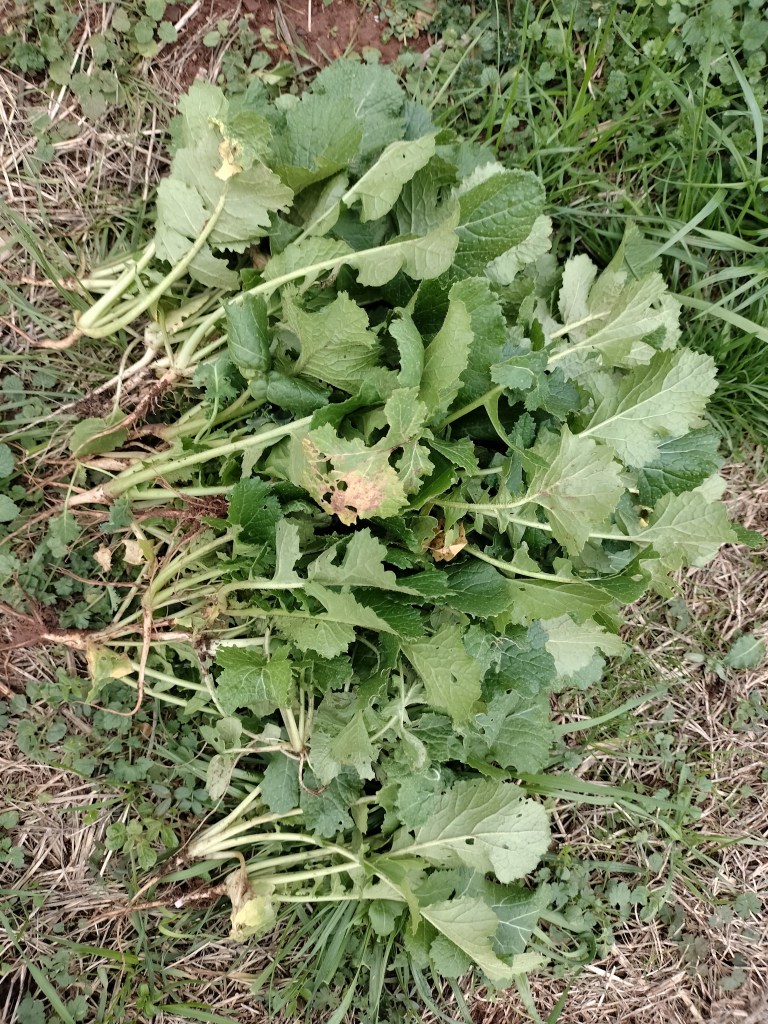
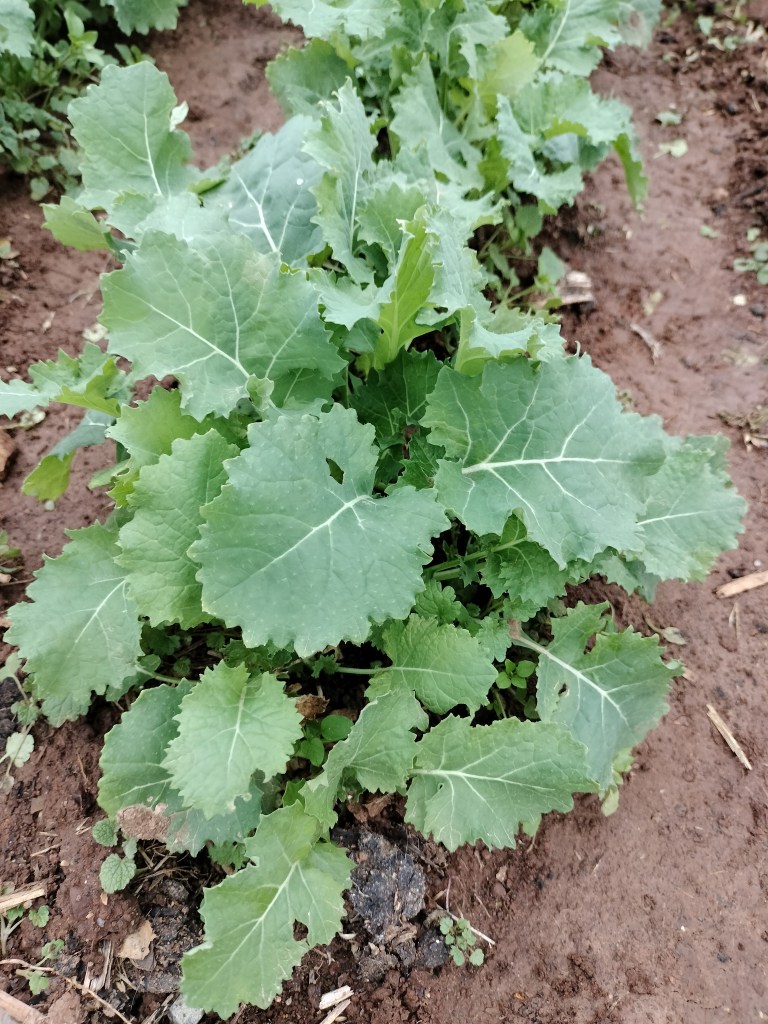
The time finally came when we had our last day at the farm for December. We decided to harvest some radishes, kale, and stray turnips greens that ended up in the other rows. It was more than a complete success. We have more food than we know what to do with, so this year we’re using it in our homes and giving it away to friends. Perhaps in the future we can still enjoy it for ourselves and friends while also selling it to give the proceeds to charitable organizations the girls research or fundraise for a special project.

Either way, there is such profound gratitude in seeing the Lord’s provision and work of your hands.


When it comes to risk, I like to think of myself as being a cautious personality. However, the constructive criticism I hear from other people is that I tend to underestimate what yield could come from faithfulness. I can definitely be like the servant in Matthew 25 that buries his talent and convinces himself he’s being a good steward. My faith in many areas of life is lacking because I hedge my bets to avoid the pain of embarrassment or loss. Modest success is better than no success, right? Reading one of my favorite naturalist authors, Robin Wall Kimmerer, helps me to see a path forward in demonstrating responsibility to something other than just keeping my ego safe. She says in her book, Braiding Sweetgrass:

“Being naturalized to place means to live as if this is the land that feeds you, as if these are the streams from which you drink, that build your body and fill your spirit. To become naturalized is to know that your ancestors lie in this ground. Here you will give your gifts and meet your responsibilities. To become naturalized is to live as if your children’s future matters, to take care of the land as if our lives and the lives of all our relatives depend on it. Because they do.”

When I showed my husband the pictures each week, he kept saying, “That dirt must be magic!” Though I know he was kidding, the truth is the dirt has been cared for for decades. They don’t use pesticides. Their compost is fresh. They make sure the pH balances. It is also reasonable to assume that the land was cared for by the Cherokee, a vital part of the history of this land.

The garden has reminded me how much part of “becoming placed” as essayist Wendell Berry says, means growing to love an area through being fully present and acting in faith and commitment to its history of care.