GardenMaxxing in the Age of AI Slop

As many of you know, I am a mostly self-taught gardener. I have experimented with all kinds of things at my home and with my students at the farm. Some of the lessons I have learned over the years from failure and success:

– Kale germinates quickly and can grow just about anywhere. It’s my GOAT green.
– My front yard doesn’t get as much direct sunlight as I would like, so sometimes my growing options are limited
– My very shady backyard is good for herbs only
– Bush beans are my go-to summer plant. They always do well and produce more when you pick them.
– Onions and garlic are an easy choice to plant at the farm because they are so low-maintenance and get the sun they need.
– Carrots still frustrate me. Such a little success rate for all the videos I have watched!

That last one, makes me feel a bit like Captain Ahab, a little obsessed with how I can find that white whale of a resource that will help me grow carrots. By looking on the internet though, I have been increasingly disturbed by the number of videos and images that are clearly AI generated targeted at beginner gardeners. Some of the videos/images are about shortcuts to planting onions, or tulips, or garlic. For instance, one of the most popular ones is about how you can plant a bunch of bulbs by digging a trench, putting the bulbs in egg cartons, and then covering them with dirt. Look at the one below:
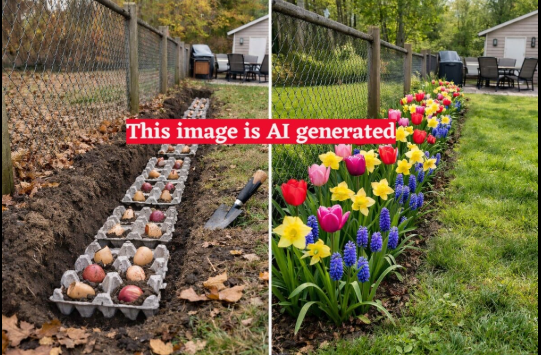
This is wrong on a number of levels (same bulb but 3 different varieties of plants?!).

Using the internet is now like having to use daily all the skills I learned from playing spot the difference with side by side images. Did you notice any differences in the one above? (Hint: Look at the patio and the house/shed and you’ll find some).

What about this one on planting onions:
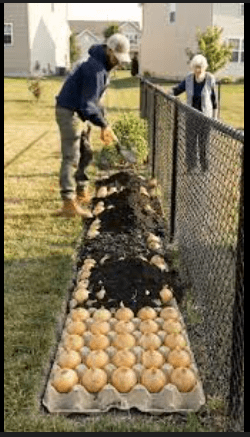
THE ONIONS ARE ALREADY FULL GROWN SIZE! Are those egg cartons for ostrich eggs?

So what purpose do these videos serve? My guess is revenue generators on YouTube. The more views, the more $. Unfortunately, these people are only sowing figurative seeds of disinformation, not literal seeds that benefit others. I would hate to see someone get soured on gardening because they spent a lot of money after falling for a short video with no sources instead of, say, asking a tulip grower to explain why they do what they do with their bulbs.

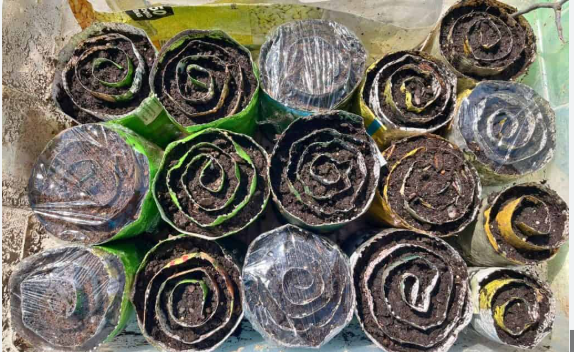
Shortcuts in the garden are great if they actually work and save us labor. A great modern example is seed snails; they are the new trend and some gardeners are seeing really great results. Others find it too messy and fiddly and just keep using trays. There is so much about gardening that just depends on preference and weather conditions.
My hope for you and for my students is that we can all take a crash course in media literacy by discerning what is “Gardenmaxxing” internet garbage and what is actually helpful by getting outside and playing in the dirt ourselves. It’s good to take some low stakes risks based on solid research in order to learn.
Changing It Up In The Garden

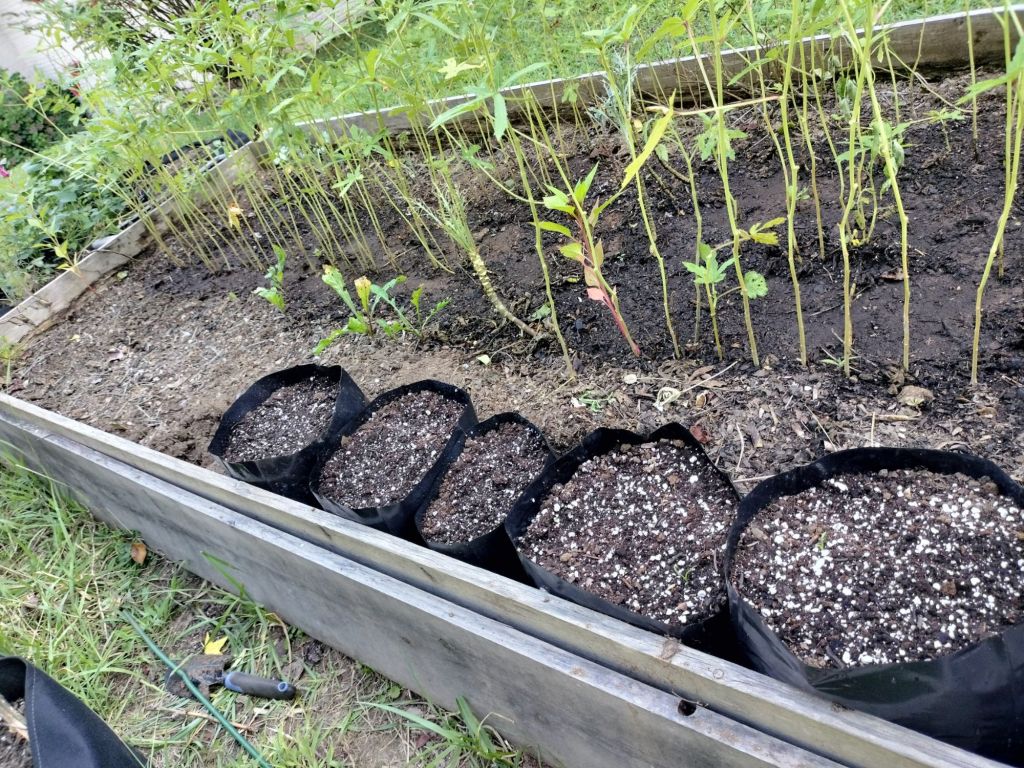
The raised bed at my house has been frustrating me. Each season I keep amending the soil only to find it going back to root balls and compact soil. This fall I have decided I have agency, and am going to completely redo the bed…into containers.

Normally, I wouldn’t go through the hassle since I have so little margin already with my time, but a fortuitous (but also sad) thing happened this month — our local horticulture supply store decided to close its doors forever and mark everything 50 percent off. So I went a little crazy (more on that in a minute) and one of the purchases was something I had never tried before — very inexpensive grow bags that have holes pre-punched in the bottom.

img2025090717460019781904534971270

I bought them in various gallon sizes and while I also obviously plan to use them for Maple Key, I have other places I can share the love of gardening such as the library I work at or the homeschool tutorial my children go to.

As you can see, I am still growing spindly, but producing okra right now, so I am doing the bed bit by bit. I am taking the compact, dusty soil (that’s partly my bad!) and putting it in a paint bucket, adding homemade compost and vermiculite to provide nutrients, good bacteria, and aeration for the soil. Then, I dish it back out in each bag.

I really think this is going to be much easier to manage than what I had been doing and it’s just one more reminder that you can always change what you’re doing in gardening if it’s not working for you! Nothing about gardening is locked in, so do what’s best for your season of life and environment.

Now onto my big purchase…!

img202509041019381411436653280902632

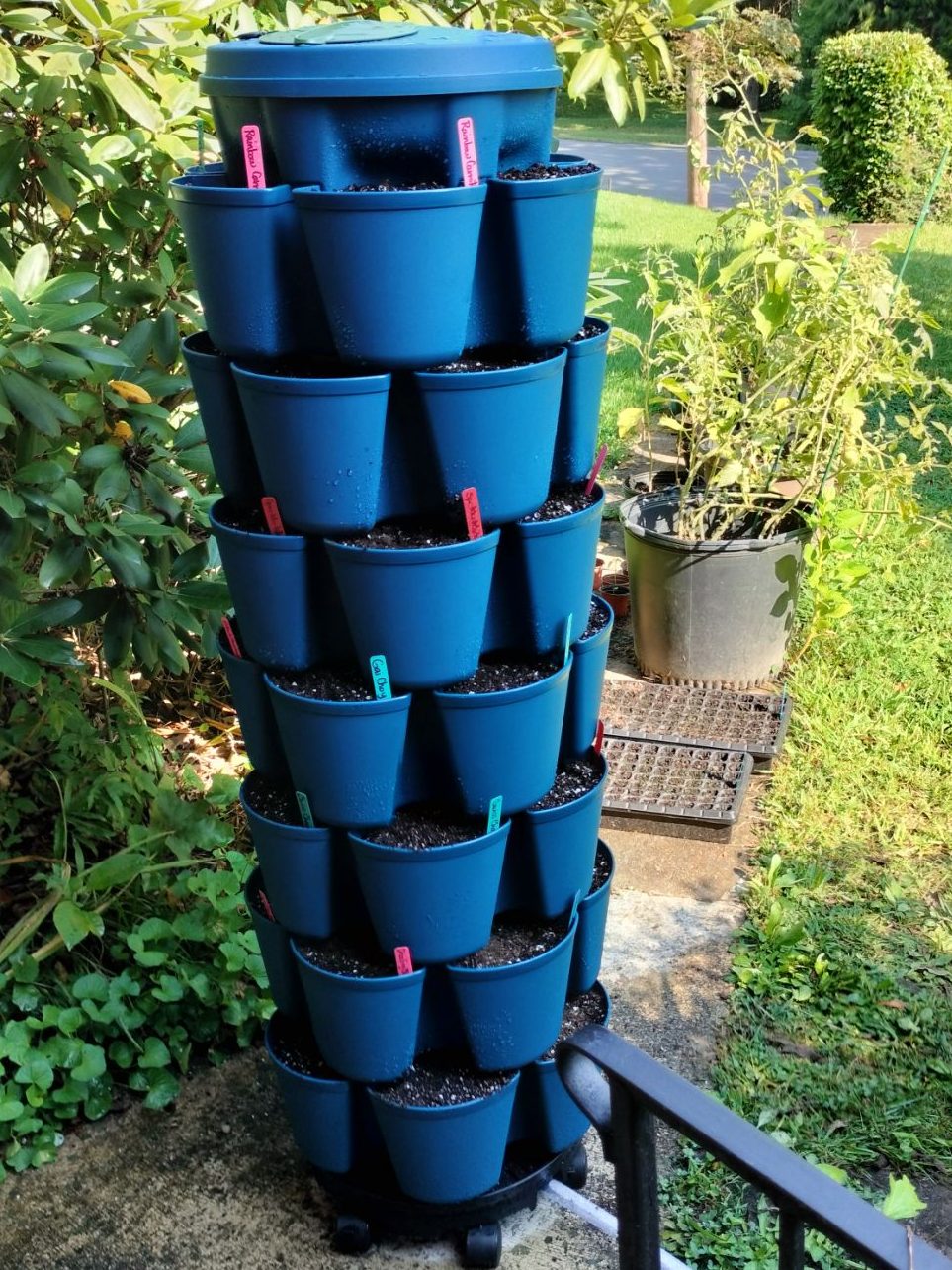
The other big change I am trying this year (again, thanks to the going-out-of-business sale) is vertical gardening. I bought a GreenStalk 7 tier planter with a bottom spinner! I was already excited about it (less pests, less bending down, right outside the door), but then I found out they are a local-to-Tennessee business, just up the road in Knoxville. That made me proud that this innovative, family-owned business is exporting such a great product all over the world! I even convinced my friend to buy a matching one with me and my mom to buy the 5 tier design, so we’re all planning for some great fall harvests.

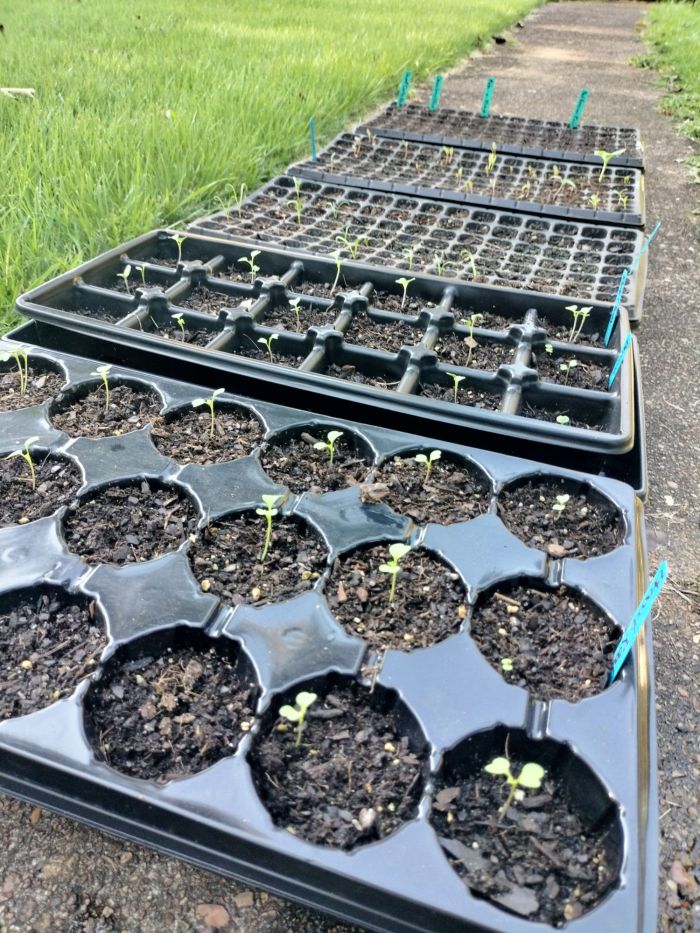
After spending the money on the planter and the ProMix soil, I didn’t want to shell out for plants, so I started everything from seed. So far, the kale, spinach, bush beans, and radishes have all popped up and I am sure the others will, too at some point. This is another great experiment that I am hoping to bring to the library (so we can start our own library gardening programs) and the farm to add to our growing list of trials to see what grows!

Honestly, it’s great to have jobs that all tie into each other in some way, so that when I do good work over in one area, another one benefits from the new knowledge! At the library we are currently applying for a $1000 grant to get GreenStalk vertical gardens for the library so that we can make gardening accessible to all age ranges and demographics — children, elderly, differently abled.

I can’t wait to talk to Maple Key students about my new way of playing and planning in the garden that supplements what we’re doing in the traditional garden beds. My hope is to inspire them with even more things to put in their bag of gardening tricks for when they desire to start their own gardens. I want them to always carry a sense of play, have fun, learn new things 🙂