Becoming Placed

If you haven’t had the chance to meet Jill, you should. She’s the property manager for her family’s farm (High Point Farms) where Maple Key is located. She is by far and away one of the most generous people I have ever met. Hers is the kind of generosity that is rooted in interdependence, a true and mutual joy in sharing life and resources together.

Jill has been the incubator for countless other people like me including Morgan at Creekside Flowers, who got her business started at High Point. As a side note: Before starting Maple Key, I worked for the tutorial that meets at the farm on M- Th and driving in each morning my girls and I would see Morgan working hard on maintaining the health of her plants. I know she learned a lot from Jill, who also raises flowers for weddings and for individual sale. Hearing Morgan’s story (delivered impeccably, I might add) was inspiring and reminded me a lot of getting Maple Key off the ground. You play, tinker, research, and experiment when you don’t know how to do something.


Such has been the case with our late fall garden this year.

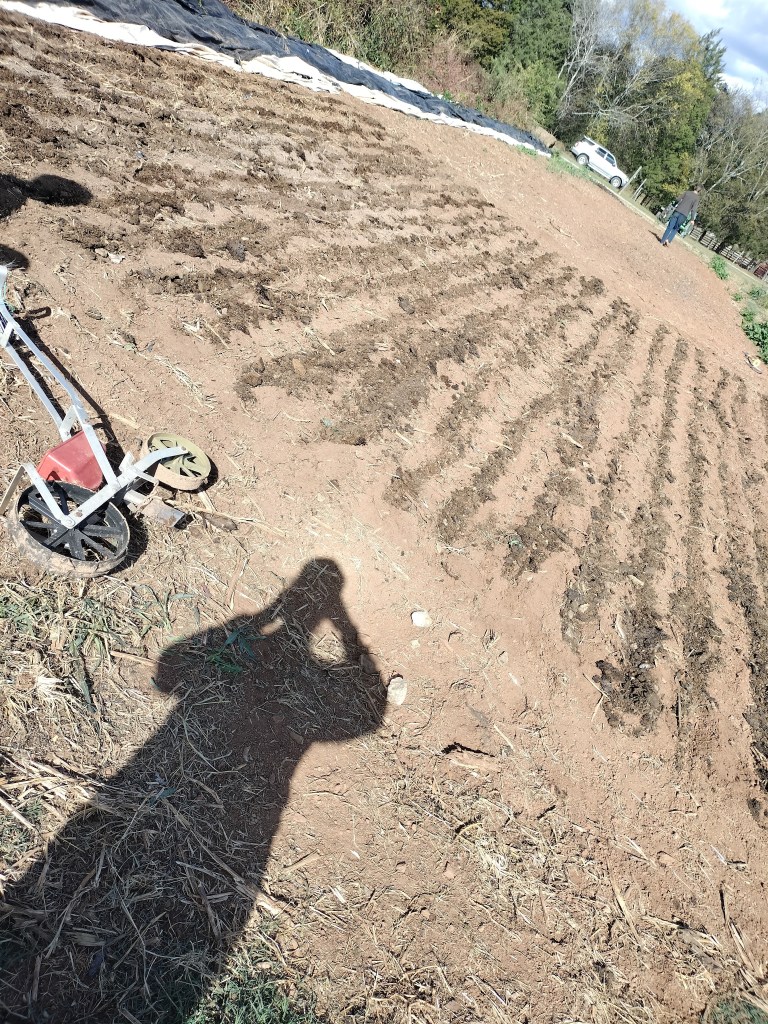
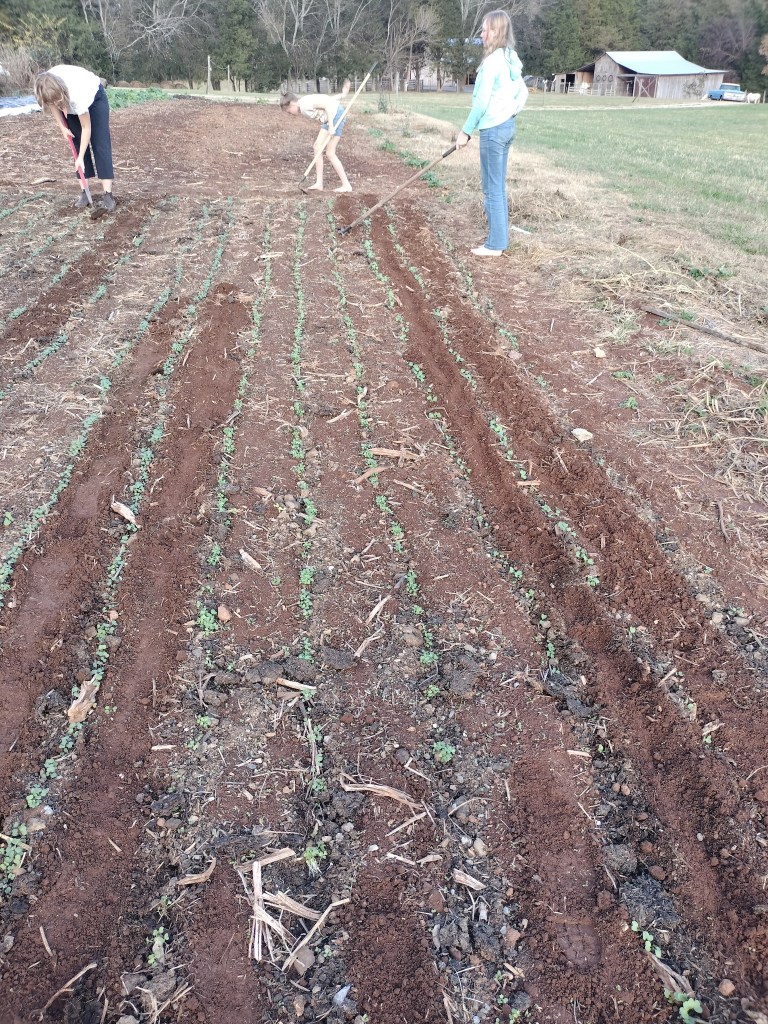
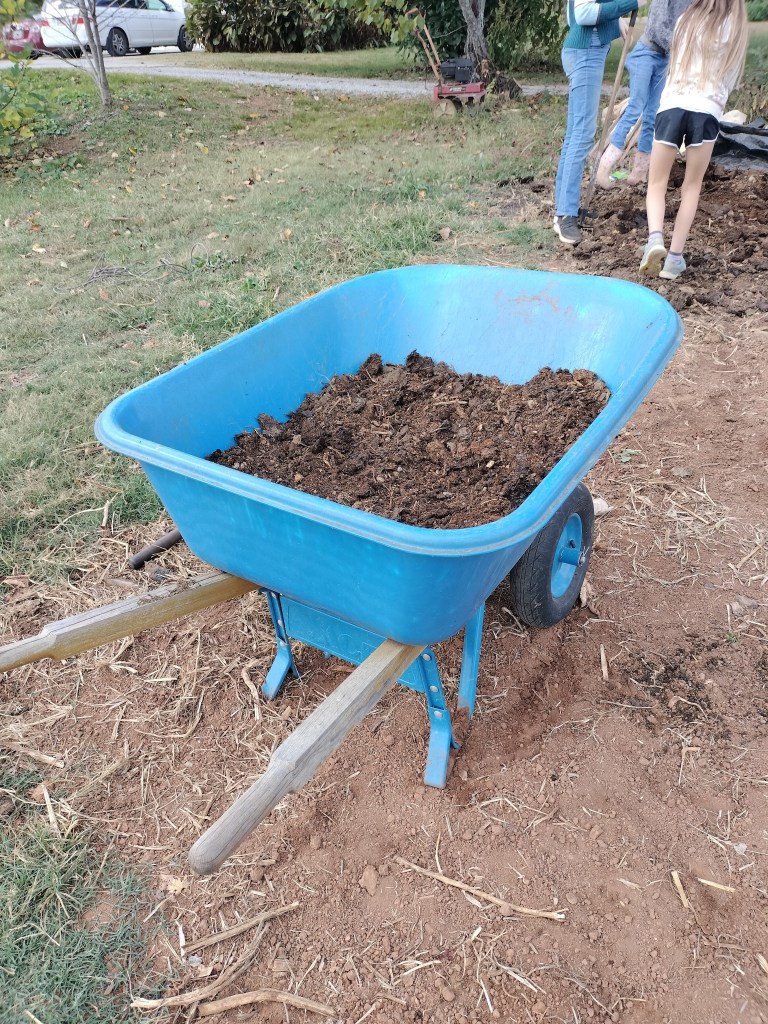
Jill suggested that we start a garden this year and I told her I would need help. My vague cries for direction were met with her voluntarily having a portion of land tilled by the tractor and two big piles of manure from the animals on the farm waiting for us. She even called her neighbor, Joel, who lives a mile up the road from her to come get us started with the garden. I laughed when she said she told him we needed a lot of help because we didn’t know anything 🙂

He came out to the farm as promised and skeptical though he was, worked with us for 3 hours (barefoot!) with no breaks talking to us about soil health and the basics of working with minimal tools and dirt since we clearly didn’t have a plan. After we marked off our lines, we used the seeder to ensure a straight row of plants. We watered it heavily and Joel prayed over the land.

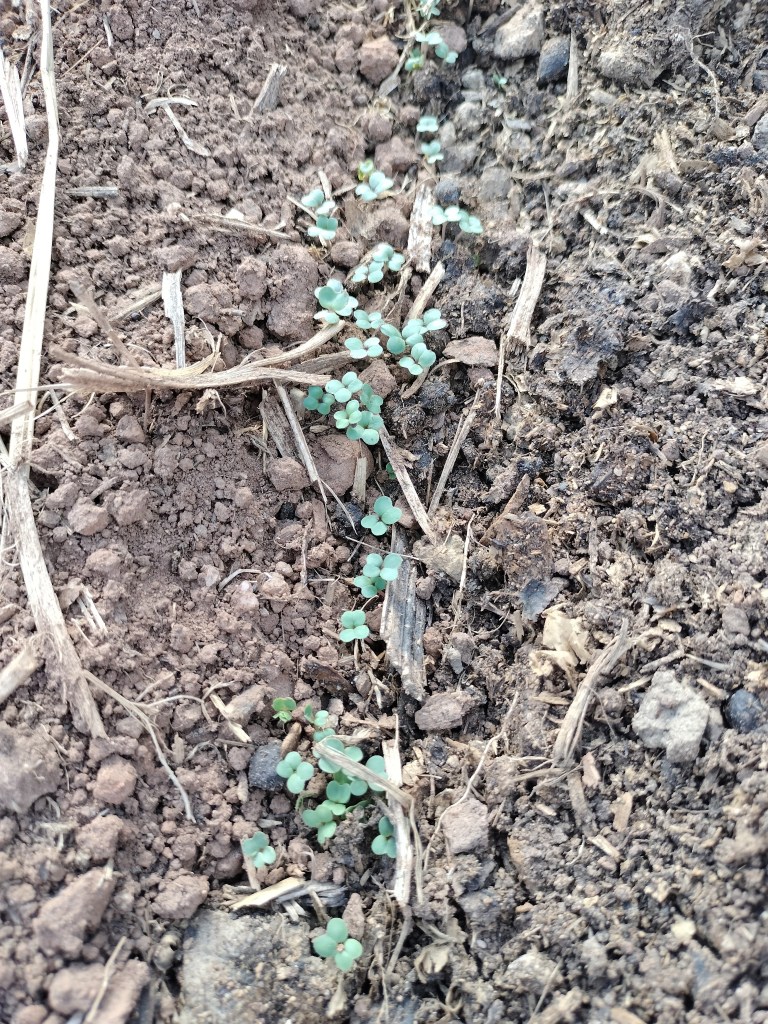
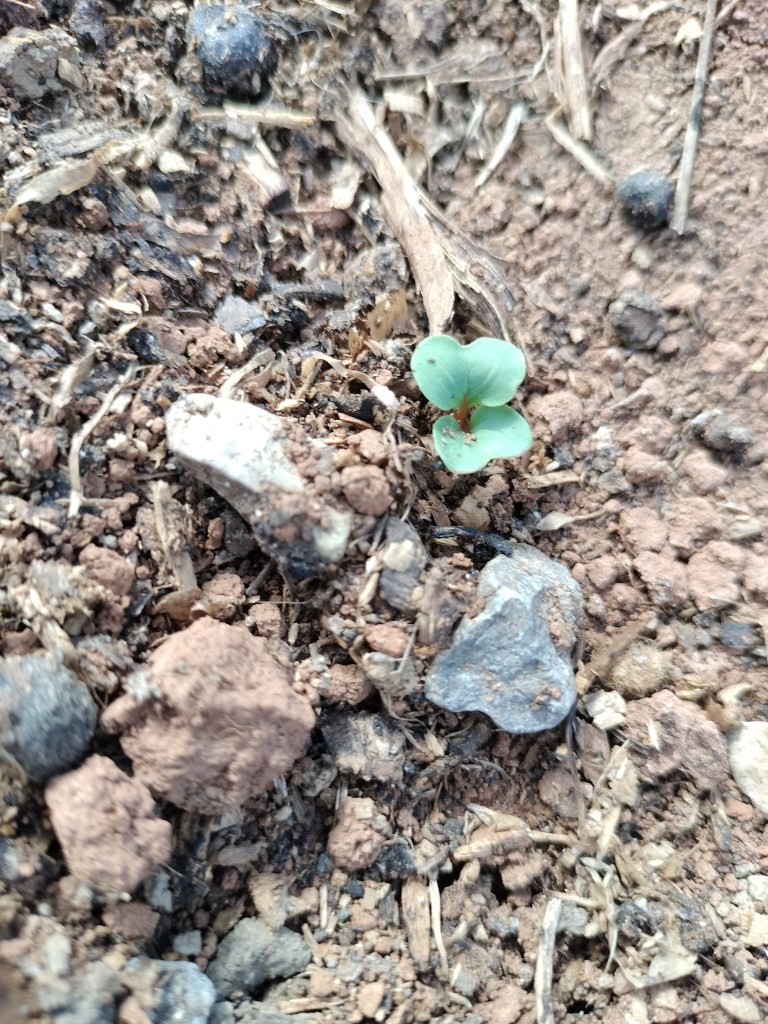
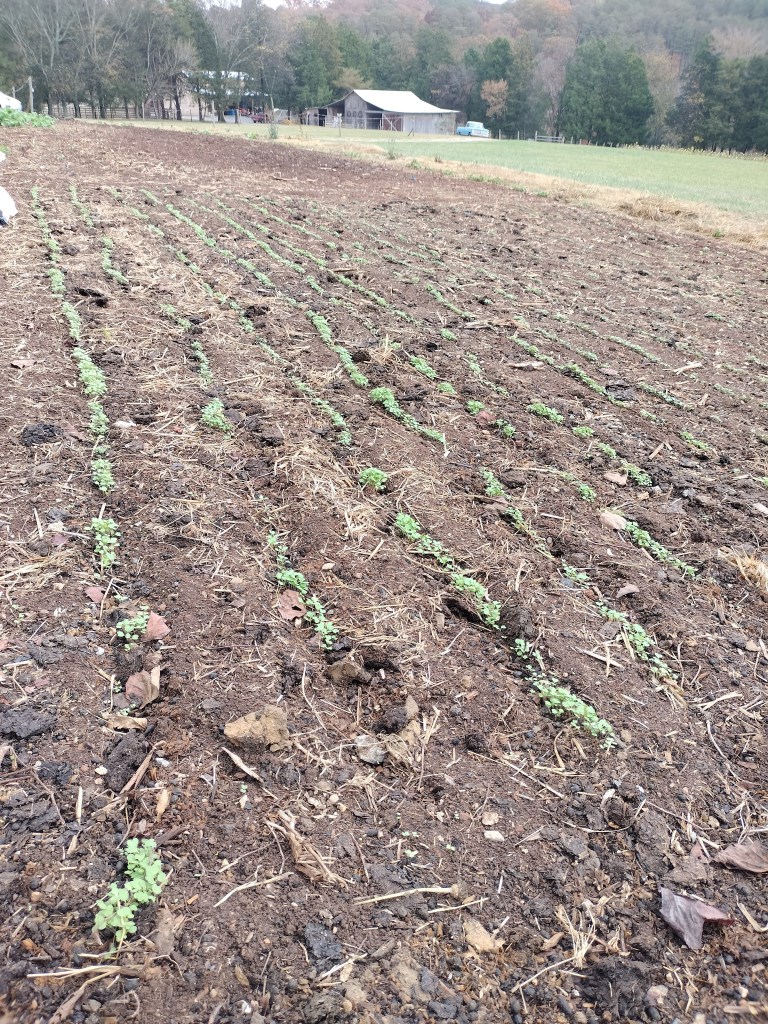
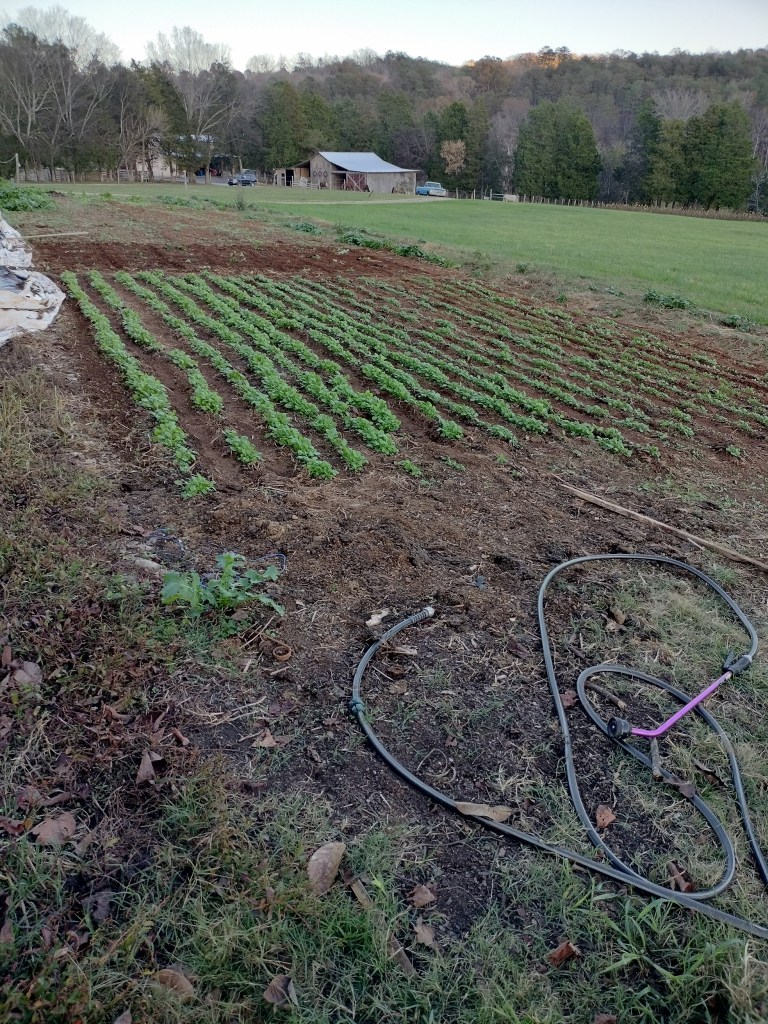
Doing all this work in mid October (instead of August like the internet suggested we should have), we had no idea if the 2 month drought and coming cold snap would ruin our crop, but lo and behold we kept coming back to a new surprise of growth each week.
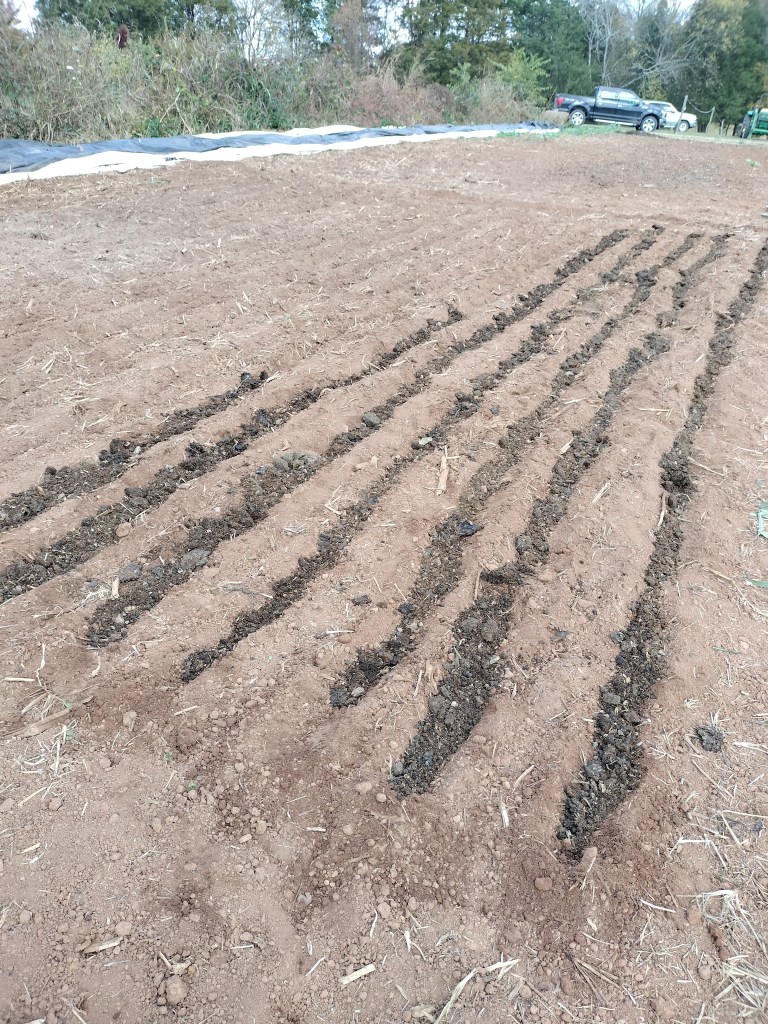
We only used one-third of the area Jill gave us to grow plants because Joel told us not to bite off more than we could chew. He was right in that trying to weed and harvest that much would have taken more time than we have in our 4 and a half hours each week. We did add some strawberries donated by one of our families though.

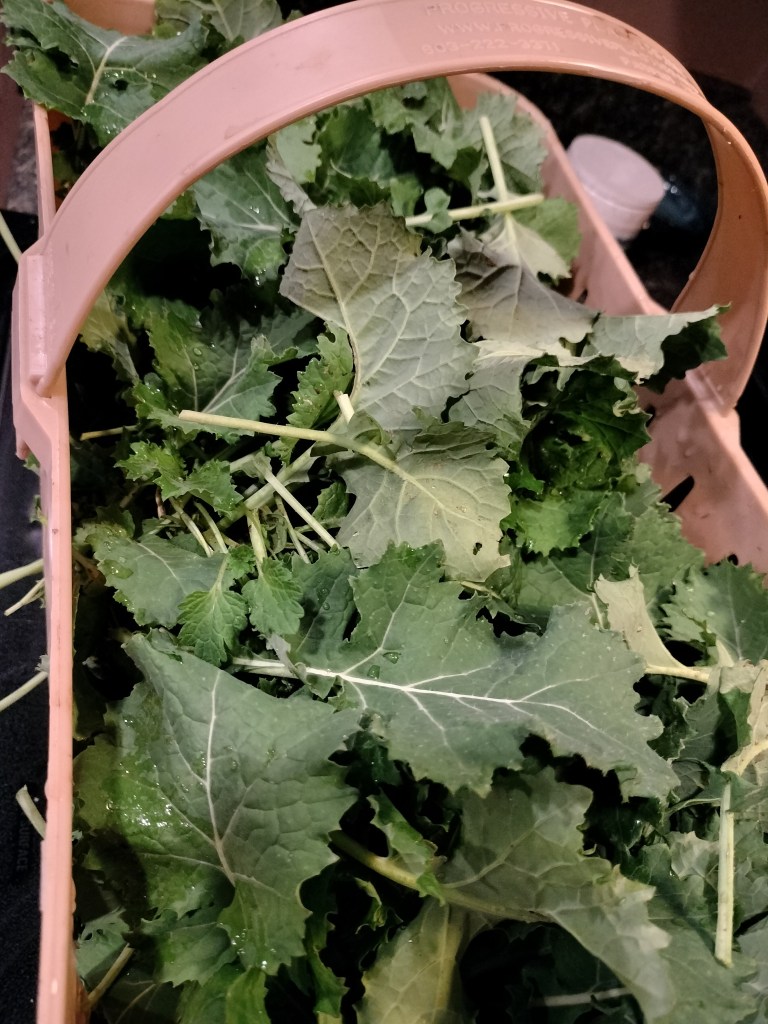
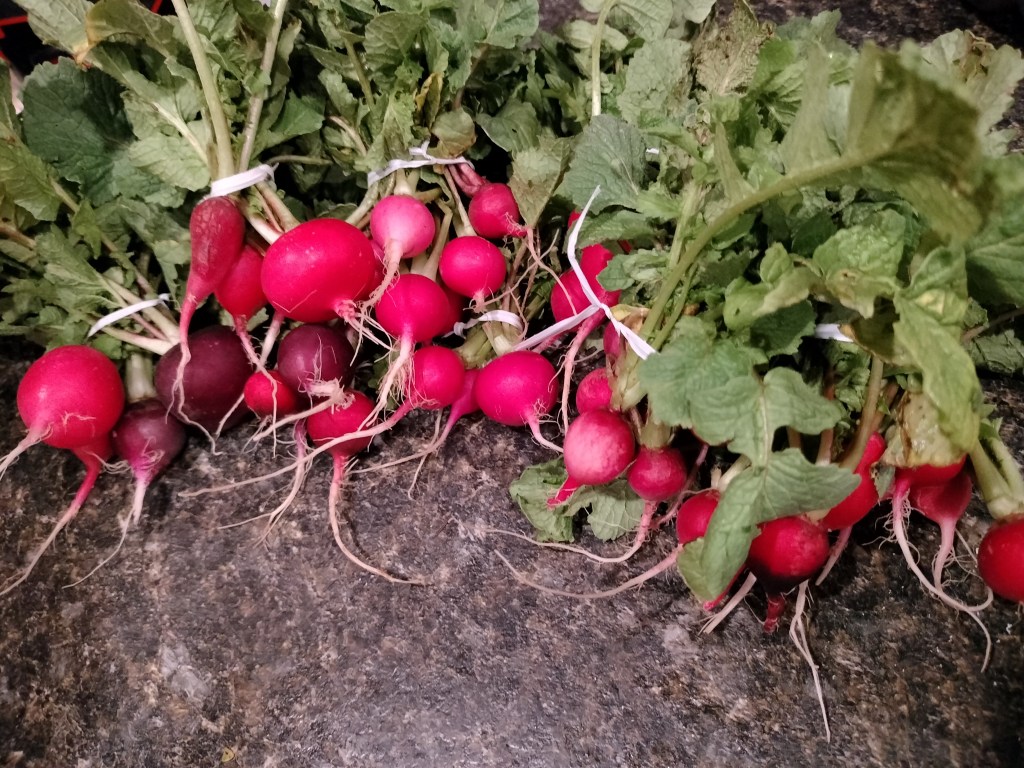
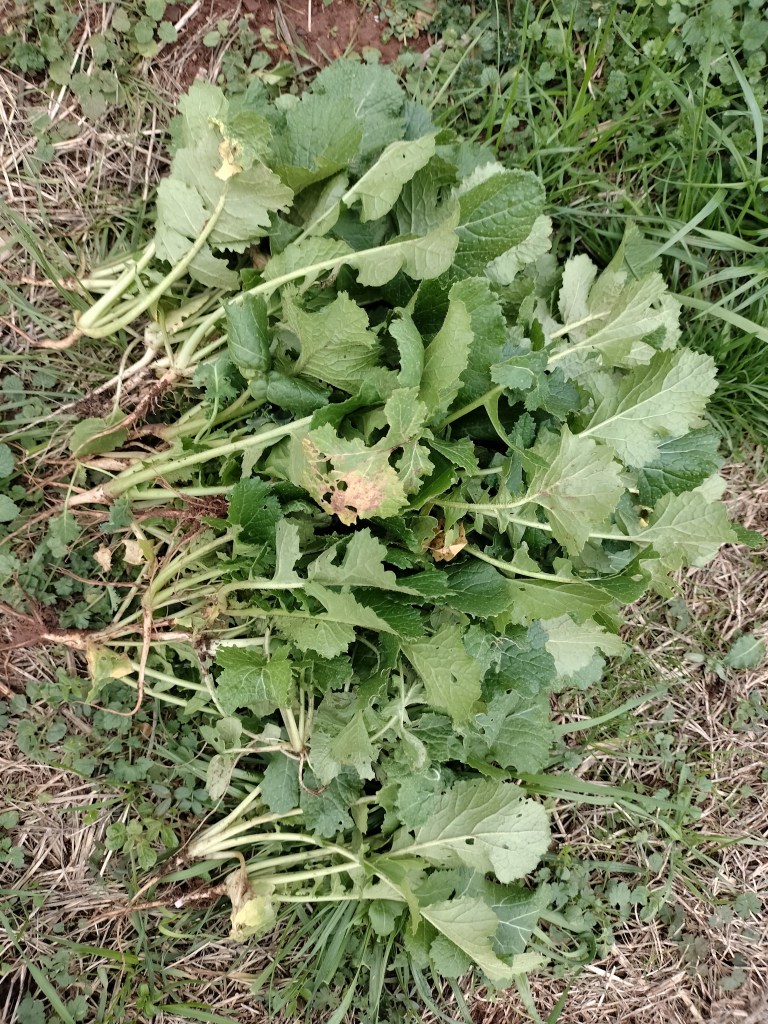
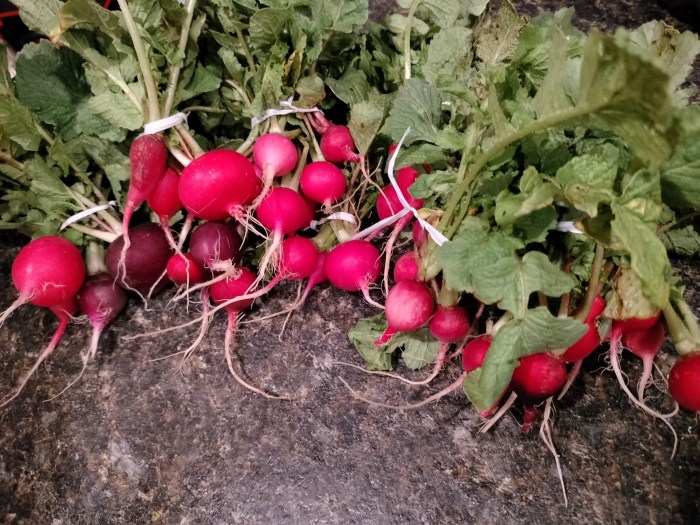
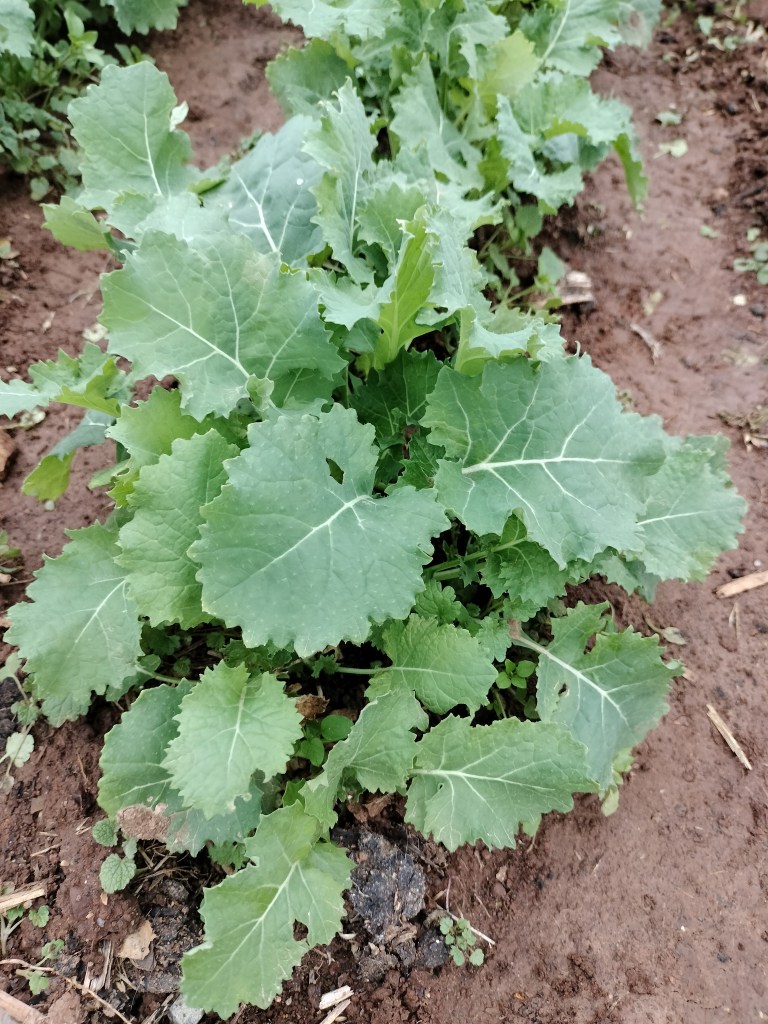
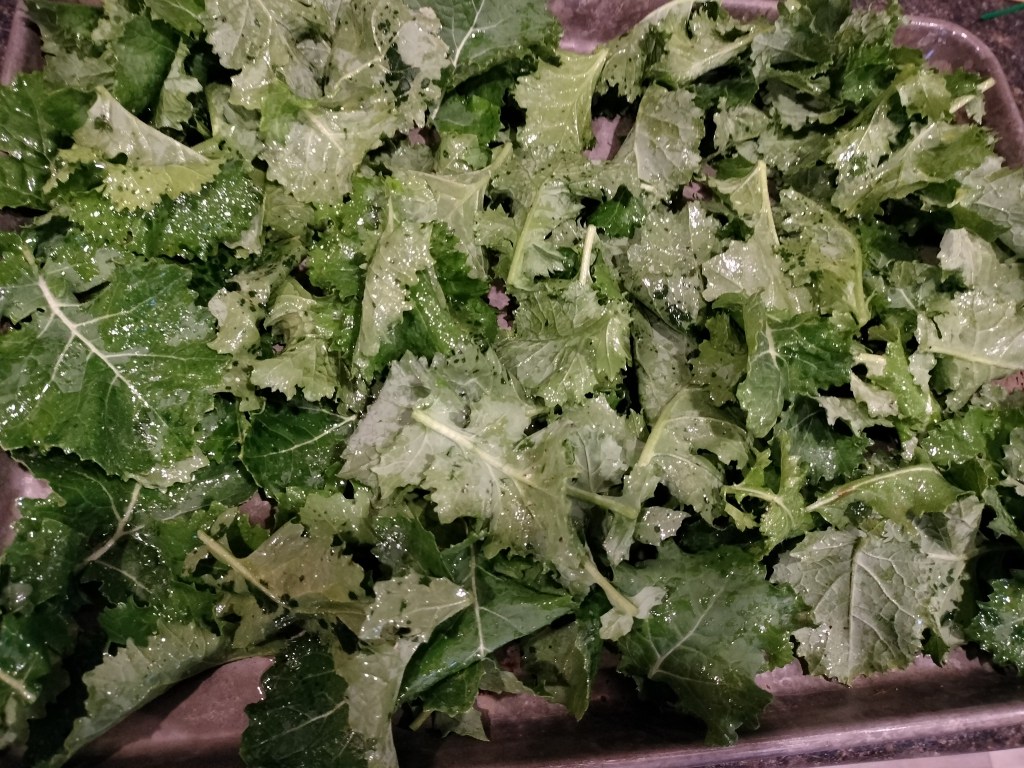
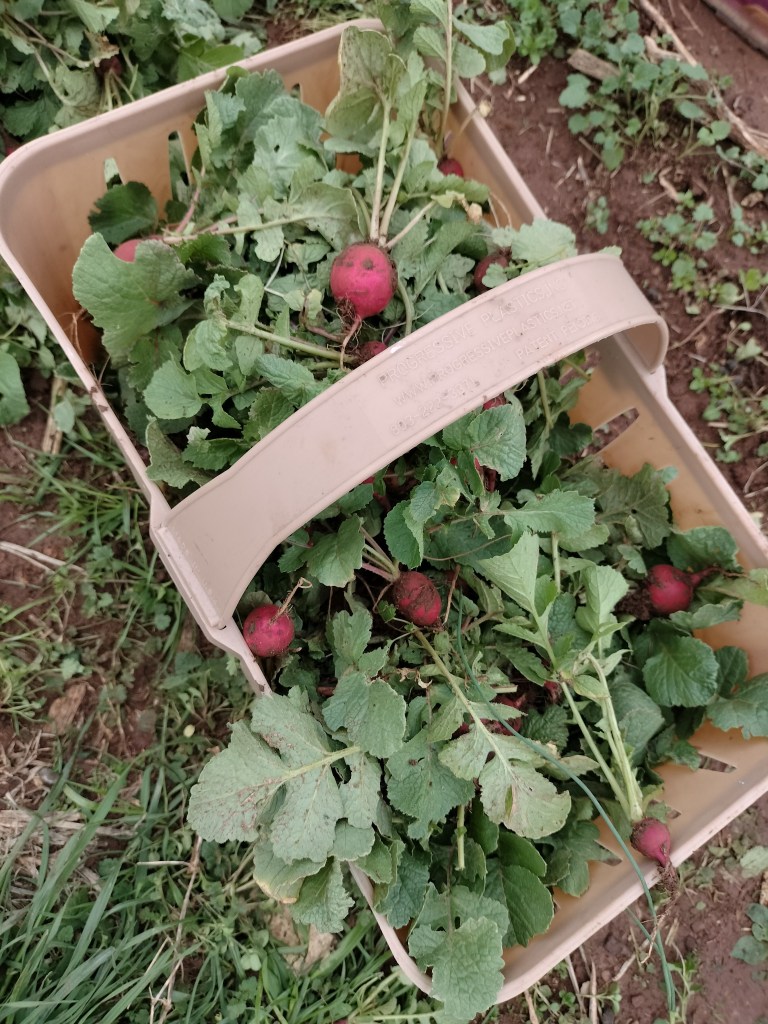
The time finally came when we had our last day at the farm for December. We decided to harvest some radishes, kale, and stray turnips greens that ended up in the other rows. It was more than a complete success. We have more food than we know what to do with, so this year we’re using it in our homes and giving it away to friends. Perhaps in the future we can still enjoy it for ourselves and friends while also selling it to give the proceeds to charitable organizations the girls research or fundraise for a special project.

Either way, there is such profound gratitude in seeing the Lord’s provision and work of your hands.
When it comes to risk, I like to think of myself as being a cautious personality. However, the constructive criticism I hear from other people is that I tend to underestimate what yield could come from faithfulness. I can definitely be like the servant in Matthew 25 that buries his talent and convinces himself he’s being a good steward. My faith in many areas of life is lacking because I hedge my bets to avoid the pain of embarrassment or loss. Modest success is better than no success, right? Reading one of my favorite naturalist authors, Robin Wall Kimmerer, helps me to see a path forward in demonstrating responsibility to something other than just keeping my ego safe. She says in her book, Braiding Sweetgrass:

“Being naturalized to place means to live as if this is the land that feeds you, as if these are the streams from which you drink, that build your body and fill your spirit. To become naturalized is to know that your ancestors lie in this ground. Here you will give your gifts and meet your responsibilities. To become naturalized is to live as if your children’s future matters, to take care of the land as if our lives and the lives of all our relatives depend on it. Because they do.”

When I showed my husband the pictures each week, he kept saying, “That dirt must be magic!” Though I know he was kidding, the truth is the dirt has been cared for for decades. They don’t use pesticides. Their compost is fresh. They make sure the pH balances. It is also reasonable to assume that the land was cared for by the Cherokee, a vital part of the history of this land.

The garden has reminded me how much part of “becoming placed” as essayist Wendell Berry says, means growing to love an area through being fully present and acting in faith and commitment to its history of care.

Coach 4 Life

Because I believe in asset based approaches, I recently took a strength finders test.

My top 5 were:

– Coach (supports others’ growth; dislikes wasted potential)
– Philomath (loves learning; dislikes know-it-alls)
– Strategist (sees big picture; dislikes slow decision makers)
– Catalyst (generates momentum from stagnation; dislikes wasted time)
– Brainstormer (idea generator; dislikes closed-minded people and practices)

In other words, I can get a lot done in short amount of time, but I really like to see the long term growth.


I was discussing this with my oldest daughter on the way home from a rainy cross country meet in Nashville. Her sisters were almost finished with their fall sports season with incredibly gifted and kind coaches. I told her my personality was definitely built like a coach and she was confused.

“I thought a coach was someone who screams at their team when they don’t do well after a game.”

I told her, who hasn’t had much sports experience, that unfortunately, some coaches do that but that her ideas were largely formed by TV sports tropes; coaches come in many shapes, sizes, and volume levels. I explained that life coaches don’t yell, but help adults stay on track to meet their goals. I said that asset-focused teachers are coaches because they know that they are only partly responsible for the results; the students is the one who must exercise their agency and make choices to propel their own growth.

She responded, “So you mean like an encourager?”

Exactly.

I have had those coaches that demeaned the players and being a sensitive child who had little tolerance for injustice, I was always demotivated and angry at them. I am thankful that organizations have moved toward placing the child’s needs above the competition through modeling community spirit. Seeing this posted on my old sports league’s website gives me hope that the community will hold itself (and all its coaches) to a higher standard and that’s just good for everyone.

I will never embarrass my child or [this organization] by verbally abusing/insulting participants, coaches, board members, other parents or officials.

Also, I understand that the stands are NOT the place to shout personal instruction.

If something occurs with which I disagree, I will calmly seek an appropriate solution, at the appropriate time.

I understand that instigating or participating in a confrontation in front of any child is NEVER appropriate and will not be tolerated.

I will never lose sight of the fact that I am a role model. I understand that children imitate their role models and by acting appropriately.

I will be modeling what I expect of my child as well as influencing others in the program.

When I look for people to help with Maple Key, I look for coaches though I don’t want their leadership profile to look just like mine. With the unique skills God has given them, these tutors see what can be when the girls in Maple Key learn over time the habits that are worthy of pursuit while knowing that making mistakes is a part of the cycle of growth.

Come to the Potluck!

Photo by Kaboompics .com on Pexels.com

An opportunity presented itself this fall at our church. We have been looking for practical ways to engage our community and after much discussion, being able to teach financial literacy to low-income participants made the most sense. I signed on to be the facilitator for the group which means I will help everyone engage the content every week. Each participant in the program will have an “ally” who comes alongside them as new concepts are shared and practiced. Everything about this program is based in best educational practices which affirm the dignity and worth of everyone in the room, so I love this program on a number of levels:

– Teaches basic money management skills, not just focusing solely on wealth accumulation
– Focuses on interdependence — allies, participants, and facilitators are are on equal ground (i.e. no hierarchy — everyone has something to bring to the “potluck”)
– Explains that people’s life outcomes are not just the sum of their choices and that broken systems do exist
– Dialogue and movement based education, not lecture style
– Encourages fellowship around a meal as often as is possible

Now, as a disclaimer, my husband works for the organization that runs this program, so I have been hearing about all of these principles for years. Not surprisingly, this training confirmed something I know very well about myself — it’s so easy for me to load up on book knowledge and have ZERO experiential knowledge. When I hear from the other people in my training cohort, many of whom work with consistently work alongside clients who can benefit from this, I realize I am handicapped by knowing all the “right answers”, but have never seen this program played out before in real life. In many ways, they and their clients have a greater understanding of this content than I do because they have felt it in their bones; the ups and downs of difficult financial circumstances live in their bodies. Meanwhile, I have a heart to serve, but am often stuck in my head with a financial safety net.

Honestly, I am excited to learn from the participants because I know too many people who are quick to invalidate experiential knowledge as a legitimate way of knowing things. If it didn’t happen to them or someone close to them it doesn’t count. What deeper understandings do we miss when we don’t listen to peoples’ stories? Can we acknowledge that we’re all broken and gifted in different ways and one kind of brokenness or giftedness is not superior to another?

My training to become a facilitator reminds me that one of my goals for Maple Key is to always have learning from one another in the forefront as a means of grace and understanding in all the activities we pursue.


Mycology Morning

When you homeschool and do sports, your field options are limited. My middle daughters are both running cross country this fall, so public spaces are our friends. We have been at three different locations for team practice and they have all been verdant, humid, and somewhat muddy because well, Chattanooga is like that sometimes. This year we had a very dry season followed by an incredibly rainy season and when the rains come down the mushrooms come up!

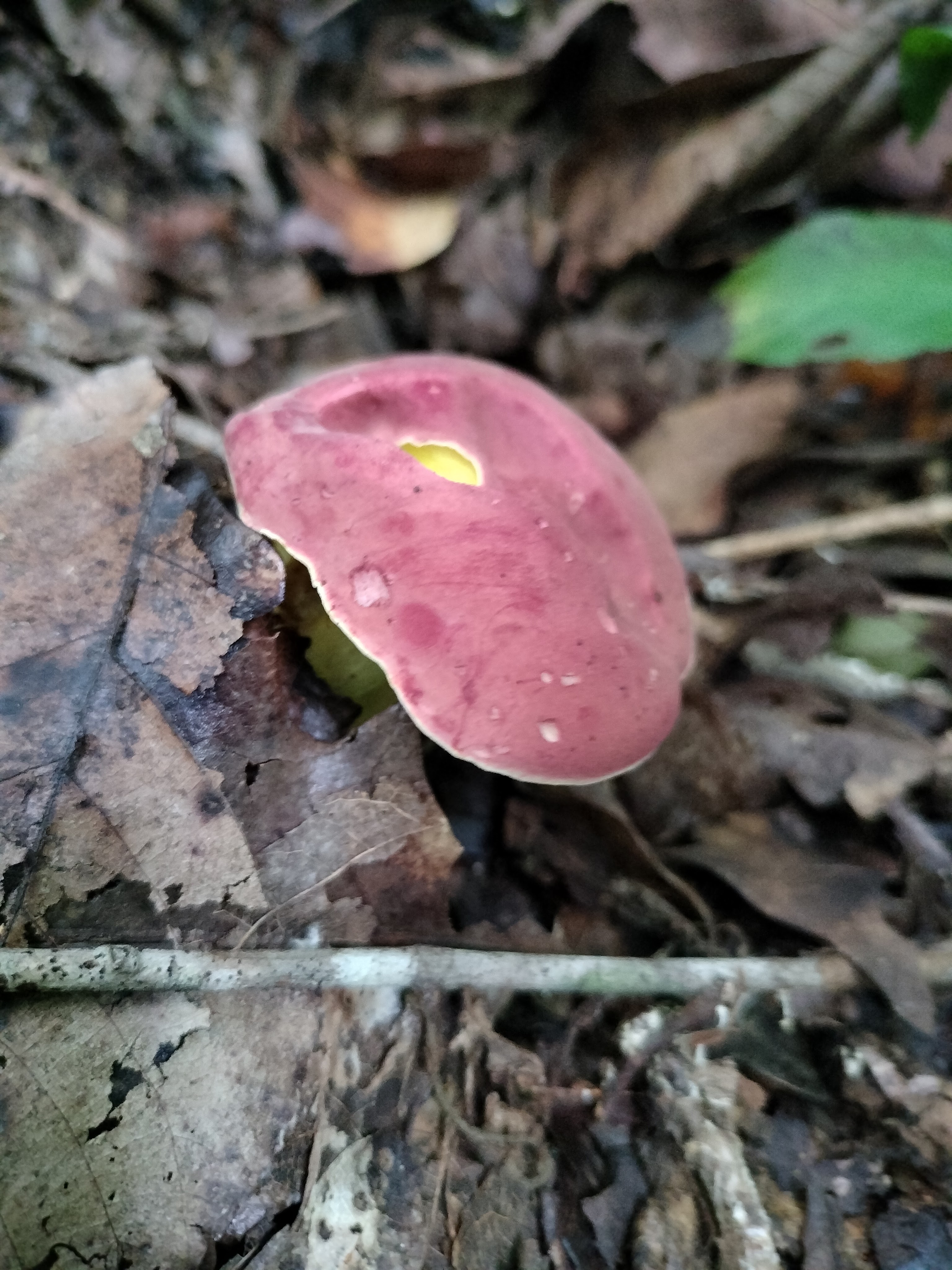
In the bolete family
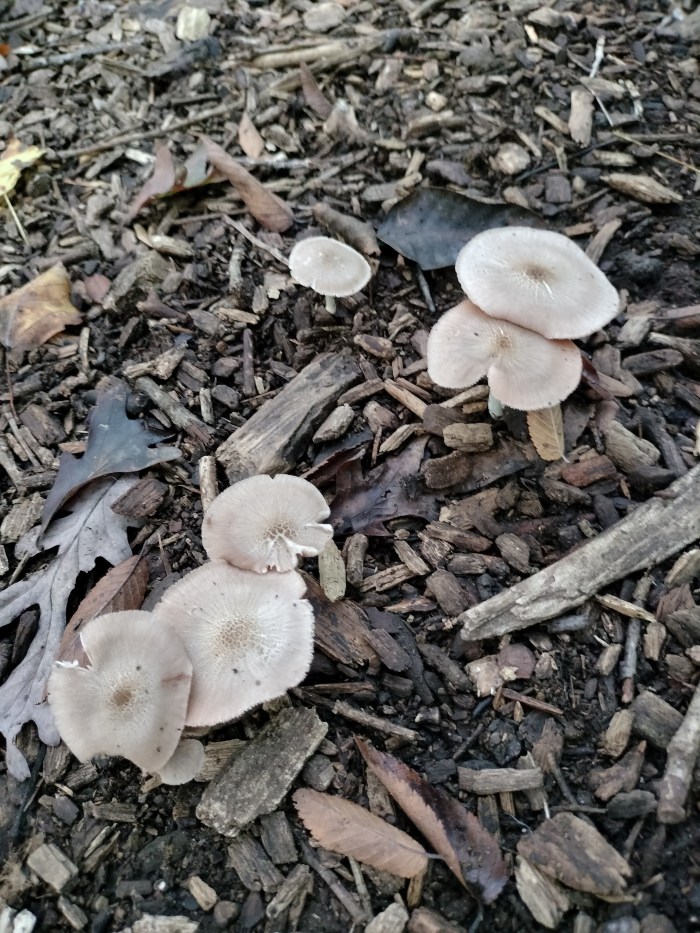
Thinking it’s a hygrophorus milkcap (edible, if so, but not going to try it!)

So while patrolling the trail the students run on, I snapped a lot of pictures of those mushrooms because I want to get to know them at least a little better. I have an app called iNaturalist that I upload them to in order to attempt to identify them (but it’s still hard!). Of course, I have no intentions of being a mycologist or forager, but I do want to always be an observer and discoverer.

In the book Atomic Habits, the author explains that if you want to become something you have to have the habits of someone who is that. For instance, if you say to yourself, “I am someone who observes things closely.” Guess what you have to start doing? Act like someone who observes things more closely. You might start noticing what color your co-workers are wearing. You might count how many stairs you have to climb to get to your bedroom. You might start looking for mushrooms on your nature walks when it’s soggy.

Hmm.. Gray bolete?

For me, my default can be inattentiveness. I have tons of exciting ideas visions swirling around in my head, so taking time to notice what’s been showing up in creation year after year is often a big effort on my part. However, as I have been developing this habit (and encouraging it in others) a whole new world of wonder has opened up to me. Something breathtaking finds me when I least expect it.

Learning even the tiniest bit about mushrooms in one local spot means I will also learn to call them by name around my house and that’s exciting news. I can start asking more questions about them. I can paint them. I can enjoy them with my kids. I can understand my region better. The possibilities are endless when you’re curious!

So next time you’re out at Enterprise South for a run, say hello to the runners, bikers, walkers, and fungi you meet! Trust me, with as many varieties as there are out there, it will keep you busy for a lifetime…

Possibly a ruby bolete?
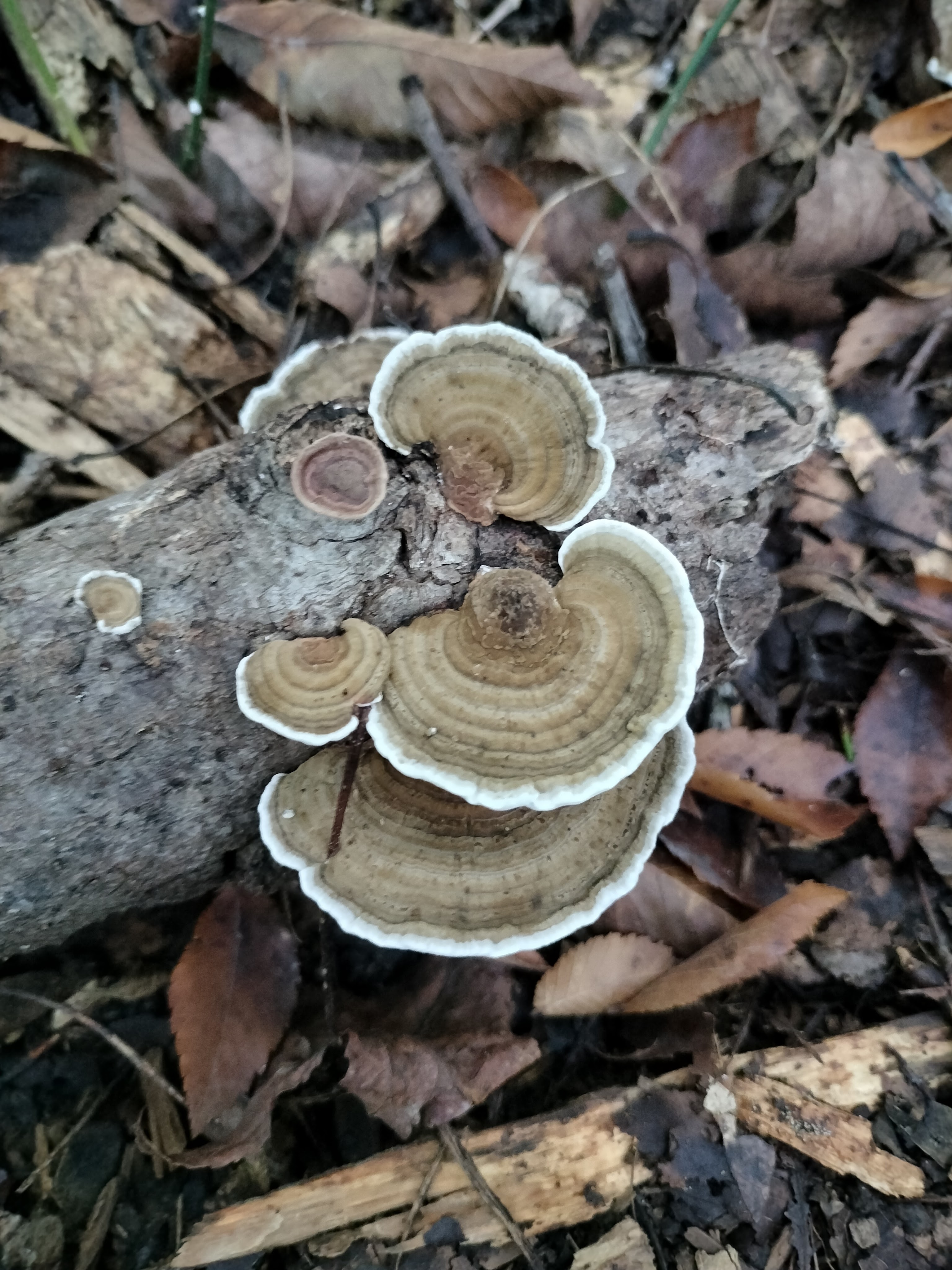
Some kind of turkey tail?
This could be lots of things in the coral fungus family?
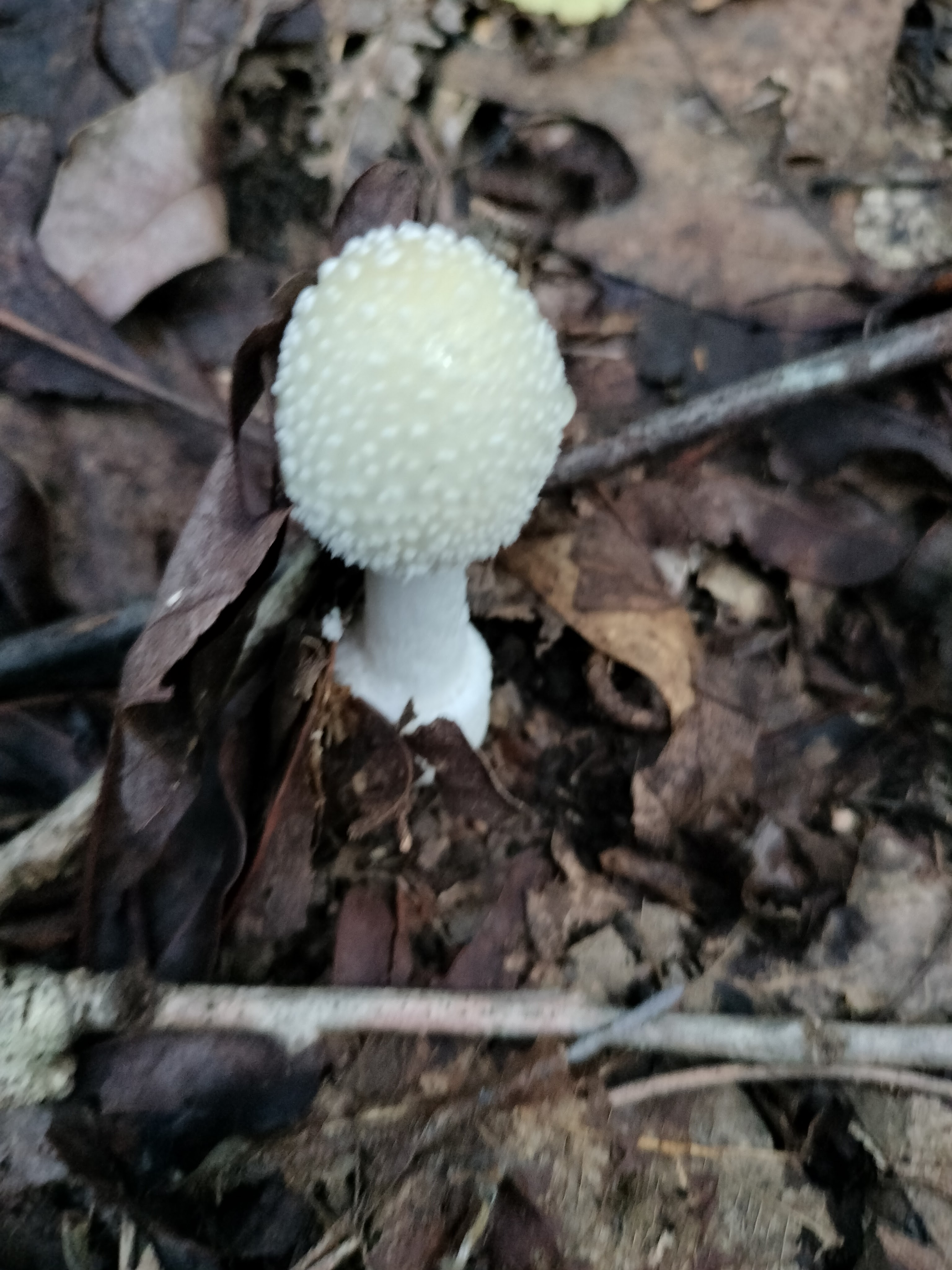
Perhaps some kind of amanita? (if so, poisonous!)
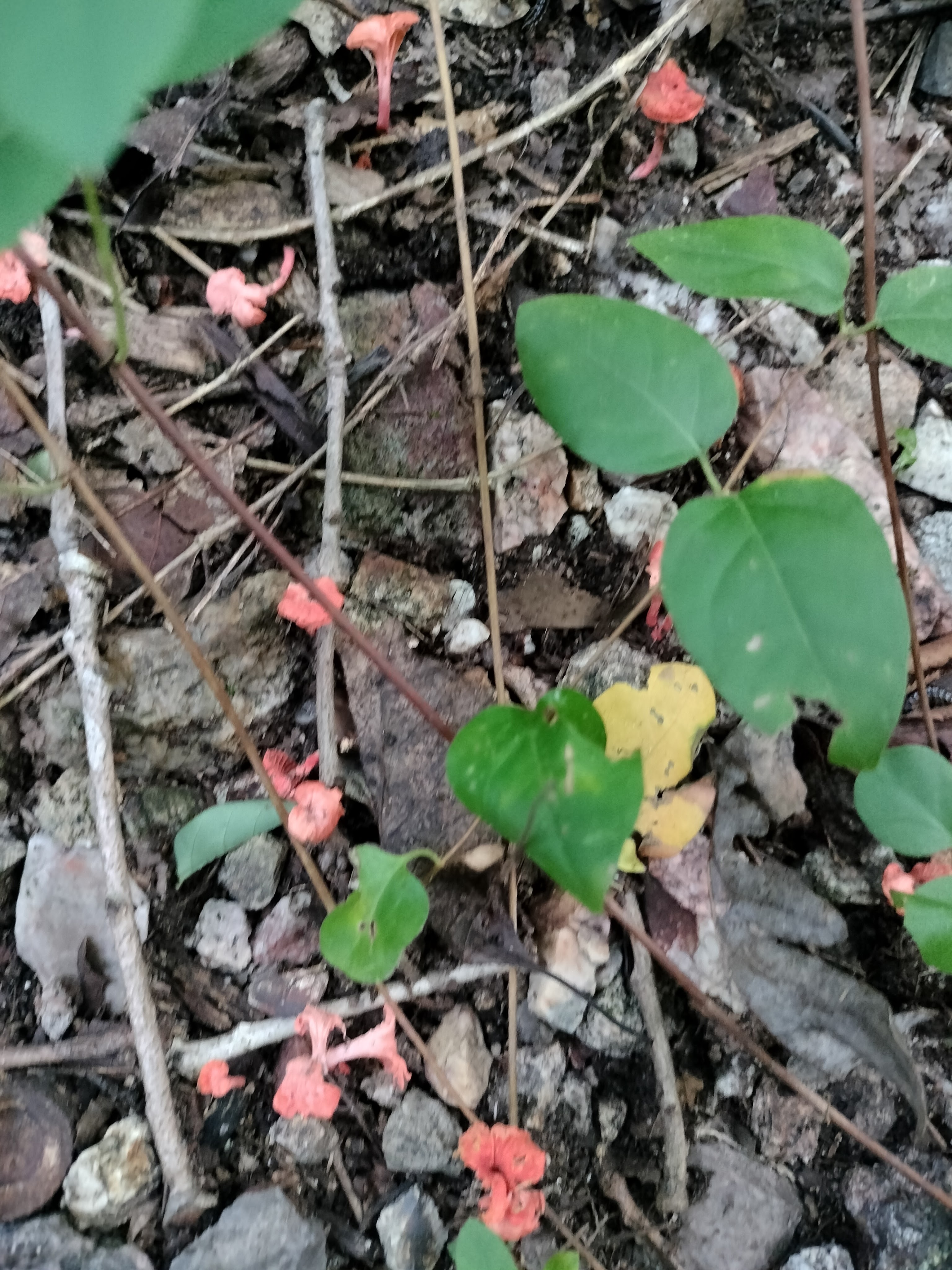
Red Chantrelle? (edible, if so!)

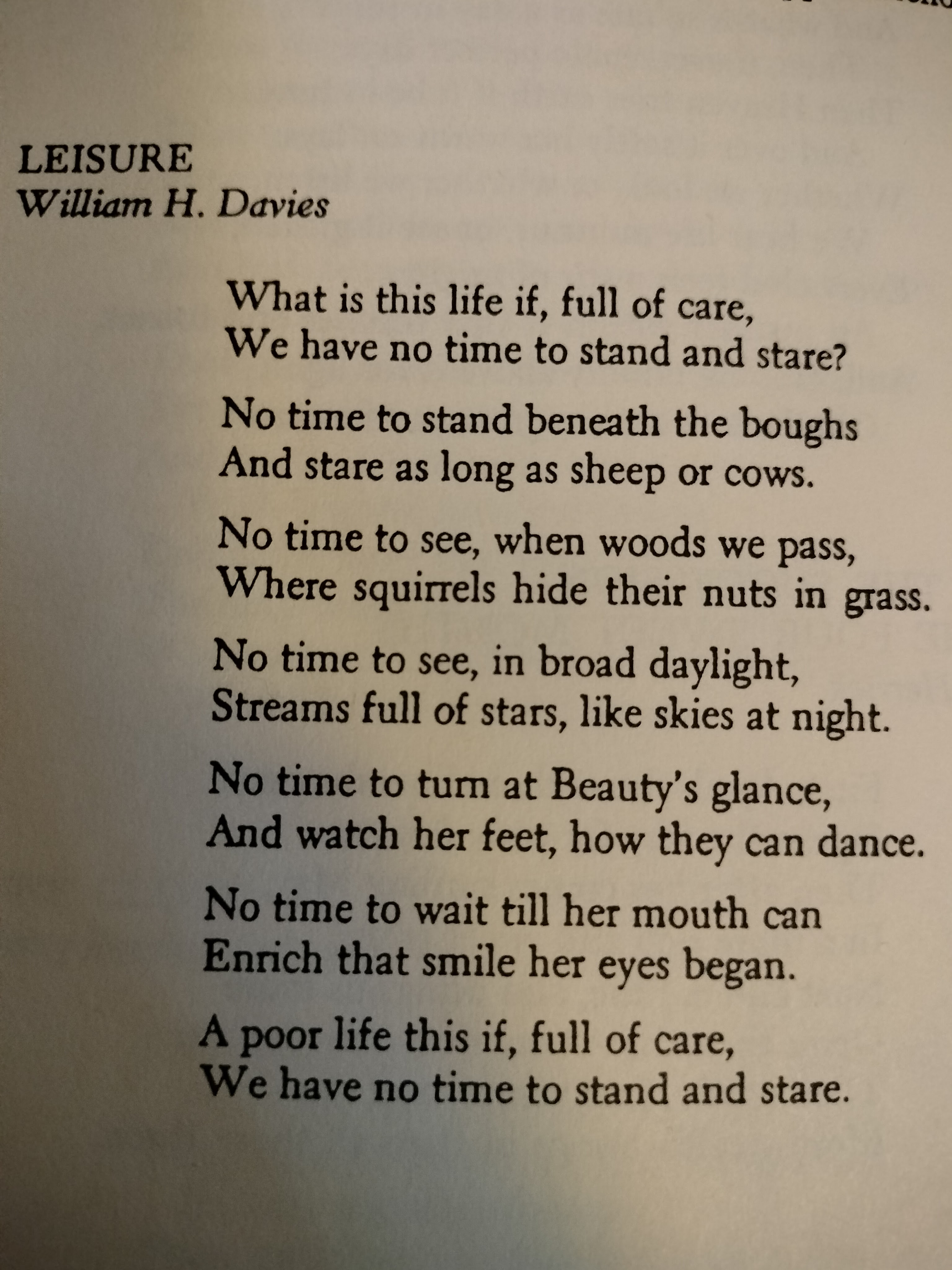
On that note, here’s a poem to encourage you on your way to more observing!

The Editing Process

I was recently given an advanced copy reader by a college friend whose book is coming out in July. I was so moved by her words that I wrote a book review to hopefully help it get some early press. I spent several hours over several days typing up an opening story and deciding on the section headers and how to flesh them out. I edited it multiple times and thought, “This is long, but it’s pretty good after all the effort I put in!”

And then I let my husband edit it.

Comments and edits galore in the margins. At one point my hand got tired of clicking all the accept changes. In full disclosure, editing is part of what he does for a living, so I know anything I give him is in capable hands. However, it’s still hard to “watch the sausage being made” as the saying goes. I want to believe that I can dash off something amazing with no help — my ideas are pure and unadulterated. But if I buy into that kind of idealism, it only hurts my work, not helps it. My tunnel vision can end up squandering my gift, not nurturing it.

Per his advice, I went back and worked on it some more. He promised to look at it again before I submitted it to a publication. If it gets accepted it, there will be minimum of one more set of eyes to shred it again.

After my husband told me he was finished, I asked him if he thought the place I wanted to send my work to would shave my work down substantially. I reminded him that he had submitted a book review there that was 1900 words and they chopped it to 1400. He said it depends on what the publication is going for, but that he actually appreciated the edits he received because nothing the editor did took away from the big picture. Even editors liked being edited well!

To be a better writer you have to be vulnerable and acknowledge that your idea might need help. When you think you’ve done your best work, there will always be someone out there to suggest an opportunity for more word color or to say, “I see where you’re going, but this train of thought doesn’t fit.” If you’re always defensive about a comment or think that your words are right up there with Shakespeare on the first draft, you’re in for a harsh reality check. Consider the editing process a collaborative effort, not a competitive one. You’re all on the same team with the same goal– making your work shine for maximum impact. Having your words filtered through multiple lens (of which include might include people of a different race, gender, geographic location, etc.) before your piece gets sent out into the world can be a blessing not a curse*.

*A slight caveat. I have had a friend say that she worked on a piece for over a year and she shopped her work around. Some places rejected it, some said it needed tweaks, and finally one publication took it as is. She chose that publication for that particular piece. There were other pieces where she received some feedback and gave both pushback and acceptance of their edits. Ultimately, you have the choice to negotiate (or not!) whether the other person looking at your work is catching your vision and voice. On the whole though, most editors have had enough experience to craft and not wound.

Witnessing Childhood

Our neighborhood is very walkable — gridlike in its layout. Over the years we have burned up the pavement with our tennis shoes, wagons, scooters, and strollers. We walk to the library. We walk to the cemetery cattycorner to our backyard. We walk to church. We walk to restaurants. We walk to playgrounds. We walk to Wal-Mart.

Toward the end of the month I am moving our time away from the farm and over to my town so we can walk on asphalt instead of lush grass. We will first pick up a lot of trash, as it’s one of the things you notice right away when you pass by all the ditches and little creeks. I’m excited to see how much we collect as we discuss all the signs of spring!

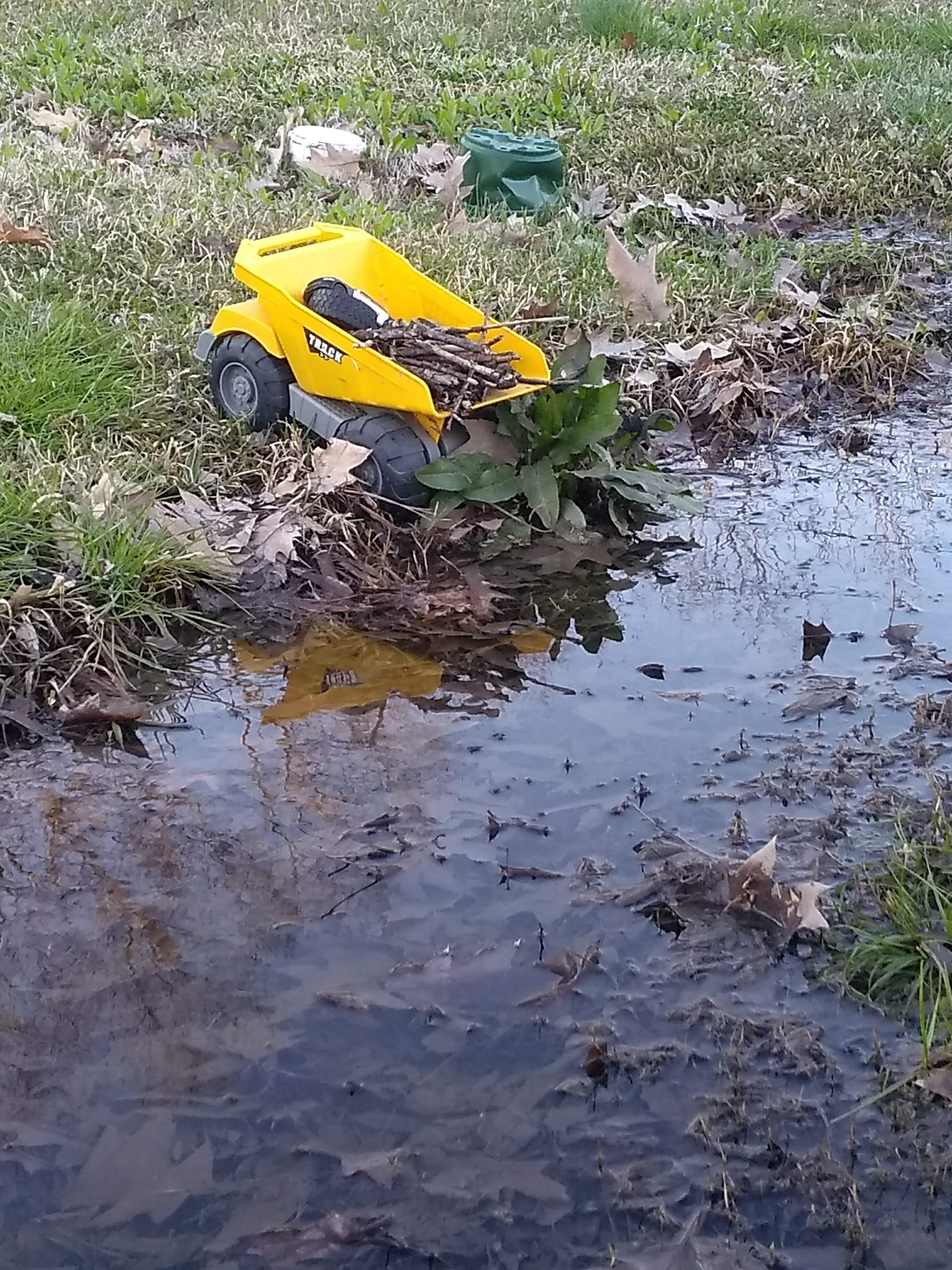
I also hope that we come across something like this:

I don’t know the story behind this, but it brought me a great sense of joy as I passed by it in a neighbor’s yard last night. Getting an opportunity to witness someone’s childhood is no small thing.

In Praise of Reciprocal Memberships

One way I encourage families to keep a family culture of being outdoors is through a “hack” we learned about several years ago — reciprocal memberships. Where we are in Chattanooga, we have access to a place called Reflection Riding which is a member of the American Horticultural Society. This association allows its members access to any other affiliated gardens on their list for a discounted price or usually FREE. Financially speaking, it’s a no brainer to join. Here’s some math:

Visit Atlanta Botanical Gardens once = $126 for our family of 6

Family membership to Reflection Riding = $70 AND we can go to any of the 330+ gardens for discount or free.

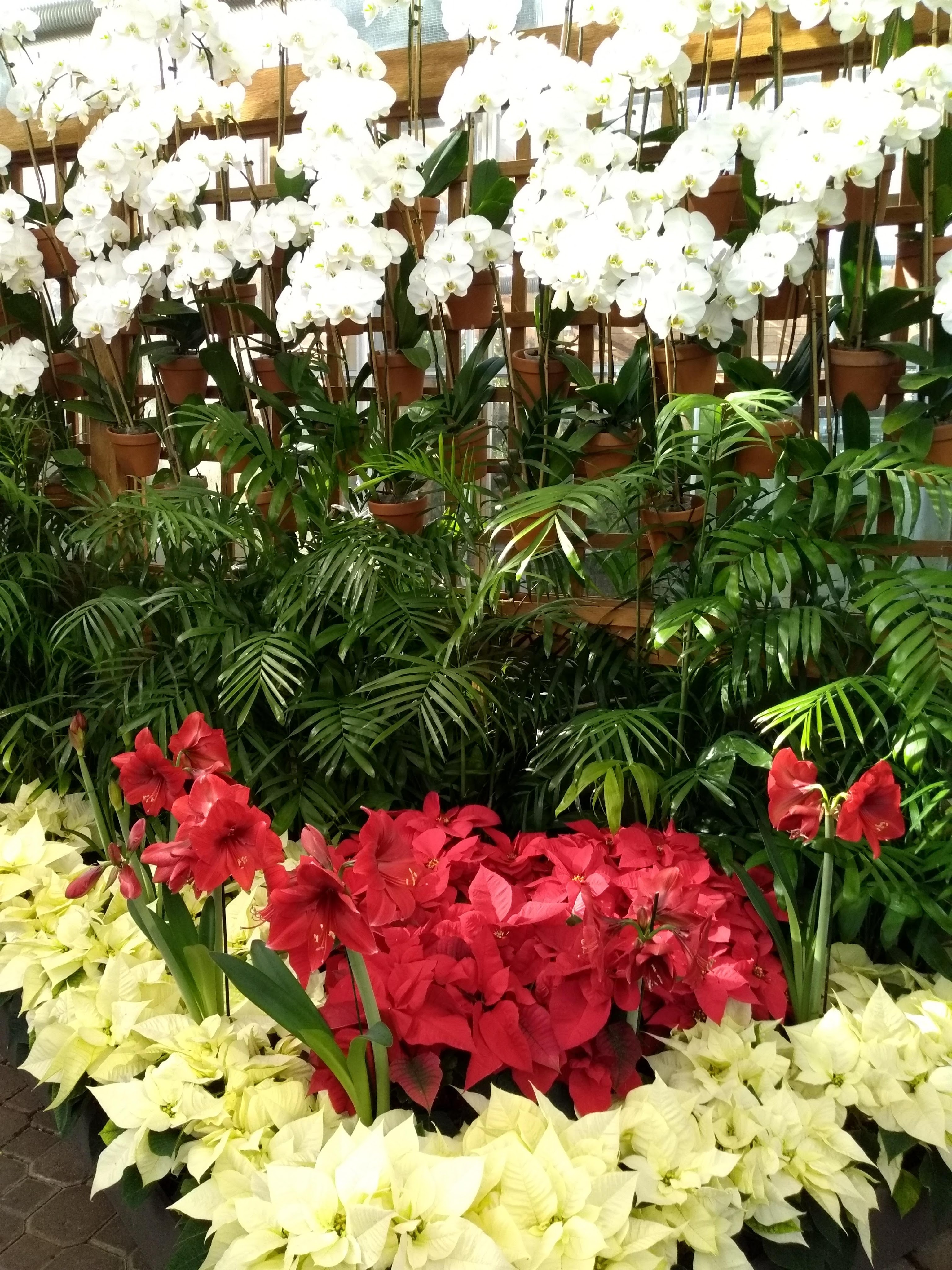
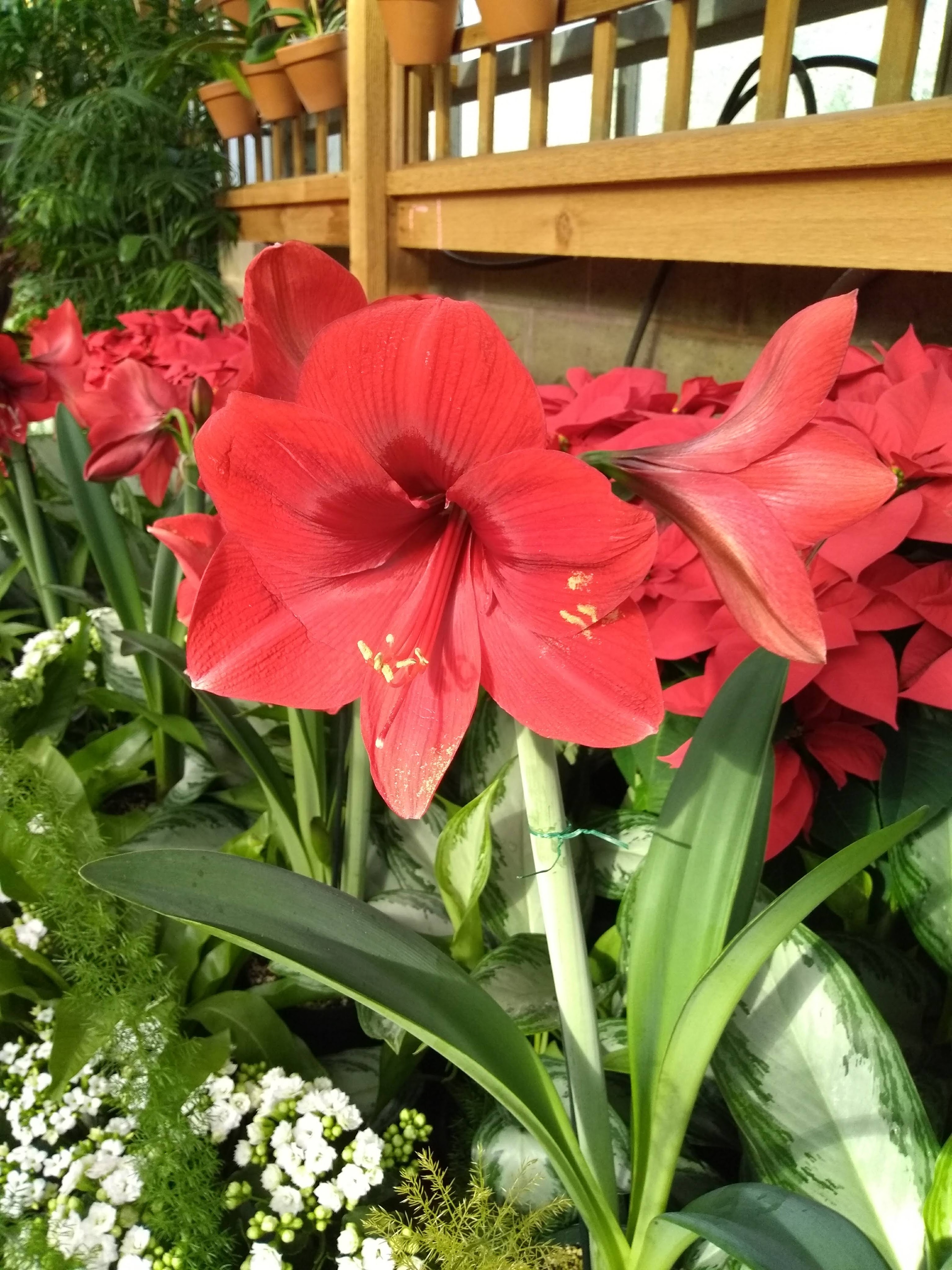
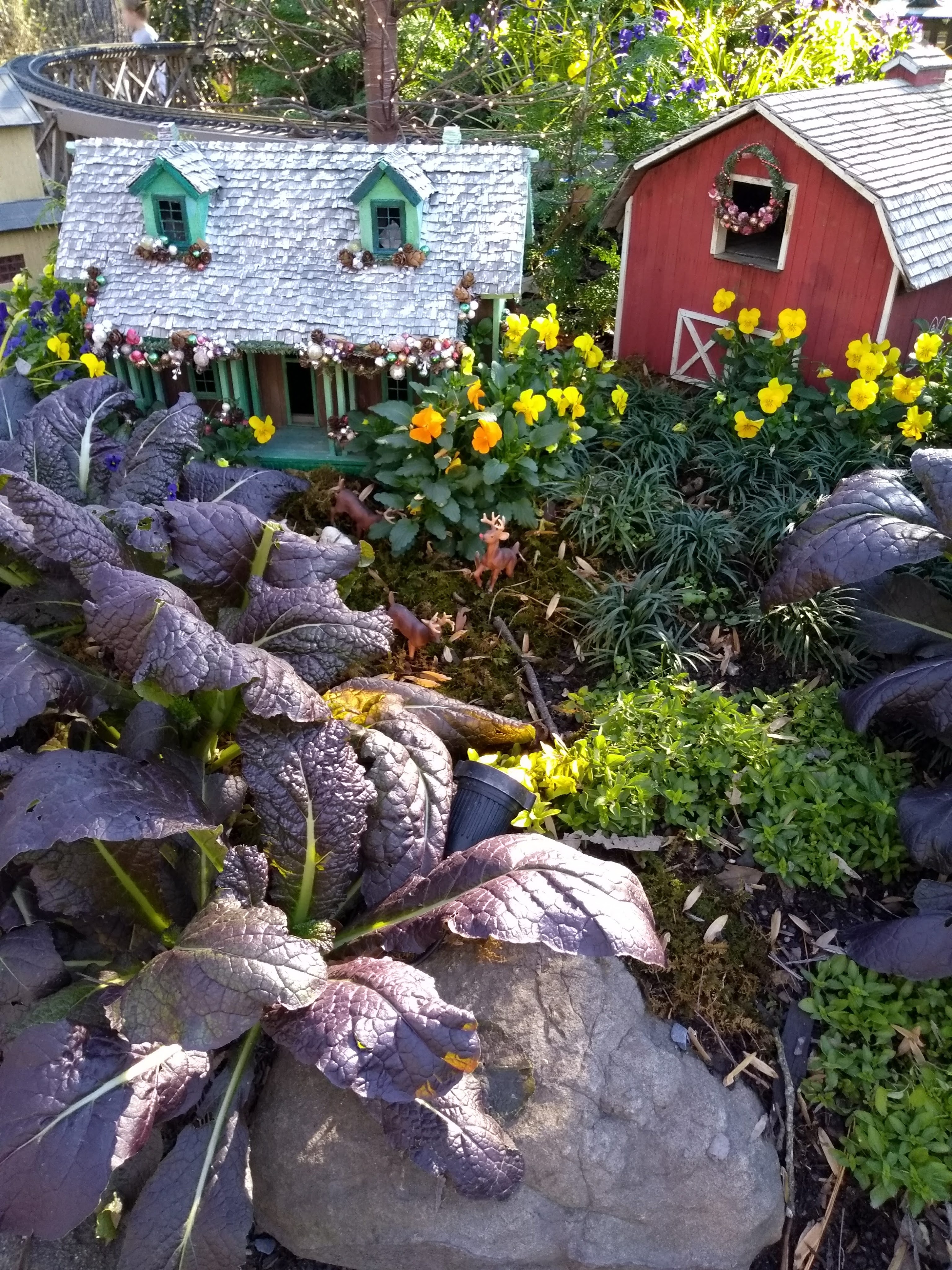
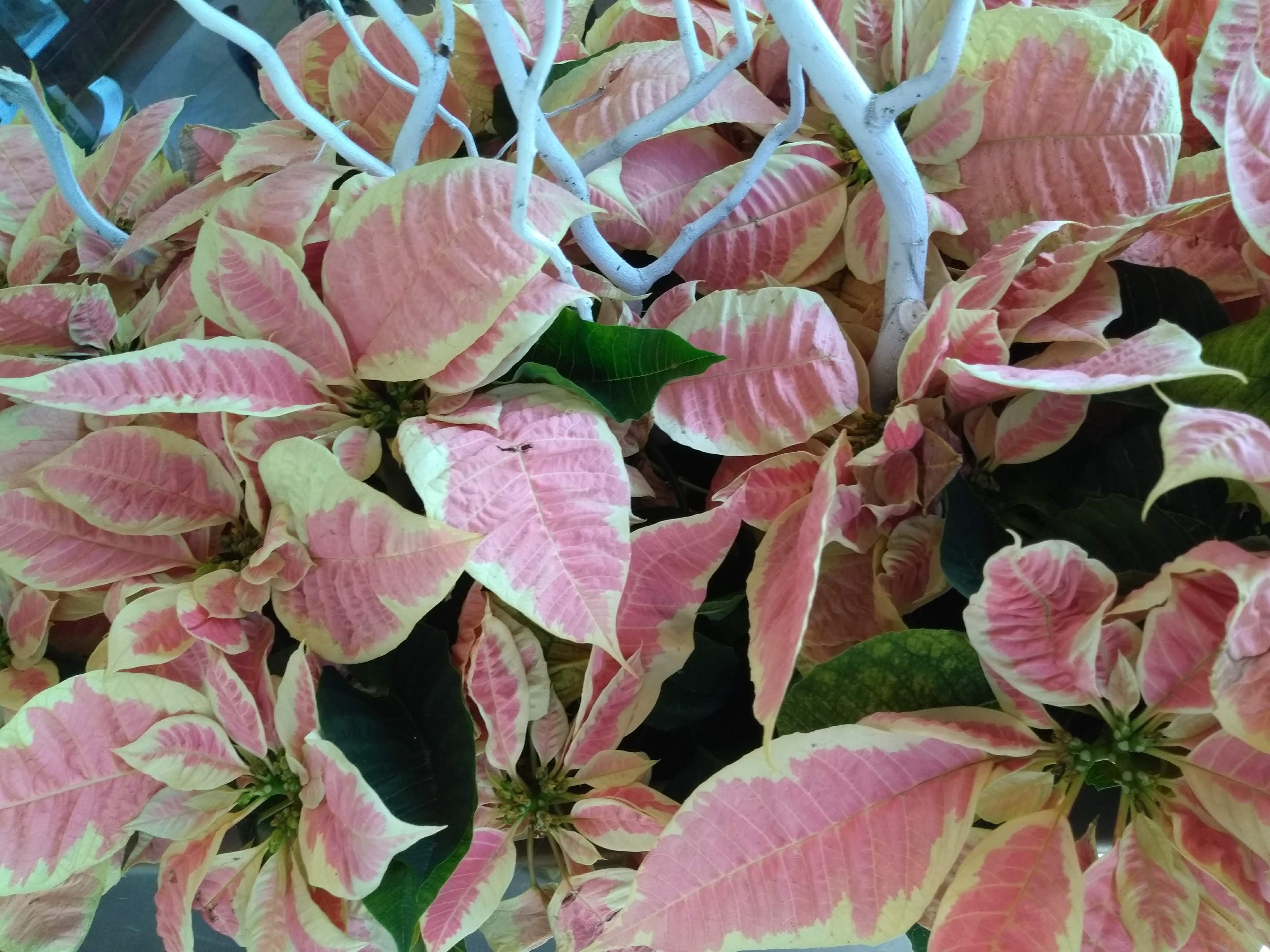
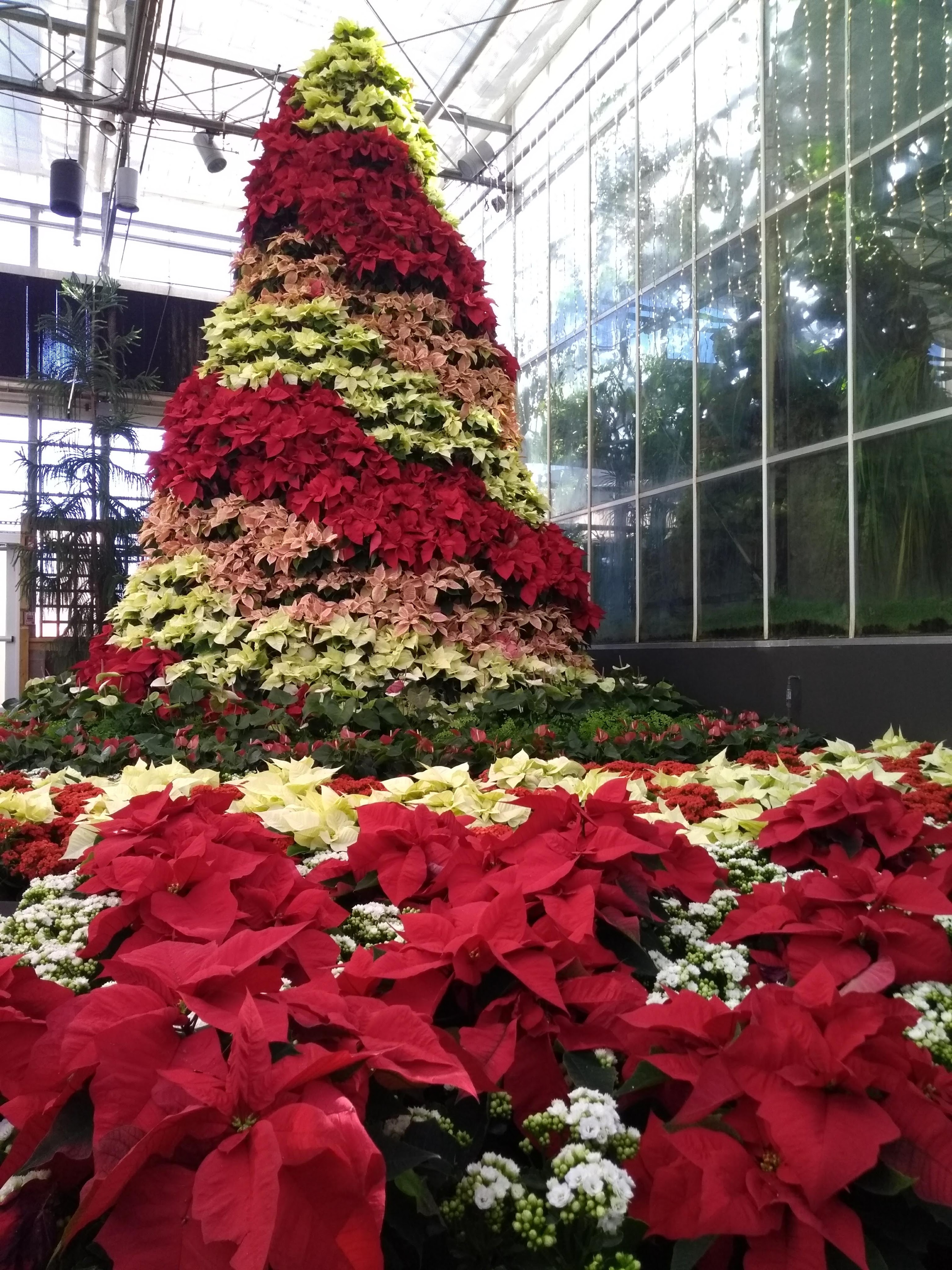
If you have access to gardens that offers these benefits, take advantage of them for you and your family, especially in the winter season when you might be less encouraged to be outdoors. Sometimes you get a surprise like we did yesterday, having a beautiful day in the upper 50’s. In addition, some places have greenhouses year round. Seeing how they will decorate the poinsettia tree (see below) is one of the highlights of the winter break for us. Actually, it might be the largest reason we created the tradition of going every year right before Christmas!

Displays at the Atlanta Botanical greenhouse never get old!

2021 Reads

This is by no means an exhaustive list of my 2021 reads, but since it is getting close to the start of a new year (presumably when people make resolutions to read more widely), I will pick a handful that I think are worth your time. They are listed in no particular order.

  • Everything Sad Is Untrue by Daniel Nayeri
  • Finding Langston by Lesa Ransome-Cline
  • What Happened to You? Conversations on Trauma, Resilience, and Healing by Dr. Bruce Perry and Oprah Winfrey
  • Skunk and Badger by Amy Timberlake
  • Where Stars are Scattered by Victori Jamieson and Omar Mohamed
  • Disability and the Church: A Vision for Diversity and Inclusion by Lamar Hardwick
  • Jacksonland: President Andrew Jackson, Cherokee Chief John Ross, and a Great American Land Grab by Steve Inskeep
  • Prayer in the Night: For Those Who Work or Watch or Weep by Tish Harrison Warren
  • On the Spectrum: Autism, Faith, and the Gifts of Neurodiversity by Daniel Bowman, Jr.
  • Talking Back to Purity Culture by Rachel Joy Welcher
  • Dog Songs and A Thousand Mornings by Mary Oliver
  • Wintering: The Power of Rest and Retreat in Difficult Times by Katherine May
  • The Children of Men by P.D. James
  • This Too Shall Last by K.J. Ramsey
  • The Warmth of Other Suns by Isabel Wilkeron
  • Farewell To Manzanar: A True Story of Japanese American Experience During and After the World War II Internment by Jeanne Wakatsuki Houston
  • Turning of Days : Lessons from Nature, Season, and Spirit by Hannah Anderson
  • The Sum of Us: What Racism Costs Everyone and How We Can Prosper Together by Heather McGhee
  • The Code of the Woosters by P.G. Wodehouse
  • A Walk in the Woods by Lee Blessing


Consider the Wildflowers

It could have been my imagination, but the air felt much more biting on the walk home from church at noon. In my mind, the day should always promise more warmth as the hours go by, not less. We walked anyway.

Walking to and from church is a normal occurrence for our family. We pass the apartment buildings behind our home, the local cemetery, the Methodist church, the title pawn shop. Then we cross the busy four lane road (which has no crosswalk), past the used tire store on one side and emergency service vehicles on the other. The final stretch is the row of homeowners, their various and sundry yard ornaments, and curious yappy dogs.

Today, however, the walk was a bit blustery even for our usual dogged determination for exercise and insistence on the children being more pedestrian (in all uses of the word) than they would normally care to be. Despite having to cross the traffic-filled street together at lunchtime, the route is very close to a straight line from point A to point B, so none of our children could ever get lost. Even the three year old knows to walk on the correct side of the road at all times, but we still have varying paces. My husband’s lumbering 6’3″ stride is not the same as my impatient I-feel-like-I-had-3-cups-of-coffee-already stride, nor is it the same as our preschooler whose inconsistent stride is always based on her whims.

So being vigilant, but still several paces ahead so as to encourage our 3 year old to reach the warmth of our home faster, I suddenly saw her stop on the side of the road and shriek with delight. What could have caused this burst of exuberance in such a chilly climb up the hill?

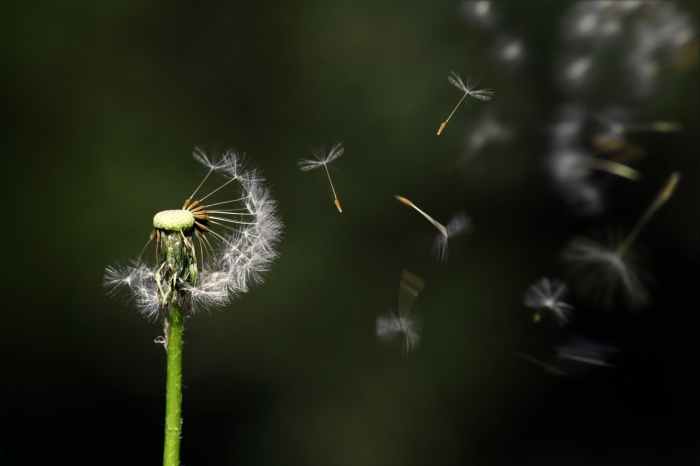
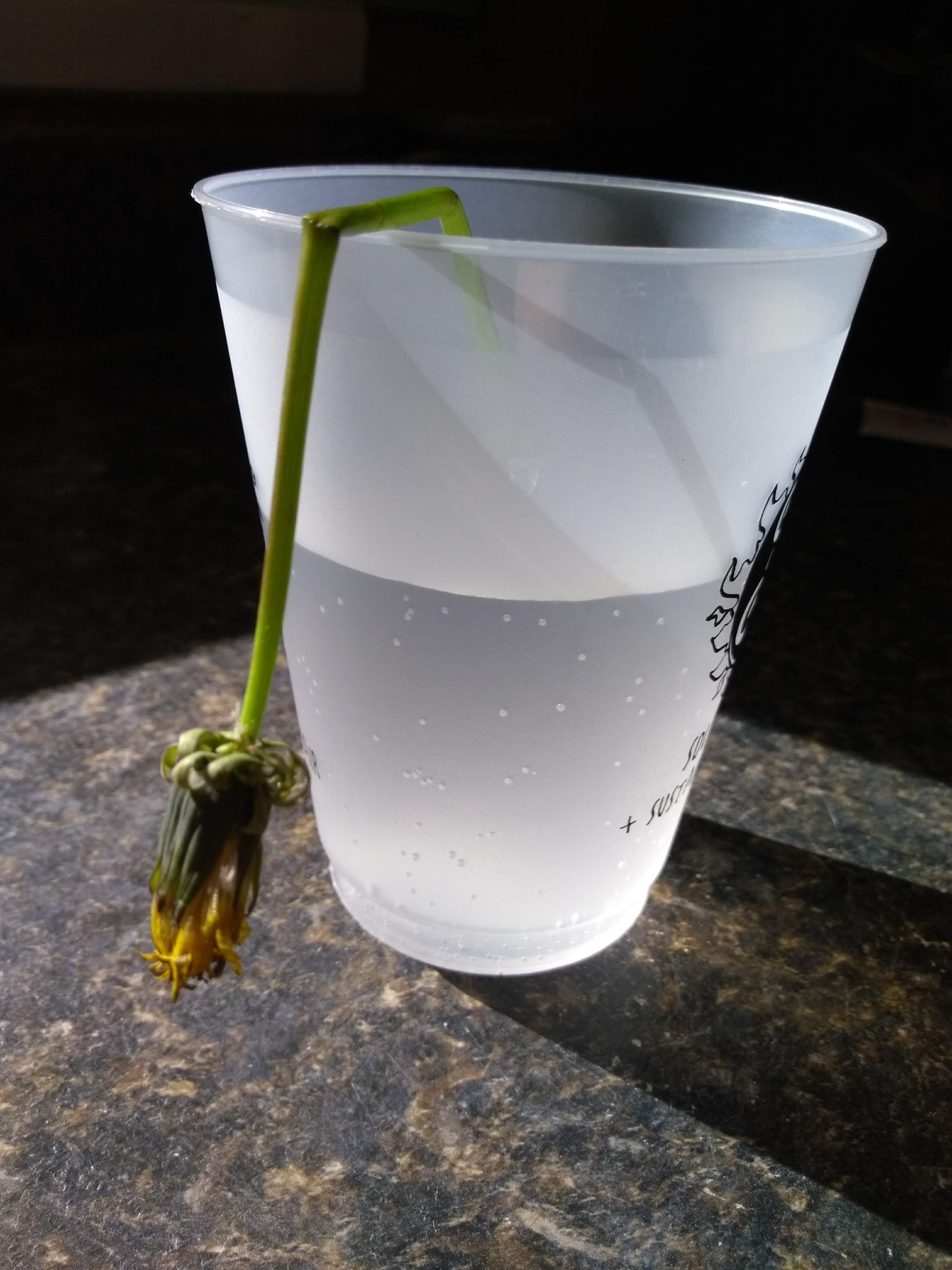
She found a lone dandelion.

Being so low to the ground, a burst of sunniest yellow had caught her eye amidst the dull and dark browns while the rest of us just motored on past so we could reach our destination. She laughed so naturally as she picked it for me to put in my coat pocket. Once inside, I started talking with my husband and getting out the leftovers to heat up for lunch, forgetting all about the flower. Out of the corner of my eye I saw our daughter filling up a clear plastic cup half full of water from the fridge.

“No, that’s too much for you to drink. You need to get a straw and then take it to the table.”

Frustrated in being redirected and misunderstood she said plainly, “No, it’s for the flower, Mommy!”

She hadn’t forgotten it.

I don’t know if her instinct to give the flower water came from watching her 7 year old sister do this all year round with “shot glass bouquets” from the yard or if she just knows that flowers need water to even have a chance at surviving in a house. She wasn’t thinking about how quickly it would wither once brought inside; she wanted to preserve and share the beauty of God’s creation as best as she knew how. Either way, her exceeding childish joy and loving care for something we older people ignore or pull up as a nuisance gave me a needed opportunity to reflect on the Lord’s Day.

“Consider how the wildflowers grow: They don’t labor or spin thread. Yet I tell you, not even Solomon in all his splendor was adorned like one of these! If that’s how God clothes the grass, which is in the field today and is thrown into the furnace tomorrow, how much more will He do for you—you of little faith?” Matthew 6:27-28 (HCSB)

My husband reminded me that this passage from the Sermon on the Mount is actually a meditation on the first commandment, where Jesus tells His listeners that in God there is no need for worry because He is the provider. The Greek in verse 27 essentially translates into “be discipled by this flower”. In our age of instant and easy answers, how strange it is to be taught how to orient your life by a plant. And yet that is what I was called to on the roadside — to notice that He is still giving me an opportunity to push out distraction and comfort to see His wonder and provision that was so evident to my little girl. Being outdoors with my children is a constant reminder that I am too addicted to the illusion of self-sufficiency and far too rational to seize moments of discipleship that have been there all along.

Shades of Bronze

Last week my family and I drove up to see my in-laws in North Carolina for Thanksgiving. It’s a day where we usually think of bright pumpkins and yellow and green striped gourds with fall leaves in a cornucopia. However, I saw a different side of the season this year while taking a walk with my husband and two of our daughters down to a frozen pond.

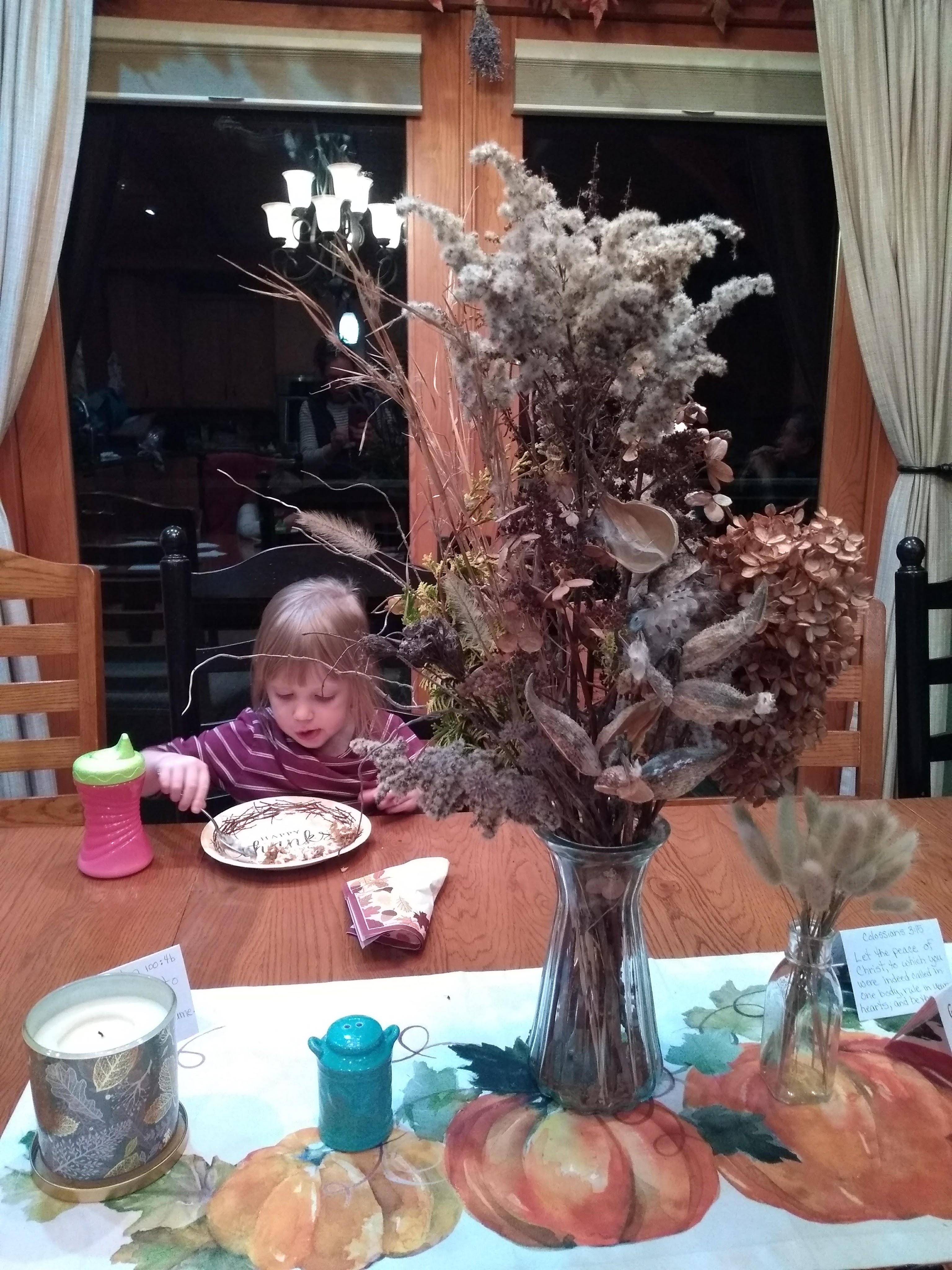
I’m actually ashamed to say that I never noticed it before then; I had walked that property in the fall many times over the 15 years my husband and I have been married. This year the shades of bronze from all the spent plants on their 23 acres (and neighboring property) sang to me. The milkweed pods with their wispy white interior and curved shapes, the playful beige fluff of the goldenrod stalks, the crispy four-lobed pattern of tan hydrangea petals, the scraggly splash of lemon yellow from the witch hazel.

The next day we took pruners and a leftover cardboard box, snipping anything bronze, off-white, or muted yellow. After reaching the garage, I sat and made an arrangement of mostly dead things. As I worked, it struck me that what I was constructing was the opposite color palette of those bright fall images you see in Thanksgiving kid crafts and Hobby Lobby decorations. The items in the vase were devoid of the colors we are used to identifying them by, which would signify to many that the “abundance” has already passed or the usefulness of the plants were withered or diminished. But that’s not what my eyes saw as I strolled down the chunky gravel road.

I noticed two things:

1. Even if the color and shapes had changed some of these plants, it did not detract from their fundamental beauty. The textures, shades, and lines were simply stunning. It was almost like once their usual color was stripped away you could see aspects of their character that would have otherwise been concealed.

2. The arrangement wasn’t there to show creation’s abundance had left and was no more, but its beauty was actually a reminder that abundance is still here, albeit a different, but no less lovely form. It served as a reminder these plants will show up (and show off) abundantly again next year and for years to come.

One of the Nature Connection videos (from John Muir Laws) the Maple Key girls and I watched was on drawing and making collections based on a theme you notice as you spend time outdoors. I truly believe I noticed the shades of bronze last week because my eyes are getting sharper. Not literally, of course (I inch closer to the big 4-0 each year!), but rather through being diligent to listen to Laws’ lessons on what it means to live a reflective life outdoors. He gives his viewers better eyes to observe even when they don’t know they’re supposed to be looking.

What a gift to be able to notice God’s generosity through walking in His free wonders and delights.